Art Crafting Towards the Future struck the absolute balance between traditional Japanese artistry and futurism.
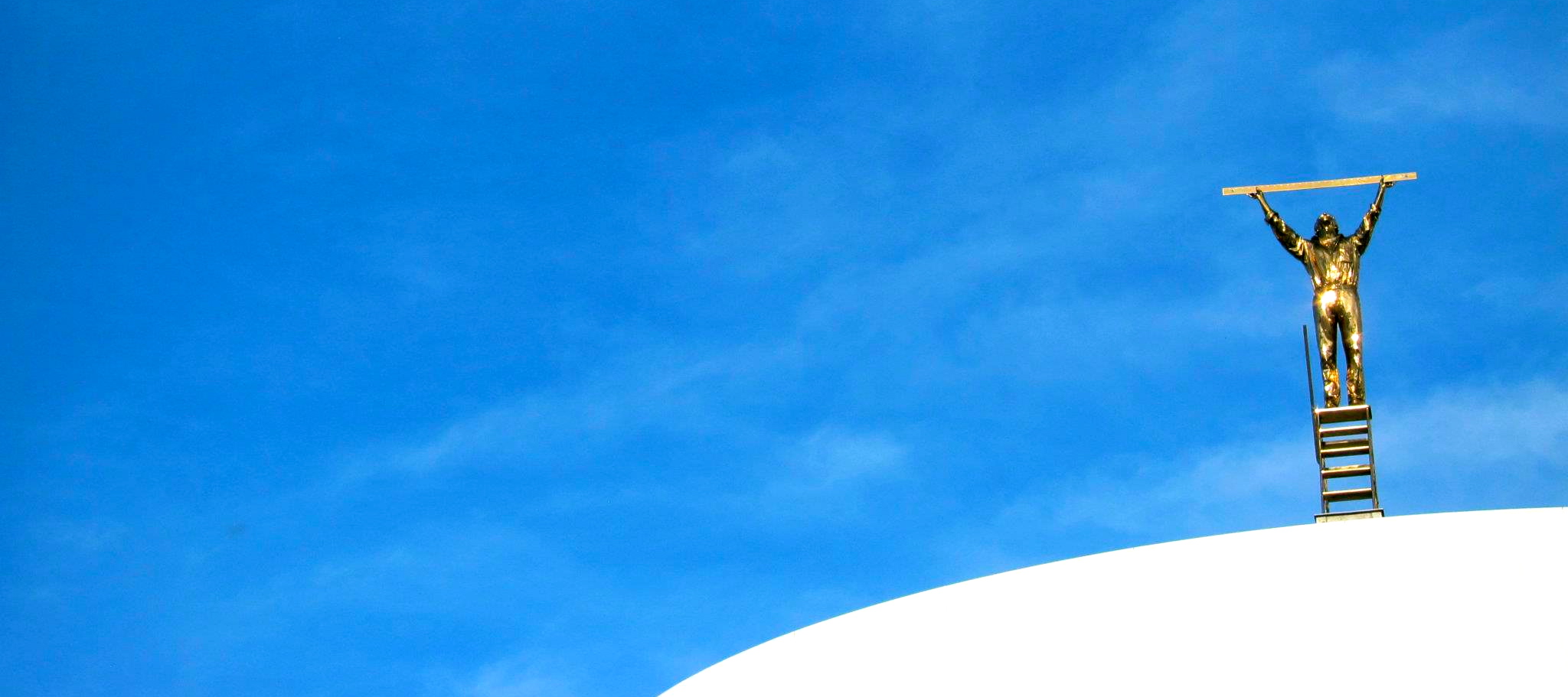
Experiencing Japanese culture for the foreigner mostly entails visiting temples, participating in tea ceremonies, and slipping on yukatas. Yet, a month after being in Kanazawa, it is not an age-old relic but a contemporary Japanese ceramics exhibition at the 21st Century Museum of Contemporary Art that gives me the most inspiring glimpse of modern Japanese cultural development.
There are those who study the collision of old and new in Japan who fear for a loss in the delicate balance of Japanese culture between such dichotomies. Japan has limited cultural space, and it follows that as the new is ushered in, the old is left behind. Proponents of this argument point to the reduction of geisha districts to tourist hubs, the brain drain and the rise of parasite singles as evidence of the antagonistic expansion of modernity and its resultant sacrifice – age-old tradition.
After seeing the exhibition, however, I am convinced that if good old Japan is being fractured by societal development, it is artists like the ones featured in Art Crafting Towards the Future that will spearhead the cultivation of a renewed understanding of the values, conventions and attitudes of Japan we are beginning to leave behind.
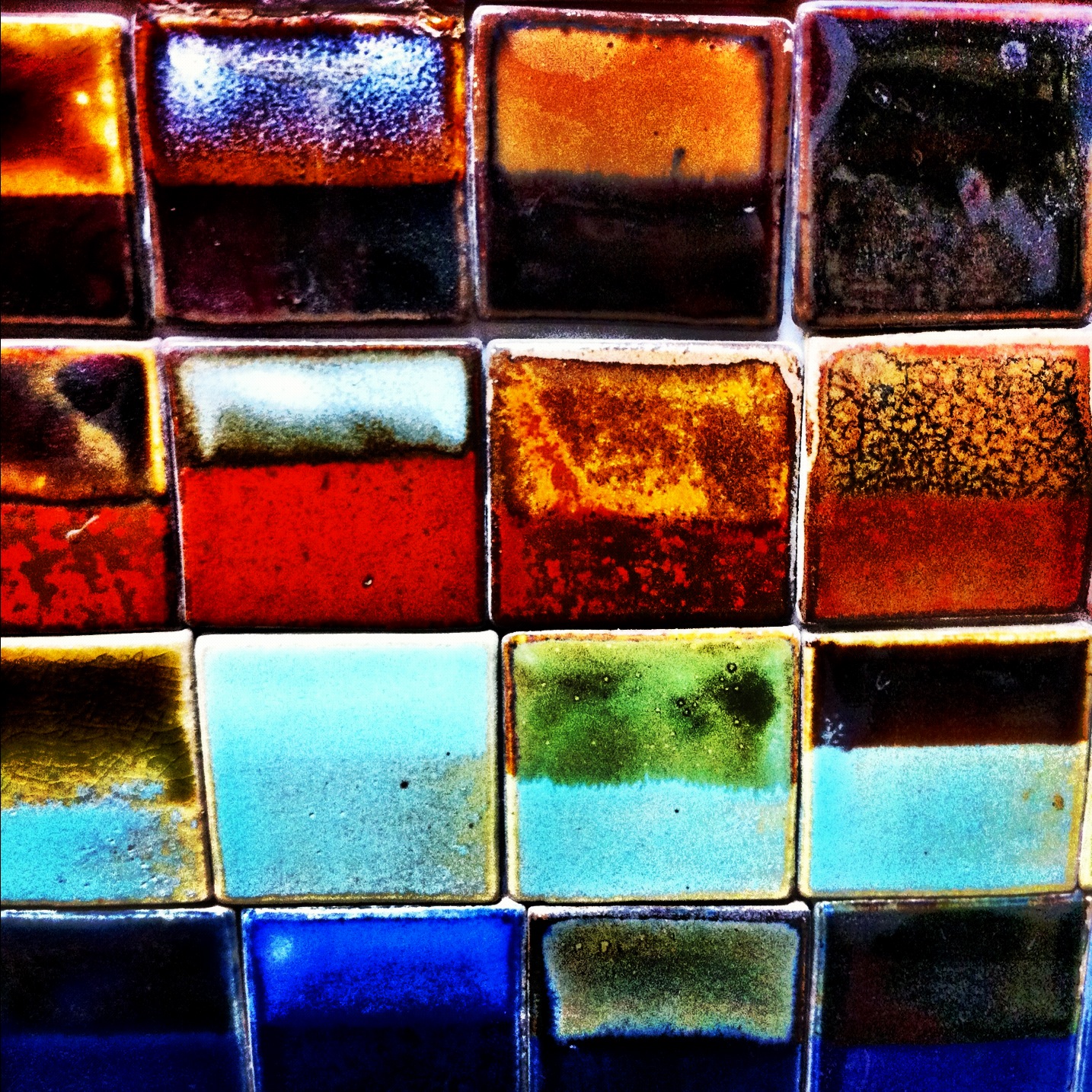
Art Crafting Towards the Future struck the absolute balance between traditional Japanese artistry and futurism. On one hand was the undiminished spirit of Japanese craft. Every notch seemed deliberate – every swerve was calculated and wholesome. The artists studied the craftsmanship of masters for years before attempting their own art. On the other hand was the influx of contemporary art movements. Artists like Aoki Katsuyo and Ikura Takashi were flirting with fantastical contemporary themes. Their art touched upon ideas of homogeneity, multiplicity, fulfillment and all that seemed to tease the modern mind.
Room after room, I would find myself in awe of this duplicity. Room after room, I would be searching for paradoxes and hidden meanings. To say the least, the exhibition presented itself as a series of multitudinous dualities – a playground for the mind, so to speak. Everywhere, there were the bold strokes of anime, scenes depicting water reminiscent of Mishima’s novels and allusions to the 5 elemental pillars of Buddhism. There was obviously no need to hold back. New ideas were stamped onto old techniques; ancient philosophies were funneled into modernity.
Maybe conserving Japanese culture is not a balancing act after all. It’s the challenge of giving the constantly morphing entity that is Japanese culture room to grow. And that, I suppose, is what these very artists are doing. They root themselves in their rich cultural heritage and use art as their medium to blossom in fresh directions. They’re keeping their time-tested culture alive.