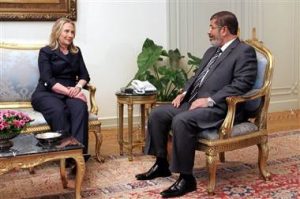
The Nile was a great source of Ancient Egypt's wealth. It provided food, soil, water, and transportation for the Egyptians.


Egypt operates on Eastern European Time (EET), making it an easy destination to coordinate with both Europe and the Middle East. Understanding the local time helps travelers plan arrivals, tours, and connections with ease.
- Standard Time: UTC +2
- Daylight Saving Time: UTC +3
Egypt observes Daylight Saving Time, typically from late April through late October, when clocks move forward by one hour. During this period, Egypt runs one hour ahead of its standard time.
Most international visitors require a visa to enter Egypt, with requirements varying depending on nationality. For short stays, Egypt offers several convenient options:
Tourist Visa
A standard tourist visa allows visitors to stay in Egypt for up to 30 days. This visa can be obtained before travel or upon arrival, depending on eligibility.
E-Visa (Online Application)
Citizens of many countries may apply for an electronic visa online prior to travel. The e-Visa is typically valid for a single or multiple entries and allows stays of up to 30 days. Applying in advance is recommended for a faster airport experience.
Visa on Arrival
Eligible travelers can obtain a visa on arrival at major international airports in Egypt. This option is commonly used for short tourist visits and is issued at immigration counters upon entry.
Visa-Free Entry (Limited Areas)
Some nationalities may enter visa-free for a limited period when traveling exclusively to certain resort destinations. These exemptions are location-specific and do not apply to travel throughout the country.
Passport & Entry Conditions
To enter Egypt, travelers should ensure:
- A passport valid for at least six months beyond the date of arrival
- A confirmed return or onward ticket
- Proof of accommodation or travel plans (recommended)
Visa policies are subject to change, and entry rules depend on nationality and purpose of travel. Travelers are advised to check official Egyptian government sources or consult their local Egyptian embassy before departure.
Egypt’s major airports connect travelers to its historic cities, coastal resorts, and cultural landmarks with ease. Modern, well-serviced, and strategically located, these airports serve as the primary entry points for international and domestic travel across the country.
Cairo International Airport (CAI)
Egypt’s largest and busiest airport, Cairo International Airport is the main hub for global arrivals. Located just outside the capital, it offers extensive international connections and easy access to Cairo’s historic center, museums, and onward travel throughout Egypt.
Borg El Arab International Airport (HBE) – Alexandria
Serving Alexandria and the northern coast, Borg El Arab International Airport is the city’s primary airport for international and regional flights. It provides a convenient entry point to Alexandria’s Mediterranean charm, historic sites, and coastal neighborhoods.
Hurghada International Airport (HRG)
A key gateway to the Red Sea, Hurghada International Airport welcomes travelers heading for beach resorts, diving destinations, and seaside relaxation. It is one of Egypt’s most popular airports for leisure travel.
Sharm El Sheikh International Airport (SSH)
Located at the southern tip of the Sinai Peninsula, this airport serves Sharm El Sheikh and surrounding resort areas. It is especially popular with international travelers seeking Red Sea beaches, coral reefs, and desert landscapes.
Luxor International Airport (LXR)
Luxor International Airport offers direct access to Upper Egypt’s ancient treasures, including temples, tombs, and the Nile Valley. It is a preferred arrival point for travelers focused on history and cultural exploration.
Aswan International Airport (ASW)
Serving southern Egypt, Aswan International Airport connects visitors to Nubian culture, Nile cruises, and some of the country’s most scenic landscapes.
Traveling through Egypt is easier than many visitors expect, with a wide range of transportation options connecting cities, landmarks, and neighborhoods. Whether you’re moving between major destinations or exploring locally, Egypt offers flexible ways to get around that suit different travel styles and budgets.
Domestic Flights
For long distances, domestic flights are the fastest option. Cities such as Cairo, Alexandria, Luxor, Aswan, and Red Sea resorts are well connected by regular air service, making it simple to cover large stretches of the country in a short time.
Trains
Egypt’s rail network is one of the most efficient ways to travel between major cities, particularly along the Nile Valley. Trains link Cairo with Alexandria, Luxor, and Aswan, offering comfortable seating and scenic views. First-class cars are recommended for visitors seeking added comfort.
Taxis & Ride-Hailing Apps
Taxis are widely available in cities, and ride-hailing apps are commonly used for convenient, fixed-price travel. These options are ideal for short trips, sightseeing, and airport transfers. Uber and Careem are also available as ride-sharping apps.
Metro & Trams
Cairo’s metro system provides a fast, affordable way to navigate the capital. In Alexandria, the historic tram network offers both practical transport and a unique local experience, especially along the Corniche.
Buses & Coaches
Long-distance buses connect cities and towns across Egypt, providing an economical travel option. Air-conditioned coaches are widely used and suitable for budget-conscious travelers.
Private Drivers & Tours
Many travelers choose private drivers or guided tours for comfort, flexibility, and local insight—especially when visiting remote sites or planning multi-stop itineraries.
Egypt is generally safe for solo female travelers, especially in popular tourist areas like Cairo, Luxor, and Sharm El Sheikh. But keep these tips in mind:
Dress with Cultural Awareness
While there’s no strict dress code, modest clothing helps reduce unwanted attention and shows cultural respect. Loose-fitting tops, longer skirts or trousers, and covered shoulders are recommended. Carrying a light scarf is useful for mosques and traditional areas.
Choose Smart Transportation
Ride-hailing apps are widely used and offer clear routes and pricing, making them a popular choice for solo travelers. When using taxis, opt for official or hotel-arranged cars whenever possible. At night, door-to-door transport is safer than walking long distances.
Stay in Well-Located Accommodation
Choose accommodations in central, well-reviewed neighborhoods with good lighting and easy access to transport. Hotels and reputable guesthouses often provide helpful staff, security, and local guidance.
Be Confident & Aware
Confidence goes a long way. Walk with purpose, avoid engaging with overly persistent strangers, and trust your instincts. A polite but firm response is usually enough to end unwanted interactions.
Respect Local Customs
Public displays of affection are uncommon, and conservative behavior is appreciated in many settings. Understanding social norms helps interactions remain comfortable and respectful.
Keep Valuables Secure
Use a cross-body bag or anti-theft backpack and avoid displaying valuables openly. Keep copies of important documents digitally and separately from originals.
Use Daytime Exploration Wisely
Sightseeing during daylight hours is ideal, especially for first-time visitors. Organized tours or guides can be a great option for exploring historic sites and busy areas.
Egypt is a year-round destination, but timing your visit can make a meaningful difference in comfort, atmosphere, and the kind of experiences you’ll enjoy. From mild winter days to sun-soaked summers, each season offers its own appeal.
October to April: The Ideal Season
The most popular time to visit Egypt is from October through April, when temperatures are cooler and more comfortable for sightseeing. Days are pleasant, especially for exploring temples, museums, and outdoor sites, while evenings are mild and enjoyable. This period is ideal for:
- Exploring ancient landmarks in Cairo, Luxor, and Aswan
- Walking tours and outdoor markets
- Nile cruises and cultural excursions
Peak months are typically December and January, when weather is at its best and travel demand is highest.
May & September: The Shoulder Months
Late spring and early autumn offer a balance between warm weather and fewer crowds. Temperatures begin to rise, but travel is often more relaxed and flexible. This is a good time for travelers who:
- Prefer quieter sites
- Want better availability and value
- Don’t mind warmer daytime temperatures
June to August: Summer in Egypt
Summer brings high temperatures, especially in southern regions, but it also offers advantages. Coastal destinations such as Alexandria and the Red Sea are popular escapes, and major attractions are less crowded. Summer is well suited for:
- Beach and resort stays
- Early-morning or evening sightseeing
- Travelers comfortable with heat and indoor attractions
A Year-Round Destination
Egypt’s dry climate means sunshine is almost guaranteed, regardless of season. With thoughtful planning, travelers can enjoy Egypt at any time of year—whether seeking cultural discovery, coastal relaxation, or historic immersion.
The most common spoken language in Egypt is Arabic, but most locals understand basic English.
Egypt is predominantly Muslim, with Islam deeply influencing culture, holidays, and community life. Egypt follows the Islamic tradition of five daily calls to prayer (Adhan), which you’ll hear from mosques across cities and towns.
Alongside this, Egypt is home to one of the world’s oldest Christian communities, led by the Coptic Orthodox Church, whose history stretches back to the earliest centuries of Christianity.
Dress Modestly in Public Spaces
While Egypt is diverse and modern, modest clothing is appreciated—especially in religious sites, traditional neighborhoods, and smaller cities. Covering shoulders and knees is a simple way to show respect and avoid unwanted attention.
Greetings Matter
A friendly greeting goes a long way. A polite “hello” or a smile is always welcomed. Handshakes are common, though some people may prefer not to shake hands with the opposite gender—waiting for the other person to initiate is considered respectful.
Respect Religious Customs
Egypt is deeply influenced by religious traditions. Be mindful during prayer times, avoid loud behavior near mosques, and dress appropriately when visiting places of worship. Photography inside religious buildings should only be done when permitted.
Public Behavior & Personal Space
Public displays of affection are uncommon and best avoided. Interactions tend to be social and conversational, but maintaining respectful boundaries is appreciated, especially in formal settings.
Hospitality & Invitations
Egyptians are famously hospitable. If you’re offered tea or coffee, accepting is seen as polite, even if just for a short visit. If declining, doing so kindly is important.
Photography Awareness
Always ask before photographing people, particularly in rural areas or traditional settings. Some sites may restrict photography, and respecting signage is essential.
Drinking Culture
Yes—alcohol is legal in Egypt and available in licensed venues. Hotels, resorts, upscale restaurants, bars, and clubs commonly serve beer, wine, and spirits, particularly in major cities and tourist destinations. READ 5 Things To Know About The Drinking Culture In Egypt
The official currency of Egypt is the Egyptian Pound, abbreviated as EGP and commonly written as LE (from livre égyptienne). It is the standard form of payment throughout the country, used for everything from hotels and restaurants to transportation and local markets.
Most major banks and commercial areas feature ATMs that accept international cards (Visa, Mastercard, and sometimes others). You’ll find them at:
- Banks and financial centres
- Shopping malls and supermarkets
- Around major squares and transport hubs
- Near popular tourist areas and hotels
Tipping:
Some restaurants include a service charge on the bill, but this does not always go directly to staff. Leaving a small additional tip for good service is still common.
Tipping, known locally as baksheesh, is common and expected in Alexandria for many everyday services. Tipping is customary for:
- Café and restaurant staff
- Hotel porters and housekeeping
- Taxi drivers (rounding up the fare is common)
- Tour guides and drivers
- Bathroom attendants and service helpers
How Much to Tip
- Small services: a few Egyptian pounds
- Cafés and casual restaurants: 5–10% or rounding up
- Restaurants with table service: 10% if service charge isn’t included
- Hotel staff: small daily tips are appreciated
In Egypt there are two associated plug types: C and F. Plug type C is the plug which has two round pins and plug type F is the plug which has two round pins with two earth clips on the side. Egypt operates on a 220V supply voltage and 50Hz.

Tap water in Egypt is not recommended for travelers to drink. While it is treated and considered safe for locals, it can contain minerals and bacteria that visitors are not accustomed to, which may cause stomach discomfort.
What Travelers Should Do
- Drink bottled water for drinking and brushing teeth
- Use bottled or filtered water for making tea or coffee
- Avoid ice unless you are sure it is made from purified water
Bottled Water Availability
Bottled water is widely available and inexpensive throughout Egypt, including hotels, restaurants, supermarkets, and convenience shops.
In Hotels & Restaurants
Most hotels provide bottled water for guests, and reputable restaurants use filtered water for food preparation.
Wi-Fi is widely available in Egypt and easy for travelers to access.
Most hotels, cafés, restaurants, and shopping malls offer free Wi-Fi for guests. Connection quality is generally good in hotels and modern venues, though speeds may vary in smaller cafés or busy areas.
Many travelers choose to purchase a local SIM card on arrival for reliable internet access throughout the city. Egypt’s major mobile providers offer affordable data plans with good coverage throughout the country.
Egypt is generally safe for visitors, including LGBTQ+ travelers, but it is important to understand the local legal and cultural context before visiting.
Egypt is a socially conservative country, and same-sex relationships are not openly accepted in public life. While homosexuality is not explicitly illegal, public expressions of LGBTQ+ identity or affection can attract unwanted attention and, in rare cases, legal issues.
- Most LGBTQ+ visitors travel without incident by being discreet and respectful of local norms
- Public displays of affection, regardless of orientation, are uncommon and best avoided
- There is no visible LGBTQ+ scene, nightlife, or openly queer venues
- Discussions about sexual orientation or gender identity are usually kept private
Practical Tips
- Keep personal relationships private in public spaces
- Avoid sharing sensitive personal information with strangers
- Choose international or well-reviewed hotels for comfort and discretion
- Use the same general safety precautions recommended for all travelers
Clothing
- Lightweight, breathable tops
- Long pants or maxi skirts (for heat + modesty)
- One or two loose long-sleeve shirts
- Comfortable outfits for evenings
- Modest outfit for mosques and religious sites
- Sleepwear
- Underwear & socks
- Light jacket or sweater (cool evenings, air-conditioned spaces)
- Scarf or shawl (sun, dust, religious sites)
Footwear
- Comfortable walking shoes or trainers
- Sandals or flip-flops
- Dressier shoes (optional, for evenings)
Toiletries & Health
- Sunscreen (high SPF)
- Sunglasses
- Hat or cap
- Personal medications
- Hand sanitizer & wet wipes
- Tissues (very useful locally)
- Lip balm & moisturizer (dry climate)
- Basic first-aid items
Travel Essentials
- Passport (with visa or e-Visa if required)
- Printed & digital copies of documents
- Travel insurance details
- Phone + charger
- Power adapter (Egypt uses Type C & F plugs)
- Portable power bank
- Reusable water bottle
Money & Security
- Egyptian pounds (small bills preferred)
- Debit/credit card
- Money belt or secure cross-body bag
- Anti-theft backpack (optional)
Day-to-Day Extras
- Small backpack or day bag
- Camera or phone with good storage
- Travel guide or offline maps
- Snacks for long days or transport
- Notebook or journal
Optional but Helpful
- Modest cover-up for women
- Swimsuit (Red Sea, hotel pools, beaches)
- Light scarf for dust or sun
- Laundry bag
A TIMELINE OF EGYPT'S HISTORY
Pyramids of Giza were constructed.

Egypt is introduced to Christianity and becomes the major religion by the 4th century.
Egypt is introduced to Christianity and becomes the major religion by the 4th century.
Muslim conquest of Egypt began, overseen by the Rashidun Caliphate. The Rashidun Caliphate was the first of the four major caliphates established after the death of prophet Muhammad.
Cairo is established as the capital of Egypt by the Fatmid Dynasty.
Egypt is taken into the Turkish Ottoman Empire, as a result of the conquest of Mamluk Egypt.
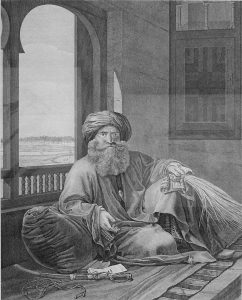
Napoleon Bonaparte attempts to take over, but is resisted by the Turks and the British.
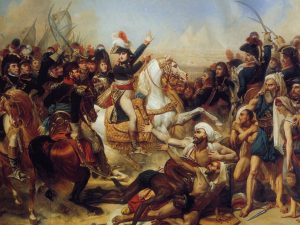
Suez Canal is built, nearly bankrupting Egypt along with various other infrastructures, leading to British conquest.
Due to the declaration of war with the Ottoman Empire, which Egypt was only slightly a part of, in 1914 Britain declared a Protectorate over Egypt.
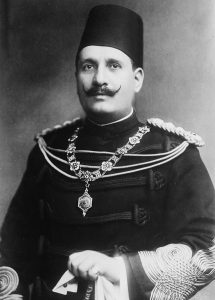
Independence is restored, and Fuad I becomes king. British influence still remains significant until the 1950s.
President Anwar El Sadat goes to Israel to begin works on 1979 Peace Treaty
President Anwar El Sadat is assassinated by Islamic extremists in light of anti-government riots. Vice President Hosni Mubarak succeeds him, and reimposes state of emergency, which restricted freedom of expression and political activity.
Fall of President Mubarak begins. Encouraged by Tunisian street protests, anti-government demonstrations begin due to high unemployment, poor living conditions, and political corruption.
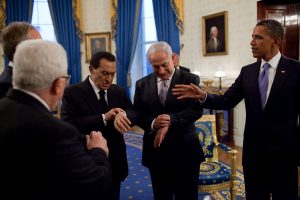
Mohamed Morsi, a Muslim Brotherhood candidate, just barely wins election. Yet, it was an extremely short lived presidency, as in 2013 he was overthrown by the army, and the Muslim Brotherhood is declared a Terrorist organization. In 2014, former army chief Abdul Fattah al-Sisi wins the presidential election, and wins the next term in 2018.