My world was filtered through the mind of an artist or a writer rather than my own.
I came to Japan with a certain mindset; a mindset that came to me as a result of losing myself in Japanese literature. In the weeks leading up to my flight to Japan, I had decided to brave a selection of Japanese stories in preparation for my 10-week stay. I eagerly combed through popular novels, read on Japanese aesthetics, and visited contemporary Japanese galleries. And so, by the time I marched onto the plane with my third Murakami text in hand, I was lost in the fuzzy dream of Japanese magical realism.
I came to Japan with my head in the clouds. I wanted to see the misty stone-lade paths of the Geisha district and the slouching willows that would brush against smoky teahouses. Streaming in my head were scenes taken from Arthur Golden’s Memoirs of a Geisha, and Kano Eitoku’s folding screens. I was ready to see the magic and beauties I had read all about. But somehow, Japan was not quite ready to show me.
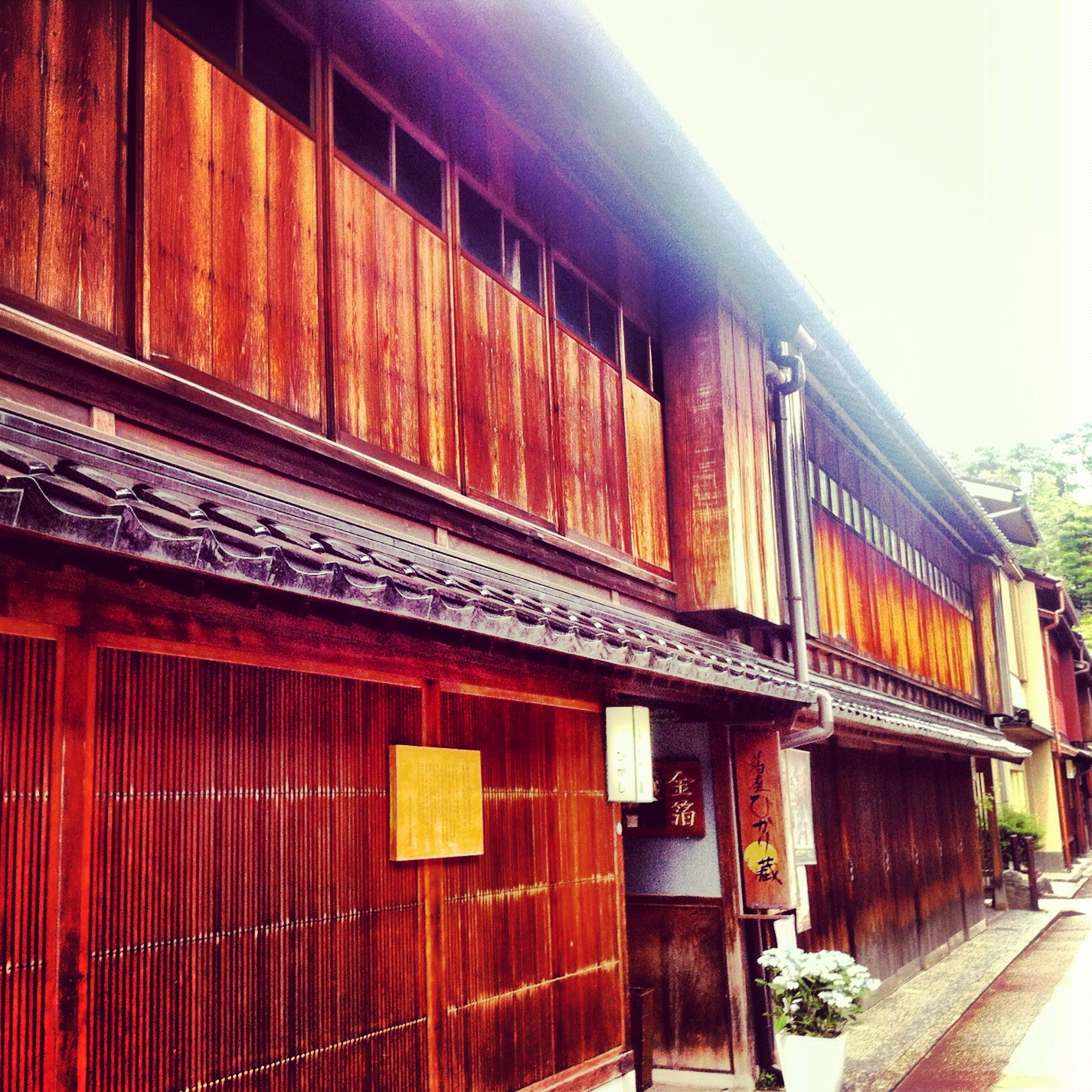
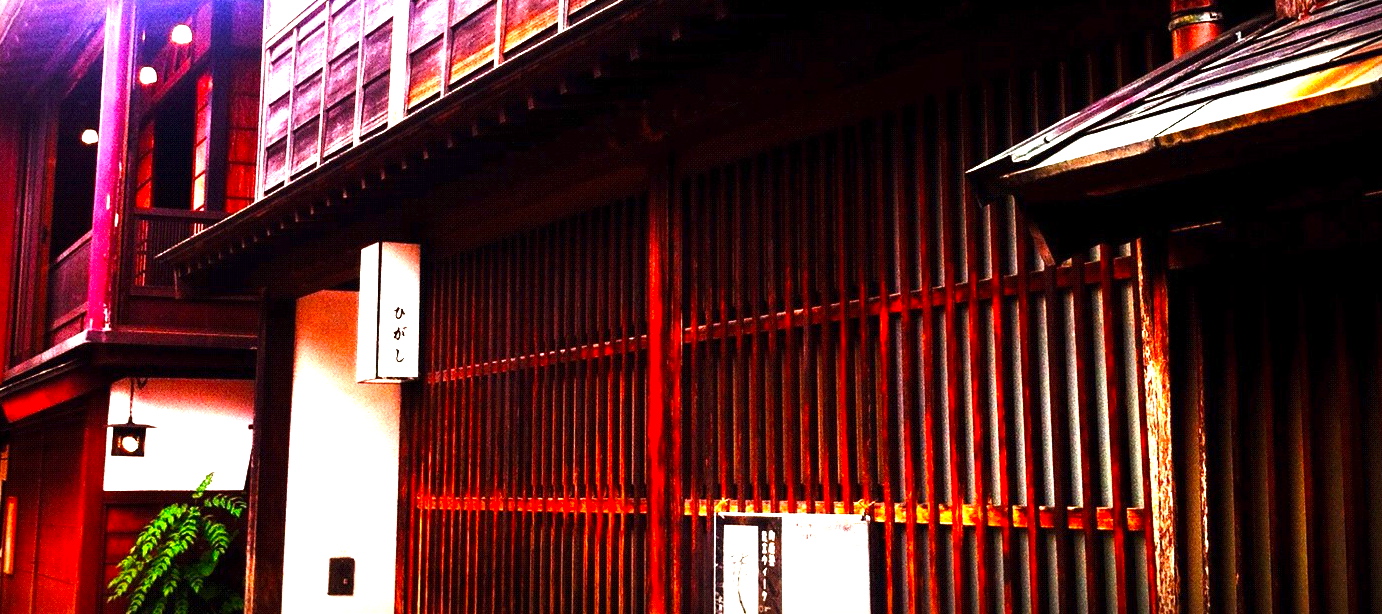
This realization donned upon me when I visited Higashi-Chaya. When my host family and I stepped out of their Prius, the geisha district was reverberating in a foggy limbo. The streets were emptied of the geisha and functional okiya (geisha boarding houses) that once filled the wide street. Walking the district with camera in hand, I tried to imagine the hustle and bustle during the Edo period. I tried to superimpose mental images of geisha slipping through the paper doors from appointment to appointment, the rickshaws clinking along the stone streets and the bubbly businessmen, but somehow, what I saw in my head didn’t hit home. What I wanted to see couldn’t be seen. Where I wanted to be, wasn’t where I was.
I guess you could say I was disappointed. And so, when we returned home, I decided to empty my thoughts and frustrations to my host mom. After listening to me explain, in my broken Japanese, the disparity between what I had in mind and what I saw that afternoon, she just nodded. I don’t think she really understood, because she proceeded to tell stories about the geisha before her time – something to do with the locals telling rumors and sharing gossip about what goes behind the screened doors. Of course, I only understood about half of it.
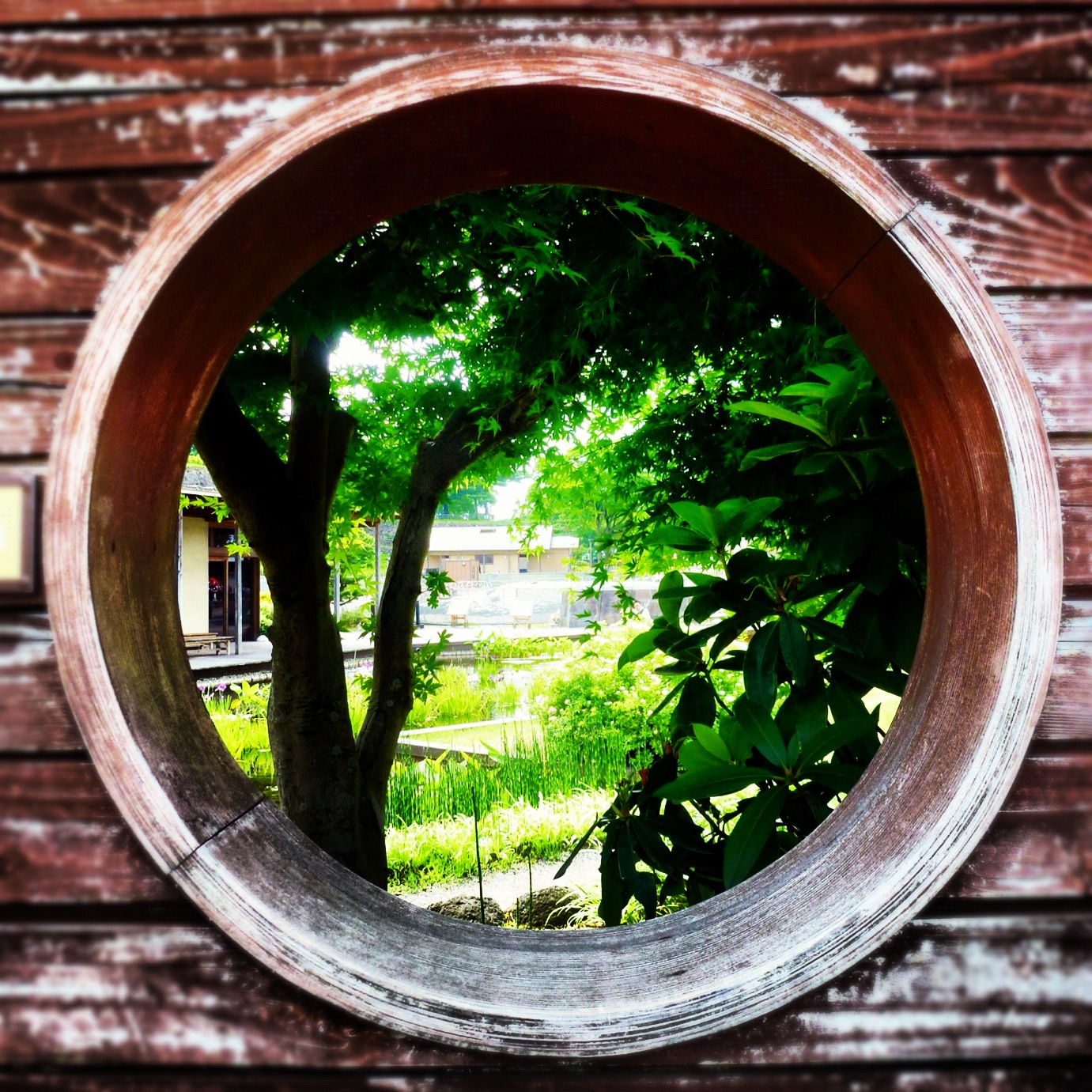
Yet, the more I thought about my host mom’s stories, the more mysterious the Kanazawa geisha had become to me. Even though the geisha district was largely empty, the fantasies of the Edo geisha remained to tease the curious. The elusiveness of their existence, indeed seemed to surpass that of the stories that were hidden in the books. And so, it occurred to me that I was out of touch with the present. While it had become a plan of mine to read Japanese novels in the time I was in Japan, I had let the magical literary worlds cloud my experience; I had set out to bathe myself in the world that was depicted in ink rather than the one I could see, touch, smell, taste and hear. In that sense, physically being in Japan was secondary to losing myself in literature. Somehow, my experience in Japan was to support an abstract world of all things Japanese that I’d craft for myself throughout my years of studying Japanese art, culture and thought. I arrived ready to utilize my 10-week experience to facilitate my greater ideal of achieving a wholesome understanding of Japan.
And yet somehow, that mindset had trapped me in a sleepy state of conscience. Everything I came across somehow lacked the authenticity it should have carried. My world was filtered through the mind of an artist or a writer rather than my own. Perhaps traveling with such a mindset brings rewards of its own, but in doing so, it may become easy to forget the present and the treasure ahead of our eyes.