“World change starts with educated children.”
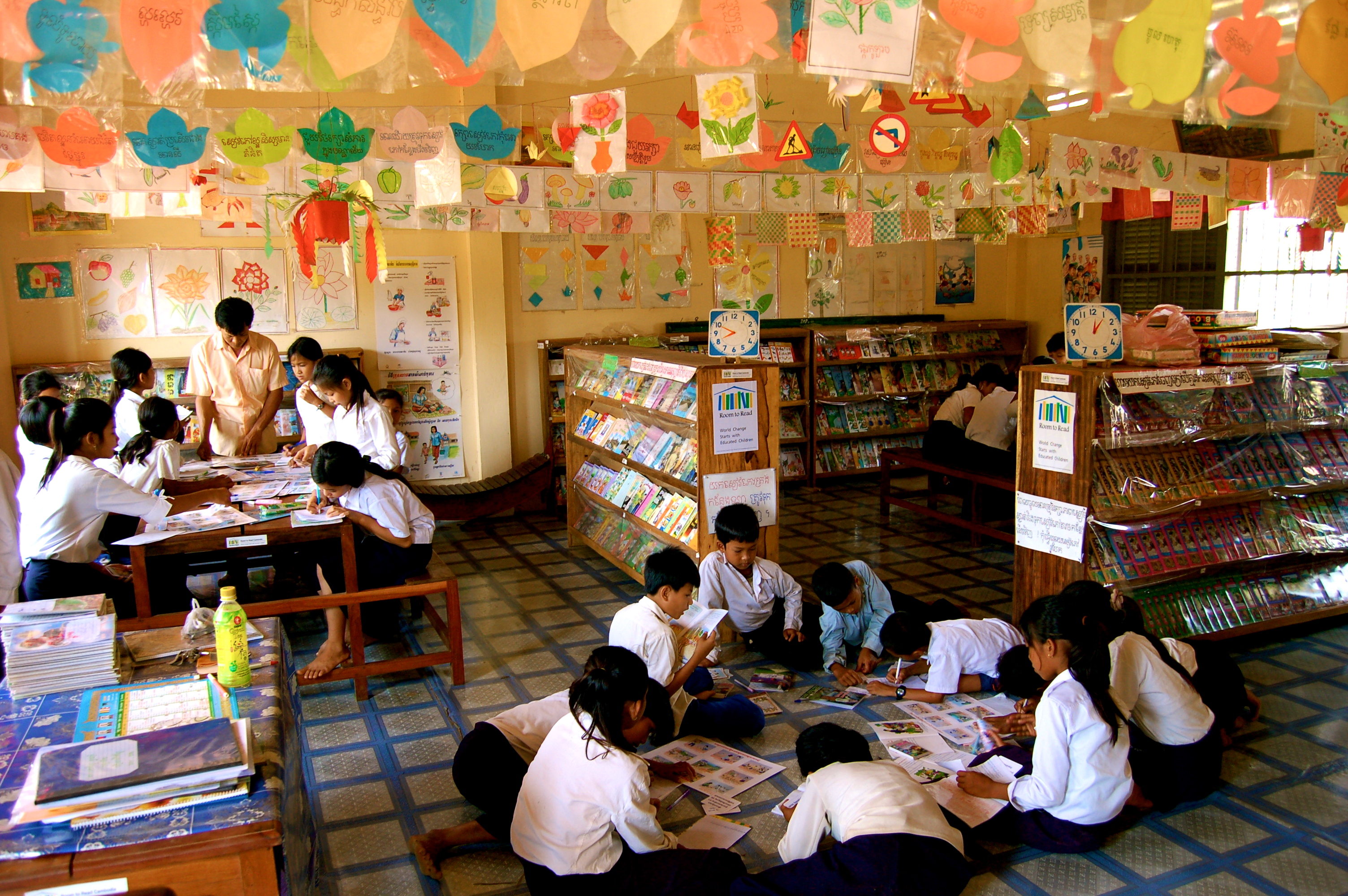
In 1998, John Wood, who was Microsoft’s Director of Business Development, took a vacation through a Himalayan village. He came across a school with less than 20 books and they were locked away from local students. He contemplated a life change and started Books for Nepal while making calls to friends, asking for book donations. Soon, Books for Nepal morphed into Room to Read, now one of the most well-run non-profit organizations worldwide. He wrote the book, Leaving Microsoft to Change the World, to share his story. When people read his journey, they wanted to help and expanded Room to Read from Nepal and Vietnam to: Bangladesh, Cambodia, India, Laos, South Africa, Sri Lanka, and Zambia.
 Founded in 2000, “world change starts with educated children” has always been the motto at Room to Read. Since then, it has evolved from a small, organic organization that operated on a grassroots style to a budget that is expected to reach $44 million this year. It showcases the support that Room to Read has received from around the world. Its vision has always been clear, getting books to the hands of children. There are 60 million kids in the developed world who are not presently in school. Room to Read has affected the lives of six million children thus far. While they have reached 10% of their goal in a short span of time, they have reached 10% of their goal, the founders of the organization will not rest until the objective is complete. The project is ongoing, getting as many books into the hands of as many children as possible has been reached.
“People understand that education is the key ingredient to all the other problem facing the developing world,” Lisa Thompson, Development Manager for Chapters and Volunteers at Room to Read explains, “if you educate a woman just one year beyond her average in that country, her income increases 10-20%.” Providing education to children, decreases AIDS transmission and mortality rates. Room to Read’s programs focus on two areas: educating girls through secondary schools and on primary schools for boys and girls. What has made their programs extremely successful is the way they do their work by hiring locals, a high return on investment, and donors know exactly where their money is going to. Not many non-profit organizations create culturally relevant programs, Room to Read does just that by establishing a book publishing program that has released 777 titles in 27 languages.
Suma, a Nepalese girl, who endured six years of abuse in various homes, just as a multitude of young girls in her country trapped in the Kamlari system (where families of poverty sell their daughters to labor in wealthier families, typically in cities) was accepted into Room to Read’s Girls’ Education Program. Room to Read convinced Suma’s employed family to allow her continuance in education by attending school. Although still employed as a maid, Suma received the education she needed and attended seventh grade at the age of 16. The skills she received through mentor programs and lifeskill workshops have benefited her throughout her life. Now at the age of 19, she wrote a song about the importance of education and performed that song at Women of the World Conference in New York City, in front of the likes of Hillary Clinton.
The power machine behind the success of Room to Read, besides its fueled operational model, is a 50 chapter global network globally that contains 10,000 leaders and volunteers. From Tokyo to Australia, Room to Read’s chapters and volunteers network raise 30% of the revenue every year. This particular network has been a key ingredient, motivated by passion and the tangibility of knowing exactly where the money is going to, this has permitted volunteers to inspire their friends, families and employers involved. “Being able to see the work is very important,” Lisa indicates, “I always tell each chapter meeting to start with a video, a quote or statistics. I think being able to see the joy on a child’s face when they receive a book in their own language is imperative. Our chapters work well because we make it fun. There’s a social aspect of volunteering, if we make it exciting, then they become even more passionate.” From bike rides to raise money for libraries, or organizing comedy shows in San Francisco; Room to Read is known for its passionate volunteers who will devote more than 10 hours a week to raise awareness for the cause.
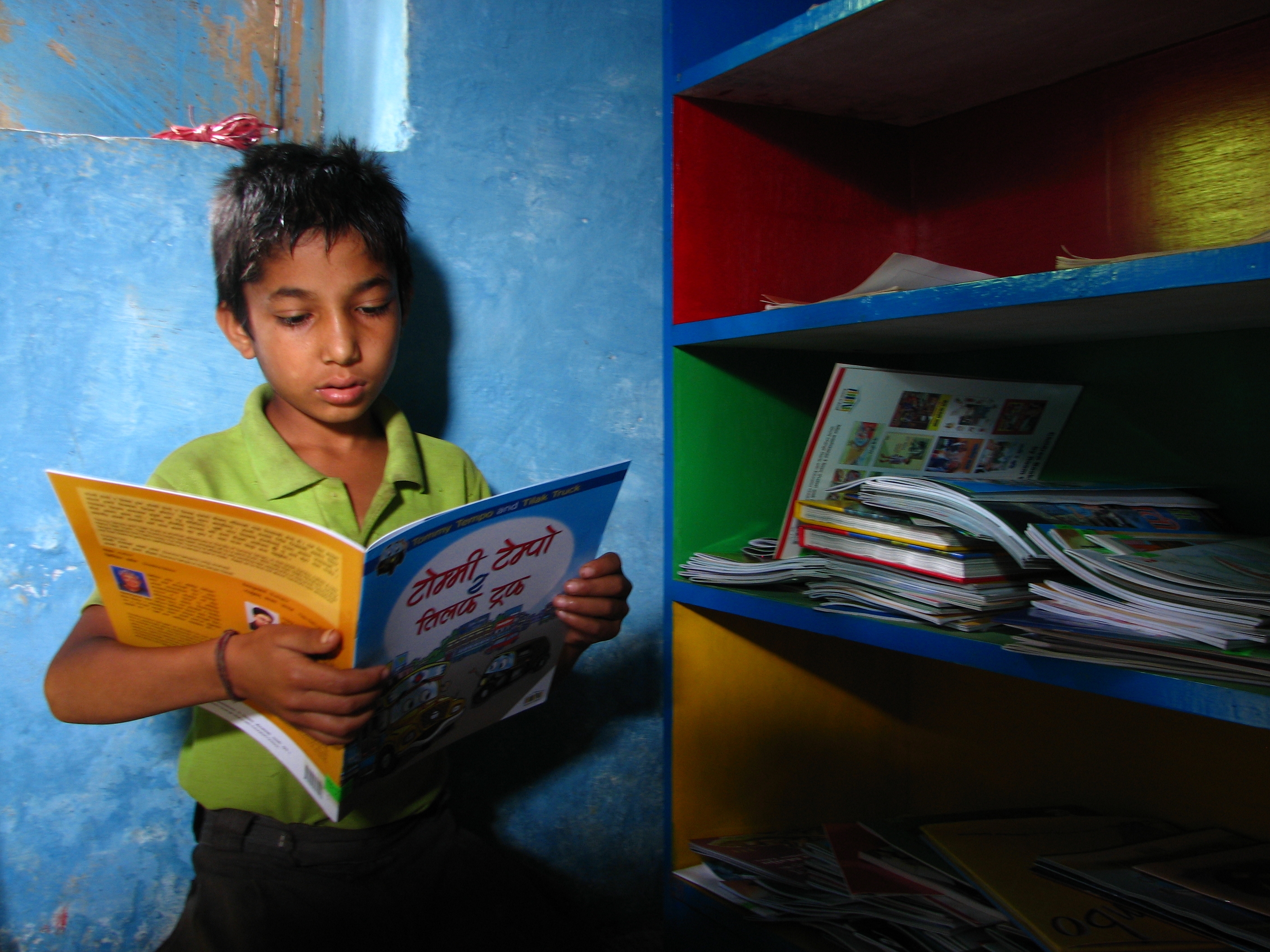
There are various way to help and education children with Room to Read. It costs $250 per year to keep a girl in a secondary school. It pays for one girl’s education for a year, including her books, transportation, mentors in her community, tutoring, lifeskill workshop that teaches her tough questions she may encounter. This is the easiest way for anyone to be involved. If there are donors who want to publish a book and have his or her name printed on the front pages, $15,000 goes into: workshops, authors, illustrators, producing 9,000 copies. Fundraising activities can also gear toward building a library for $20,000 with the donor’s name on a plaque, with the cost covering: land, building the library and training local librarians.
For Lisa, “it’s the passion of the volunteer network that fuels me. Education, in general, and working for the cause excites me. Getting up in the morning, being able to work with committed leaders and volunteers motivates me. My job is to support them, because without them, we could never have been able to nearly reach where we are at now.” In the simplest form, $250 is one night of a fine-dining experience, but it can also go toward providing one year of an education for a young girl in the developing world. From this perspective, we must ask ourselves, why aren’t we helping?
For more ways to help, visit Room to Read.