The Stonewall uprising in 1969, was the spark that ignited what is now over fifty years of fervent change, for a community that, throughout history, has been and continues to be marginalized and oppressed.
On a summer night in 1969, New York City police raided the Stonewall Inn, a bar and club located in Greenwich Village. It served as a haven for the city’s gay, lesbian, and transgender community. The raid, which began on June 28, 1969, sparked a riot among guests, employees, and neighborhood residents as police violently and roughly forced individuals out of the bar, leading to six days of protests and violent clashes with law enforcement in neighboring streets where the gay bar was located.
Today, these riots are often referred to as the catalyst for the gay rights movement in the United States and even around the world. Here is everything you need to know about this benchmark moment for the LGBTQ+ Movement.
History of Gay Rights Organizations

According to History.com the first documented U.S. gay rights organization, The Society for Human Rights (SHR,) was founded in 1924 by Henry Gerber, a German immigrant. Police harassment and raids forced the organization to disband the following year, but not before they were able to publish several issues of their newsletter entitled “Friendship and Freedom.” This was the country’s first gay-interest newsletter.
Similarly, the first American lesbian civil and political rights organization, The Daughters of Bilitis (DOB,) was formed in San Francisco in 1955 as a response and social alternative to lesbian bars which were also subject to raids and police harassment.
Raids at Gay Bars
The Stonewall Inn being raided by the police in 1969 was nothing new for the LGBTQ+ community. The 1960s and preceding decades were not welcoming times for gay, lesbian, bisexual, and transgender people. For such reasons, LGBTQ+ individuals would meet at gay bars and clubs that became places of refuge where they could express themselves openly and socialize without worry.
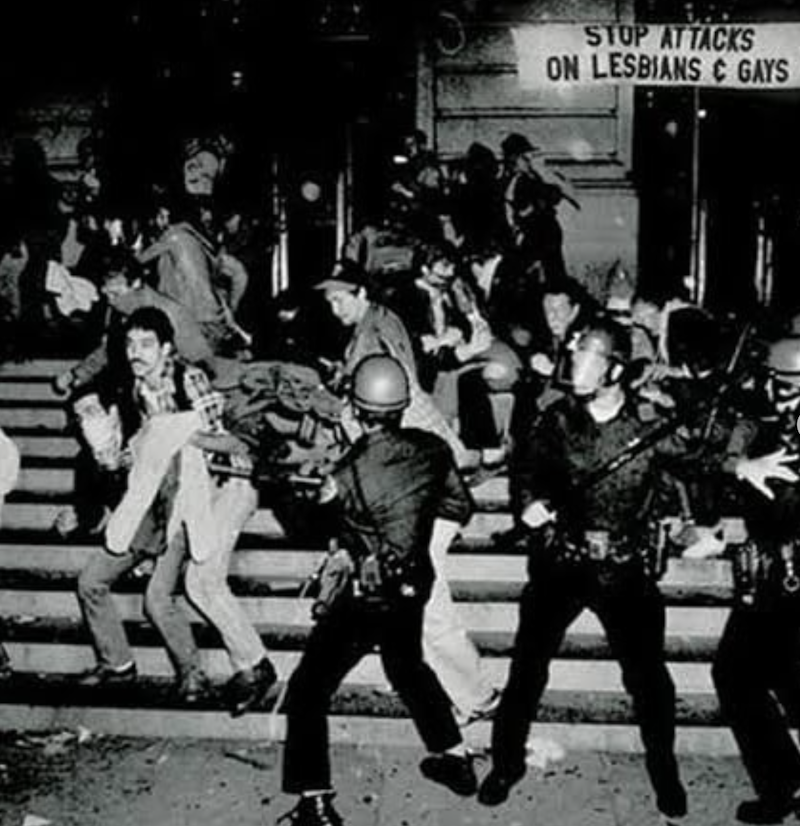
When news of gay bars and clubs became public and widely known, the New York State Liquor Authority penalized and shut down establishments that served alcohol to known or suspected LGBTQ+ individuals, arguing that the gathering of said individuals was “disorderly” and dangerous.
This was also influenced by the fact that “solicitation of same-sex relations” was illegal in New York City at the time.
Thanks to activists’ efforts, these regulations were eventually overturned in 1966 and LGBTQ+ individuals could now be served alcohol. With this being said though, engaging in any public displays of affection, including: dancing, holding hands, or kissing with someone of the same sex was still illegal. Because of this, police harassment and other acts of homophobia towards gay individuals and bars continued, but many bars still operated without liquor licenses in part because they were owned by the Mafia.
The Stonewall Inn and The Mafia
The Italian-American Mafia saw profit in catering to the LGBTQ+ community. By the mid-1960s, the Genovese crime family, one of the “Five Families” that dominated organized crime in New York City and New Jersey as part of the American Mafia, controlled most of the Greenwich Village gay bars.
In 1966, they purchased the Stonewall Inn. All within a year, renovated it and reopened as a gay bar. The Inn was registered as a private “bottle bar,” which did not require a liquor license because guests were supposed to bring their own alcohol. Club attendees were required to sign their names in a book upon entry to maintain the club’s false exclusivity, while the Genovese family would bribe New York’s Sixth Police Precinct to ignore the activities occurring within the club.
Without frequent police interference, the gay club quickly became an important stomping ground, as it was large, relatively cheap, and welcomed all peoples, even drag queens who often received a bitter welcome at other gay bars and clubs. Most notably, it was one of the few – if not the only – gay bars left that had allowed dancing as well.
Raids still occurred, but many cops would tip off the Mafia-run bars before they occurred, allowing owners to stash the alcohol and hide other illegal activities. In fact, the NYPD had stormed the Stonewall Inn just a few days before the riot -inducing raid had actually occurred.
June 28th, The Stonewall Riots Begin
When police raided Stonewall Inn on June 28th, it came as a surprise since the bar was not tipped off this time. Armed with a warrant, police officers entered the club, found guests with alcohol, arrested 13 individuals including employees and others violating the state’s gender-appropriate clothing statute. Female officers even took suspected cross-dressing guests into the bathroom to check their sex.
Fed up with constant homophobia, police harassment, and social discrimination; angry guests, employees, patrons, and neighborhood residents stayed around the outside of the bar rather than dispersing, becoming increasingly agitated as the events unfolded and people were aggressively manhandled by the police.
At one point, an officer struck a lesbian over the head then forced her into a police van while she shouted to onlookers to act, initiating the crowd to throw bottles, stones, pennies amongst other objects at the police. Within minutes, a full-blown riot involving hundreds of people began.
The police, journalists and individuals barricaded themselves in the bar, with which the crowd attempted to set on fire after breaching the barricade repeatedly. The fire department and a riot squad were eventually able to douse the flames and disperse the crowd, but the protests, sometimes involving thousands of people, continued.
Activists and members of the LGTQ+ community continued to gather near Stonewall, taking advantage of the moment to spread information and build upon the community that would fuel the growth of the gay rights movement for the following five days.
Homophobic Media Coverage
It is also extremely important to note the newspaper coverage at this time from major media outlets like Village Voice and New York Daily News, both resorted to homophobic slurs in its detailed coverage.
Homophobic language, however, was nothing new, as there is an extensive history of major media outlets using this oppressive and discriminating language to refer to individuals and the LGBTQ+ community as a whole.
In response to this coverage of the riots, protestors swarmed outside the offices, some even calling for the burning down of the buildings. When the police pushed back, rioting started again, but lasted only a short time, concluding by midnight.
Historical Legacy of Stonewall
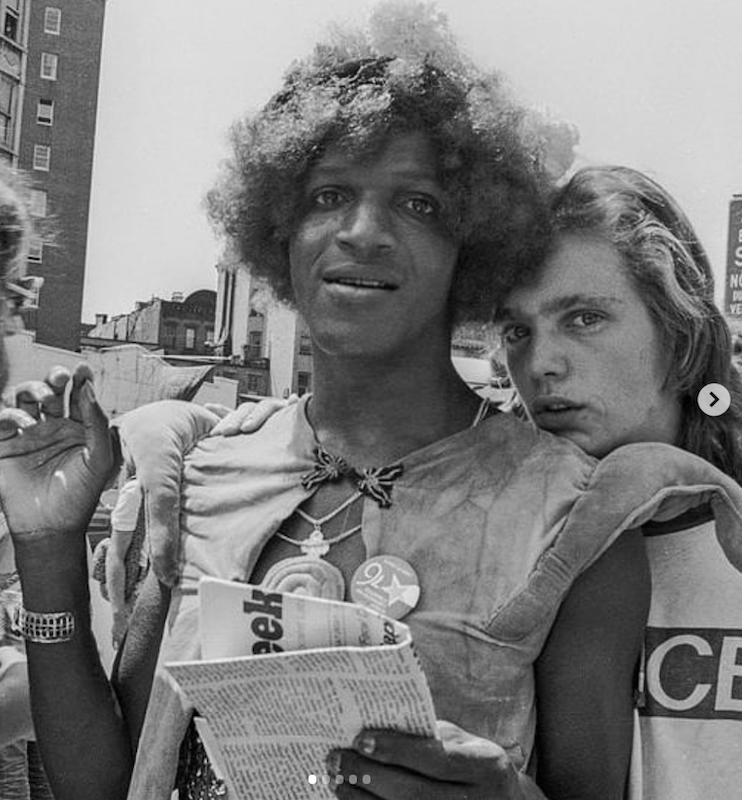
Although the Stonewall uprising was not the beginning of the gay rights movement, it quickly became the galvanizing force for LGBTQ+ political activism, leading to numerous gay rights organizations.
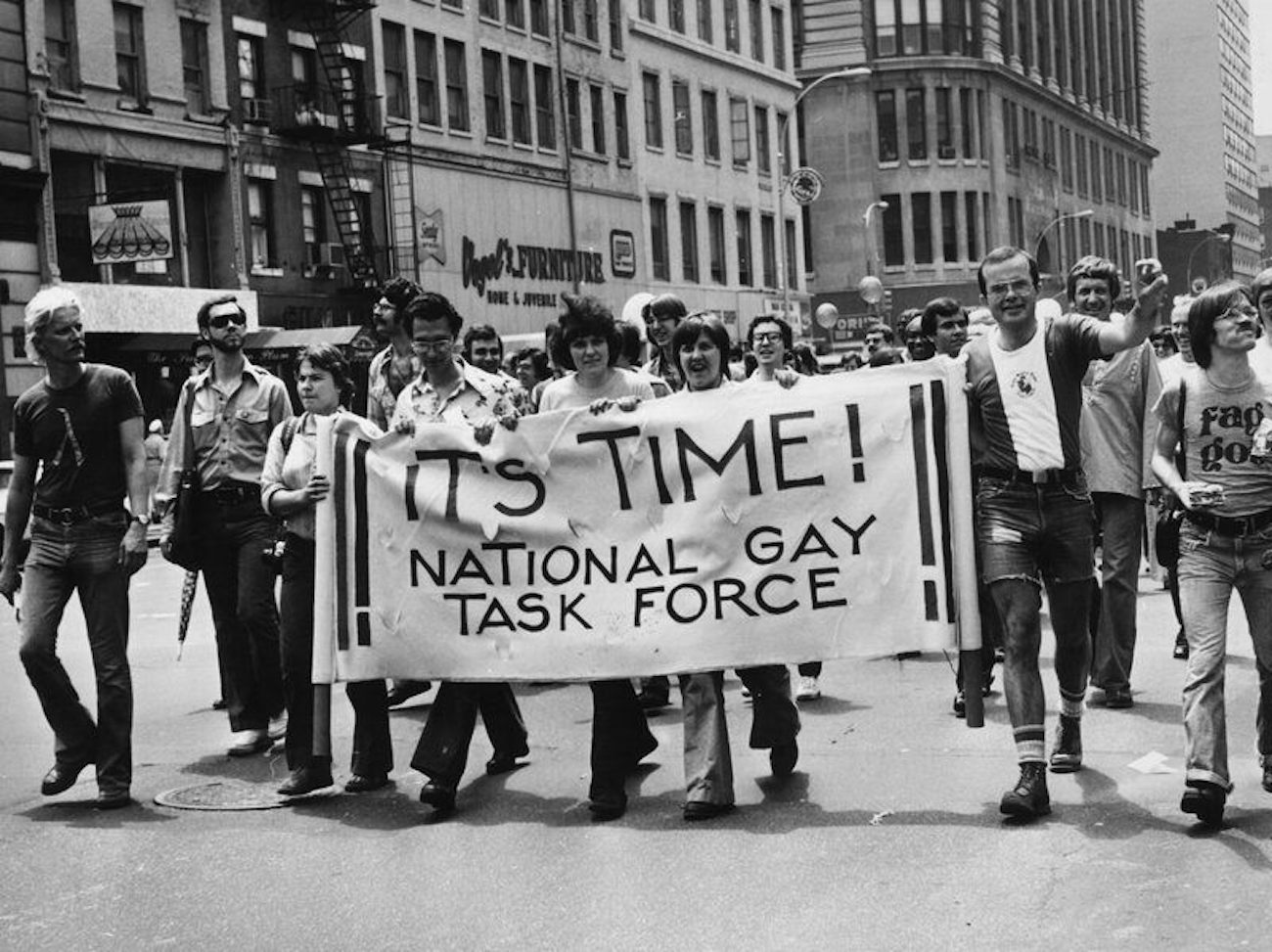
The momentum of the riots’ impact was fast. On June 28, 1970 – the one-year anniversary of the riots – thousands of people joined together to march the streets of Manhattan, from the Stonewall Inn to Central Park, in what was then called “Christopher Street Liberation Day.”
This was America’s first gay pride parade, with the official chant being: “Say it loud, gay is proud!”
In 2016, then-President, Barack Obama, designated the site of the riots, specifically Stonewall Inn, Christopher Park, and the surrounding streets and sidewalks as a national monument in recognition of the area’s significance and contribution for and to gay rights.
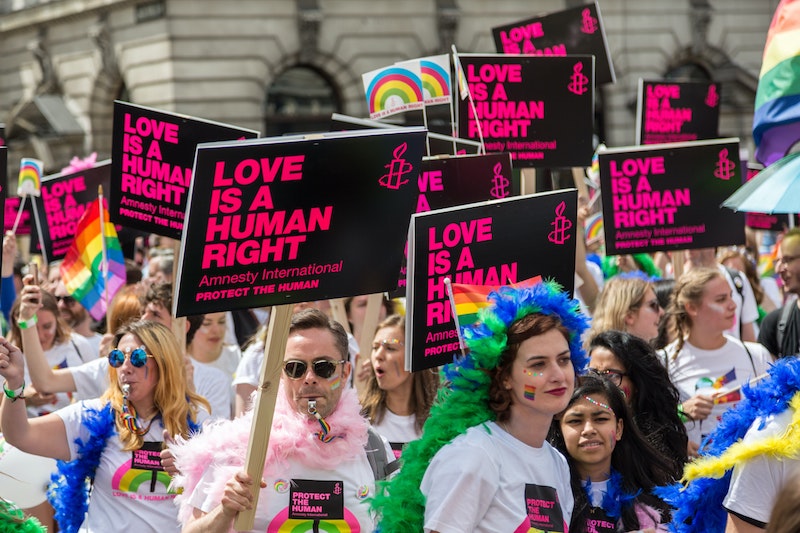
Stonewall was the spark that ignited now over fifty years of fervent change, for a community that, throughout history, has been and continues to be marginalized and oppressed.