It was an unlikely partnership, but between New York City’s LGBTQ+ community in the 1960s being forced to live on the outskirts of society, and the Mafia’s disregard for the law; the two made a profitable match.
In the second half of the 20th century, New York City saw a boom in organized crime, with New Jersey and New York at the epicenter of mob rule in the United States. At the same time, the gay community in the city grew as well, but members had very few places to gather out in public.
Oppressed, shunned, and discriminated against by broader culture and society; LGBTG+ individuals were eager for any spot where they could safely come together and express themselves freely. Going to a bar was dangerous though, since at the time, it was illegal to serve gay individuals alcohol, have any homosexual public displays of affection, and for two men or two women to dance together. Under New York State’s Liquor Authority, the New York Police Department regularly raided bars that catered to gay patrons. Hence, the Mafia saw this as a golden business opportunity.
Since the early days of Prohibition, when alcohol was outlawed, the Mafia controlled much of New York City’s nightclub businesses, with special expertise in its illegal fringes. The Genovese family, one of the so-called “Five Families” that dominated organized crime in New York City and in New Jersey, controlled Manhattan’s West Side bar scene, including Greenwich Village where the LGBTQ community was taking root. The Mafia thus was slowly introduced to a whole new audience who wanted to go to bars or clubs that catered to this marginalized community.
What followed were years of financial exploitation while the New York Police Department completely ignored the LGBTQ+ community’s concerns, safety and well-being.
By the 1960s, the Mafia was well established in this business and in 1966, a member of the Genovese family, Tony Lauria, also known as “Fat Tony,” purchased the Stonewall Inn then transformed it from a bar and restaurant that only catered to straight clientele, into a gay nightclub.
Stonewall quickly became the go-to destination, however, it was known for being both dirty and dangerous, operating without running water behind the bar, glasses not being cleaned properly, toilets not functioning right, and even lacking a fire or emergency exit. Despite its less-than-ideal conditions, Stonewall remained extremely popular as it was the one of the only places where gay people could openly dance together, drag queens could perform, and homeless LGBTQ+ youths and others could safely gather.
In order to operate its gay bars, the Mafia would bribe the NYPD. “Fat Tony,” for instance, paid New York’s 6th Precinct an estimated $1,200 a week in exchange for the police agreeing to disregard the activities going on at Stonewall amongst other gay bars. Police would still raid the LGBTQ+ establishments, but they would do so after they tipped off the owners, who then had time to hide the alcohol and temporarily shut down other activities.
Raids often occurred in early afternoons when few customers were present, so businesses had enough time to resume normal operations by the night. In his book, Stonewall: The Riots That Sparked the Gay Revolution, David Carter explains that during a typical raid, bar owners would warn customers to stop dancing and drinking by changing the lights from blue to white.
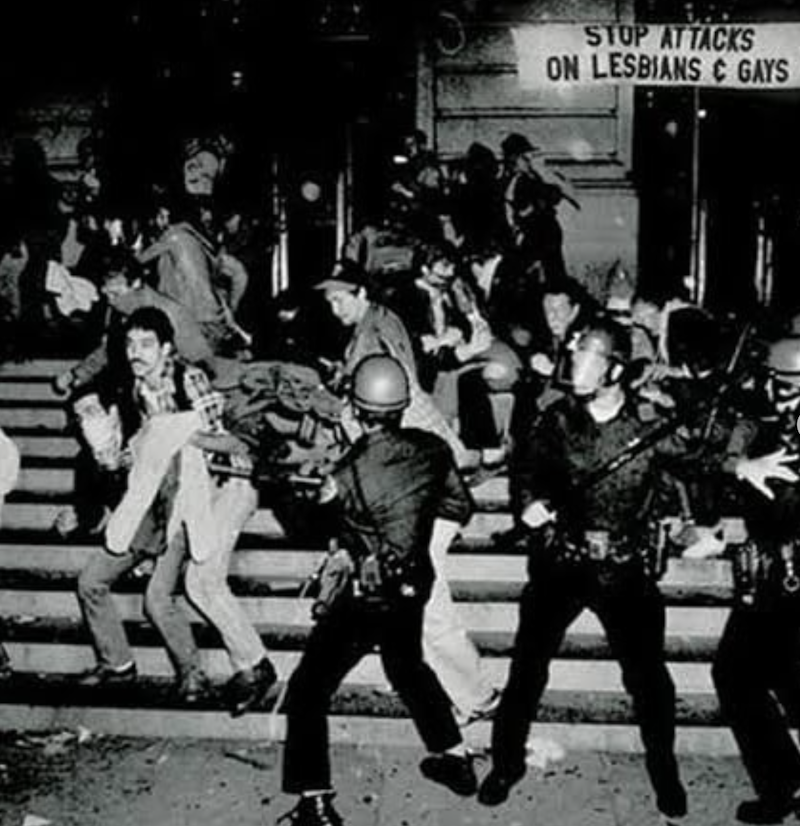
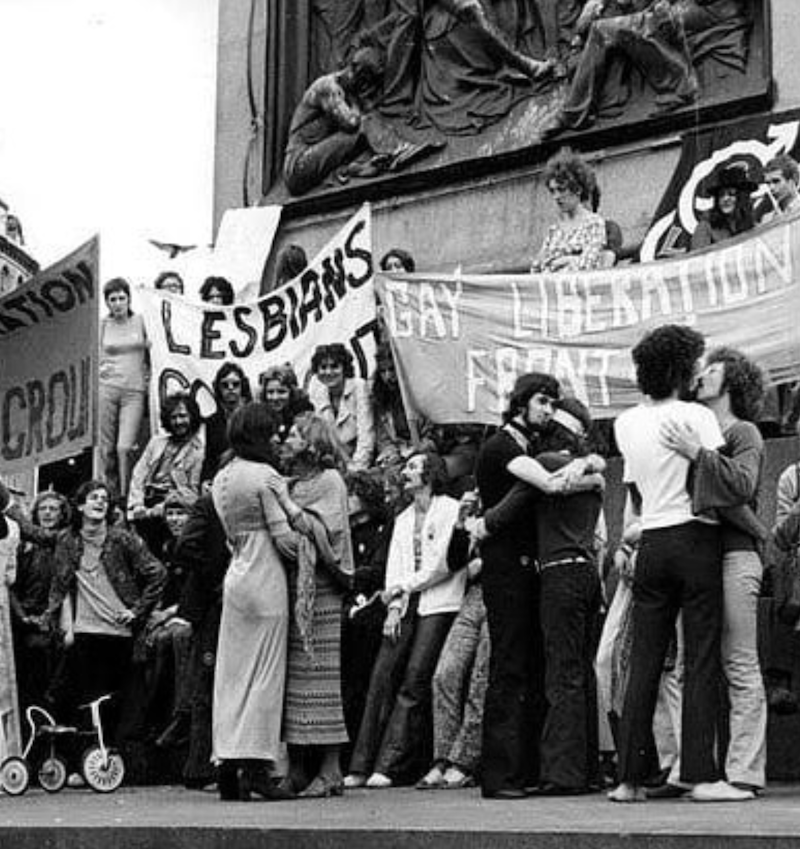
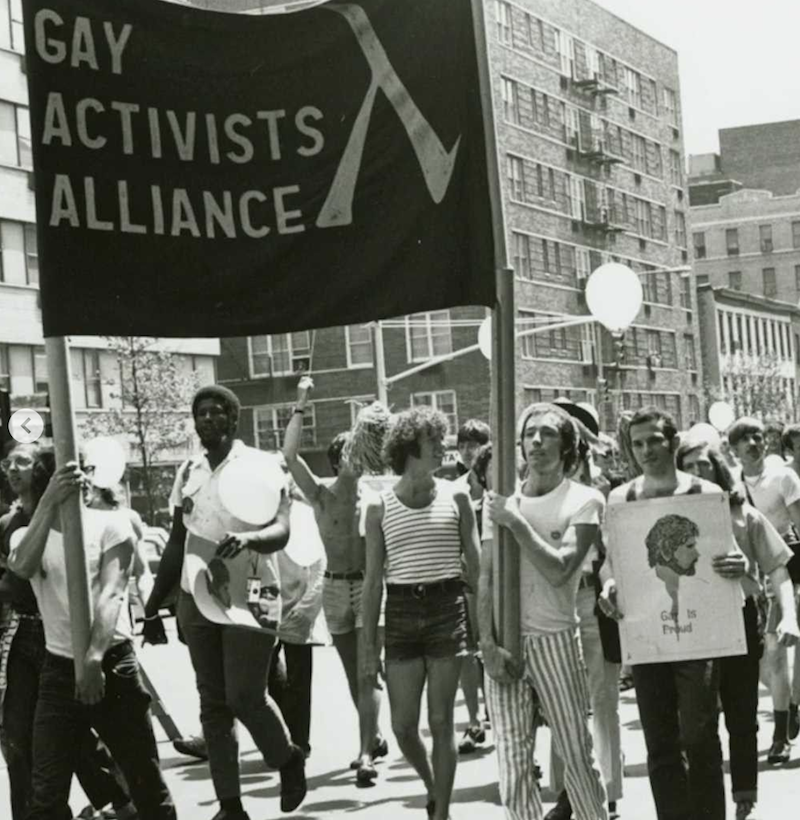
The Mafia designed the operations within these bars to maximize their profits. This included cheap, watered-down alcohol sold at high mark-ups to the cigarettes and the jukebox. Many scholars have argued that the Stonewall Riots in June of 1969 were as much a resistance against the Mafia’s exploitation of the gay community as they were a struggle against discriminatory laws and constant police harassment. Not only did a handwritten message on a boarded-up window of the Stonewall Inn state “Gay Prohibition Corrupt$ Cop$ Feed$ Mafia,” but also the two main gay rights organizations that came out of the riots – the Gay Activists Alliance and the Gay Liberation Front – actively championed in getting organized crime out of gay bars.
The Mafia’s stranglehold on the nightlife scene and business in New York City took a huge hit in the 1980s with a series of high-profile prosecutions. Although the LGBTQ+ community was continuously exploited, the Mafia, in some ways, provided them with a much needed haven at the time when the rest of the country was still very much unwelcoming, homophobic, and discriminatory.