
The fight for LGBTQ+ equality and racial equality are two very different battles that often go hand in hand.
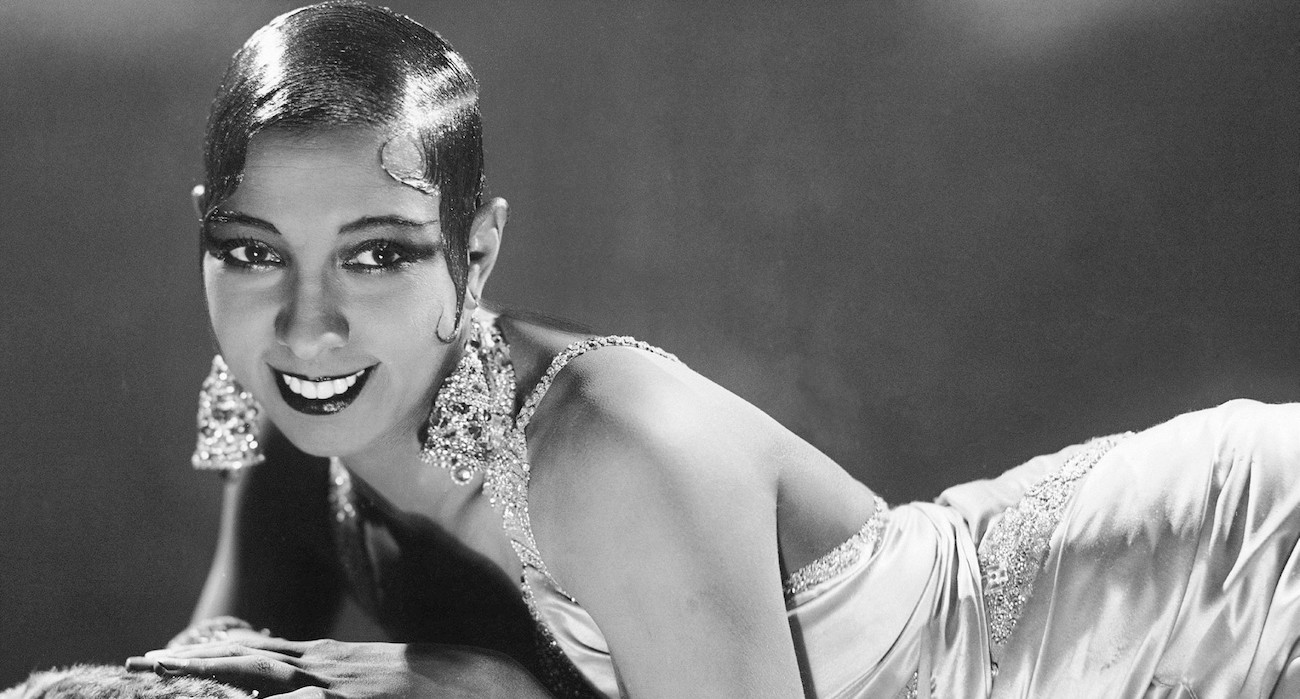
The world, specifically the United States, has known a variety of activists and ordinary citizens whose efforts for their respective causes would become legendary within their communities. The contributions and sacrifices of these activists have served as inspiration for modern movers and shakers, but when it comes to Black LGBTQ+ activists, their efforts are often sidelined and unrecognized.
In honor of Pride Month as well as Juneteenth, here are four Black LGBTQ+ icons you should know about.
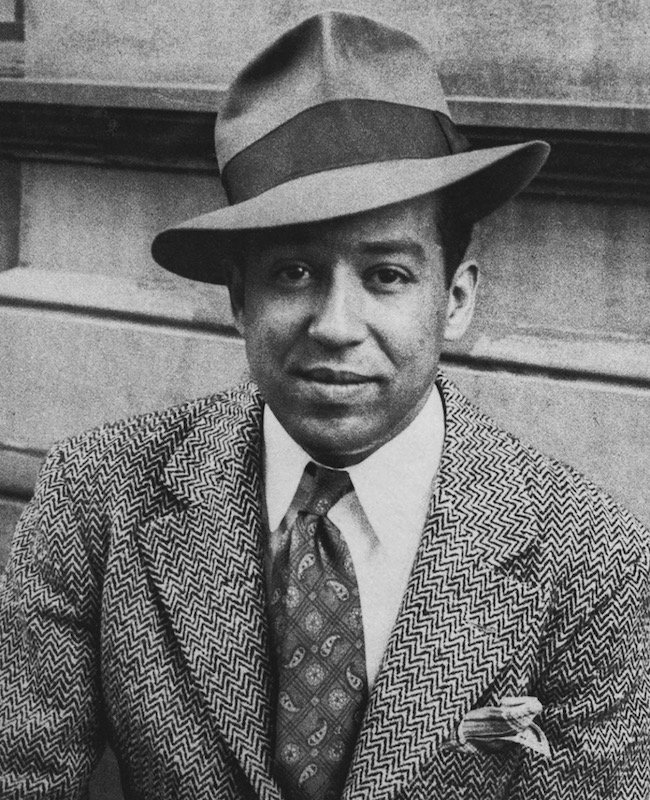
Langston Hughes
“Harlem
What happened to a dream deferred?
Does it dry up
like a raisin in the sun?
or fester like a sore—
And then run?
Does it stink like rotten meat?
Or crust and sugar—
like a syrup sweet?
Maybe it just sags
like a heavy load
Or does it explode?”
– Langston Hughes, The Collected Poems
“We younger Negro artists who create now intend to express our individual dark-skinned selves without fear or shame. If white people are pleased, we are glad. If they are not, it doesn’t matter. We know we are beautiful. And ugly too.” – Langston Hughs
Credited as the figurehead of the Harlem Renaissance – the heyday of New York City’s Harlem neighborhood as the Black cultural mecca in the early 20th century – Langston Hughes was an American poet, novelist, activist, and playwright. Hughes wrote the famous jazz poetry, “the Negro was in vogue” which was later rephrased as “when Harlem was in vogue.” Hughes gave voice to the Black literary, artistic life and culture in the 1920s. He desired to write essays and poems that described the experiences of the Black working-class, as he famously wrote, “We younger Negro artists who create now intend to express our individual dark-skinned selves without fear or shame. If white people are pleased, we are glad. If they are not, it doesn’t matter. We know we are beautiful. And ugly too.”- The Negro Artist and the Racial Mountain.
Marsha P. Johnson
“I may be crazy but that don’t make me wrong.” –Martha P. Johnson
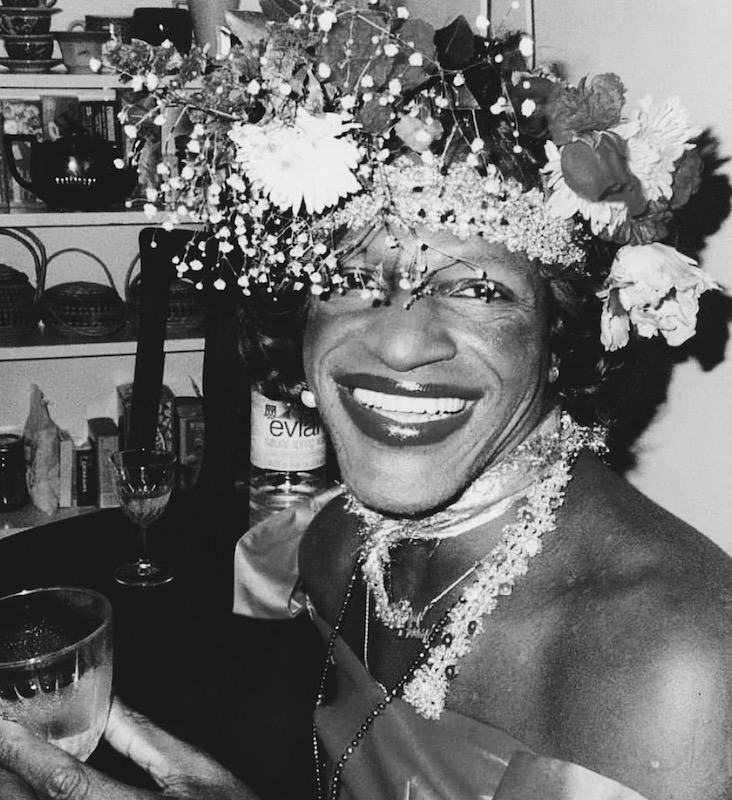
If there was a prophet for the gay liberation movement it would be Martha “pay it no mind” Johnson. An iconic drag queen and revolutionary LGBTQ+ activist, she is credited for being the instigator of the Stonewall protest.
In late 60s, homosexual acts were considered as criminal offense in New York City. Clubs and restaurants would be shut down if they employed or even served gay patrons. This forced the LGBTQ+ community to seek asylum at bars and clubs that were run by the mafia, who often paid off police to look the other way to their “illegal activities.”
One hot day in June 1969, police raided one such gay bar, Stonewall Inn. They snuck into the bar and targeted patrons that were “masquerading” as a member of the opposite sex. Patrons who were not arrested began to form a crowd outside the bar. It is believed that after police began roughing up a woman dressed as a man, the crowd began to erupt like a dormant volcano. All the injustice and discrimination they had experienced at the hands of police had finally reached its limit. The LGBTQ+ community saw Stonewall Inn as the only safe place in their lives, there was no way in hell they were going to go down without a fight. The patrons began shouting and throwing rocks and bottles at the police. The intensity of the mob’s rage only grew, forcing the police to barricade themselves in the very bar they raided. It is believed that Marsha P. Johnson was the first to throw a brick of Stonewall Inn.
The Stonewall riot would mark the beginning of the Gay Rights Movement, the story of what happened spread across the nation and ignited a fire in millions of LGBTQ+ members. The event would lead to the first Gay Pride March which Johnson led through the streets of NYC. She later established the Street Transvestite Action Revolution, an organization dedicated to helping homeless transgender youth in NYC.
Unfortunately, Johnson was found dead at the age of 46 on July 1992. Her body was found in the Hudson River shortly after the 1992 Pride Parade. Her cause of death is classified as “undetermined.”
Josephine Baker
“Tall, coffee skin, ebony eyes, legs of paradise, a smile to end all smiles,” –Pablo Picasso
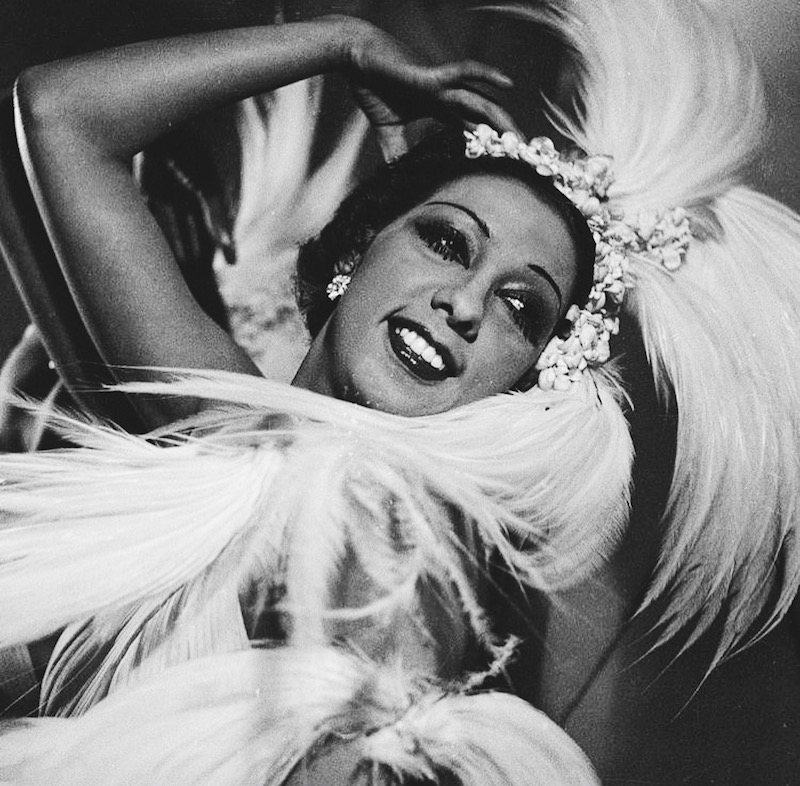
Known as the first Black female sex symbol by 1935, Josephine Baker conjures a sense mystique and an aura of the divine feminine. Born in an impoverished neighborhood in 1906, she received zero formal education but instead, worked as a babysitter at a young age in white families that often treated her badly. Baker decided she wanted to make money and a name for herself in her own way. She danced for the first time in public on her city street of St. Louis. Her skills and beauty were undeniable, thus she was quickly recruited for a tour on the vaudeville circuit.
Over the years, Baker became a legend by performing in Paris where she became renowned for her “banana dance,” in which she wore nothing but a skirt made of bananas. She was also incredibly passionate about the rights of Black citizens so much that after the assassination of Martin Luther King Jr. she was asked by Coretta Scott King to hold an unofficial leadership in the United States movement which Luther previously led. Baker declined out of concern for her children and husband’s safety. Although Baker was admired for her ambition and sexual provocativeness, few in her life recognized her as a queer individual despite that she led one queer life. Not only was she likely a lesbian or bisexual, she also managed to express her desires and sexual needs in a way that deviated from the norm. She marched to the beat of her own drum and lived her life on her terms.
Bayard Rustin
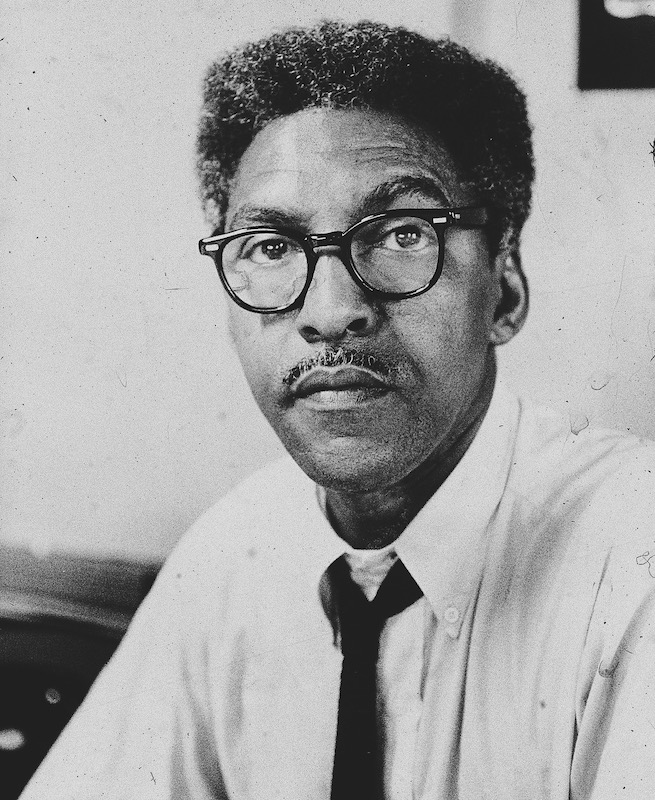
“When an individual is protesting society’s refusal to acknowledge his dignity as a human being, his very act of protest confers dignity on him.” – Bayard Rustin
Best known for his part in designing the 1936 March on Washington – the largest non-violent protest ever held in the U.S – Bayard Rustin was a genius strategist as well as a devoted activist. Of all the legendary Black activists in the U.S, Rustin is probably the name most difficult to recognize. Rustin, in his prime, worked mostly in the shadows.
As proud gay, Black man during the 1960s, Rustin had many enemies. But instead of allowing the discrimination to continue, he decided to make a difference by fighting for multiple social movements: civil rights, gay rights, anti-violence, and socialism. Rustin organized the Freedom Rides, a series of segregation protests where Black and white people road tripped across the American South on buses in 1961. He also aided Martin Luther King Jr. by organizing the Southern Christian Leadership and strengthened King’s leadership by protesting non-violence. It’s important to praise the activists who worked behind the scenes as much as we praise those who take center stage.
