On June 19, 1865, enslaved African-Americans in Galveston, Texas, were told that they were free – marking the effective end of slavery in the United States. More than a century later, people across the U.S. continue to commemorate this historic event.
Juneteenth, celebrated by African-Americans and Black Americans since the late 1800s, is an annual holiday commemorating the end of slavery in the United States. In recent years, particularly following the nationwide and global protests over police brutality in addition to the deaths of Breonna Taylor, George Floyd, Ahmaud Arbery, and other Black Americans; there is an emphasized importance in understanding the history in this day that celebrates freedom.
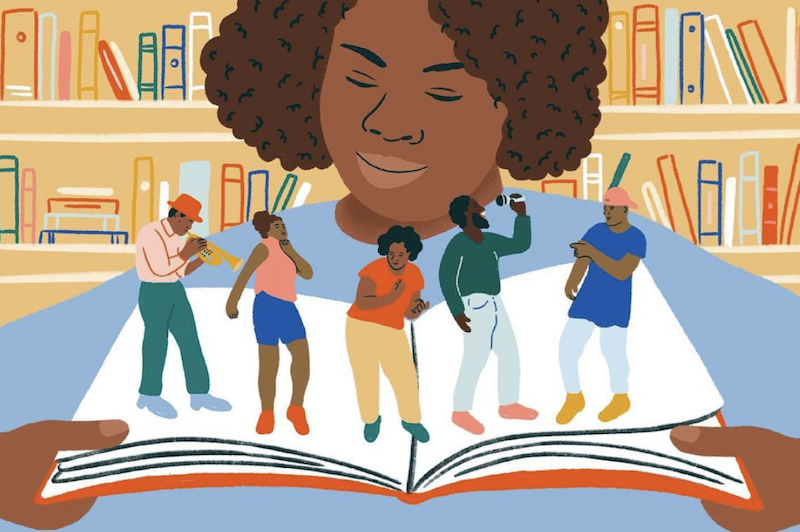
Juneteenth marks America’s second independence day, and although it has been long celebrated in the African-American and Black community, this monumental event remains largely unknown to most Americans. Here is everything you need to know about the history and significant legacy of Juneteenth.
Slavery in Texas
On “Freedom’s Eve“ or the eve of January 1, 1863, enslaved and free African-Americans gathered in private homes and churches across the nation, awaiting the news that the Emancipation Proclamation had taken effect. At midnight, prayers were answered as all enslaved people in the Confederate States were declared legally free.
Union soldiers, many of whom were Black, marched into cities and onto plantations across the South reading small copies of the Emancipation Proclamation, spreading the news of freedom in the Confederate States.
Not everyone in the Confederate territory, however, would be immediately free. The Emancipation Proclamation was made effective in 1863, but it would not be implemented in places still under Confederate control. As a result, in the state of Texas, enslaved people would not be freed until years later.
On June 19, 1865, about two months after Confederate general, Robert E. Lee surrendered at Appomattox Court House, Virginia, General Gordan Granger and some 2,000 Union Troops arrived in Galveston Bay, Texas, an area where African-Americans were still enslaved.
The army announced that the estimated 250,000 enslaved African-Americans in the state were to be free by executive decree.
This date marked the effective end of slavery in the United States.
The Emancipation Proclamation
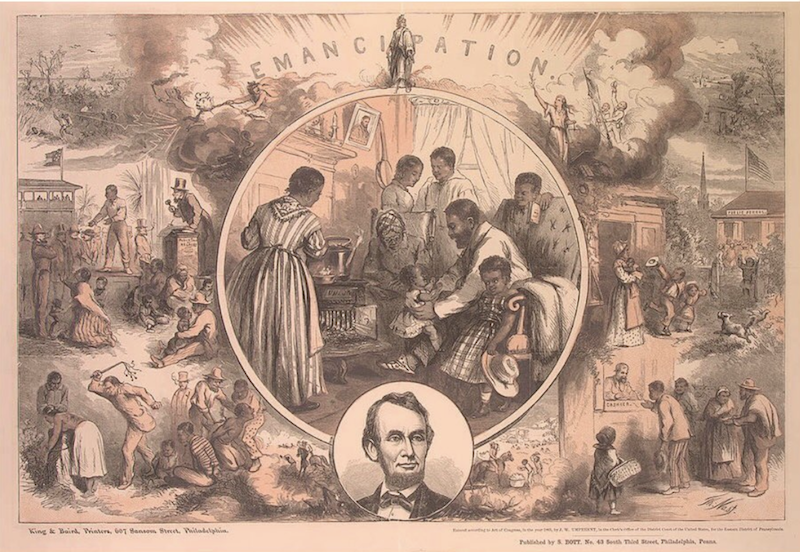
Issued by President Abraham Lincoln on January 1, 1863, the Emancipation Proclamation established that all enslaved people in Confederate states “shall be then, thenceforward, and forever free.” In reality, though, the Proclamation did not instantly free any of the approximately four million men, women, and children held in slavery. The Proclamation did not apply to slave-holding border states or any Confederate states already under Union control.
Juneteenth and the 13th Amendment
Now Juneteenth, or June 19th, honors the end to slavery in the United States and is considered the longest-running African-American holiday.
After the war came to a close in the spring of 1865, and General Granger’s arrival in Galveston signaled freedom for Texas’s 250,000 enslaved people; celebrations broke out among newly freed Black Americans, and the commemoration of Juneteenth was born. That December, slavery in America was formally abolished with the adoption of the 13th Amendment.
Ratified in 1865 in the aftermath of the Civil War, the 13th Amendment to the U.S. Constitution abolished slavery in the United States, stating that
“Neither slavery nor involuntary servitude, except as a punishment for crime whereof the party shall have been duly convicted, shall exist within the United States, or any place subject to their jurisdiction.”
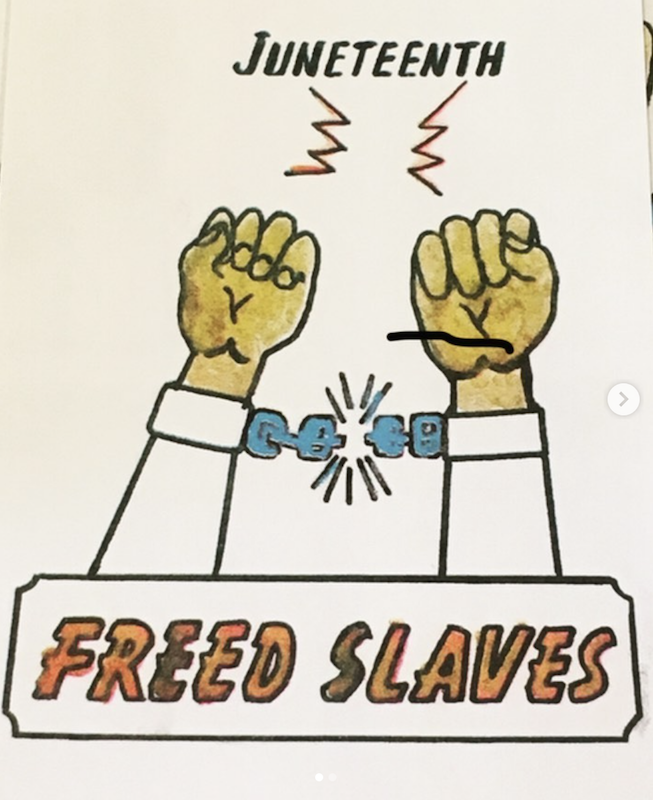
Reconstruction Period (1865 – 1877)
The years following these historical events became known as the post-emancipation period, or Reconstruction. Reconstruction marked an era of great struggle, uncertainty, and hope for the entirety of the nation, but specifically the Black community.
Formerly enslaved people sought to reunify their families, run for political office, establish schools, churches and other institutions, push radical legislation, even sue slaveholders for compensation and reparations. Although the 200+ years of enslavement, deeply rooted racism, and white privilege made these changes short of impossible; African-Americans were empowered and inspired to transform their lives and their country.
The Beginning of “Jubilee Day”
Free men, women, and children organized the first of what would become the annual celebration of “Jubilee Day” on June 19th, 1866. In the ensuing decades, this day would commemorate featured music, food, prayer services, and other activities. As Black men and women migrated from Texas to other parts of the country, so did the traditions of Juneteenth.
According to Juneteenth.com, the day was celebrated by praying and bringing families together. In some celebrations, men and women, and their descendants who had been enslaved, made an annual pilgrimage back to Galveston, Texas.
In early years, little interest for participation in the celebrations existed outside of the African-American community. In many instances, the African-American community was faced with resistance from the white community, barring the use of the public property for the festivities. Because of this, the majority of the festivities found themselves out in rural areas around creeks or rivers that could provide for additional activities like barbecues, fishing, or swimming. Often times though, church grounds were the site for the celebrations.
Over time, as African-Americans became landowners, land was donated and dedicated for these festivities, while the earliest documented land purchases in the name of Juneteenth were organized by Rev. Jack Yates in 1872. He, along with a group of African-American businessmen and ministers, purchased 10 acres of land in Houston, Texas, and created the Emancipation Park. This space was created to hold the city’s annual Juneteenth celebration.
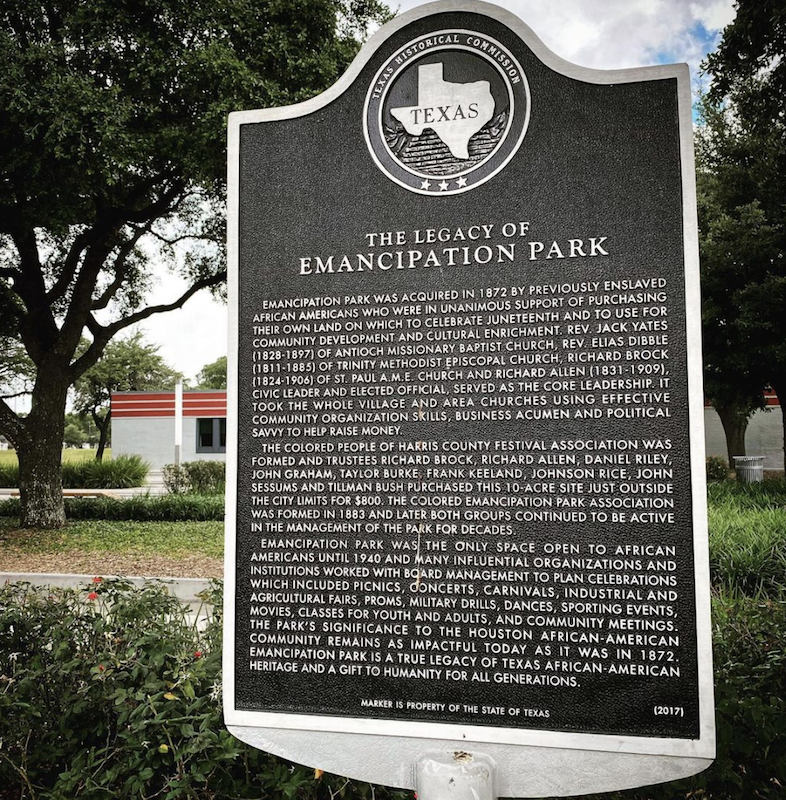
Emancipation Park Conservancy now runs the park, as its purpose is to create an open space of environmental and community excellence while continuing to preserve the integrity and historical roots of the park.
Juneteenth Celebration Decline and Resurgence
The decline in the celebration and commemoration of Juneteenth began in the early 1900s, as classroom and textbook education in place of traditional home and family-taught practices stifled the interest of the youth due to less emphasis and detail on the lives of former slaves.
Classroom textbooks proclaimed Abraham Lincoln’s Emancipation Proclamation of January 1, 1863, as the date signaling the end of slavery, and mentioned little or nothing about the importance of June 19th, 1865.
Similarly, the Depression forced many people to leave their jobs on the farms to find work in the cities. In urban environments, employers were not as willing to grant leave to employees to celebrate this day. Unless June 19th fell on a weekend, there were fewer and fewer participants available to celebrate.
With this said, the Civil Rights Movement of the 1950s and 60s yielded positive results for the celebrations. This resurgence inspired many African-American youths to link their struggles for racial equality to that of their ancestors, this was proven by student demonstrators who wore Juneteenth freedom buttons during the Atlanta Civil Rights Campaign in the early 60s.
Again in the late 1960s, Juneteenth received another strong resurgence through the Poor Peoples March to Washington, D.C. Many of these attendees initiated Juneteenth celebrations in areas previously absent of such festivities, as a result, two of the largest Juneteenth celebrations were founded and are now held in Minneapolis and Milwaukee.
Juneteenth Today
Today, while some celebrations take place among families and friends in backyards, some cities like Washington, D.C. and Atlanta hold large events like festivals and parades. According to Juneteenth.com, Juneteenth has a phenomenal growth rate within communities, organizations and institutions like the Smithsonian and the Henry Ford Museum that have begun to sponsor Juneteenth-centered activities.
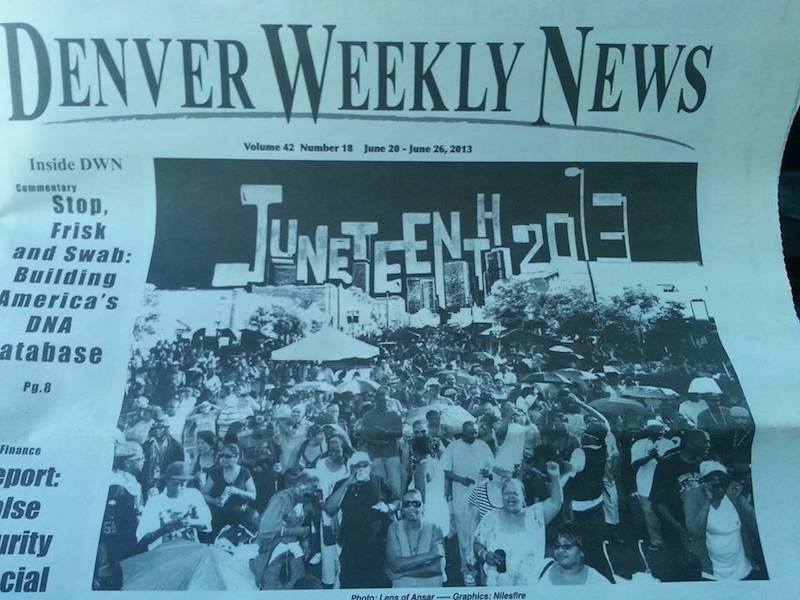
Several national and local Juneteenth organizations have risen as well, all with the mission to promote and cultivate knowledge and appreciation of African-American history and culture.
In 1980, Texas became the first state to designate Juneteenth as a holiday. Since then, at least 45 states and Washington, D.C. have moved to officially recognize the day. As of 2020, numerous businesses, including: Twitter, Best Buy, Nike, and Target have moved towards making this day a company holiday, giving many employees a paid day off.
On June 15, 2021, Juneteeth officially became a federal holiday in the U.S. with the Senate unanimously passing the Juneteenth National Independence Day Act which also passed through the House of Representatives by a 415-14 vote.
Juneteenth.com states “The future of Juneteenth looks bright as the number of cities and states creating Juneteenth committees continues to increase. Respect and appreciation for all of our differences grow out of exposure and working together. Getting involved and supporting Juneteenth celebrations creates new bonds of friendship and understanding among us. This indeed brightens our future – and that is the Spirit of Juneteenth.”