
Art, Creativity & Technology! Here’s all you need to know about La Biennale di Venezia.
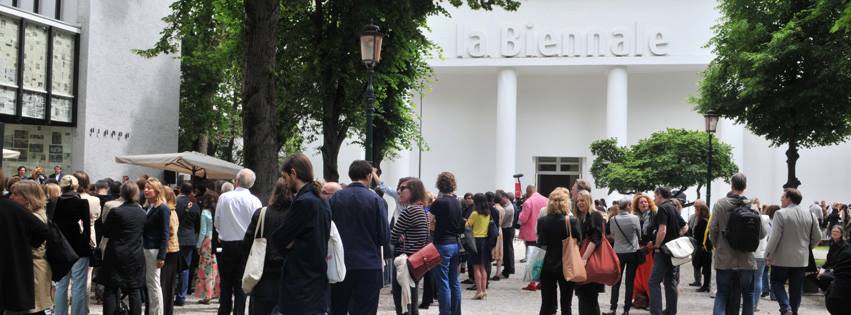
If you’re anything like me, the world of contemporary art can seem … inaccessible, to say the least. A lack of background in art history can make entering into museums seem like stepping into the artistic vision of Willy Wonka: a maze of confusion, surprising images, and unexpected social commentary. It’s only fitting, then, that the dead-end alleys and twisting canals of Venice host one of the most important art shows in the world. Venice reclaims its traditional role as a port of cultural exchange with the 55th Venice Biennale d’Arte, providing opportunities to enjoy films, paintings, performances, dance and other mediums for the elite and the not-so-chic alike.
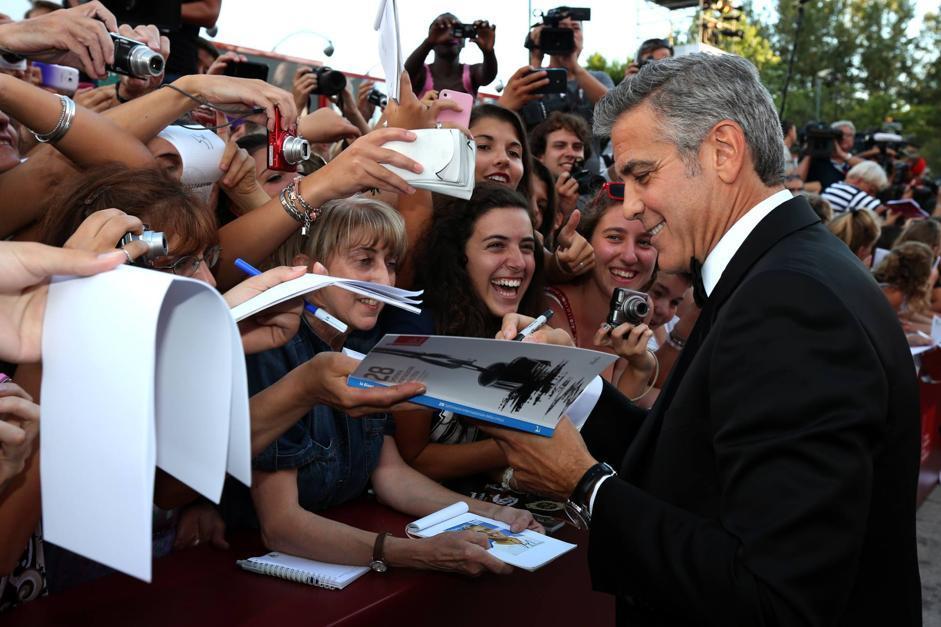
Celebrities like George Clooney flocked to the island of Lido last week to inaugurate the International Film Festival, while more than 80 national pavilions, including countries like Bangladesh, Andorra and Syria, have free entrance to their artists’ exhibitions. These artists are chosen specifically to import the creative atmosphere of their country to the forefront of international art community. Hidden throughout Venice in narrow streets and centuries-old palaces, another 48 collateral events, including a public exhibition of Italian street artists, provide a new reason to get lost in the mysterious city on water.
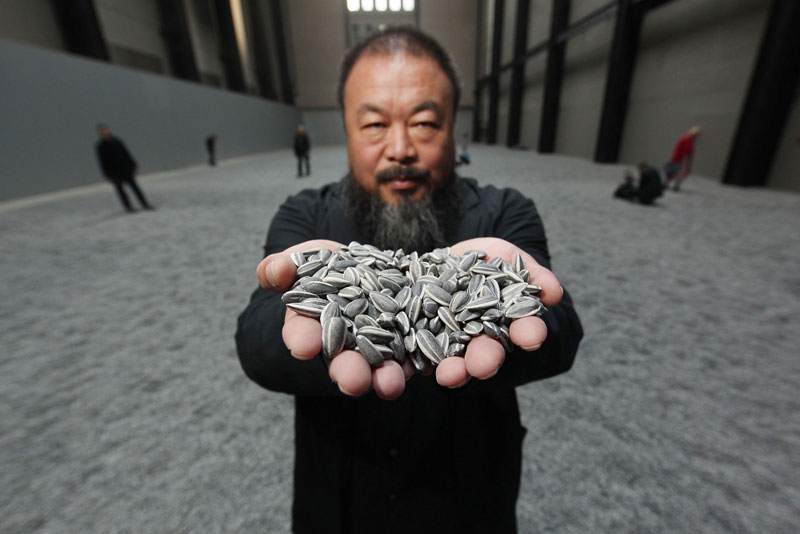
The city of Venice breathes life into Italian-American artist Marino Auriti’s dream of an Encyclopedic Palace, a place to collect and store all of the information in the world in one building and the theme of this year’s Biennale. Easily avoid crowds of confused tourists at San Marco by taking unexpected turns, and arrive at artist and political activist Ai Weiwei’s free exhibition about his time in a Chinese prison. When walking towards Rialto, wander from the beaten path to discover the Irish pavilion, a video installation by Richard Mosse that challenges aesthetics and ethics by showing beautiful images of tragedy and war in the Democratic Republic of Congo. Take a bus from Piazzale Roma to Forte Marghera, the Napoleon built military base used to defend Venice, and contemplate a sculpture which interprets oil interests in the island of Tuvalu.
At the Giardini vaporetto stop, just a few passes behind a statue of a nude woman stretched in the lagoon, a small colony of buildings tucked behind trees. These edifices embody the architectural of western countries like the United States, France and Sweden, and reflect the major political players of the first biennale hosted in 1895. Inside, exhibitions like Jesper Just’s video-installation Intercourses import the viewer to a Hangzhou, China, a city still in construction as an exact replica of Paris. There is no indication of the setting being a city in China, which, standing in a Danish pavilion in Venice, forces you to reflect upon cultural dislocation in an age of globalization.
The expositions and the thoughts they produce are endless, inspiring reflections on the role of art, creativity, and technology in the modern world. Through the Biennale, Venice sheds the image of a simple tourist destination, and reasserts her elegance, mystery, and influence by serving as a gateway to the cultures from around the world.
Article written by Monique Hassel.
