
The ultimate vampire myth has returned to the big screen under a cloak of suspense and horror, bringing back the darkest Transylvania
Dracula, Bram Stoker’s gothic horror classic, has been adapted in cinema several times, resulting in masterpieces such as Nosferatu, eine Symphonie des Grauens (1922.) This silent version overcame plagiarism accusations to become a pure manifestation of German Expressionism. Continuing the legacy, Robert Eggers (known for The Lighthouse and The Witch) has revived the mythical story, creating his own interpretation of Nosferatu.
Staying true to the original, Nosferatu tells the story of Thomas Hutter, a realtor who must travel to Transylvania to conduct business with Count Orlok. The ominous dreams of his wife Ellen turn out to be premonitions of the horrific fate awaiting them. The plot unfolds within dark settings that immerse the viewer in a shadowy world, with locations in the Czech Republic and Romania chosen to bring this vision to life.
Barrandov Studios, Prague
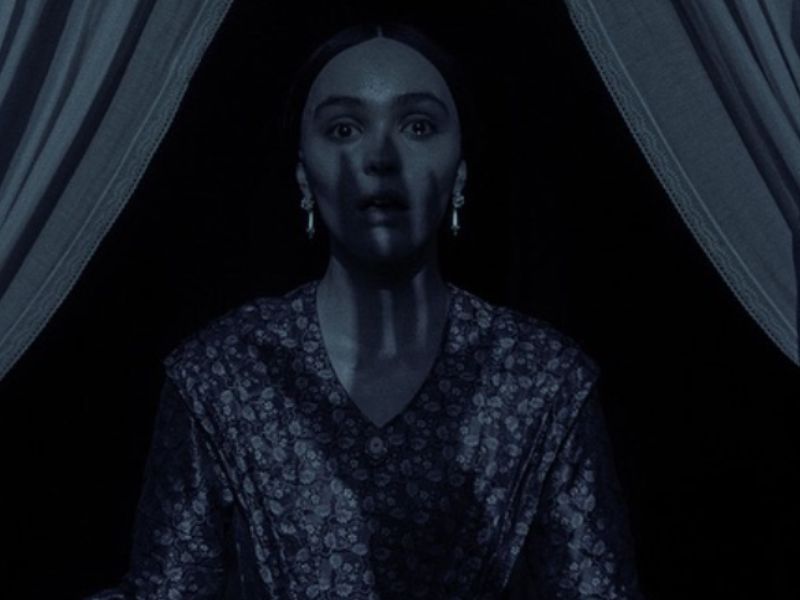 Photo by @eziofratto_
As one of the largest film studios in Europe, Barrandov Studios in Prague was where a significant portion of Nosferatu was filmed, including more than 60 sets. Here, five streets from the fictional town of Wisborg – where Thomas and Ellen reside – were recreated. The sets were inspired by cities such as Lübeck, in Germany, and many others in Poland.
Lübeck was once a major member of the Hanseatic League, a union of traders that eventually came to dominate the market in the North and Baltic Sea. Lübeck’s old town, crowned by seven grandiose towers, reflects the city’s history, founded in 1143 as the first medieval town in the region.
Barrandov Studios also hosted the creation of Orlok’s castle interiors, the same studio which produced iconic films like Casino Royale and The Chronicles of Narnia: The Lion, the Witch and the Wardrobe.
Corvin Castle, Romania
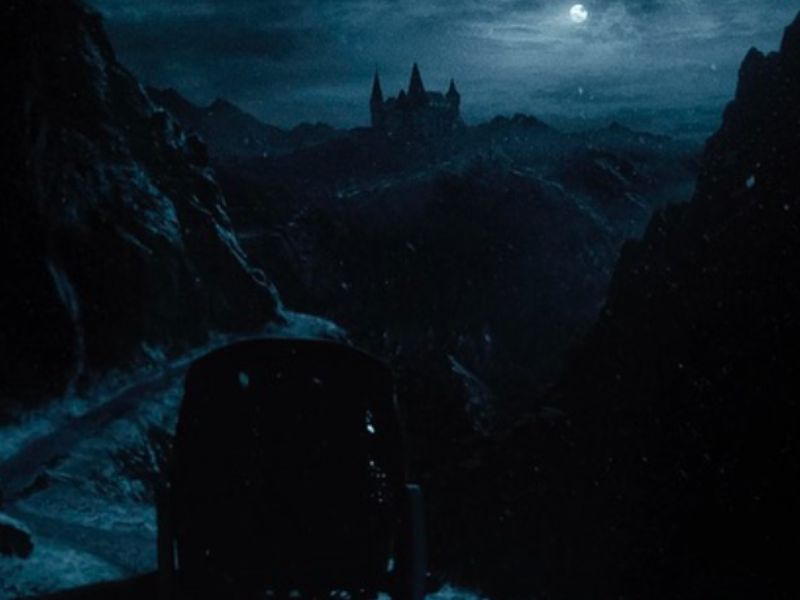 Photo by @eziofratto_
Eggers managed to shoot some of the most stunning scenes in the heart of Transylvania, filming the exteriors of Orlok’s home at Corvin Castle in Hunedoara. Being one of the largest in the world, it has a long history behind it, since its construction began in 1440 as a fortress to defend against the Ottoman Empire. According to legend, Vlad the Impaler was imprisoned in its interiors for seven years during his exile.
Its structure, a combination of Gothic and Renaissance styles, had a great impact on Bram Stoker’s work, also inspired by the dark myths surrounding the place. Today, the castle’s fairy-tale appearance adds a touch of grim realism to the film.
Pernštejn Castle, Czech Republic
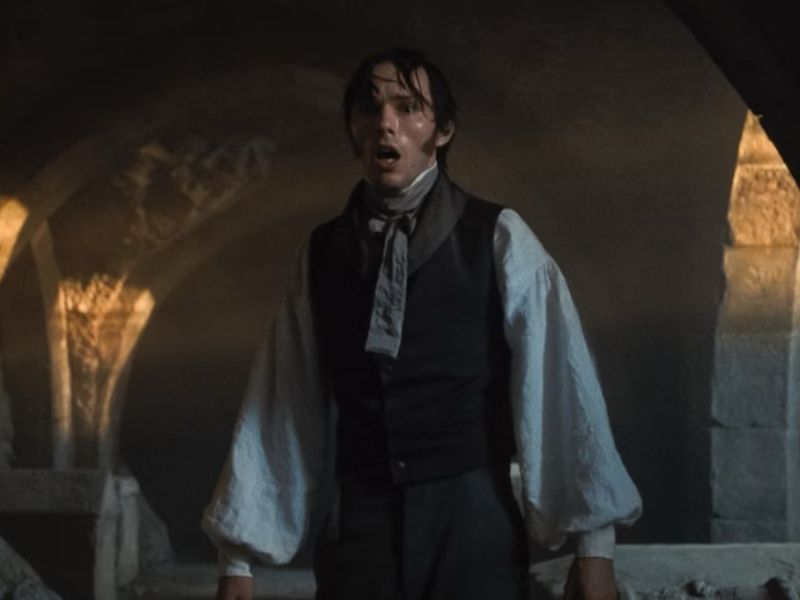 Photo by @eziofratto_
Orlok’s courtyards were filmed at Pernštejn Castle, a historic landmark in the Czech Republic which made an appearance in the 1922 Nosferatu. Its monumental silhouette rises upon high rock formations, offering protection against invaders. Moats, drawbridges, and large walls with turrets are some other defensive elements of this Gothic fortress, built in the late 13th century. After the implementation of various reforms, a special blend of medieval and Renaissance styles characterizes the castle. It was once home to the Pernštejn family, the noble lineage who founded it.
Like many historical buildings in the Czech Republic, Pernštejn Castle is associated with a White Lady, a popular legend about ghosts that appear in castles and palaces in the area. In the Pernštejn case, the story describes the spirit of the wife of a nobleman, betrayed by her husband and meeting a tragic and mysterious death. This terrifying symbol of Czech folklore may be crossed by those who dare to enter the castle’s depths, currently open to visitors.
Invalidovna Complex, Prague
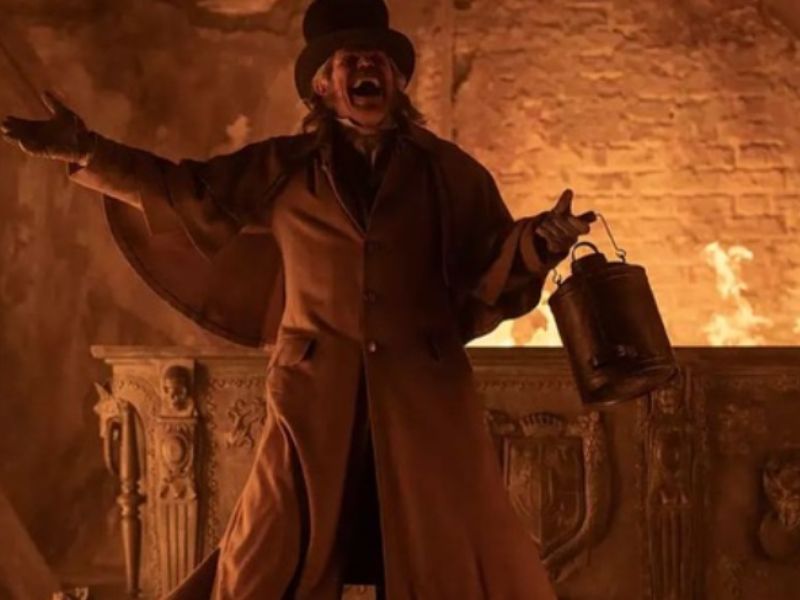 Photo by @eziofratto_
The Invalidovna Complex, originally conceived as a hospital for war veterans, has become a popular site in the capital of the Czech Republic. It was additionally used for several scenes in Nosferatu, making the most of its elegant architecture and expansive courtyards.
Inaugurated in 1737, the complex is a perfect example of the Baroque era, characterized by adorned columns, cornices, and other stylistic features. The absolute protagonist of this masterpiece is the central dome, continuing to attract visitors eager to explore the beauty of Prague.
