
When many people are around buzzing, yellow-colored insects, the natural instinct is to scream “bee!”
Understandable, but it doesn’t mean that what you’re running away from is a bee. It’s possible that what you saw was a wasp or a hornet, which is honestly, so much worse than a bee. Bees typically mind their own business, just looking for some nectar to turn into honey. They aren’t malicious unless you truly bother them. Wasps and hornets, well, they’re not afraid to stab you a couple of times even if you aren’t bothering them too much.
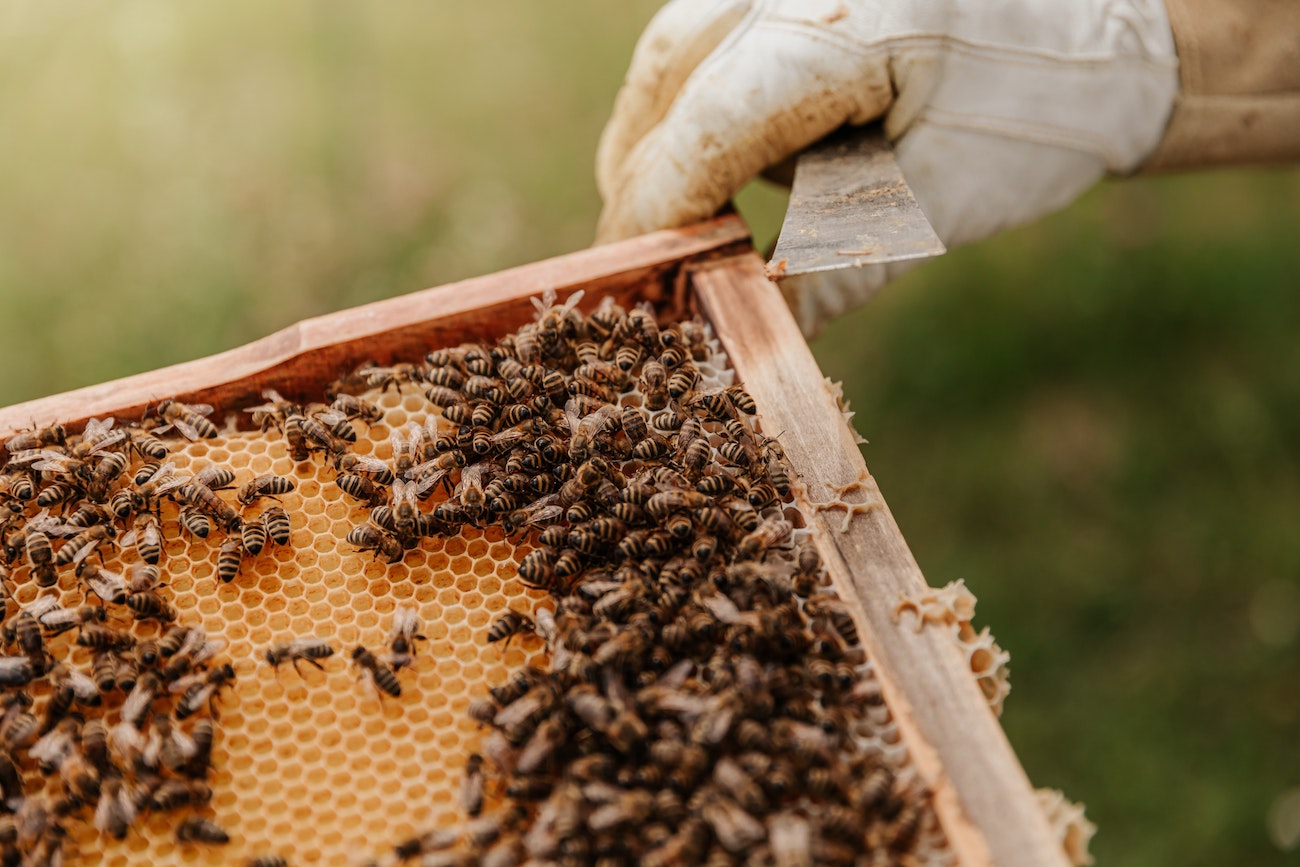
Bees, on the other hand, are great! The natural honey they produce pairs delightfully with numerous foods and makes for a great, natural sugar substitute. If you ever get the chance to eat it right from the comb, I highly recommend it. Bees are an important part of maintaining a healthy and prosperous ecosystem through their power of pollination, but according to National Geographic, bees are going extinct. Here’s some information about what bees do, what is happening, and how you can help!
Bee Pollination
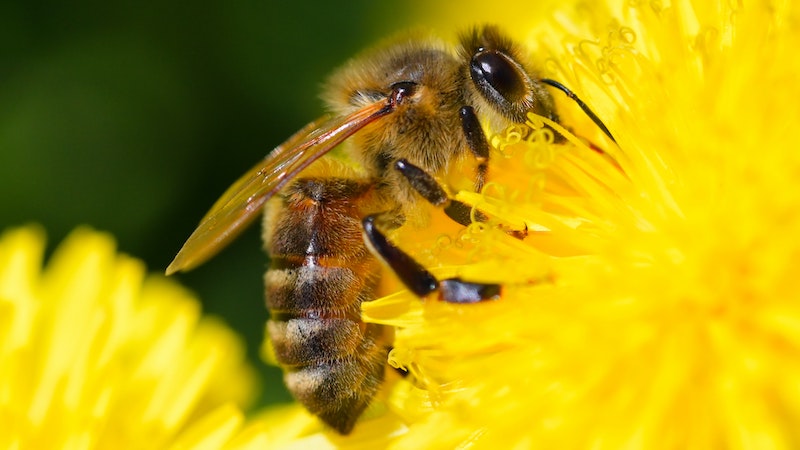
According to World Bee Day, bees pollinate over 75% of the plants that produce 90% of the world’s food, but what is the importance of pollination and how do bees factor into this? In most health classes, you learn about the reproductive system. For plants, pollination is a step within the reproduction cycle. It is key for farmers and any plant-loving person because it produces seeds for you to plant and start the cycle over. These seeds were created and are genetically diverse because different species of plants mixed through pollen via bee transportation. Pollination, in turn, can then produce more flavorful foods and a higher yield of crops for farmers and plant lovers.
Pollination is done, by bees specifically, when a bee lands on a flower, in search of nectar. They use their proboscis, a straw-like tongue, to suck the nectar from the center of the flower. As they slurp away, their furry legs become covered in pollen. When they fly to the next flower, some of the pollen from the previous flower falls onto the other flower while the bee’s legs gather some of the pollen from this new flower. Pollen collection and distribution is the process of pollination for most pollinating creatures.
Colony Collapse Disorder
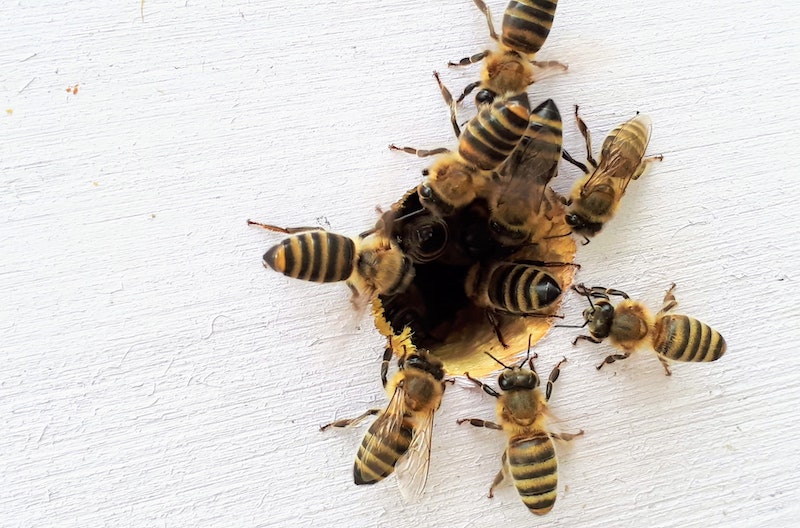
The Environmental Protection Agency says Colony Collapse Disorder, or CCD, “is the phenomenon that occurs when the majority of worker bees in a colony disappear and leave behind a queen, plenty of food and a few nurse bees to care for the remaining immature bees and the queen.” This was noticed during 2006 and 2007 when beekeepers noticed a drastic number of bees missing from their hives. There were not many dead bees around the hives, which signaled the beekeepers there was a problem.
What happened? Well, scientists aren’t too sure. They think there are a variety of factors that may have contributed to this disorder. Some factors include new diseases such as a gut parasite, increased usage of pesticides or poisonous pesticides used for crops or mite control, and stress from transportation from one farm to another for pollination uses. This year, Successful Farming reports “Colony Collapse toll is highest in four years for U.S. honeybees,” and that “Varroa mites, a parasite of bees, were again the top stressor of colonies.” The loss of bees can heavily impact the crop production for the season and was noticed by some farmers according to The Guardian in 2020.
How Can I Help Bees?
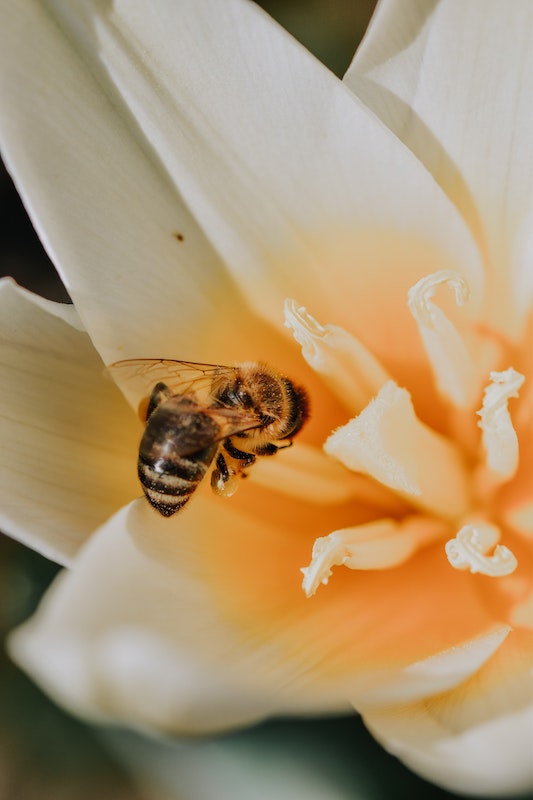
It’s easy to provide for a bee-friendly habitat. Simply, stop mowing your lawn down so much. Let it grow out in all its natural glory, including plants that are normally considered weeds. In fact, dandelions and clover are two favorites of bees. Also, it’s important to avoid pesticides and herbicides as these are killers to bees and other beneficial insects you may have crawling around your garden. Speaking of gardens, plant some bee-friendly plants, including: mint, lavender, and poppies. These will help bees make the necessary nectar and in turn, they help you to produce a genetically diverse garden, with harvesting possibilities. If you’re feeling up for a challenge, invest in a beehive. Check out this article by Hobby Farms to get started.
So, next time you take a walk outside or eat, well, almost anything, think about bees and all that they have provided for you. We wouldn’t be where we are today without them. Oh, and remember, don’t kill them.
