Helpful pieces of knowledge to appreciate the history, impact, and importance of the MARTA transit system.
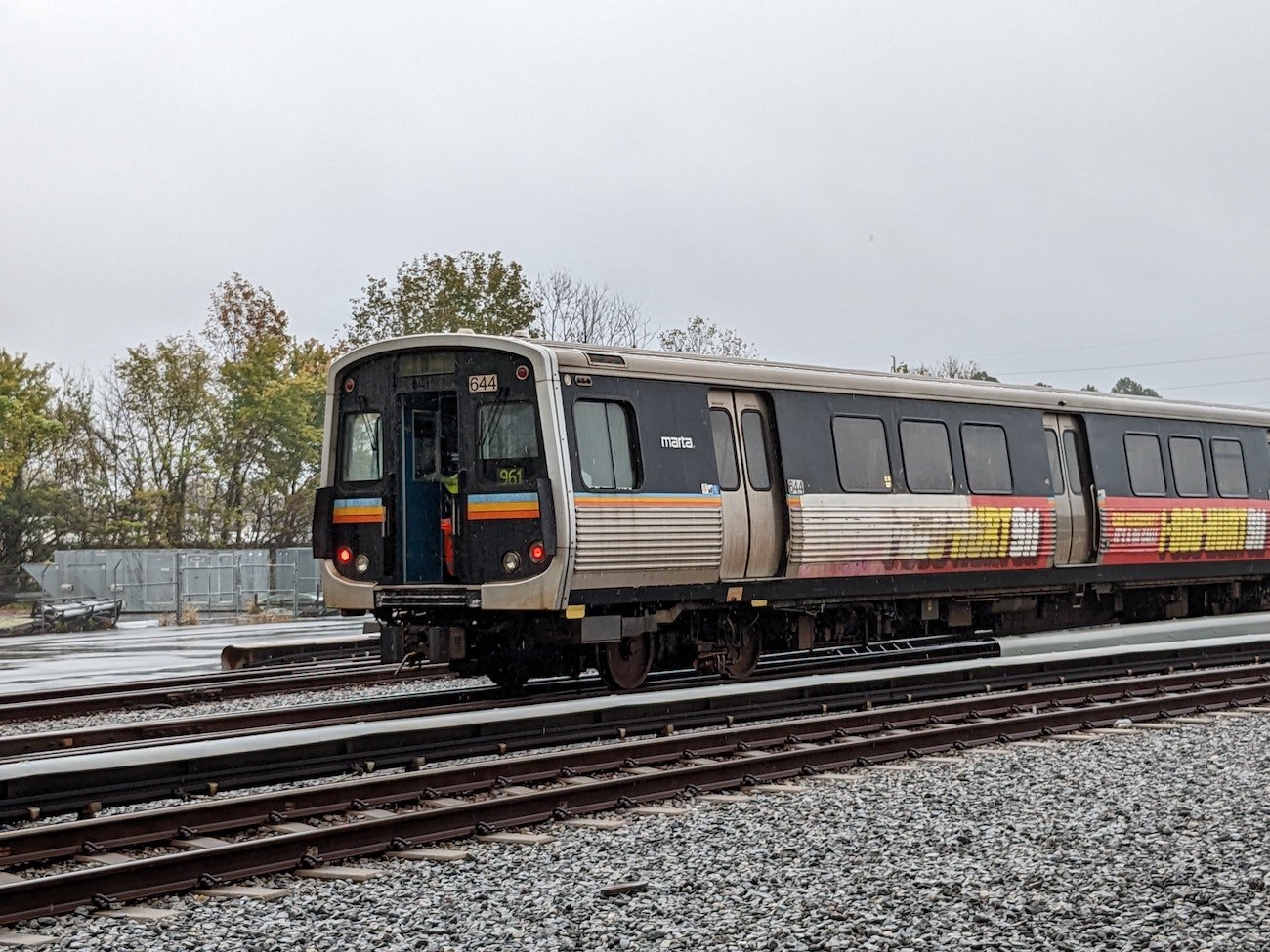 Image by Alex Ip via Unsplash
Major cities worldwide each have attributes that make them unique. New York City is linguistically diverse in the world, with 800 languages represented, Paris is touted as the romantic capital of the world, and Tokyo is revered for its busy, neon-colored nightlife. One feature that all of these iconic cities share is their extensive public transportation systems.
Buses, subways, and even streetcars are an important thread of the web that ties culture, business, and community together. Atlanta’s public transportation system, the MARTA, was created for this very reason.
Despite such an integrative position in Georgian’s everyday lives, many may not know of the fascinating history or fun facts of this transportation system.
When was MARTA created?
In 1960 Atlanta Chamber of Commerce president Ivan Allen Jr. proposed a six-point program for the city’s growth and development. The proposal’s centerpiece was a rail transit system that would solve Atlanta’s impending transportation crisis and distinguish the city from its regional peers. When he was elected mayor the following year, Allen made rail transit an administrative priority and began the difficult task of obtaining legislative approval, assembling a board of directors, and soliciting architectural and engineering plans. It wouldn’t be until 1971 that the proposal received support from Fulton and DeKalb County voters.
What regions does the MARTA serve?
Originally, the MARTA only had lines through Atlanta and Fulton and DeKalb County. Clayton and Gwinnett County citizens voted down for the referendum to create MARTA due to concerns that a public rail system would encourage black citizens to move into predominantly white suburbs. This opposition remained until 2014, when voters in Clayton County approved a referendum to join the system.
As recently as November of 2020, Gwinnett County voted against the referendum to add MARTA service to the area.
How many people ride the MARTA each day?
As the United States’ ninth largest mass transportation system, the MARTA vehicles are responsible for the travel needs of great number of Atlanteans. Today, 488,000 rides are taken every day, and more than 5 billion riders have been carried since the service began.
 Image by Alex Ip via Unsplash
What was the politics behind MARTA?
Though the MARTA was formally created in 1966, the city of Atlanta had public buses and streetcars for people to get around at least 60 years prior. However, these spaces were segregated due to the U.S.’s Jim Crow era laws. Through protests, demonstrations, and legislative wins, many of which were headed by Atlanta natives, these discriminatory rules were rolled back and replaced with protections for Black Americans. Two of the most important were the Civil Rights Act in 1965 and Browder v. Gayle, which ruled bus segregation was unconstitutional in the same year.
These landmark decisions were long and hard-fought. As these struggles were coming to a head, the proposition for a mass rapid public transport system in Atlanta was still being conceptualized.
The opposition also came from leftover tensions of the Civil Rights Movement, which held a spotlight in Atlanta. The first rapid rail system referendum that was created and added to the ballots of certain counties failed in 1968 in part due to opposition from black political leaders, as they felt that the rail service favored white areas more than black areas. It took white leaders reaching out to collaborate and the creation of a biracial coalition to clear the road for the MARTA to exist.
Is the MARTA eco-friendly?
 Image via Jacobs Peter-Lehm via Unsplash
Opting to take public transportation instead of driving a personal vehicle is always an effective choice to reduce contributions to carbon emissions. MARTA has also made concrete changes to decrease its negative impact on the environment. Most notably, the majority of its buses utilize Compressed Natural Gas (CNG,) a non-corrosive gas that helps to improve air quality.
Additionally, in 2018, the organization earned the Silver level of recognition from the American Public Transportation Association. This was awarded for their LEED (Leadership in Energy and Environmental Design) Silver buildings, wash water recycling, energy efficiency upgrades, and transit-oriented development efforts.
The expansion of MARTA will likely continue to grow in the near future, one thing for sure, it has provided convenient means of transportation for locals and travelers alike.