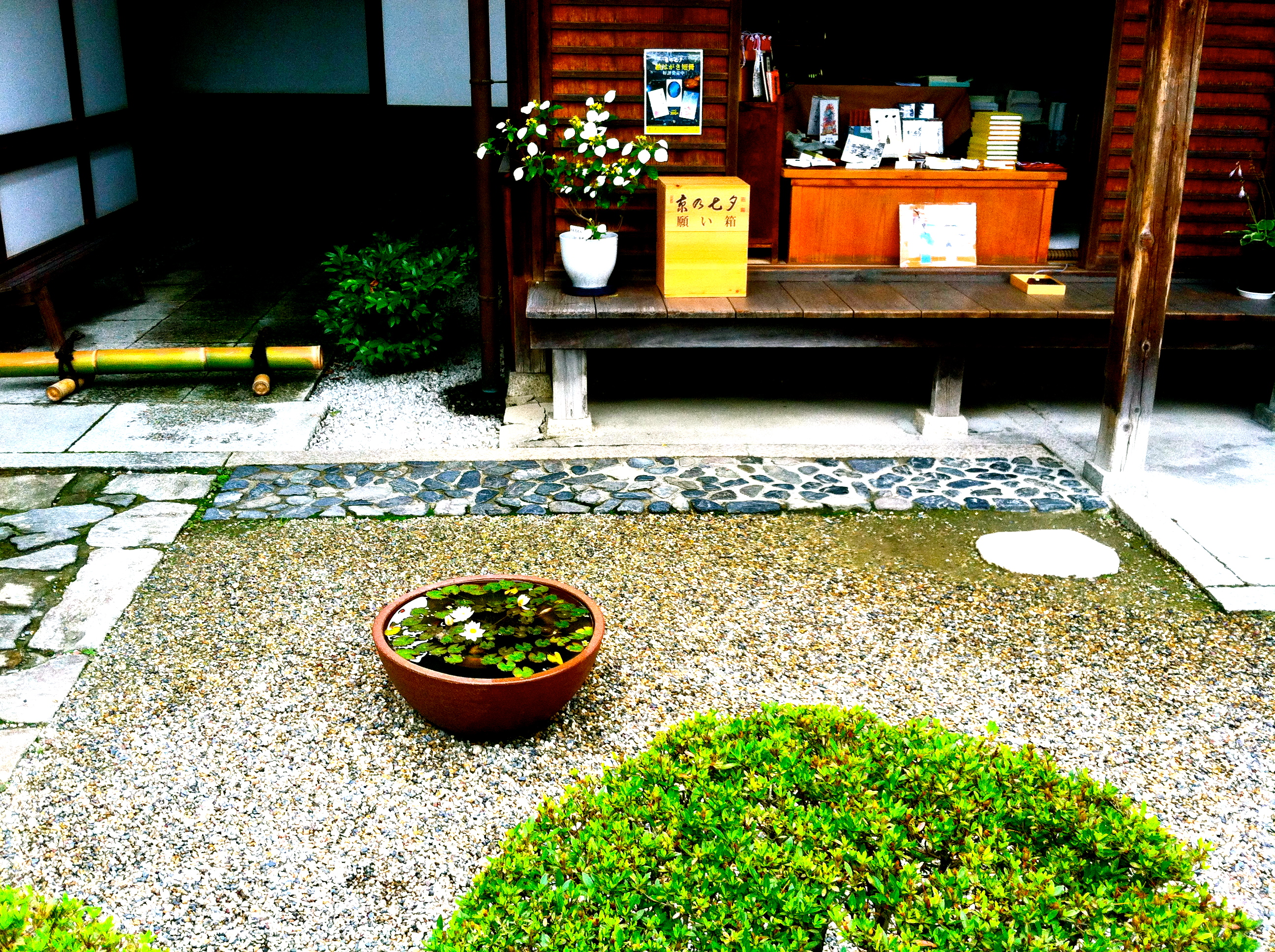
Just outside of Kyoto, Uji is known for Uji matcha, The Tale of Genji, and The Tale of the Heike.

Just outside of Kyoto, the little riverside town of Uji is famous for three things: green tea (matcha, 抹茶,) being a common symbol in Waka poetry, and for providing the setting for two of Japan’s greatest literary works, The Tale of Genji and The Tale of the Heike.
It was a rainy summer day in July, and I was crossing the Uji Bridge, under which the river had swollen and was raging violently towards Nara. The bridge has supposedly remained unchanged from the days of Genji, figuring prominently in “The Maiden of the Bridge,” a chapter of star-crossed love, where the young maiden Ukifune attempts to commit suicide by diving into the Uji River. It also was a strategic point in the Tale of the Heike during the Battle of Uji.
Admiring the cranes on the riverbank and the majestic mountains in the distance, I came to the end of the bridge, where a statue of Murasaki Shikibu, with her twelve-layered silk robe and crawling with black ants, greeted me. How interesting that Murasaki’s rich portrayal of Uji’s landscape as a retreat for Heian period aristocrats, from which Uji draws its claim to fame today, came from hearsay! As a court lady, she was never allowed outside and only viewed the world from behind silk screens.
I wished well the old lady, patron goddess of my trade, and headed for the Byōdō-in, a UNESCO world heritage site, and therefore, an official watering hole for tourists.
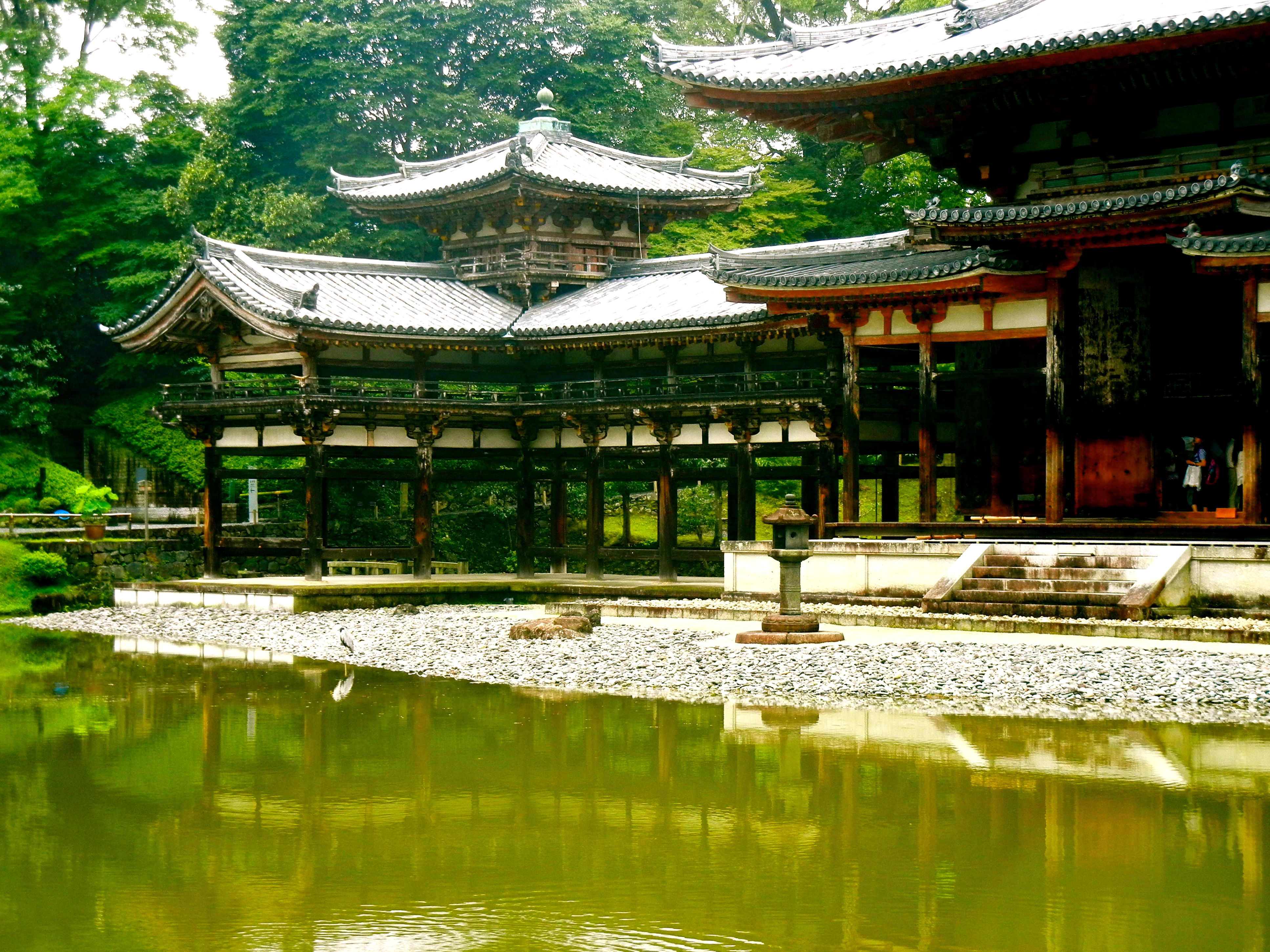
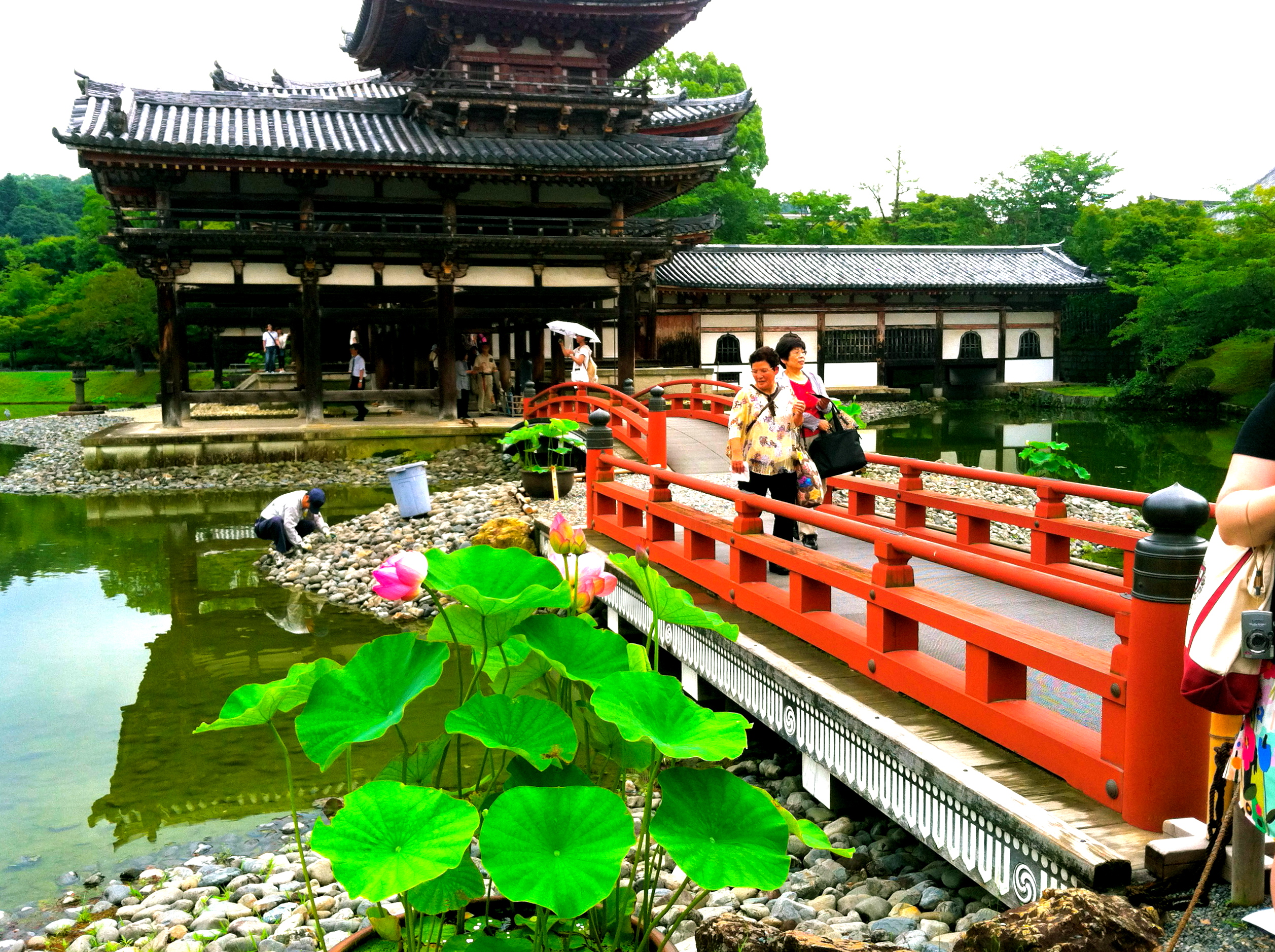
The Byōdō-in was once the personal villa of a very rich man from a very rich family; indeed, he was of the famously powerful Fujiwara clan. But as he grew older, he grew more afraid of the afterlife and what awaited him there, so he converted his villa into his own personal temple. He built it to represent the Pure Land, the heavenly paradise he wished to enter upon death. And with much of it resting on wooden stilts, it looks as if it may lift off into the heavens at any moment.
As I read of the Byōdō-in on the UNESCO plaque, a very tiny spider, which had made its home in a fancy stone lantern, was slowly but surely approaching a fat, writhing beetle caught in its web. That spider was a billionaire.
Today, the Byōdō-in looks like it favors traditional Zen aesthetics: wood, pebbles, a lotus-filled pond inhabited by only one still crane. But in its day it was a gaudy jewel to behold. The Amida Buddha inside shone in gold lacquer and was bedecked with blue and pearl beads. The walls were bright blue, green, vermillion and ornately designed, inlaid with mother-of-pearl and mirrors to help reflect light. Over 50 colorful Bodhisattvas danced on the walls, playing instruments and flying to the Heavens. But it has since faded into a classic beauty.
I walked around to the back of the in order to get a better view of the Phoenix Hall, from where the golden Amida smiles out peacefully, when I felt a shiver of déjà vu. I realized I had seen the back of the Byōdō-in many times before— on the back of Japan’s 10-yen coin and 10,000-yen note. My fingers rifled over its image every day.
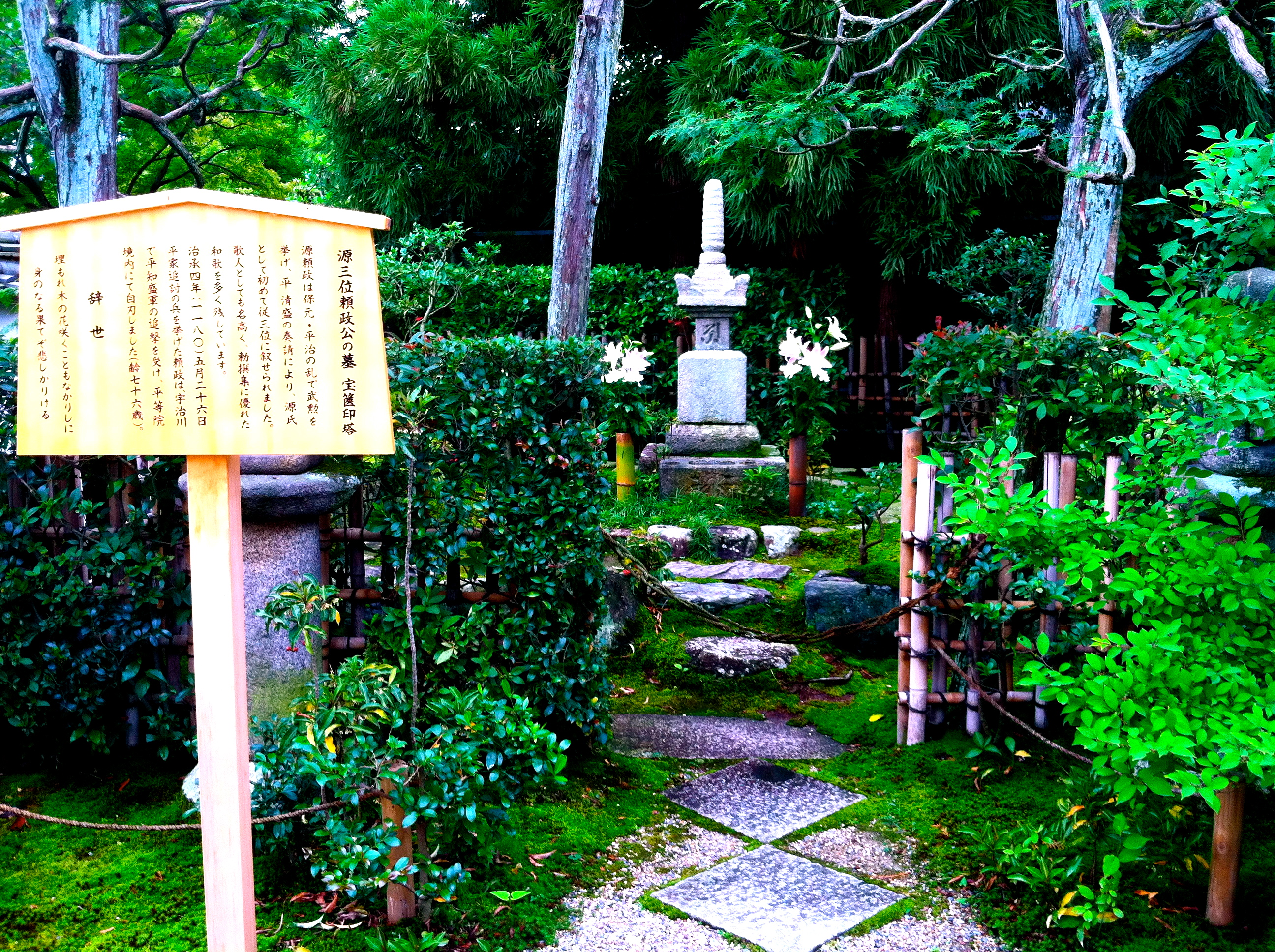
A little ways away, I noticed a private shrine off to the side. It said that it was dedicated to Minamoto no Yorimasa, a well-known character from The Tale of the Heike, who was a warrior-monk and doting adoptive father. According to the tale, Yorimasa, a commander in a dire battle, was forced to commit seppuku outside the gates of the Byōdō-in after receiving a terrible arrow wound, and his loyal attendant stealthily carried his severed head through enemy lines, tied it to a rock, and threw it into the depths of the Uji River, lest the enemy Taira should try to dishonor it.
I took me a moment before realizing in shock that this was the actual Yorimasa’s grave—that Yorimasa was not just a tragedy in an Odyssey-like battle scene, but a real person! He died almost 1000 years ago at the Battle of Uji, an actual event recorded in the Heike, and that literary work is our only way of connecting what he left behind to who he was before his demise.