
As the birthplace of Japan’s historical culture, Kyoto is the ultimate playground for those who appreciate the finer things in life.
From 796 to 1868, Kyoto was home to Japan’s Imperial family. Evidently, it motivated the best craftsmen to provide services for the Emperor, military nobles and the elites. The deep rooted respect and discipline for art, design and functionality was fostered in Kyoto for centuries forward. Leading to 74 categories of traditional crafts that still exist in Kyoto today, instilled in a nation that religiously practice customs including: flower arrangements, seasonal festivals and tea ceremonies. While objects and accessories are needed as part of these ingrained rituals, the city continues to cultivate refinement while infusing the old and new to progress with modern times.
This list showcases some of the coolest shops travelers can find in Kyoto, many were launched decades ago, by artisans that were cream of the crop. Today, they might either still be servicing the Imperial family, but the difference is, you can also indulge and enjoy high quality items that breathe history as well as elegant precision.
View this post on Instagram
POJ Studio
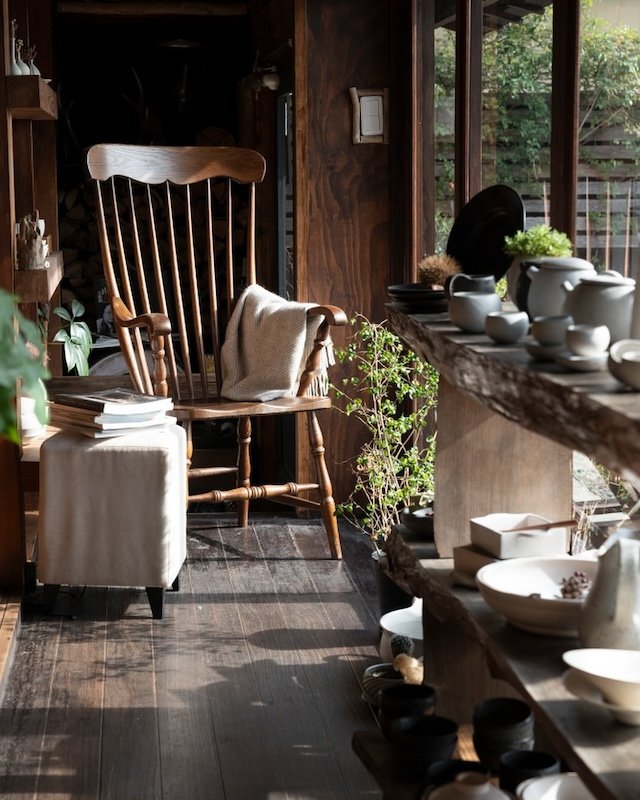
Step inside POJ Studio (short for Pieces of Japan,) to discover incredible craftsmanship from various artisans around the country. Co-founders Hana Tsukamoto and Tina Koyama launched the beautiful space in April 2020 to celebrate a sustainable lifestyle while preserving Japanese arts and traditions through objects and designs of daily life. The space not only promotes newly created collections but is also a curation of vintage pieces from furniture, tableware to incense. Visitors can purchase items displayed throughout the store, or attend a class to learn DIY skills. There are also 1-hour in-person workshops to create or repair various pieces.
 FACEBOOK POJ Studio
Craft Gallery SALUK
Saluk is another exquisite store where travelers can browse through crafts made by local artists. A celebration of stylish metalware, Saluk is where its creator Kanoko Kai sells and showcases her expertise from training at SEIKADO – Kyoto’s 185-year-old silverware company. Known for sleek tin items, the store also offers workshops teaching students how to make tin sake cups. In addition, Saluk is also a gallery of earthy ceramics, chopstick stands, folded fans…and much more.
 FACEBOOK SALUK
Hakuchikudo
 FACEBOOK 白竹堂
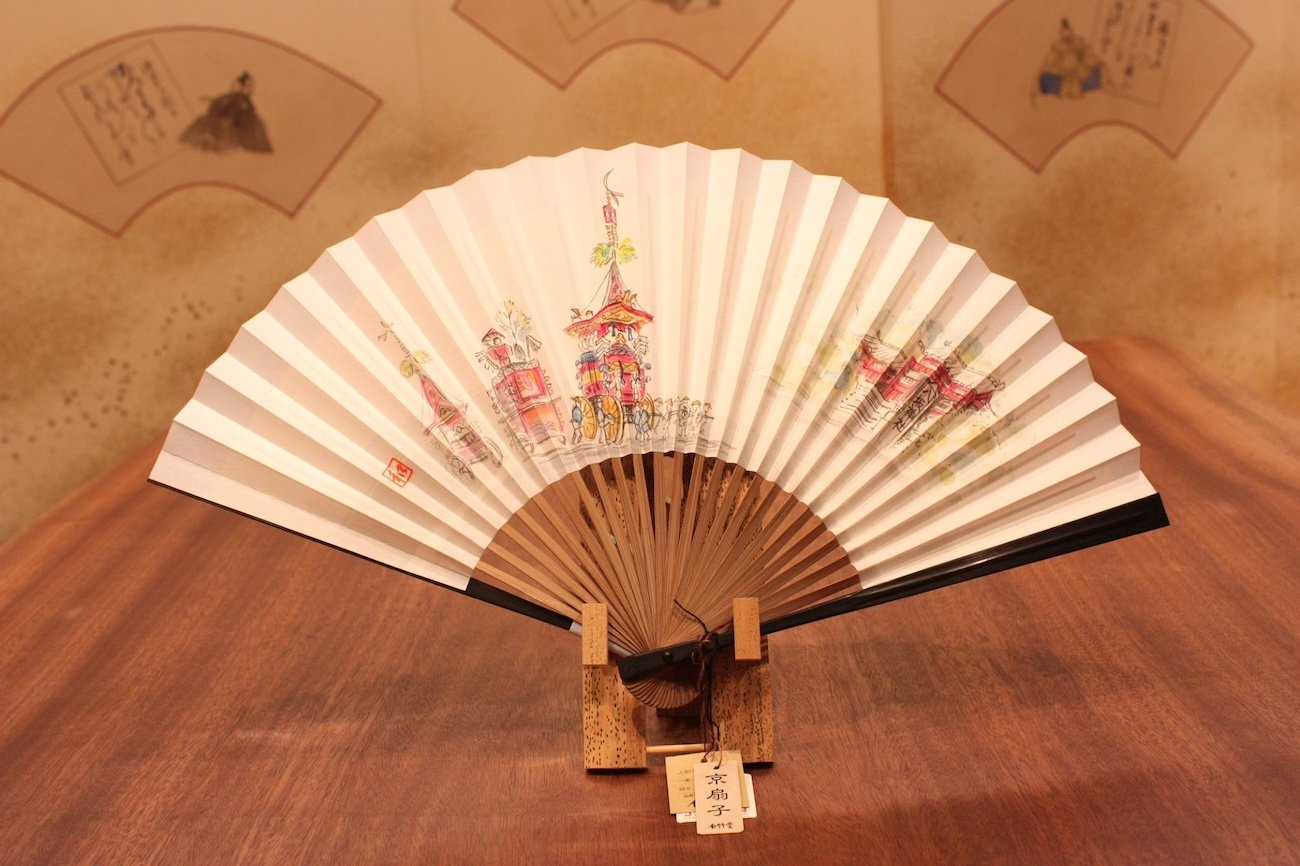
Kyo folding fans, or Kyo sensu, also make stunning souvenirs or gifts for friends and family back home. Mostly produced in Kyoto, folding fans have a long been viewed as coveted artworks that display symbolic designs and patterns, often adorned with gold or silver lacquer. The bamboo used to make the fans are meticulously collected, lightweight and flexible for fanning. In Japanese culture, they’re often used for ceremonies, special occasions, or even on a hot summer day. The best place to purchase a magnificent folding fan is at Hakuchikudo founded in 1718, it features collections that are handmade by expert artisans.

Kōdaiji Temple Ichinenzaka Kanaamitsuji
 FACEBOOK 金網つじ kanaamitsuji
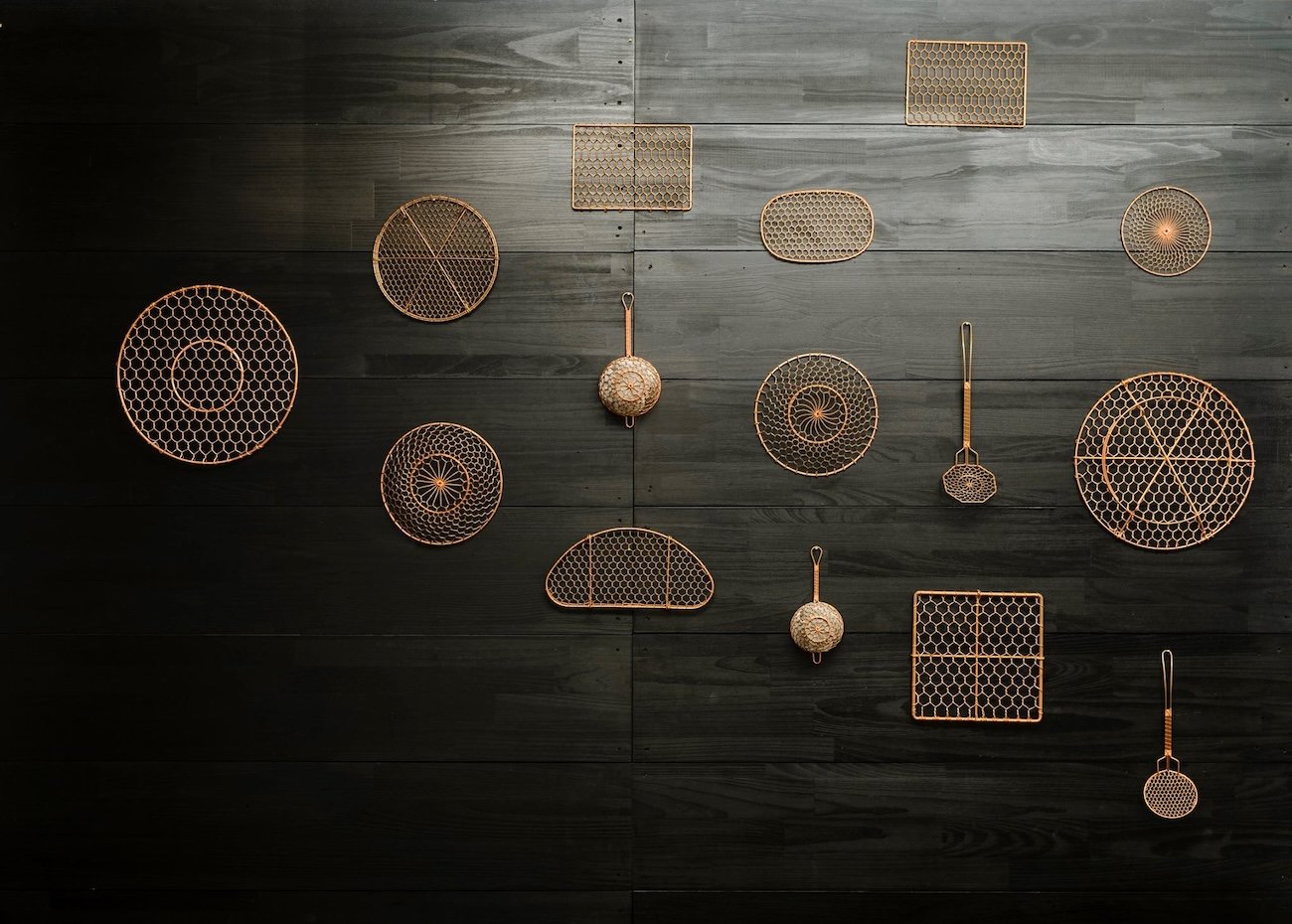
Kenichi Tsuji and his son Toru Tsuji are the talents behind their family-owned atelier, Kōdaiji Temple Ichinenzaka Kanaamitsuji – a workshop specializing in Kyo-Kanaami techniques which refers to metal knitting. The origin of the craft dates back to 1,000 years, but this workshop quite literally weaves artistry into modern kitchenware, braided into contemporary daily lives, including: hand-woven ceramic grill, octagonal tofu server, tea infusers, baskets and even accessories like wire bangles.
Karimoku Commons Kyoto
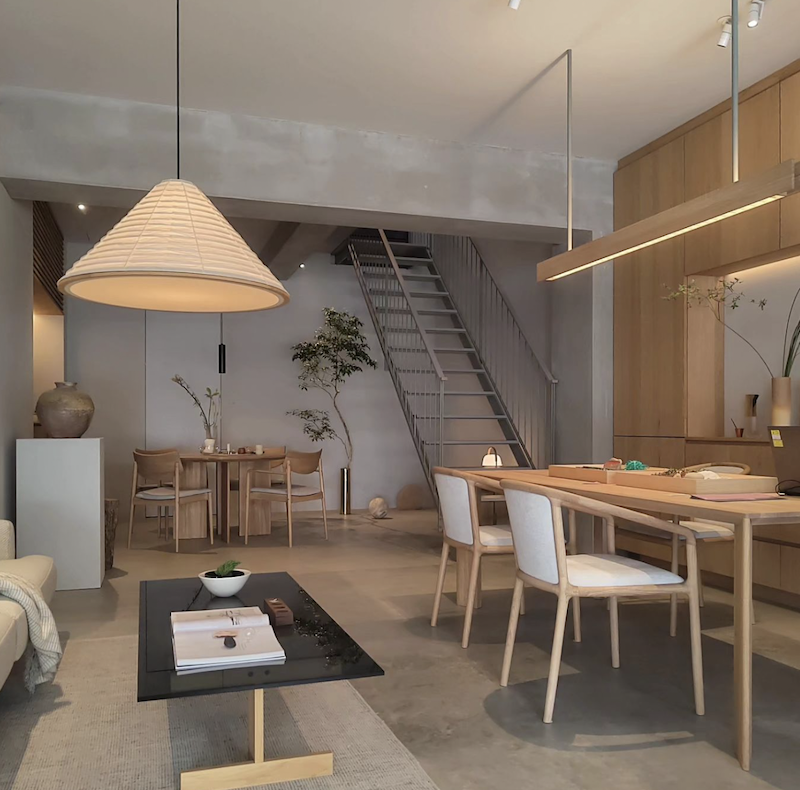
When it comes to Japan’s prominent wooden manufacture, the name Karimoku comes with a stamp of approval. When Karimoku Commons Kyoto was opened in recent years, the three-floor showroom soon became a rite of passage for design fanatics. Housed in a traditional machiya (Japanese wooden townhouse,) the popular space is an eyeopener for visitors to understand Karimoku’s motto: high-tech and high-touch. In addition to browsing through vast collections of high-end furniture, travelers can also witness various woodworking machines and craftsmanship that goes into producing premium pieces.
 INSTAGRAM @m0n_ph0t0
Chiso
Since historical times, kimono was always beyond simply a piece of dazzling Japanese garment. The traditional wrapped-front robe with square leaves was is the national dress of the country, worn with an obi (wide sash,) accompanied by zōri sandals and tabi socks. Dating back to the Heian period, kimono was embraced by Japan’s elites and later worn by geisha and meiko. Today, citizens still wear kimono for special occasions, especially during festivals and ceremonies.
There are many boutiques where travelers can try on kimono, purchase them or opt for vintage pieces that have been worn and cleaned. For the most luxurious kimonos in Kyoto, head over to Chiso’s flagship store which was launched in 1555 when the brand made detailed clerical vestments for monks. Chiso’s handcrafted process elevates its brand to haut couture status, as it often creates bespoke garments with ravishing limited editions.
 FACEBOOK 千總
Ippodo Tea Kyoto Main Store
Another store with a longstanding history is Ippodo which began in 1717 and remains to be Kyoto’s oldest Japanese tea shop. Its tea leaves derive from Kyoto, Shiga and Nara regions where high altitudes permit extreme temperatures in the mornings and evenings, making those locations ideal for high-quality tea production. Of course, to bring home some Japanese matcha is a must. Ippodo is the perfect place to do so, especially delightful with a cup of matcha tea paired with a sweet cake in its tranquil café.
 FACEBOOK 一保堂茶舗 Ippodo Tea
Tsuki no Katsura
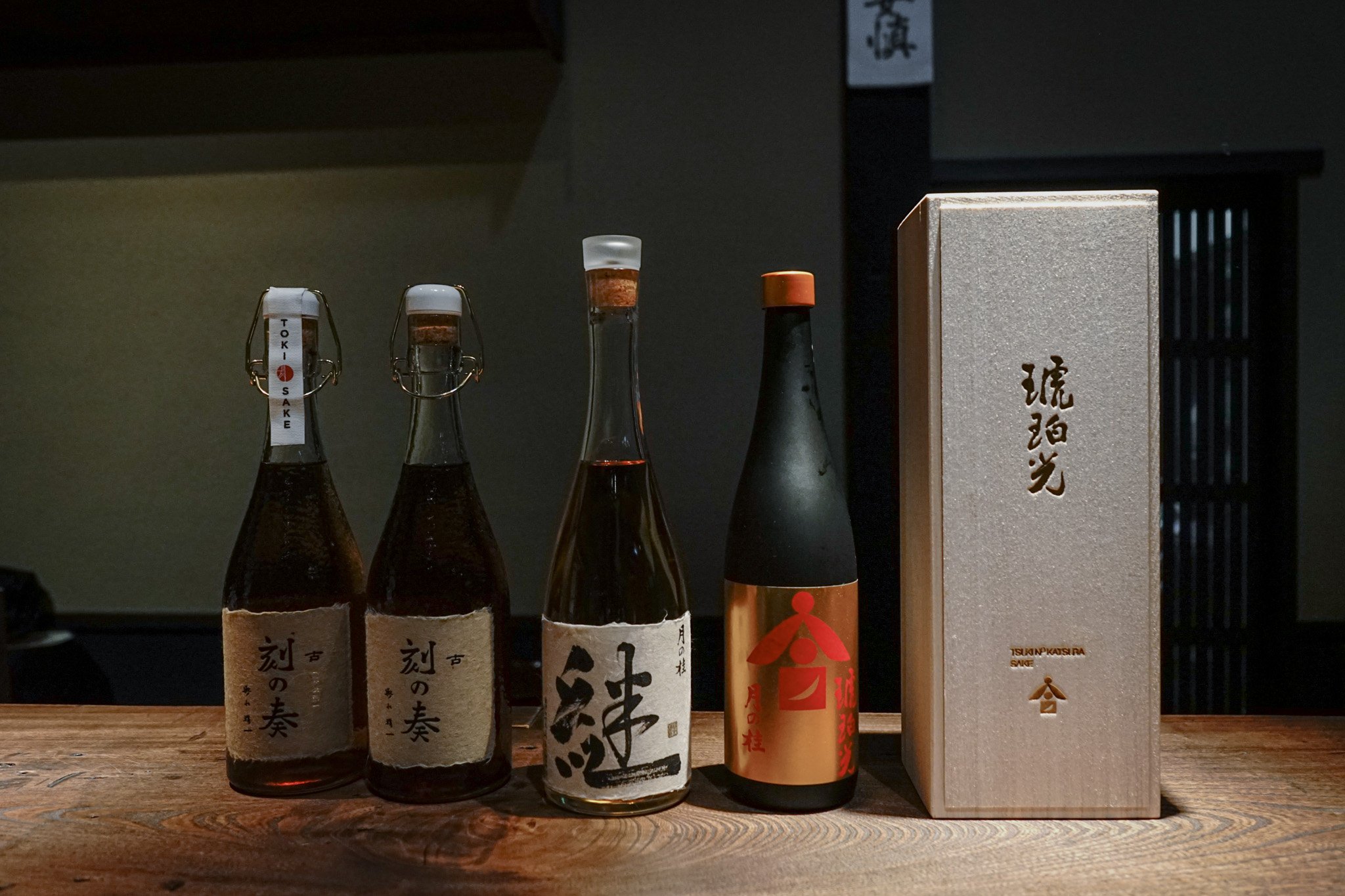 Vintage sakes. PHOTO NADIA CHO
Tsuki no Katsura was established in 1675 and is one of the oldest sake breweries in Kyoto. The recently inaugurated CEO, Junichi Masuda, or Jun, is young, energized and ready with fresh ideas to move the brand forward. Jun is the 15th generation to take over the company, which has been passed down within his family for the last 350 years. Tsuki no Katsura has always had a level of prestige attached to its name. The soft texture and delicately balanced flavor of the sake was highly favored by nobles, writers and sake devotees, ever since the Edo period. SEE ALSO: Inside Tsuki no Katsura: 350 Years Of Kyoto’s Most Prestigious Sake
Kyukyodo
Renowned for attention to detail and high-quality designs, Japanese stationary is another widely coveted souvenir. Head over to Kyukyodo which opened its doors in 1663 as a stationary store originally for medical goods. Also partial to premium incense, the brand was the official stationer to Japan’s Imperial Family from 1891 to 1945. In the store, there’s a large variety of washi (Japanese paper rolls,) calligraphy brushes, letter envelopes, folding fans, gift sets…and more.
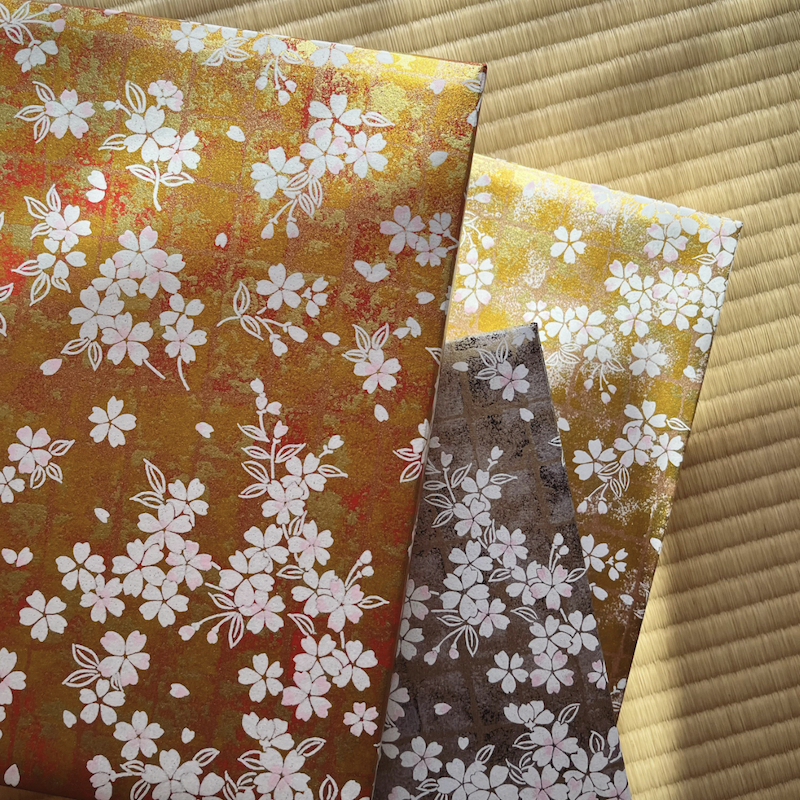 INSTAGRAM @kyoto.kyukyodo
Kojima Shoten
Kojima Shōten goes back 220 years, when the lantern-making company lit up ancient temples and shrines throughout Japan. A distinctive element of Kyoto lanterns is “jibari-style,” or affixing, rather than wound bone style. With Kojima Shōten’s traditional approach, it requires thicker bamboo and paper, which needs longer time to produce each lantern. But the end result is strength in durability and stronger in texture. Kojima Shōten is one of three workshops in Kyoto that continues jibari-style, making it a luminescent brand to look out for.
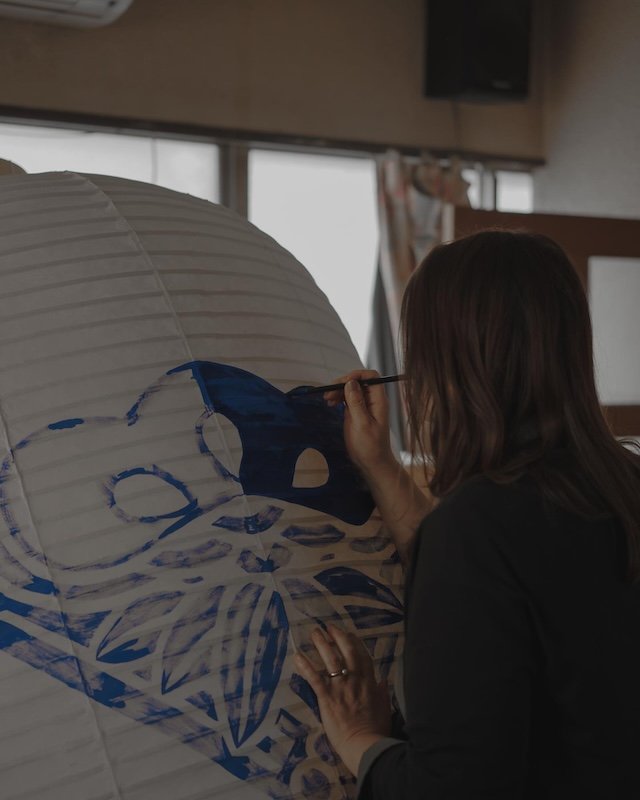 FACEBOOK 小嶋商店 Kojima shoten
