
From ryokans, hotels to guesthouses. Here’s a breakdown of Kyoto’s neighborhoods so you can find the best area to suit your travel needs.
Temples, shrines, Michelin-starred restaurants and museums; Kyoto is full of ancient history and mystic stories to uncover. The city is marked by different district that boast legendary landmarks and unique characteristics. Each can serve a certain type of traveler, from nature lovers to history buffs. Here’s a breakdown of neighborhoods in Kyoto, so you can maximize your time in this breathtaking city.
View this post on Instagram
If you prefer to be close to landmarks, shops and restaurants, then staying in Downtown Kyoto would be the most convenient option. It’s connected to both the city’s subway and train lines. Despite its ideal location, it can be jam-packed with tourists. For those who crave for a quieter stay in Kyoto, this might not be the most ideal choice.
Don’t miss: Nishiki Market, Ponto-cho district with lots of cocktail bars, Kyoto International Manga Museum, shopping in Shijo District, Southern and Northern Higashiyama.
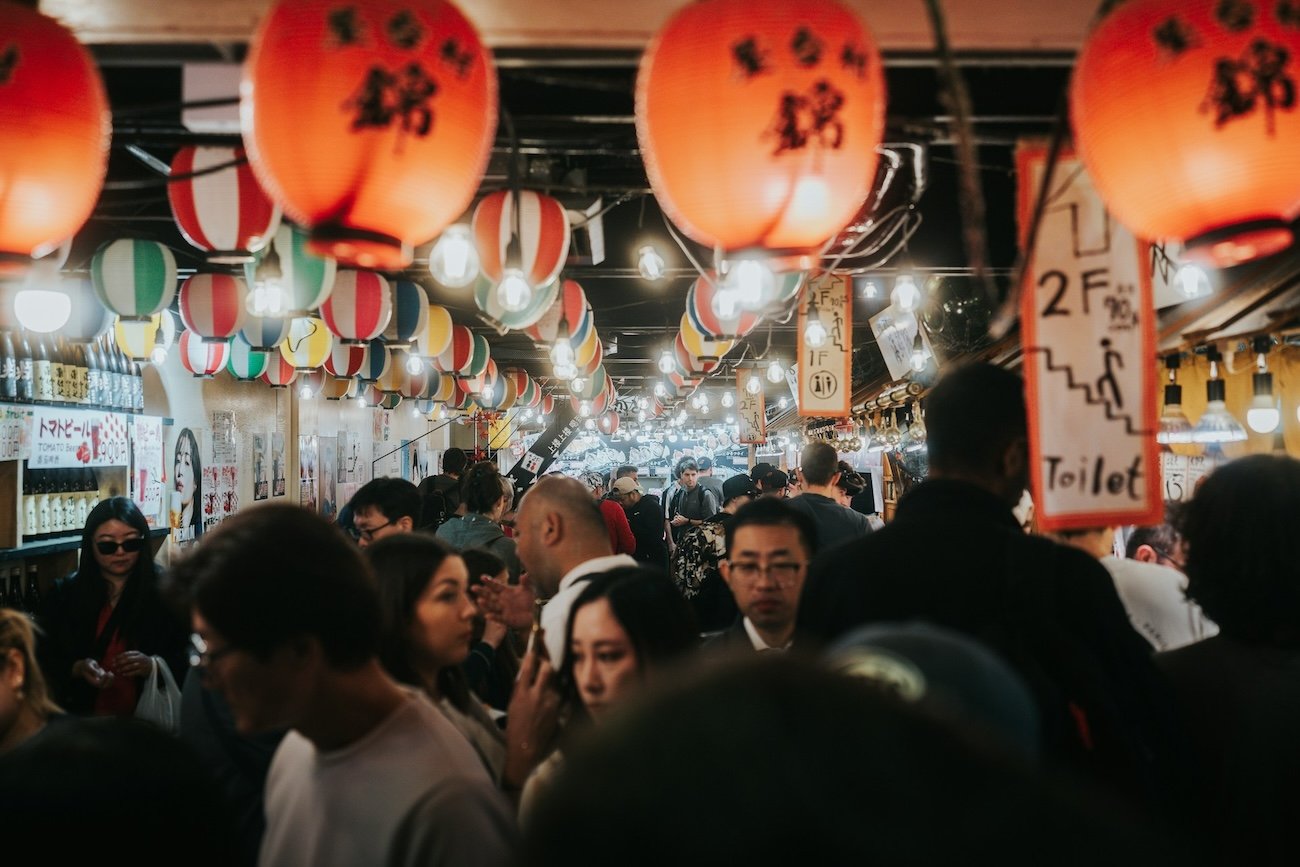 Photo by Dex Ezekiel on Unsplash
For a throwback and the ultimate Kyoto experience, Southern Higashiyama might be the best neighborhood for those who love culture and history. Not only is it spotted with Kyoto’s most iconic monuments, you’ll be in the heart of Gion District – home of geisha houses, temples, shrines, and tea houses.
Don’t miss: Kiyomizu-dera Temple, Gion District, Kenninji Temple, Yasaka-jinja Shrine, Shoren-in Temple, Chion-in Temple, Kodai-ji Temple, Kyoto National Museum and Ishibei-koji Lane.
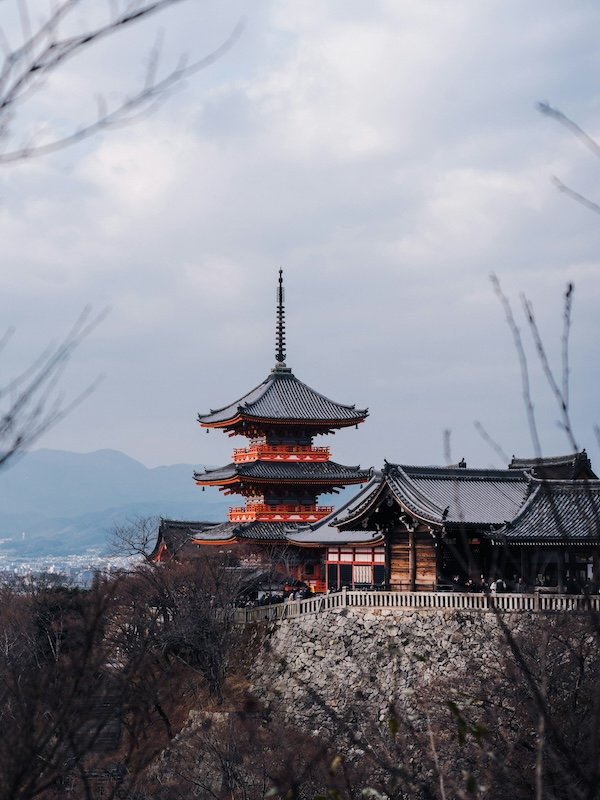 Photo by ZHIJIAN DAI on Unsplash
Kyoto Station might not be a great area for sightseeing, but it’ll save you time if you’re in Kyoto for a day or two, while traveling in and to other parts of Japan. Surrounded by the station is a plethora of restaurants, cafés and shops. The architecture of the station itself is historic in its own right, as Kyoto Station is also one of the most crowded train stations in Japan.
Don’t miss: Higashi Hongan-ji Temple, day trips to Osaka or Nara.
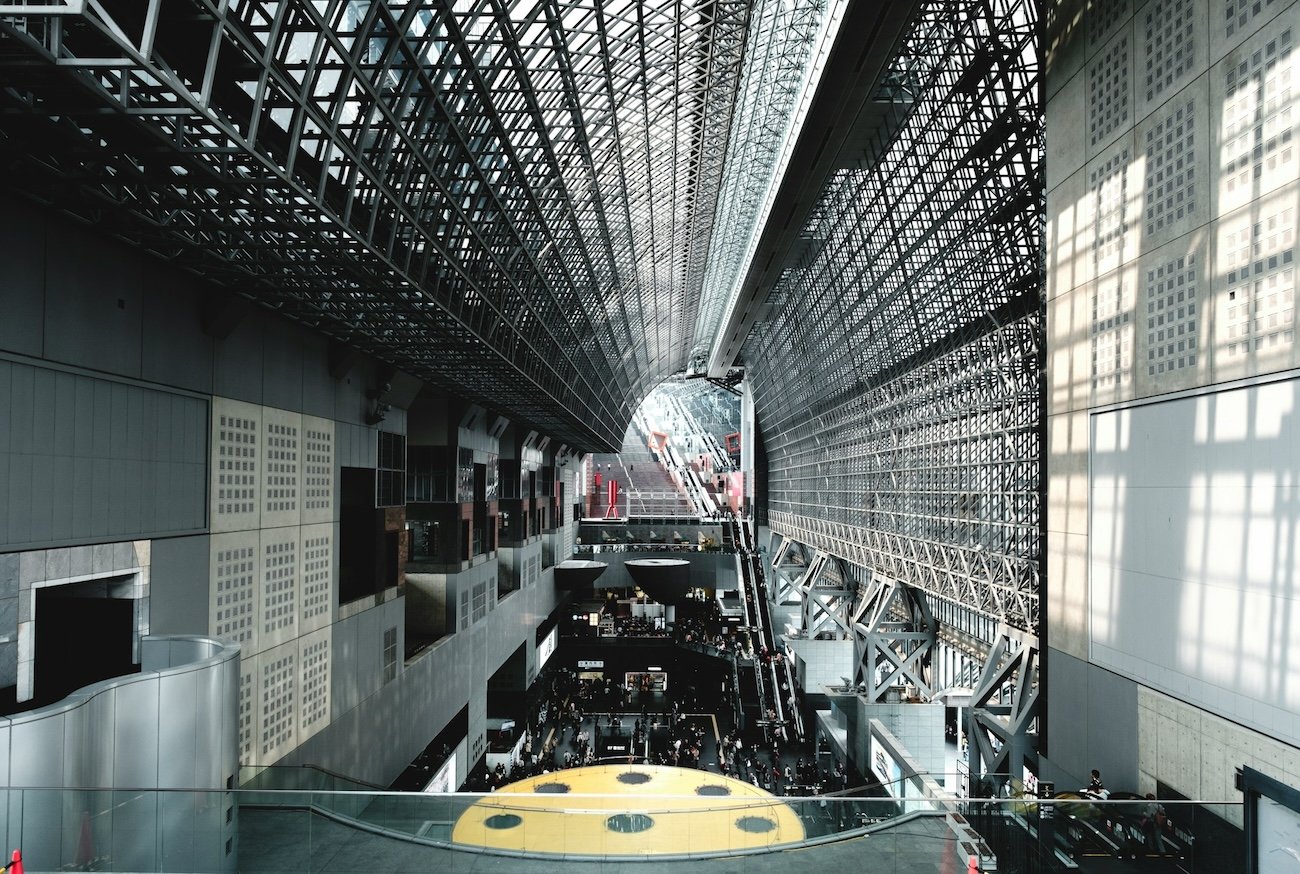 Photo by Jonas Jacobsson on Unsplash
Despite that it might not be the closest area to most landmarks, Central Kyoto is still a good option since it’s stacked with restaurants and hotels. Although indicated as “central,” this part of the city isn’t the most popular among travelers. Hence, if you want to steer away from tourists, Central Kyoto is probably not a bad idea. The entire area is quite flat, so you can get around by walking or biking.
Don’t miss: Nijo Castle, Kyoto Imperial Palace Park, and Daitoku-ji Temple.
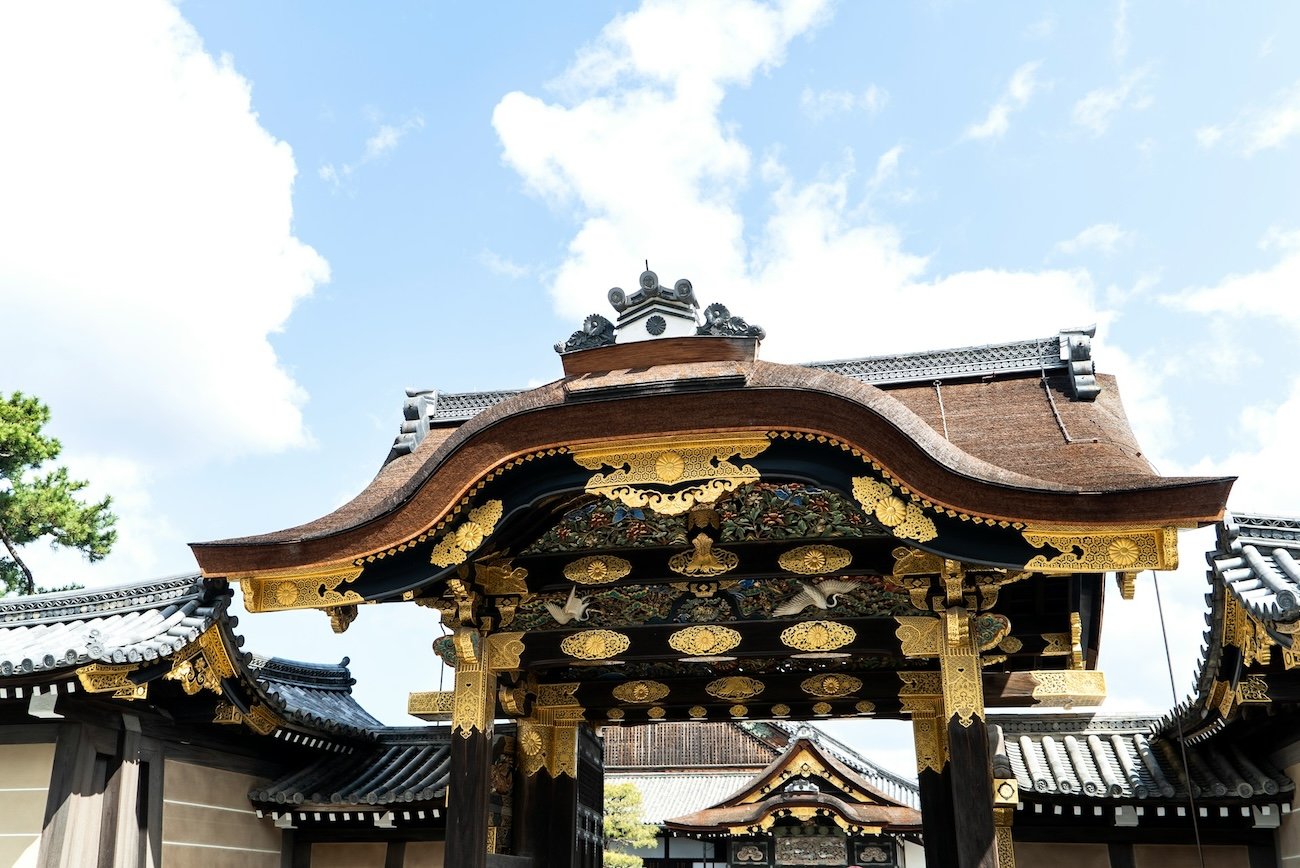 Photo by David Emrich on Unsplash
Since there are quite a few ryokans and traditional guesthouses in Northern Higashiyama, this neighborhood is made for travelers that want tranquility and a quieter vacation. For art lovers yearning to explore Japanese art, this area is also accessible to Kyoto’s museum quarter.
Don’t miss: Higashiyama Jisho-ji (Ginkaku-ji Temple) or the Silver Pavilion, Tetsugaku No Michi (Path of Philosophy,) Nanzen-ji Temple, Hōnenin Temple, Okazaki Park, Kyoto City KYOCERA Museum of Art, National Museum of Modern Art, and Heian Shrine.
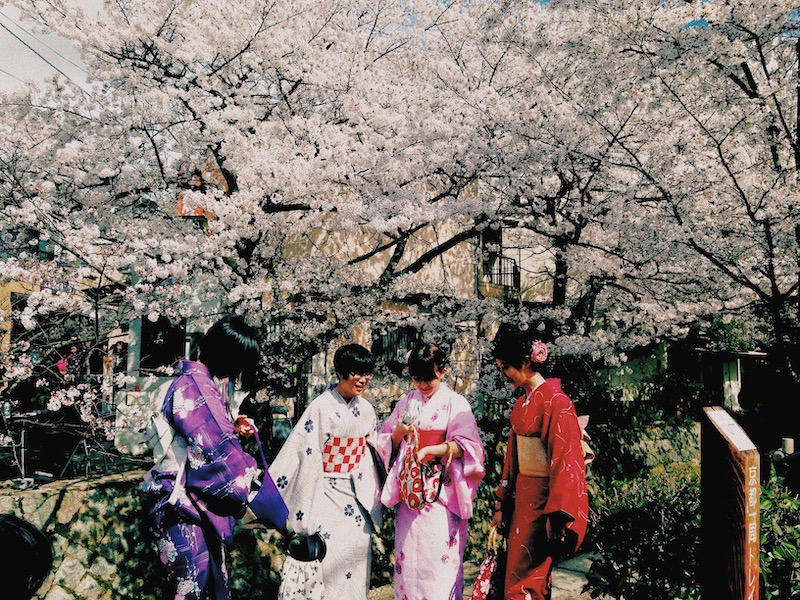 Kyoto, Japan. PHOTO WENDY HUNG
Arashiyama Bamboo Forest might be a bit further out from city center, but for nature lovers, this neighborhood is a dream. You’ll also find some of the most luxurious ryokans and hotels here that boast the serene beauty exuded by Arashiyama, enhanced by the backdrop of regal mountains. If you’re visiting during cherry blossom season, however, expect Arashiyama to be packed with tourists.
Don’t miss: Arashiyama Bamboo Forest, Tenryu-ji, Okochi Sanso Garden, and Arashiyama Monkey Park Iwatayama.
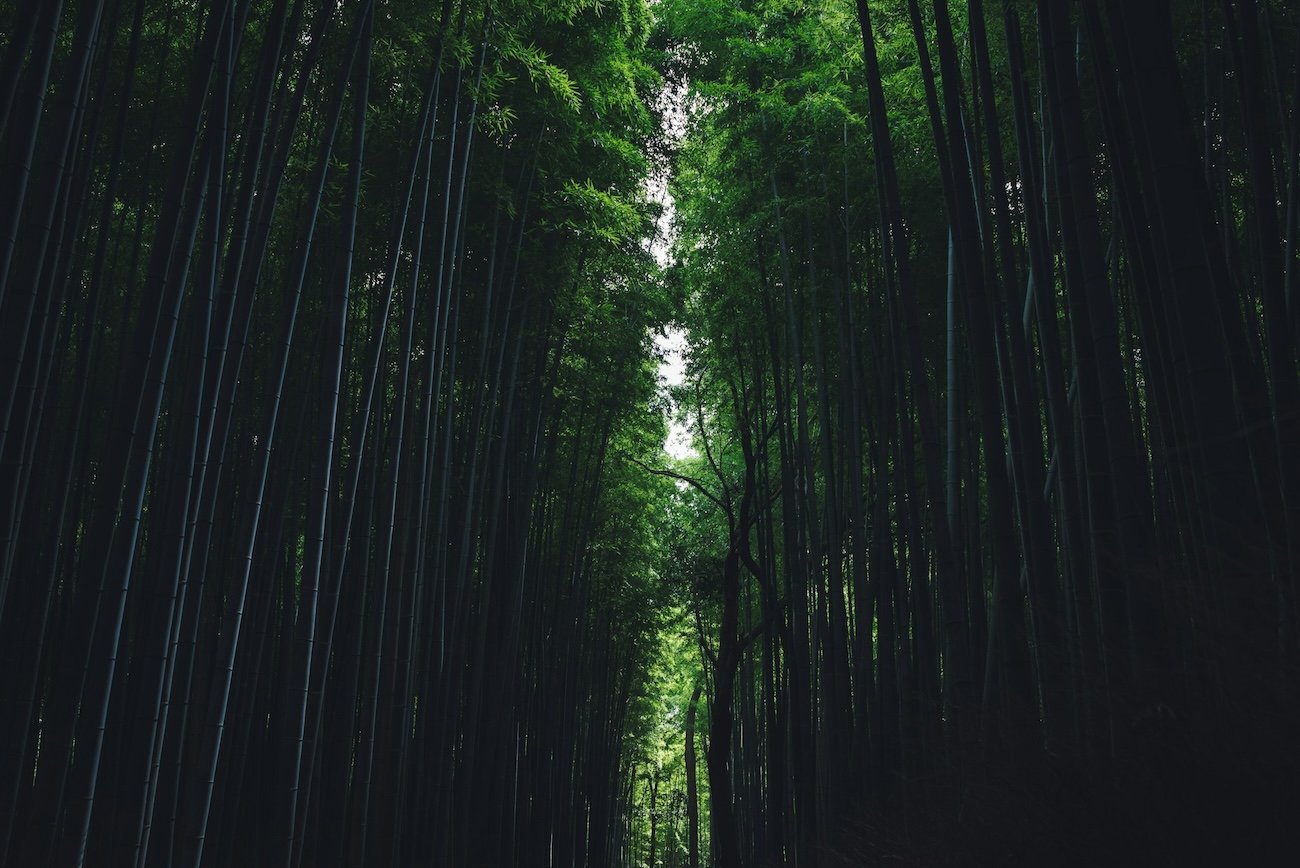 Photo by Masaaki Komori on Unsplash
Approximately 40 minutes by car or an hour and 30 minutes by train, you can reach the northern region of Kyoto: Kibune, where romantic ryokans have continuously captivated travelers looking for a peaceful escape. Alongside the charming Kibune River, you can stop by to try various restaurants constructed over wooden platforms on top of the river.
Don’t miss: Kifune Shrine, hiking trail to Kurama-dera Temple.
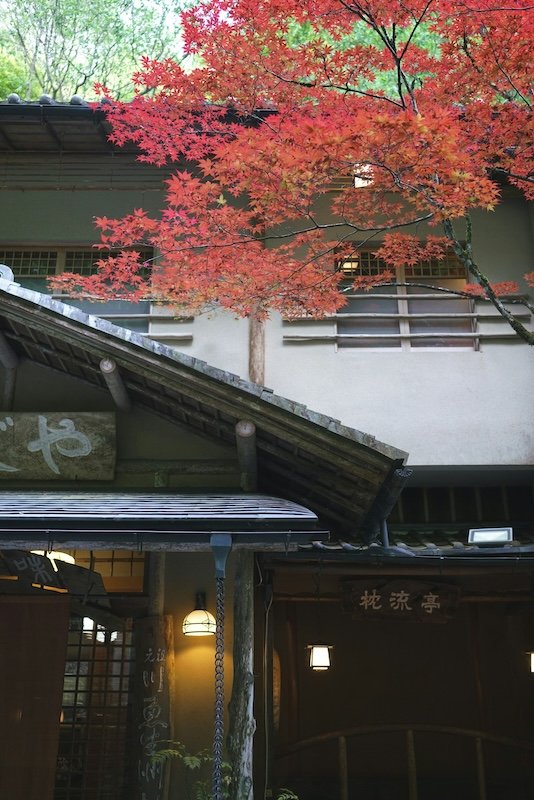 Photo by Gabriele Stravinskaite on Unsplash
