The story revolves around a scrooge who lives in a restaurant district, above an eel shop.
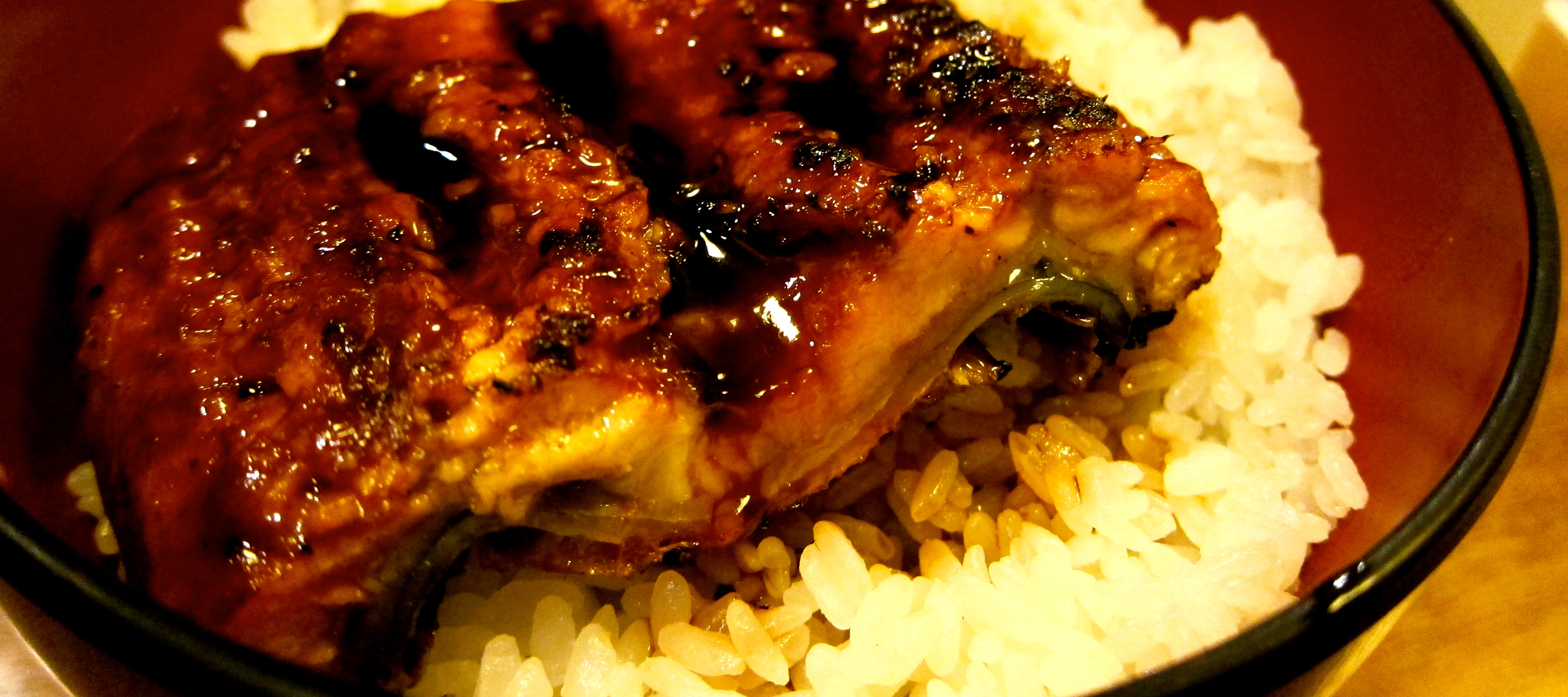
In Japan, storytelling is an art. Indeed, the recounting of tales – mythical and historical – has been a salient component of many forms of art. Consider the Japanese folding screens that tell of the Tale of Genji panel by panel, the pictorial narrative depicted in Edo hand scrolls, and of course, rakugo. Rakugo, literally falling words, is a form of Japanese verbal entertainment that features a single storyteller armed with nothing but a paper fan, and a handkerchief. With the help of his minimal props, a vast memory of Japanese folktales and a surprisingly dynamic voice, he tells a comical story that ends with a punch line designed to catch the audience off guard. While in Japan, I heard one particularly memorable story that I’d like to share. The story revolves around a scrooge who lives in a restaurant district, above an eel shop.
In order to save himself money, he would make himself nothing but a bowl of rice, for every night, with his steaming bowl of rice, he would lean out of his window, and stick his head in the smoke that rose from the eel shop below. And so, with a great sense of imagination and a stingy pocket, he would have eel rice every night.
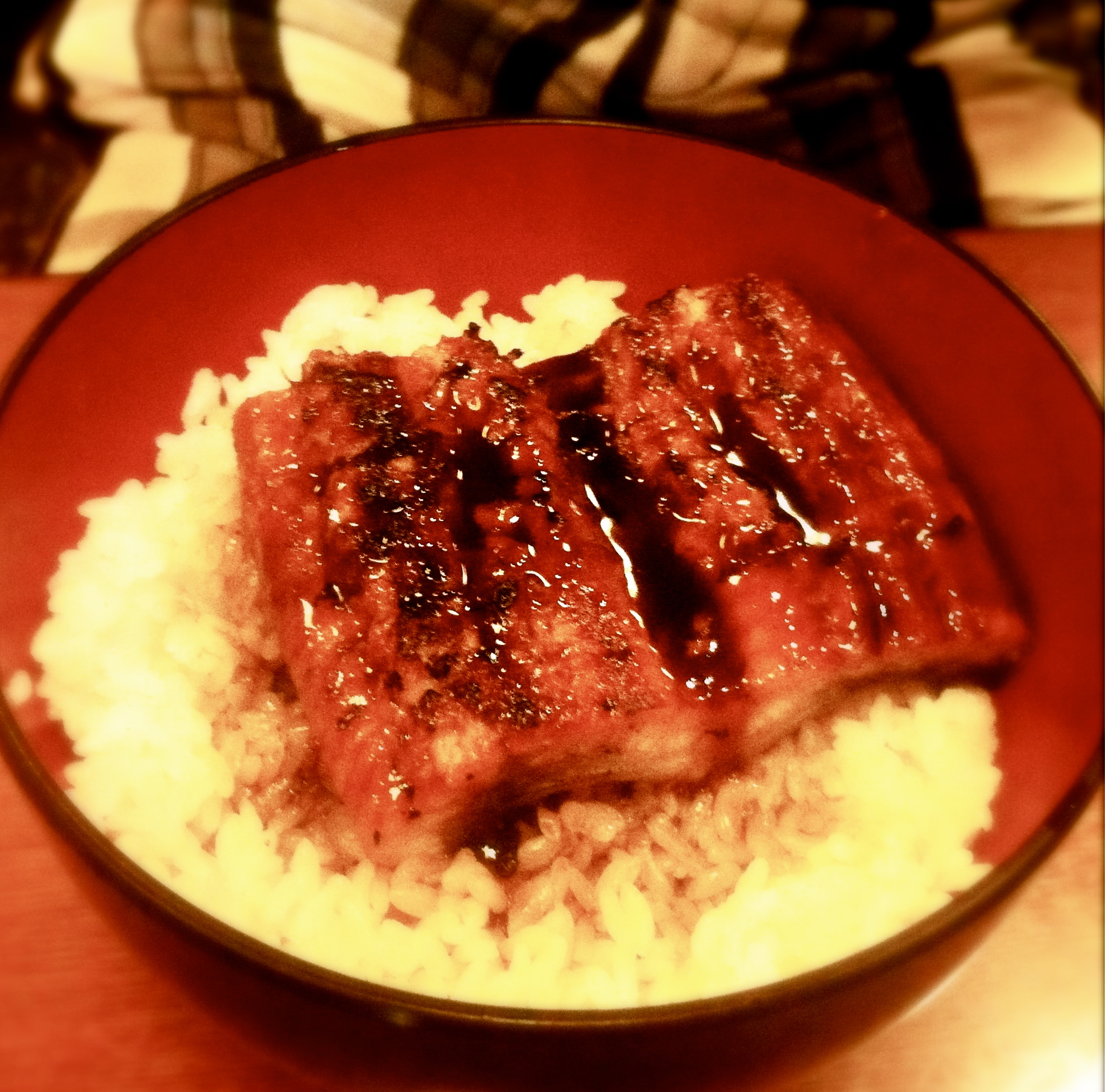
After a while, however, the eel shop owner had had enough of the free-rider living above. So, he marched up to the stingy neighbor’s apartment, and demanded him pay for all the eel rice he was having. The scrooge nodded his head, and went to take out his purse, which he emptied onto the floor with a great amount of clatter. He then gestures, and says, “We’re even then.”
Furious, the eel-shop owner asks, “What, are you not paying me?”
“Of course! Just as you charge me for the smell of your eel, I have paid you with the sound of my cash.”