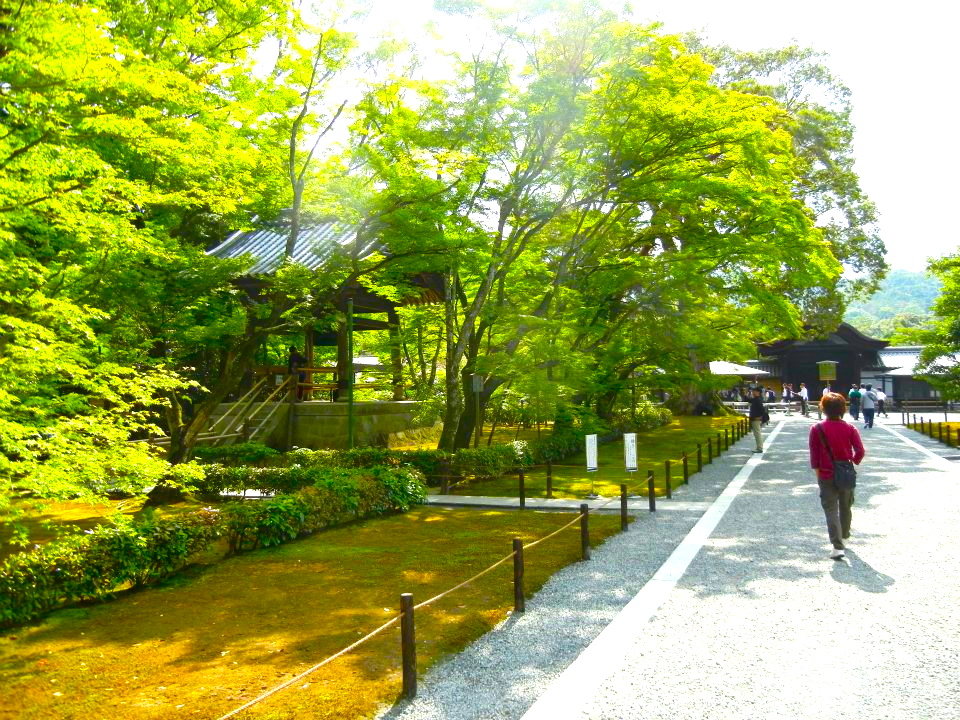
Encountering the Wabi Sabi aesthetic at Kinkakuji.
The 14th century was the zenith of the Ashikaga family’s power. First, shogun Ashikaga Yoshimitsu gilded an entire pavilion in gold—the illustrious Kinkakuji, or the Temple of the Golden Pavilion. Then, his grandson, shogun Ashikaga Yoshimasa, planned to plate a similarly-constructed pavilion of his own in the more subtle element of silver. However, due to war and diminished funds, Ginkakuji (aka the Temple of the Silver Pavilion) was left unfinished. All that can be seen today is its elegant wooden exterior. Whether or not out of necessity, there is a stark contrast in aesthetic value between these two Ashikaga shoguns. While Yoshimitsu burdened natural wood with sheets upon sheets of gold, Yoshimasa left wood and paper untouched.
Thus, a new aesthetic of flawed beauty, or wabi sabi, was born. Seven principles define wabi sabi: asymmetry, simplicity, patina, naturalness, profundity, transience, and serenity. Each of these highlight the decaying and imperfect aspects of objects, and in turn, those imperfections conceal their inherent beauty, heightening our aesthetic appreciation.
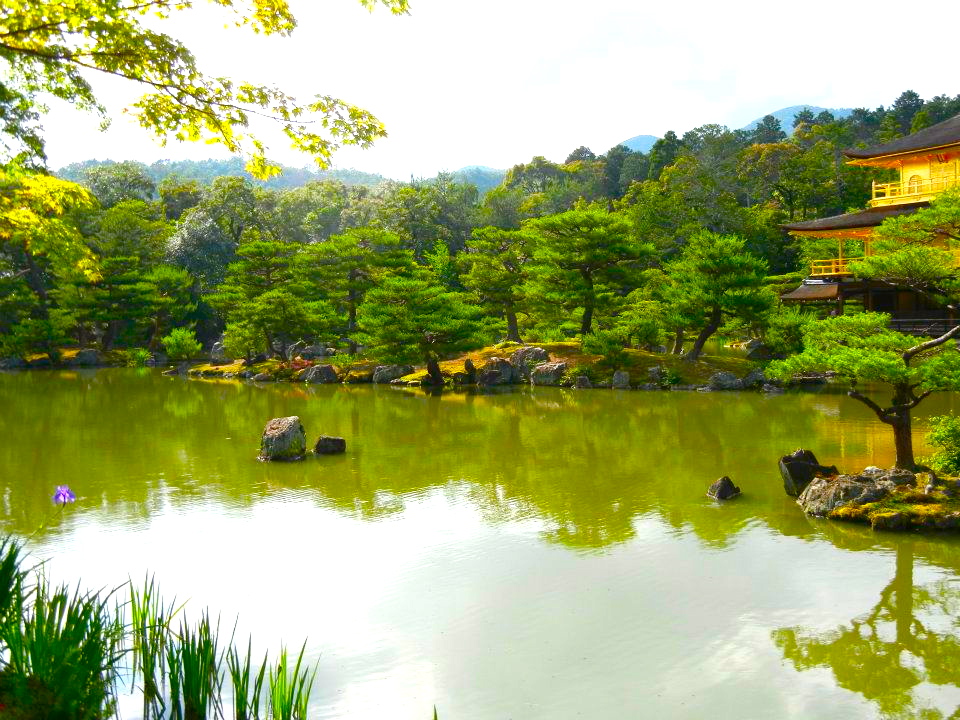
Naturally, when I visited the Golden Pavilion, I was surprised to find plenty of wabi sabi elements present around the temple grounds, as if Yoshimasa’s glittering gold only served to emphasize its surroundings, rather than calling attention to itself.
On the simpler manmade structures along the temple grounds, I noted the numerous types of wood and their superior craftsmanship. It was as if these structures were merely some warped region of forest. The materiality of the simple wooden grains connected the paper interiors with the natural exteriors. Indeed, their eaves blended into the canopies of Japanese maple.
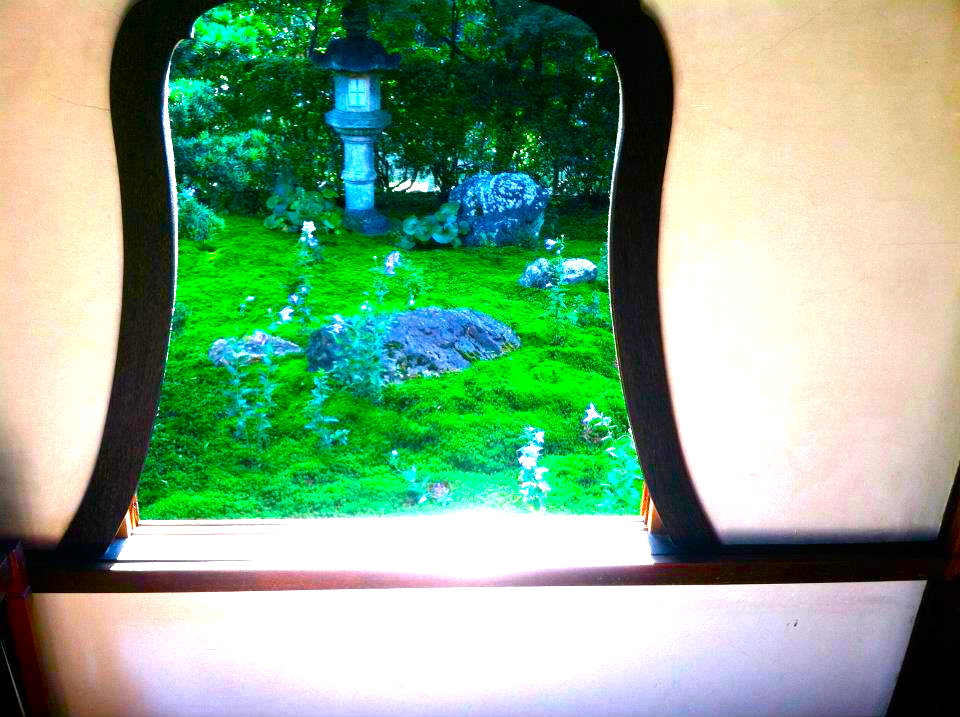
Kinkakuji’s simpler structures seemed mere garden accompaniments. There was no gaudy opulence— not one trace of gold, brocade, and gemstone to be found in these serene lodgings. Those were left to the Pavilion. Nature itself—with its glittering sun and tapestries of hanging leaf—provided the décor, without the artificiality of ornament. The rooms were spare, as if to let the people themselves with their abstract qualities, their wit and bearing, define the space, containing within themselves the very arts they may have wished to see color the walls.
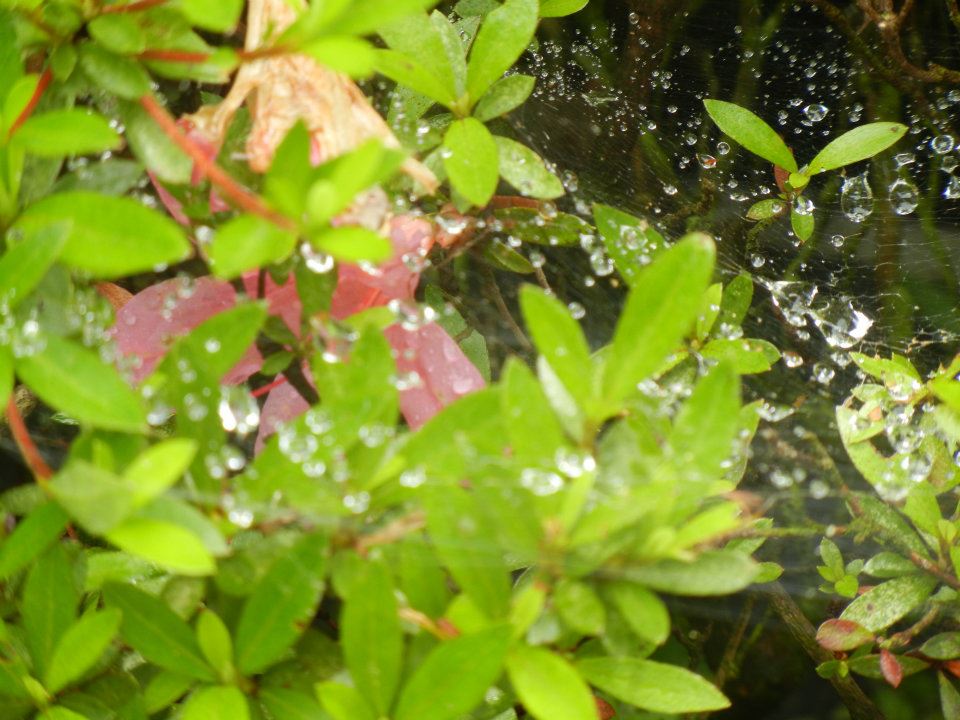
Eventually, I grew so inspired that I began to utterly disregard Yoshimasa’s shining manmade marvel; as the gold and wood faded into the backdrop, my eye instead began to prioritize the dirt, gravel, and crumpled leaves. Suddenly, I searched for the beauty of decaying flowers, spotted with dew and strung together with spider silk. I admired the smooth texture of ringed worms— how they wriggled in sharp shards of grit, curling in pain. I gazed deeply into the dark mouths of koi fish, gasping in nearly dying breath the moment just before their mouths choked with pond water. Indeed, these imperfections coincided with the hidden beauty of each object: the thin permeability of petals, the silky sheen of worm skin, the damp hollowness of fish.
The vulnerability of beauty defines them. While we notice them for a moment in the morning, they cannot possibly survive until evening.