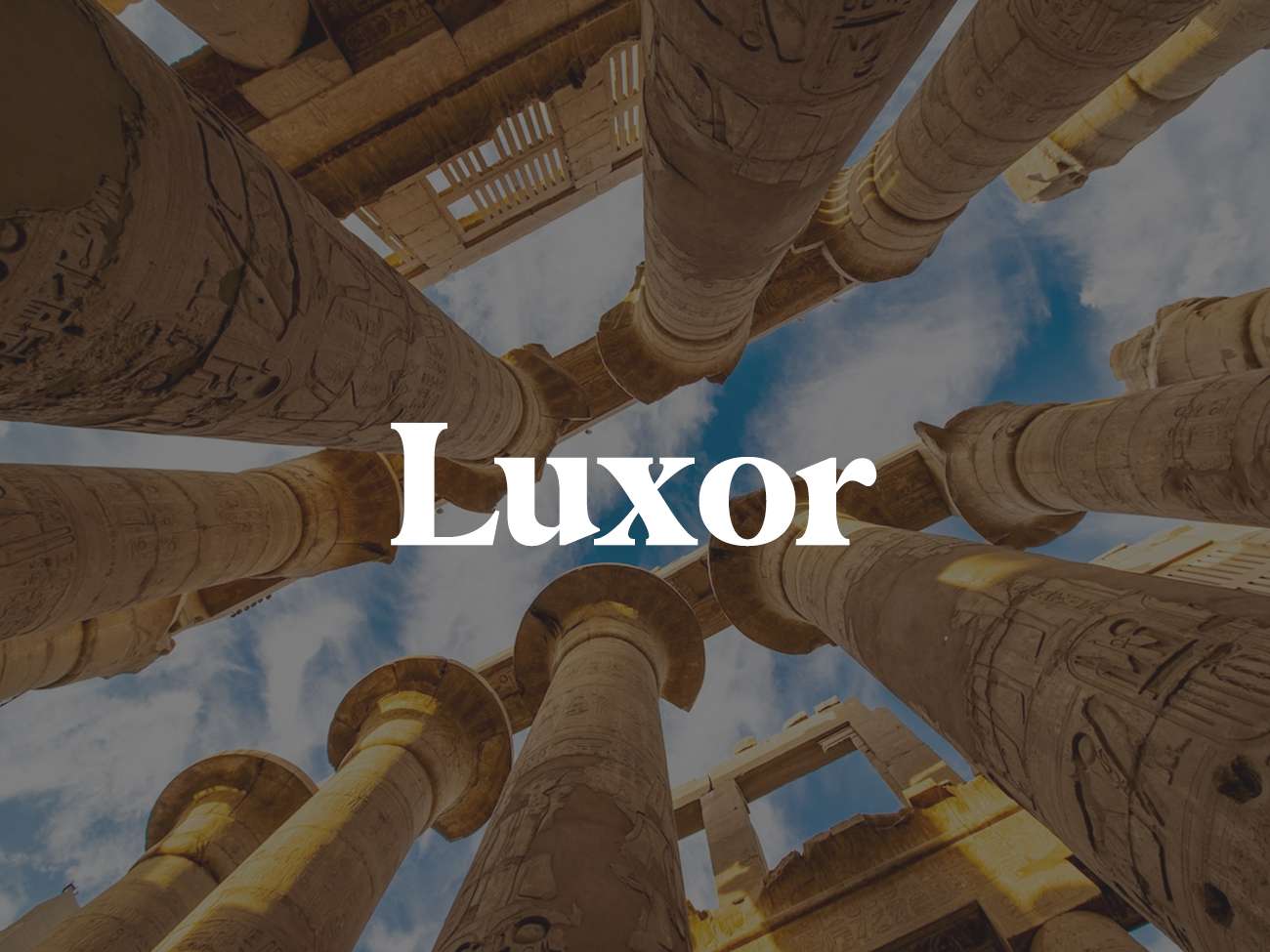
At Valley of the Kings; travelers witness the scale of royal ambition, the artistry of Egyptian craftsmen, and the belief in life after death that shaped one of history’s greatest civilizations.
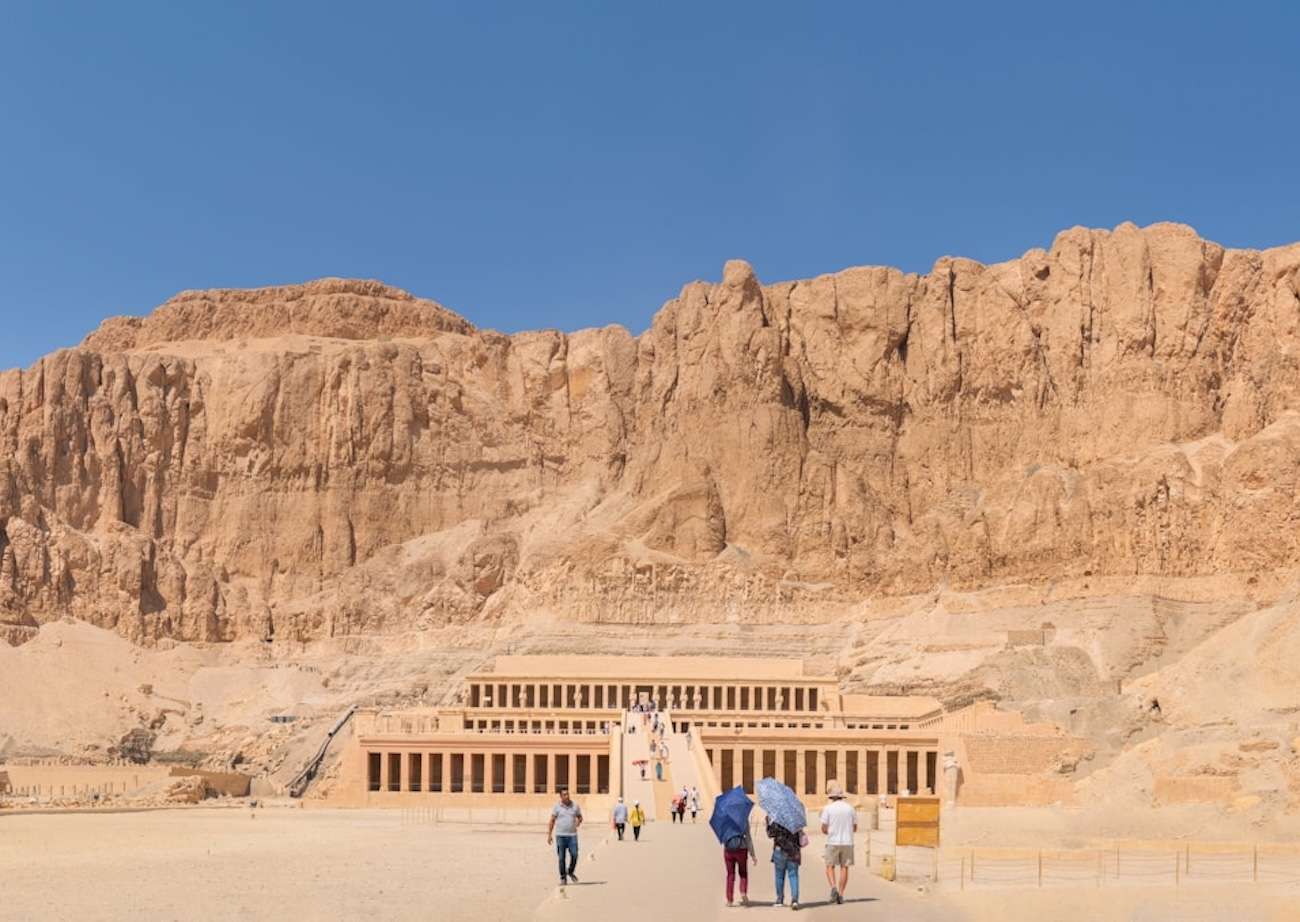 Photo by Siddhesh Mangela on Unsplash
Hidden in the rugged cliffs of the Theban Hills on the West Bank of Luxor, the Valley of the Kings is one of the world’s most iconic archaeological sites. This ancient necropolis served as the burial ground for pharaohs, nobles, and powerful officials of Egypt’s New Kingdom (16th–11th centuries BCE), preserving treasures and secrets that continue to fascinate historians and travelers alike.
The valley was first established as a royal burial site by Thutmose I, and over 60 tombs were carved into the limestone cliffs over the next 500 years. Among the most famous is the tomb of Tutankhamun, discovered by Howard Carter in 1922, which revealed an unprecedented trove of artifacts that illuminated the opulence and religious beliefs of ancient Egypt. Other notable tombs include Ramses II, Seti I, and Horemheb, each with walls adorned with hieroglyphs, vivid murals, and depictions of the afterlife, reflecting the pharaohs’ journey to eternity and their connection to the gods.

Don’t miss:
- Rock-Cut Tombs: Each tomb was carefully hewn into the cliffs, featuring corridors, chambers, and burial halls designed according to the deceased pharaoh’s status.
- Wall Paintings and Reliefs: The tombs’ interiors are covered with colorful scenes from the Book of the Dead, depicting gods, goddesses, and magical rituals intended to guide the deceased safely to the afterlife.
- Sarcophagi and Burial Goods: Many tombs housed elaborately carved stone sarcophagi, furniture, jewelry, and ceremonial items — objects designed to ensure the pharaoh’s comfort and immortality.
- Innovative Layouts: Tombs such as KV17 (Seti I) demonstrate sophisticated architectural planning, with multiple chambers, hidden passages, and intricate symbolic decoration intended to confuse grave robbers and honor the divine.
Travel Tips for Visitors
- Best Time to Visit: Early morning or late afternoon to avoid heat and crowds, especially in summer.
- Tickets: There is an entry fee for the main tombs, and an extra fee for visiting special tombs like Tutankhamun (KV62) or Seti I (KV17).
- Guided Tours: Hiring a licensed guide or joining a small group tour enriches the visit, providing context for hieroglyphs, symbolism, and history.
- What to Wear: Light, breathable clothing and comfortable walking shoes are essential — the terrain is rocky and uneven.
- Photography: Cameras are allowed in most areas, but some tombs may have restrictions. Bring a hat, sunglasses, and sunscreen for sun protection.
- Accessibility: The site involves walking over rough terrain; some tombs require climbing steps or ramps. Consider your mobility before choosing which tombs to enter.
- Combine with Nearby Sites: Pair your visit with Medinet Habu, the Colossi of Memnon, and the Mortuary Temple of Hatshepsut for a full West Bank experience.
- Refreshments: Bring water, as there are limited facilities inside the valley. Small vendors may offer snacks and drinks outside the entrance.
- Audio Guides: Some tombs provide audio guides that narrate the significance of the murals and hieroglyphs.
- Seasonal Considerations: Winters are milder and more comfortable, while summers can be extremely hot.
- Respect the Site: Touching the walls or carvings is strictly forbidden — preserving the ancient artwork is critical.
Address:
Luxor, Luxor Governorate 1340420, Egypt
Hours:
| Monday | 6 am–5 pm |
| Tuesday | 6 am–5 pm |
| Wednesday | 6 am–5 pm |
| Thursday | 6 am–5 pm |
| Friday | 6 am–5 pm |
| Saturday | 6 am–5 pm |
| Sunday | 6 am–5 pm |