
The art of combining coffee with a good book result in this café in La Havana; a true gift to the Cuban community.
 FACEBOOK Cuba Libro
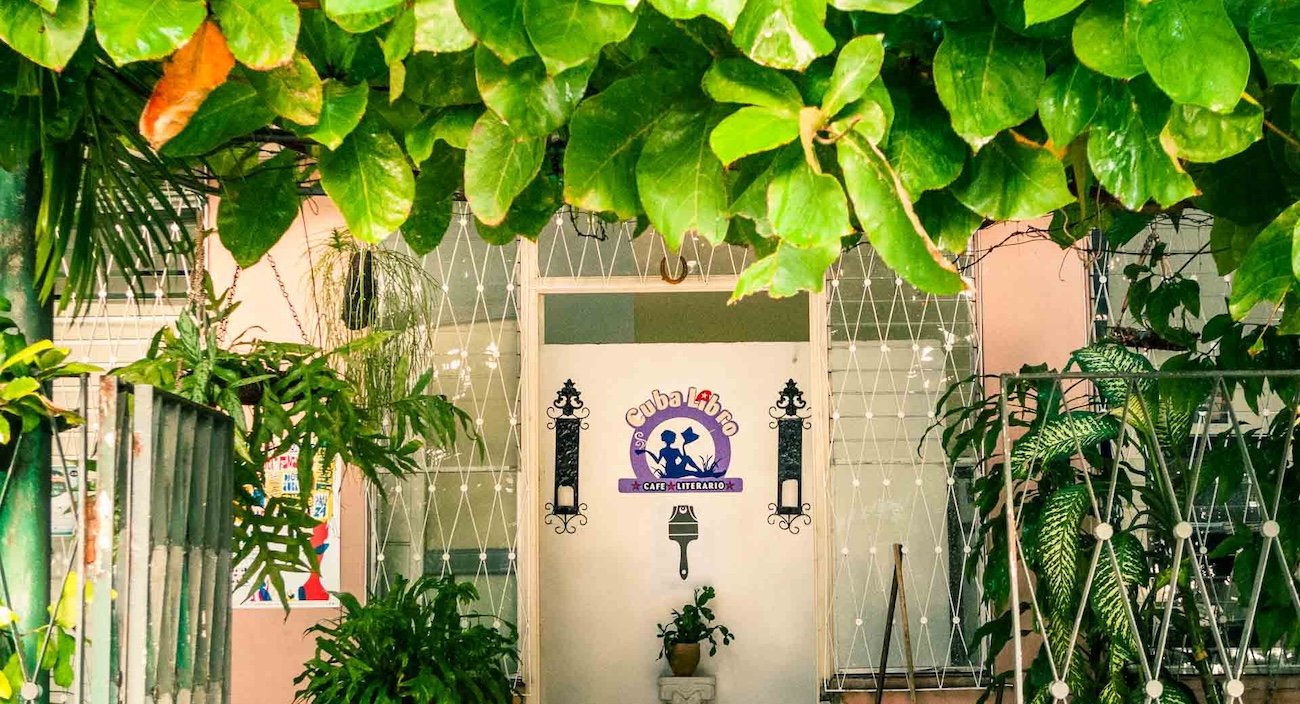
Cuba Libro was established in 2013 in a small corner of Havana and has become an oasis for all who visit. Designed as a gathering hub for enjoying a good coffee and soaking in the café’s ambiance, it gradually carved out its place in the capital of Cuba.
Today, Café Libro stands as a true landmark in the city, showcasing passion for good coffee and literature with a broad selection of English-language works, alongside the rich tapestry of Cuban culture. The project is also deeply committed to supporting the local community, organizing lively cultural events on its terrace, and providing donations for various social causes. It serves as a haven of peace, welcoming individuals from all ethnicities, nationalities, and backgrounds; a gift to the Cuban community, where the main rule is to enjoy and respect the friendly atmosphere fostered by its staff.
We recently had the opportunity to interview Conner, the creator of Cuba Libro, who shared intriguing details and stories about this beloved Havana café.
View this post on Instagram
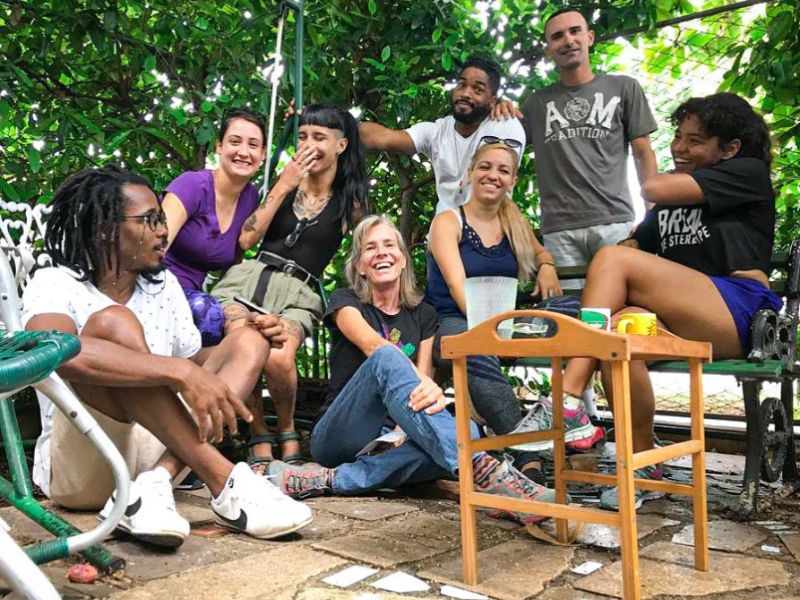 Photo by @cubalibrohavana
What’s the story and the philosophy behind this project? What was the purpose of founding Cuba Libro?
I founded Cuba Libro with a specific vision and mission to strengthen our community through providing a third/safe space serving healthy food and drink at affordable prices, paired with opportunities to learn, improve health, well-being, and expand horizons.
I first came to Cuba in 1993 to volunteer in the fields and moved here in 2002 from New York to report on the health system. This gave me a unique perspective on where the public social safety net was lacking and how a local development project like ours might provide support. This perspective informs everything we do at Cuba Libro and led to the development of our donation and collaboration programs to support others in our community and beyond.
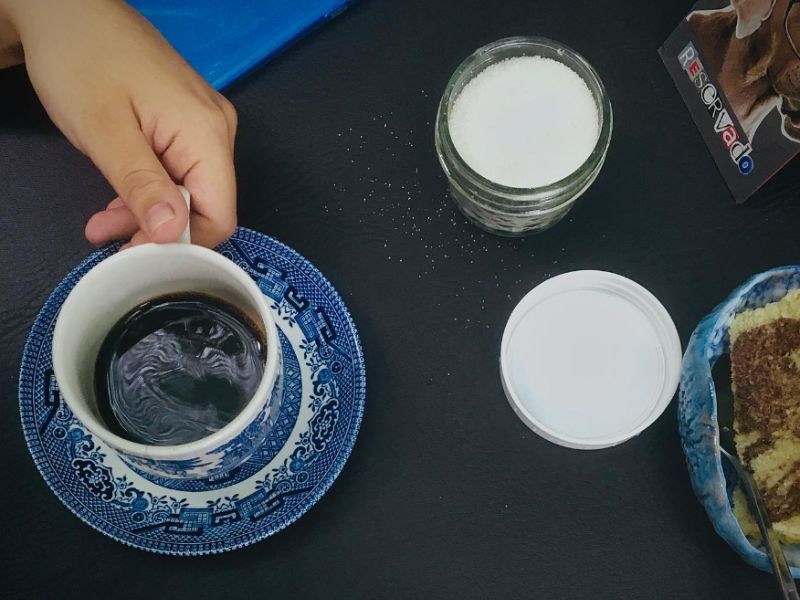 Photo by @cubalibrohavana
Visitors often praise the quality of your coffee. What are the keys to making a great specialty coffee?
The key to our superlative coffee is beginning with 100% Cuban coffee. Luckily, our island has ideal growing conditions for Arabica beans, and we insist on using locally produced beans. We also ensure that our drinks are made with potable water and ice. This affects our profit margin (and not in a good way!) but we put people above profits and hope to encourage other private entities in Cuba to do the same. Finally, we have a badass team of baristas—they put their hearts into every coffee they make, and it shows.
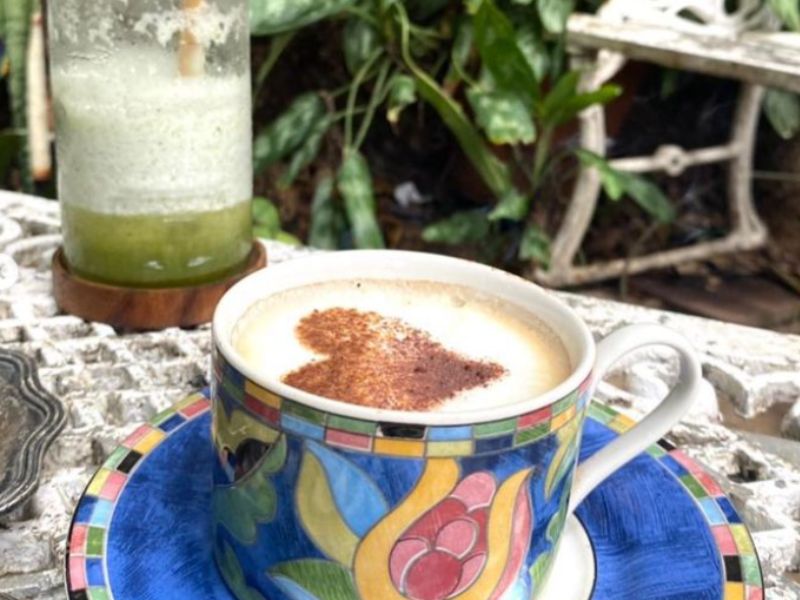 Photo by @cubalibrohavana
How are coffee and the Cuban culture linked?
Coffee and Cuban culture are inseparable. While the concept of the visita may occur in other countries and cultures (where folks just drop in unannounced to gossip and gripe with family and friends,) here in Cuba it is obligatory and ubiquitous. When friends and family show up, you receive them, and the cafetera immediately goes on the stove.
Just the other day, my husband got sidetracked during a visita and forgot to make the coffee. After a bit of a chat, our friends said, “Hey! Are we having coffee?” Of course, only the best of friends and family would be so bold as to request it (especially in these dire economic times,) but no matter how poor or strapped, Cubans find a way to have some coffee in the house. Even with strangers, coffee is the perfect icebreaker—we give out a lot of free coffee at Cuba Libro.
Of course, the history of Cuba is also intimately tied to coffee, not all of it pretty—the enslaved here built the industry literally on their backs, an unjust and abusive legacy that needs to be recognized, not ignored or revised.
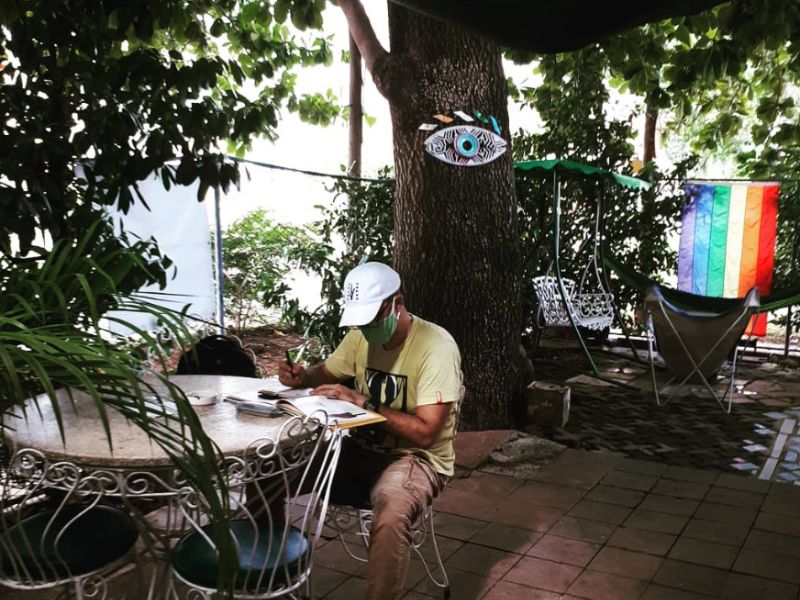 Photo by @cubalibrohavana
Being a less conventional project in Cuba, what do you consider to be the secret of its success?
Our secret to success starts with how we define success: did we uplift someone today with a high-quality experience at an affordable price and having fun? Did each person who came into our garden feel like they were at home, included or seen? These questions guide us every day. Are we learning new things and sharing knowledge? Are we part of the solution? These questions also guide us in our vision of success.
One of the founding concepts at Cuba Libro is to be an alcohol-free space. For many years, the team tried to convince me to include alcoholic drinks on our menu, coming with the same argument: we can make more money. But I had five reasons not to sell alcohol, and I told them: come up with other reasons besides money, and we will revisit. I believe this is a key factor to our success because it allows us to focus on concocting interesting and healthy drinks without relying on alcohol, contributes to the calm, peaceful, drama-free vibe, reinforces our safe for all-ages space tenets. It makes a welcoming atmosphere for reading, creating, working, and recharging.
Now, our team shouts NO! When someone suggests serving alcohol, they’ve seen firsthand the benefits of an alcohol-free zone, earn dignified wages without it, and know the alternative is a wasp’s nest of problems. I don’t want to give the impression that we are teetotalers, on the contrary! We host some raucous private/team parties in our space and provide free wine for occasional art openings and the like, but it is not something we want to have to contend with day-to-day.
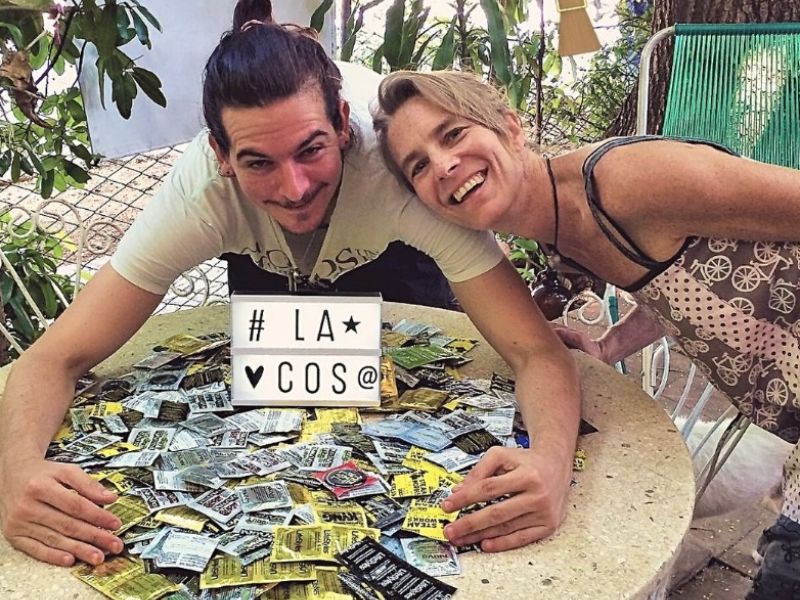 Photo by @cubalibrohavana
What’s the factor that attracts that many customers?
I know people are attracted to our garden, which is shady and breezy, even in the dead of summer, combined with our affordable prices, high-quality products, and our team’s chill energy. Coming with a bike? No problem, we can park it. Want to have coffee with your pet? Bring in your dog, cat, or even a duck—we’ll be sure they’re watered and get treats. Need some quality condoms for free? We have you covered. Looking for a copy of Lonely Planet or Bukowski? We’re the place. Think you can win at trivia/Boggle/chess/darts/Uno? Come compete in our regularly scheduled tournaments.
There are many reasons why people come to Cuba Libro. Sure, we sometimes are melancholy because we don’t have enough capital to upgrade our kitchen, and dang, we could use a real espresso machine, some of our furniture is frayed, and the place could probably use a paint job. But then Dr. Gaby comes in after a long day’s work healing and diagnosing neighbors, fatigue etched on her face, and takes her favorite spot. Within moments and without opening her mouth, she is presented with a cappuccino, low foam just as she likes it, and a smile of gratitude spreads across her face. This is Cuba Libro every day. We learn your name and your drink. We are open, transparent, and welcoming. We encourage dialogue. I think this is why people keep coming back. It’s also why it is a fun place to work.
We are dedicated to making Cuba Libro a true oasis. I say to the team all the time: if you wake up in the morning dreading going to work because you hate your job, make changes. This is no way to live and will make you miserable. We are guided by these premises.
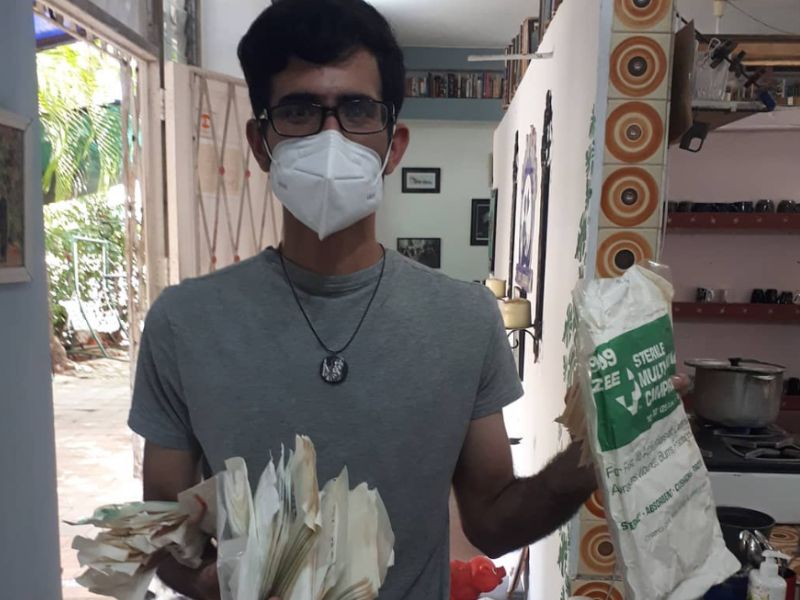 Photo by @cubalibrohavana
Thanks to your global impact, you have been named Local Development Project. How has Cuba Libro evolved since then?
Transitioning from a private business to a local development project has been huge for us since it allows us to support our community in many more diverse and direct ways. Since I’m a health reporter and have 20+ years of colleagues in different sectors, our donation programs used to rely on my contacts doing good, meaningful work—they were vetted by me essentially to ensure donations were not sold (happens a lot in poor contexts, including Cuba.)
Now, we work with Plaza Municipality to identify the most vulnerable, gain access to different installations (like orphanages and schools) that are traditionally harder to reach due to donation regulations, and collaborate with other local development projects in Plaza for the benefit of more people.
Certain initiatives we’ve had on the drawing board for a long time, like public tree planting, a bike rack in front of Cuba Libro, free spay and neutering clinics, and support for victims of natural disasters or building collapses—the municipality helps us navigate the permissions for making these a reality. They also connect projects with different strengths/missions for everyone’s benefit; this is how Cuba Libro was able to send a giant donation to flood victims in the eastern part of the country a couple of years ago. Several projects from Plaza arranged the donations, and another project took care of transport. On the flipside, the paperwork for establishing a local development project has been onerous and the bureaucracy a beast.
We have sweated, sworn, and cried throughout the process. I came very close to a nervous breakdown before Alfredo (seen in the video) stepped in to pick up the slack, and then he almost had a nervous breakdown. We laugh about it now that we have completed the process, but it was difficult—especially because Cuba Libro was one of the first PDLs in Plaza, so there was a lot of ‘”learn as you go” on everyone’s part. I’ll definitely be letting some cats out of the bag in my forthcoming memoir!
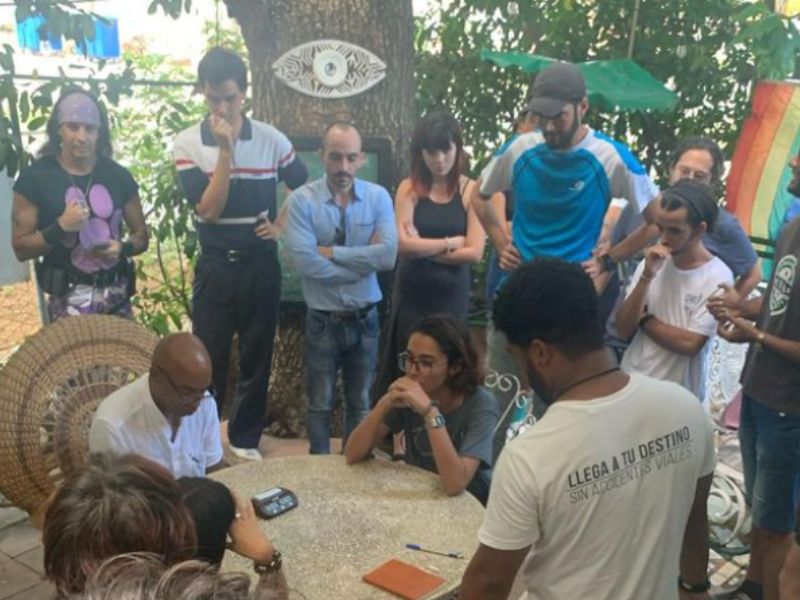 Photo by @cubalibrohavana
You celebrate cultural events open to the public every week. What are these events about, and what impact do they have on the local community?
Cuba Libro has become known for its fun and educational activities. We have regular trivia and Uno competitions that have gained fame for their hyper competitiveness (Cubans love to compete; we’ve had to police some players; they get so hot during play!) Our annual trivia championship is co-hosted by Fábrica de Arte, another unique project in our neighborhood.
We also hold chess, darts, and Boggle tournaments. New for the autumn/winter season are free yoga classes, a chili pepper eating contest, and Scrabble competitions. We also do pop-up activities like “What’s in your bag?” during peak times at the café: if you can pull a highlighter out of your bag, win a prize. Got a love note in your purse? Win a prize. Things like that—we enjoy inventing new games, and it gets people laughing and talking and breaks down walls.
The fundamental impact of these activities is that they bring people together, provide free, fun recreation (much-needed in these times of severe privation,) and make Cuba Libro an enjoyable and unexpected place to visit.
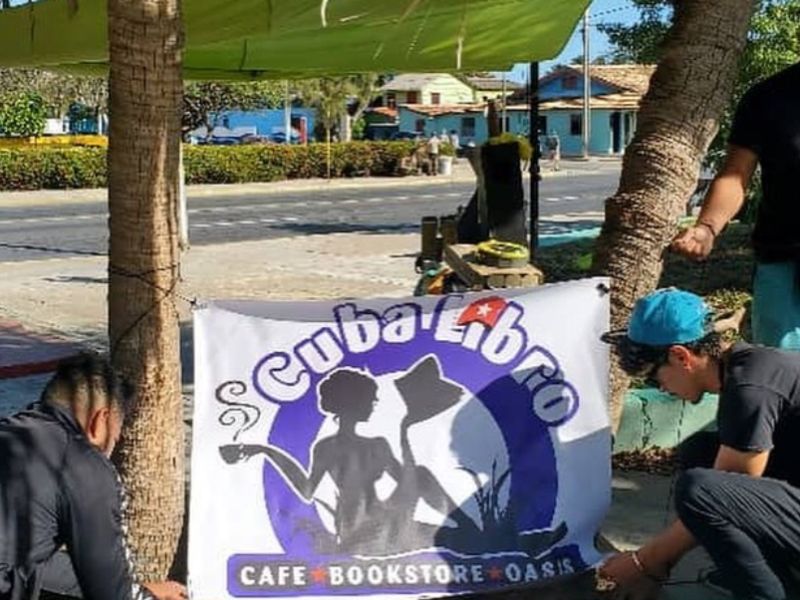 Photo by @cubalibrohavana
What direction do you envision for Cuba Libro? Are there any new projects or ideas that keep you motivated?
We have had so many plans for Cuba Libro. It’s a question of time and money, not lack of imagination! I wish we could buy the property where Cuba Libro is located. It’s our greatest vulnerability as a project. That’s top of the list.
I’ve always wanted to open a “Cuba Libro by Night” where there is an alcohol-free space serving vegetarian/vegan food for the bar/nighttime working crowd. Some place opened 8 p.m. -5 a.m., where you can go to fill up before bar hopping; somewhere you can eat something affordable and healthy at 2 a.m., whether you’re leaving the bar or your job at the bar. We’d have an in-house DJ playing Cuban classics, lounge and chill, jazz…that kind of thing. A peaceful place to eat late at night and wind down (or up.) “No drama” is one of our working mantras at the café and it would be here, too.
We’ve done Cuba Libro Mobile on a very small scale where we serve coffee at concerts and events, like the Annual Harley-Davidson Rally in Varadero. We dream of making this a whole offshoot of the brick-and-mortar cafe. It gets frustrating being at events, and the ONLY drinks available are alcoholic—not at all appropriate for pregnant women, children, and recovering addicts.
All Cubans want coffee at some point in their night/day, so we would love to have a little coffee truck (we’ve got our eyes on the electric ones) that we could move between music festivals, sports competitions, and other events. This situation is real in Havana—people who do not drink go thirsty all the time at events here. Cuba Libro wants to change that! We’d also be able to employ even more people who would be earning a dignified wage to support themselves and their families.
And personally, I am looking for investors to open a roller skating rink in Havana. This would provide another type of healthy recreation for all ages, and it’s so much fun! Can you imagine a salsa rueda on wheels?! Of course, we’d also have the best coffee in town to keep you rolling with swing!
