
Let’s look at the components that make up the perfect camera phone.
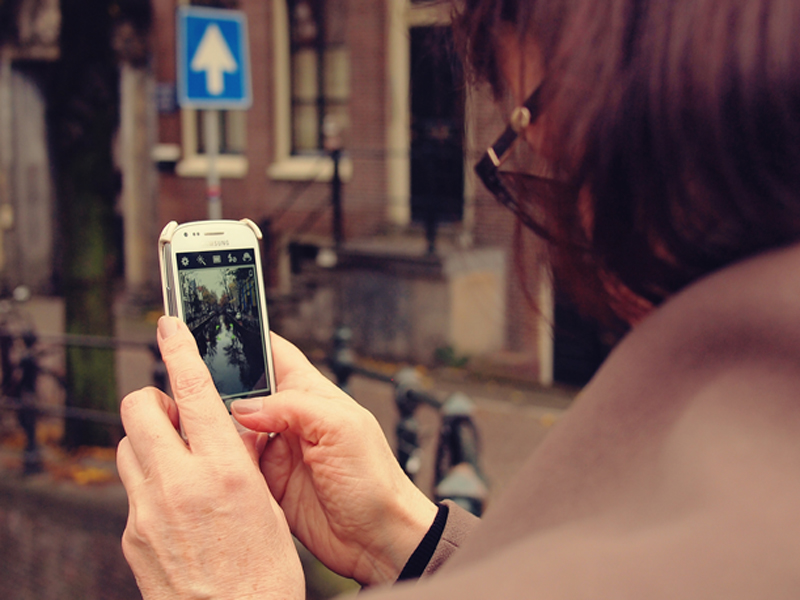 Photo: Stocksnap.io
In the last few years, mobile photography has come on in leaps and bounds. No longer do our smartphones take pictures that are reminiscent of those optical illusions that you had to squint at to make out the image. In fact, there are several mobile photography competitions, where the main requirement is that the image is taken on a mobile phone.
Sometimes DSLR cameras can be a real hassle as they can be heavy and take up too much room in your backpack. The size and weight of the phone has likely given rise to the popularity of phone photography as well as the technology just keeps getting better. That doesn’t mean that every camera phone is equal, and some older or budget smartphones simply don’t have the hardware to allow your photo to do the moment justice.
So, what are the best camera phones on the market to take with you on your travels? In order to address this, we’ll need to look at the components that make up the perfect camera phone.
1. Megapixels: The More The Merrier
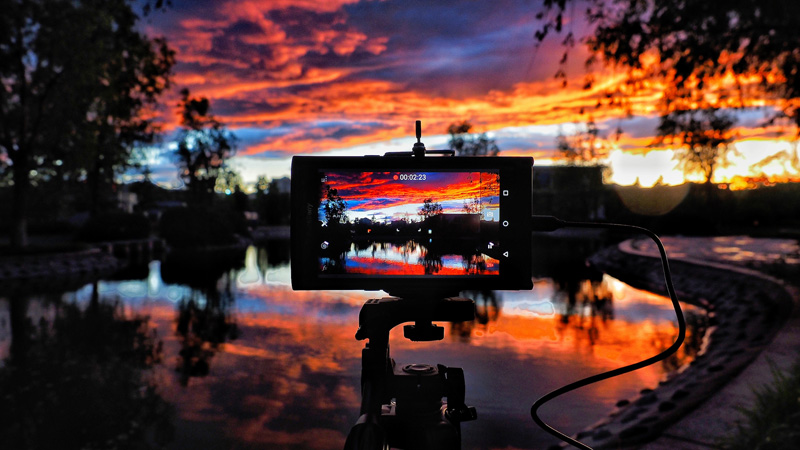 Photo: Stocksnap.io
If you haven’t heard of megapixels by now, then you’ve probably been living under a rock for some considerable time. So, firstly, welcome back to civilization!
Megapixels, or MP, are actually those tiny squares that make up an image, and there are a whopping million little squares for every megapixel. A million may sound like a lot, but imagine a painting made with tiny dots (Seurat is a good example), and you’ll see how much detail those dots can show. Now imagine the same picture, at the same size, done in finger-paints. You’re not going to have as much detail. It works the same way for cameras, so the more pixels you can get, the better the quality of your photos.
Most of the high-end phones on the market have at least 12MP for the rear-facing camera, and at least 8MP for the front-facing “selfie” camera, giving it excellent quality images. The Sony Xperia ZX, for example, has an impressive 23MP rear-facing camera and a 13MP front-facing one, giving it a real advantage on the camera phone market.
2. Going Steady With Image Stabilization
Image stabilization has become a huge selling point in camera phones in recent years, and it’s easy to see why. Let’s be honest, everyone gets a little…umm, wobbly after one too many holiday cocktails. In times gone by, that would have meant out of focus, blurry photos.
Thankfully, those days are gone, and we can now remember every tipsy night out with clarity, or, at least, have excellent photographic evidence of our antics. Image stabilization does exactly what it says on the box: it stabilizes the image.
There are two types, when it comes to camera phones: optical and digital. Optical is superior, because it uses little gyroscopic sensors to quickly shift the lens, making the image sharper, every time. The new Samsung Galaxy S8 features OIS, as does the iPhone 7, whereas the Xperia ZX only has digital stabilization.
3. Show Me What You’ve Got With AMOLED
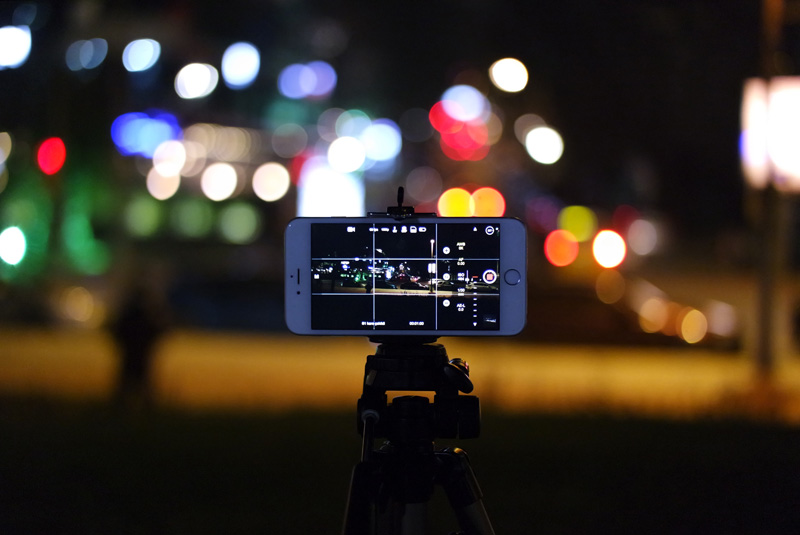 Photo: Stocksnap.io
When it comes to camera phones, one of the biggest selling points actually has nothing to do with the capabilities of the integrated camera. The phone display itself plays a huge part in making your holiday pics something you will love. It’s an important point to remember when picking out a new phone and AMOLED displays have been dominating the market for the last few years.
There is a lot of geeky stuff to get excited about with AMOLED, but, basically, it allows each and every pixel on the screen to be individually controlled, making colors brighter and more vibrant, while black color is made to appear darker by turning the individual pixels off. What this means is that, when you get home and show off your holiday snaps, your photos will be as clear as your tan lines.
Samsung have ruled the market on AMOLED screens, but others are catching up, including Google Pixel and Motorola Moto Z which both use AMOLED for their displays.
So, What Should You Buy?
All of the above phones are seriously amazing bits of kit for snapping some outstanding holiday pictures, and it’s almost impossible to choose one. Once you make your choice, find the best deal for you at comparison sites like Broadband Choices. The best thing that you can do is to take into account all of the aspects of holiday photography that matter to you, be it making sure your drunken snaps are steadier than you are or your photos of the sea appear perfectly blue, and choosing the one that is going to work best for you. Last, but not least, check that your mobile provider has great deals for when you’re abroad, too.
