A landmark that shaped Egypt’s skyline.
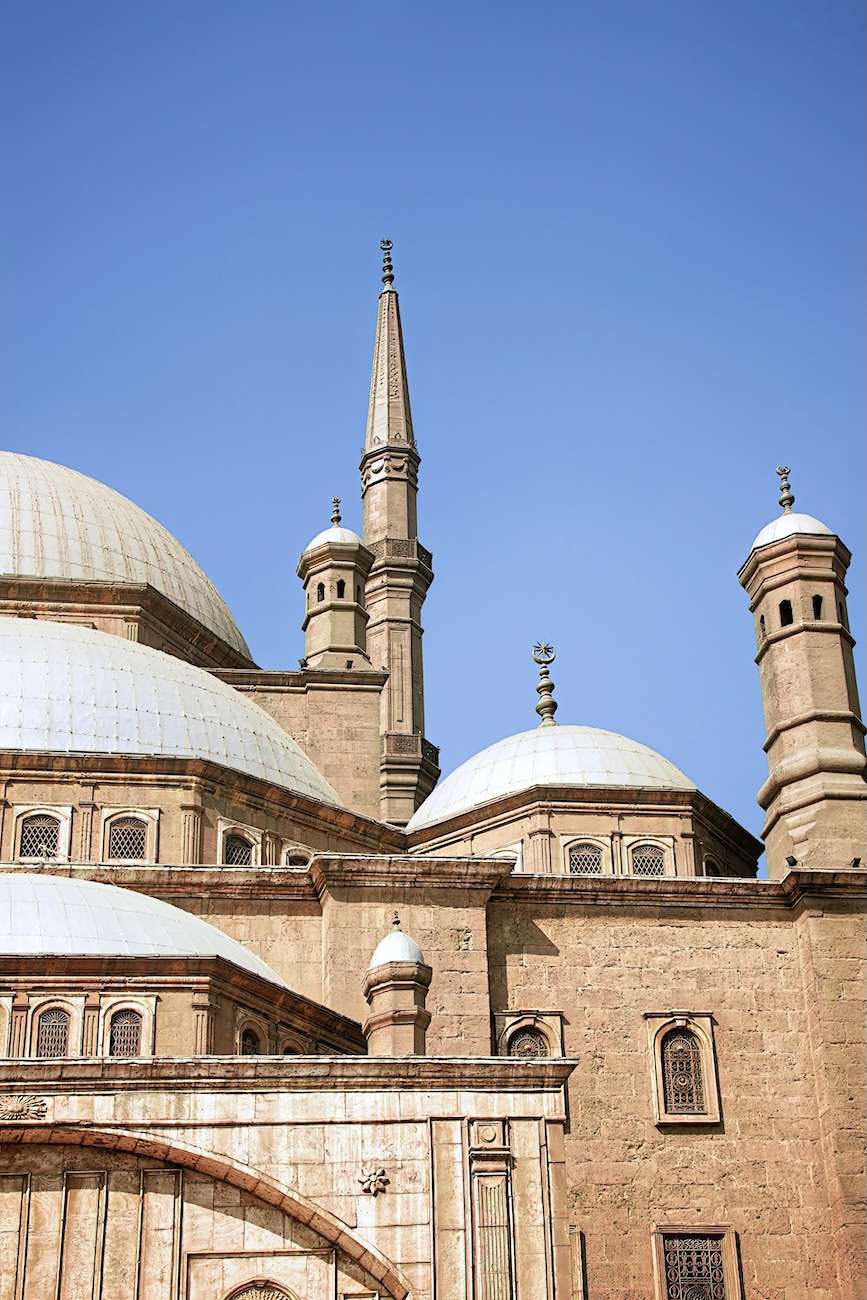 Photo by simon on Unsplash
Rising above the city on the Mokattam Hills, the Cairo Citadel is one of Egypt’s most powerful historical landmarks. For nearly 700 years, it served as the heart of political power in Cairo—home to rulers, armies, and dynasties that shaped the nation’s past. Today, it stands as a living monument to Egypt’s resilience, ambition, and architectural brilliance.
At its center sits the iconic Mosque of Muhammad Ali, a structure so striking it has become synonymous with Cairo itself.

The Citadel was founded in the late 12th century by Salah al-Din (Saladin), the legendary military leader who sought to protect Cairo from Crusader invasions. Strategically positioned high above the city, the fortress evolved over centuries, expanding under successive rulers and becoming the seat of government until the 19th century.
Within its walls, history unfolded—royal ceremonies, political intrigue, military planning, and everyday life—making the Citadel not just a fortress, but a self-contained city of power.
Completed in 1848, the Mosque of Muhammad Ali dominates the Citadel with its soaring domes and slender minarets. Often referred to as the “Alabaster Mosque” due to its gleaming stone interior, it was commissioned by Muhammad Ali Pasha, the founder of modern Egypt.
Inspired by Ottoman architecture, particularly Istanbul’s great mosques, the building reflects Muhammad Ali’s ambition to position Egypt as a strong, modern state. Inside, the vast prayer hall, ornate chandeliers, and serene symmetry create a sense of calm and grandeur that contrasts beautifully with the bustling city below.
Address:
Salah al-Din, al-Ayyubi, Saladin, Cairo Governorate 4252360, Egypt
Hours:
| Monday | 9 am–5 pm |
| Tuesday | 9 am–5 pm |
| Wednesday | 9 am–5 pm |
| Thursday | 9 am–5 pm |
| Friday | 9 am–5 pm |
| Saturday | 9 am–5 pm |
| Sunday | 9 am–5 pm |