Culture shock is real, and something that every traveler should be prepared to acknowledge and cope with.
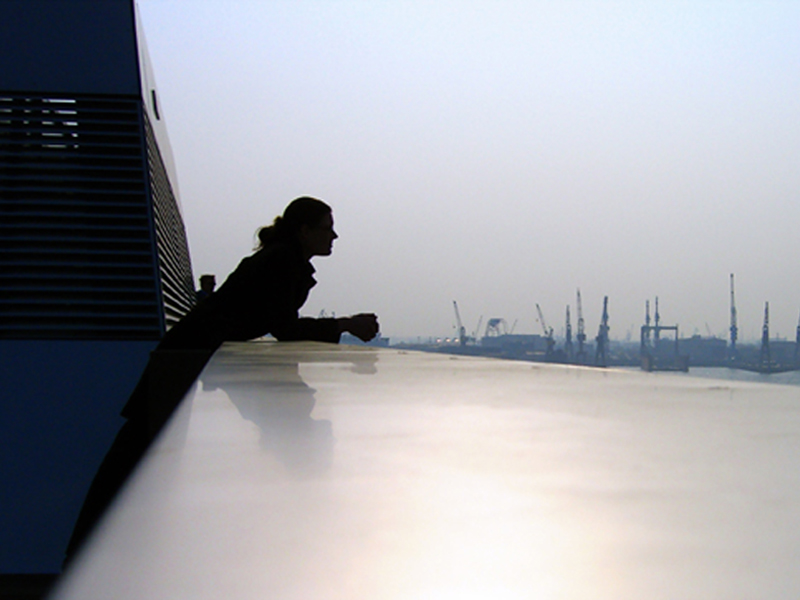 Photo: Flickr/King of Monks
Sometimes it festers slowly, planting anxiety triggers like landmines in our subconscious. Other times, it hits us like the horn of a bull, leaving us staggering and sputtering for help. Culture shock is a term used to describe the disorientation and overwhelming sense of isolation one sometimes feels when immersed in an unfamiliar culture. It manifests in different ways for different people – while the lucky travelers may experience this “fish out of water” feeling positively, in the form of an adrenaline rush or euphoria, others find themselves crippled by anxiety, fatigue, or physical symptoms such as headaches, nausea, and vomiting.
Culture shock is real, and something that every traveler should be prepared to acknowledge and cope with.
I recently returned home from a two-week long adventure to Taiwan and Okinawa, my first trip to Asia. I was lucky to be shown Taiwan by two locals I love dearly, my stepmom, and Wendy (Founder of Jetset Times). Spending most hours of the day listening to those around me speaking in Mandarin was a pleasant experience for me, as I got to tune into my surroundings and take a break from being social. The unique cuisine enthralled me, even as I indulged in parts of an animal I didn’t know existed.
Near the end of my trip, I landed in Okinawa, Japan to spend three days alone exploring the island, a gift to myself that I cherished. A time to take a deep breath and recharge.
Unexpectedly, it was when I had the moment to breathe that I began to loose my breath. Waking up the first morning in Okinawa, I experienced tightening in my chest and the terrifying feeling that something bad was about to happen. A migraine seared across my left temple, and my appetite evaporated.
Though it didn’t occur as a reaction to any particular event, my interpretation of this episode was that my body, mind, and spirit finally reacted to the immense quantity of new information I had experienced and not yet fully processed. From an unexpected spiritual encounter in New Taipei City to the excitement of meeting my Taiwanese family for the first time, two packed weeks of emotional action finally caught up. Landmines: activated.
I learned to cope using a few nervous-system calming techniques I learned earlier in life, along with a few new steps I learned along the way. These five go-to steps will help you re-center yourself, calm down, and enjoy your trip, even after a culture shock bitch-slap fit to K.O. Mike Tyson.
1. Do something normal.
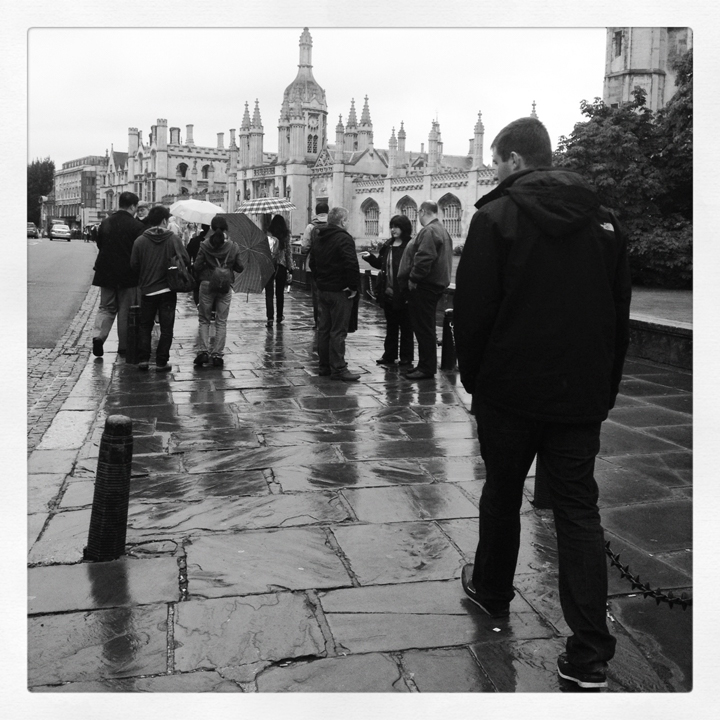 PHOTO LENA KAZER
In times of great struggle and confusion, doing something normal is a tried and true way to find relief, even for a short time. Our brilliant brains have these cognitive shortcuts that can be activated by familiar behaviors, much like flipping the switch for “autopilot.” If we can coax ourselves into doing the familiar, safe behaviors, we can calm down our nervous systems and hit the refresh button. I have two “normal” behaviors I turn to often: taking a long walk, and cooking. Both require rhythmic, repetitive behaviors that are ingrained in my everyday life – walking, breathing, chopping, stirring – that help me deliberately calm myself down. Think about your most “normal” behavior, and remember to try it when you need it.
2. Take care of the basics: sleeping and eating.
 PHOTO LENA KAZER
Ever seen the Snickers commercials with the tagline, “you’re not yourself when you’re hungry?” Truer words have never been spoken. The same goes for missing hours of sleep, and traveling notoriously sucks hours from your nightly ritual. You have to remember that your body and mind are linked – you need to take care of yourself physically to stay sound mentally. Get the sleep you need, and eat both for fuel and for flavor. Those basic acts of respect to your body will go a long way!
3. Call home.
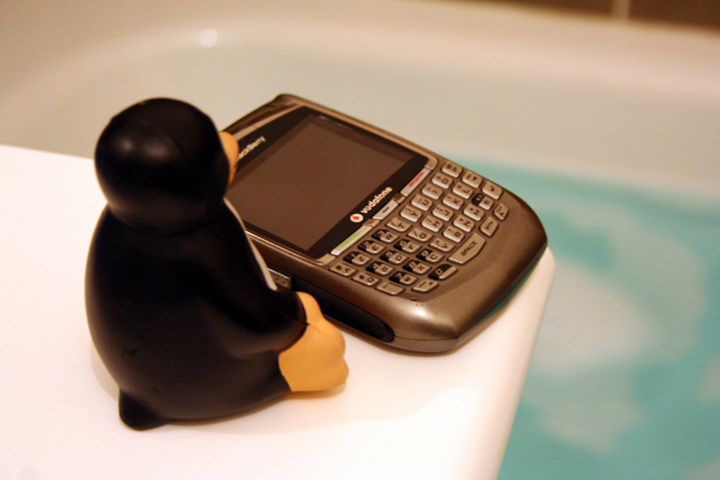 Photo: Flickr/Zopeuse
No, you’re not a wuss. It is absolutely ridiculous how comforting and redeeming a fifteen minute Skype conversation can be. When you’ve hit a wall and your running out of ideas, crawl in the bathtub with your laptop and make the call that could save your trip. Cry, complain, narrate, or listen, just remind yourself that though you feel lost and isolated in this new place, the ones you love and the place you call home are still out there, and they will be waiting for you when you get back.
4. Take a break.
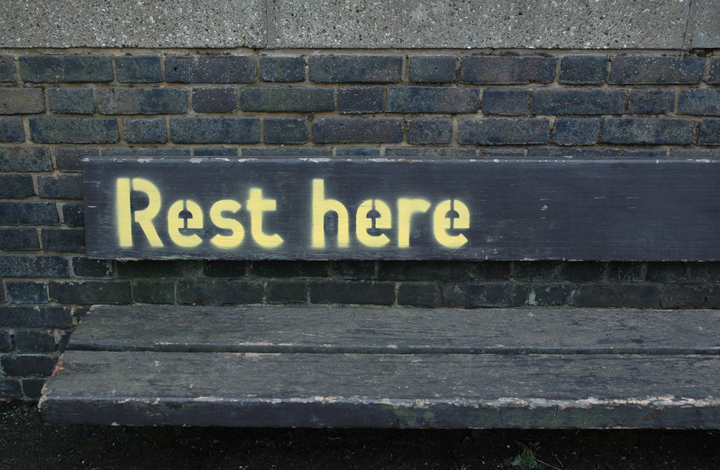 Photo: Flickr/Esther Simpson
Exhaustion is your worst enemy when it comes to culture shock. When you ask too much of yourself on a trip, whether it be physical exertion or cultural immersion, at some point, your adrenaline rush is going to run out, and you’re going to be running on fumes of negative energy. Don’t let yourself get there. If you’ve been museum hopping like a curator on crack, take a day off. If you’ve been hiking or biking every day, take a day off. You need a break sometimes, even if you don’t want to take it. Do this for yourself, and can find relief from culture shock, or even avoid it altogether.
5. Seek natural remedies.
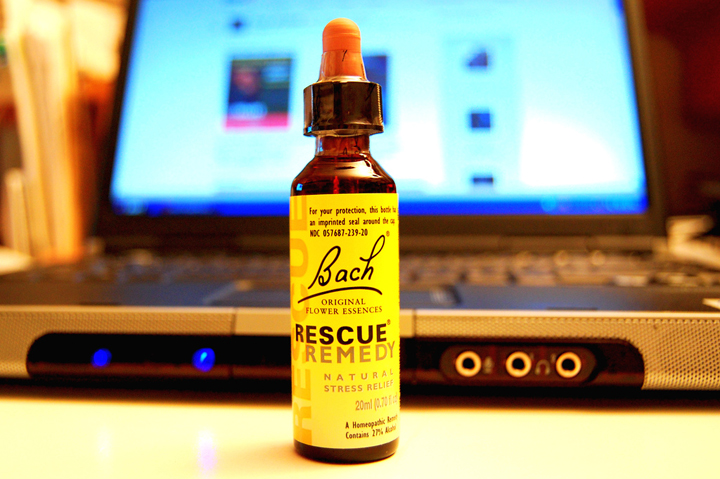 Photo: Flickr/Joyce
Here’s where I get out my crystals and feathers and don a long black wig. Jokes aside, homeopathic and eastern medicines don’t have much street-cred in the United States, but many of them work like a charm. When I travel, I always bring Rescue Remedy, a combination of calming herbs that you can take in the form of a dropper, gum, pellet, or even spray.