
Yes, you can paint a metal roof, but only when the roof is in the right condition and the surface is properly prepared.
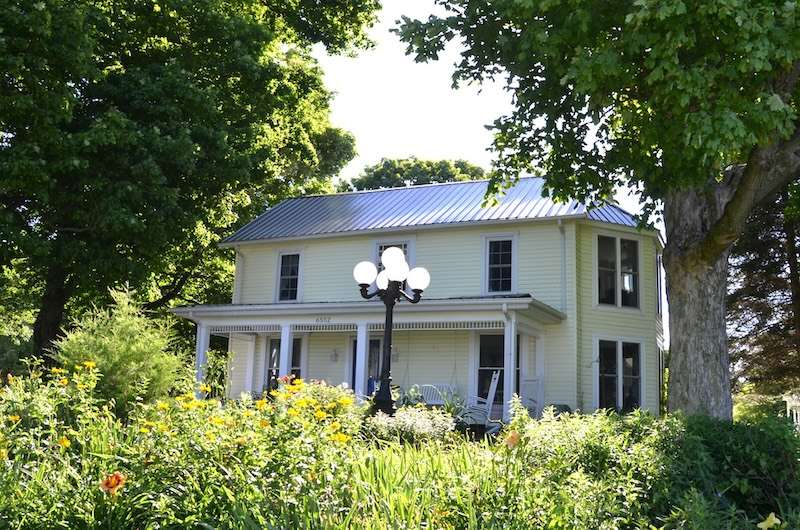 Photo by Roger Starnes Sr on Unsplash
Paint can refresh the look of a metal roof, help protect it from weather exposure, and extend the life of the existing finish when the roof is still structurally sound.
What paint cannot do is fix a failing roof. If the roof has active leaks, loose panels, damaged flashing, failing fasteners, or severe corrosion, those issues need to be addressed before any coating is applied. Painting over roof problems may make the surface look better for a short time, but it will not solve the underlying issue.
A good metal roof painting project starts with inspection, cleaning, repair, primer, and the right roof-rated coating. Here is what homeowners should know before deciding whether to paint a metal roof.
When Painting a Metal Roof Makes Sense
Painting a metal roof makes the most sense when the roof is still in good working condition. The surface may look faded, chalky, or weathered, but the panels, seams, fasteners, and flashing should still be performing properly.
If the roof is mostly cosmetic in its wear, painting can be a smart maintenance step. It can improve curb appeal, update the color, and add a protective layer against sun and weather.
Faded or Chalking Paint
Metal roofs can fade over time from UV exposure, heat, rain, and general weathering. Chalking is also common. This happens when the old coating breaks down and leaves a powdery residue on the surface.
If the roof is not leaking and the coating is only faded or chalky, repainting may help restore its appearance. The key is removing the chalky residue first. Paint will not bond well to a dirty or powdery surface.
Minor Surface Rust
Small areas of surface rust may be treatable if the metal is still solid. These areas usually need to be cleaned, scraped, sanded, treated, primed with a rust-inhibiting primer, and coated with the right product.
Surface rust is different from deep corrosion. If rust has eaten through the metal or weakened large sections of the roof, painting is not enough.
Color Updates
Some homeowners paint metal roofs to update the exterior design of the home. A new roof color can change the look of the property and help coordinate with siding, trim, gutters, windows, and landscaping.
Color choice should be practical as well as visual. Darker colors may absorb more heat, while lighter colors may help reflect sunlight. Homeowners should also check HOA rules or local design requirements before changing roof color.
When You Should Not Paint a Metal Roof
Painting is not the right solution for every metal roof. Some roofs need repair or replacement planning before coating should even be considered.
Active Leaks or Water Damage
Paint will not stop an active roof leak. Leaks may come from bad flashing, failed seams, loose fasteners, worn washers, damaged panels, or poor installation details.
If there are water stains on ceilings, attic moisture, moldy smells, or damp insulation, the roof should be inspected before painting. Coating over the top of a leak can trap moisture and make the problem harder to diagnose later.
Severe Rust or Corrosion
Heavy rust is a warning sign. If the metal is deeply corroded, soft, flaking, or rusted through, paint will not restore the roof’s strength.
In those cases, repairs or replacement planning may be needed. Painting over severe corrosion can waste money because the coating may fail quickly.
Loose Panels, Fasteners, or Flashing
Metal roofs depend on secure panels, sealed transitions, and properly installed fasteners. If panels are lifting, screws are backing out, washers are cracked, or flashing is loose, those items need attention first.
A coating system should go over a stable roof, not one that is moving, leaking, or coming apart.
Old or Unknown Coatings
Existing coatings can affect whether new paint will bond. Some factory finishes, older coatings, or previous paint products may not be compatible with the new system.
Before painting, homeowners should understand what is already on the roof and choose a product designed for that surface.
Inspect the Roof Before Painting
Inspection is the first real step in deciding whether a metal roof should be painted. The goal is to find out whether the roof needs coating, repair, or a more serious roofing solution.
Start inside the home. Look for ceiling stains, moisture in the attic, damp insulation, mildew odors, or signs of water intrusion. Then inspect the roof surface if it can be done safely.
Look for rust, dents, punctures, peeling coating, loose screws, worn washers, open seams, lifted flashing, and clogged valleys or drainage areas. These details should be addressed before painting.
If a homeowner is unsure whether a metal roof needs paint, repair, or replacement planning, a roofing company like Symplify Roofing can help evaluate the roof condition before money is spent on coatings.
How to Prep a Metal Roof for Painting
Prep work determines whether the paint will bond properly and last. Skipping prep is one of the fastest ways to end up with peeling, blistering, or uneven coating.
Clean the Roof Thoroughly
A metal roof must be clean before painting. Dirt, pollen, leaves, mildew, chalking, dust, and loose debris can prevent adhesion.
Cleaning methods depend on the roof and product instructions. Some roofs may be cleaned with water, mild detergent, and soft washing methods. Pressure washing may be useful in some situations, but it must be done carefully to avoid forcing water under panels or damaging the surface.
After cleaning, the roof needs to dry completely before primer or paint is applied.
Remove Rust and Loose Paint
Any loose paint, failing coating, or surface rust should be removed before painting. This may involve scraping, sanding, or wire brushing problem areas.
Edges should be smoothed so the new coating can create a clean transition. Rusted areas should be treated before primer is applied.
Repair Problem Areas First
Fasteners, seams, flashing, and small defects should be repaired before the coating stage. If the roof has missing screws, failed washers, small holes, loose trim, or weak transitions, those issues should not be ignored.
Paint should be the finishing step after the roof is clean, repaired, and ready.
Use the Right Primer
Metal roofs often need primer, especially where rust has been removed or bare metal is exposed. A rust-inhibiting primer may be needed in problem areas.
Primer and topcoat should be compatible. Using products from the same coating system or following manufacturer guidance can help reduce adhesion problems.
Choosing the Right Paint or Coating for a Metal Roof
Not all exterior paint is made for roofing. A roof faces intense sun, heat, rain, wind, temperature changes, and standing moisture in certain areas. Standard wall paint is not the right choice for a metal roof.
Homeowners should choose a roof-rated product that is compatible with metal and suitable for the existing surface.
Acrylic Roof Coatings
Acrylic roof coatings are commonly used for metal roofing when the surface is properly prepared. They can help with UV resistance, reflectivity, and weather protection.
The right product depends on the roof type, slope, existing coating, and climate. Always follow the manufacturer’s application instructions.
Elastomeric Coatings
Elastomeric coatings may be used in some roofing applications because they offer flexibility and weather protection. However, they must be selected carefully.
Not every elastomeric coating is right for every metal roof. Product compatibility, thickness, dry time, and roof condition all matter.
Manufacturer Compatibility Matters
If the metal roof has a factory finish, warranty, or existing coating, homeowners should check product compatibility before painting. The wrong coating can fail early or affect warranty coverage.
When in doubt, it is better to confirm compatibility before applying anything to the roof.
Safety Considerations Before Painting a Metal Roof
Roof work can be dangerous. Metal roofs can be slick, especially when wet, dusty, or covered with residue. Steep roof slopes, tall buildings, and damaged surfaces increase the risk.
Weather also matters. Do not paint in rain, high wind, extreme heat, or temperatures outside the product’s recommended range. Surface temperature can be different from air temperature, especially on metal.
Older homes may require additional caution before scraping, sanding, or disturbing old painted surfaces. Depending on the age and condition of the property, testing and safe work practices may be needed.
If the roof is steep, high, damaged, or difficult to access, this is not a good DIY project.
Metal Roof Painting for Tiny Homes and ADUs
Metal roofing is common on tiny homes, modern backyard structures, and ADUs because it can be durable, clean-looking, and practical when installed correctly. It can also fit well with compact designs where roof shape, drainage, insulation, and appearance all matter.
For smaller homes, the roof plays a major role in comfort and performance. Color, coating, ventilation, insulation, and drainage can affect heat, moisture, and long-term maintenance.
Homeowners comparing tiny home styles, roof designs, and backyard living options can use Golden State ADUs as a helpful resource for understanding different tiny house types and how they may connect to ADU planning.
Whether the structure is a tiny house, ADU, or backyard studio, the roof should be planned as part of the whole building system.
Step-by-Step Overview: Painting a Metal Roof
The process starts with inspection. Confirm that the roof is not leaking, failing, or too corroded to paint.
Next, clean and dry the surface. Remove dirt, chalking, mildew, leaves, dust, and loose debris. Allow the roof to dry fully.
Then remove rust and loose coating. Scrape, sand, or wire-brush problem areas and smooth rough edges.
After that, make repairs. Address fasteners, seams, flashing, punctures, and small defects before coating.
Prime the metal where needed. Use a metal-compatible primer, especially on bare or rust-treated areas.
Finally, apply a roof-rated paint or coating according to the manufacturer’s instructions. Pay attention to thickness, dry time, temperature, weather, and the recommended number of coats.
Common Metal Roof Painting Mistakes to Avoid
The most common mistake is painting over dirt or chalking. If the roof is not clean, the coating may not bond properly.
Skipping primer is another issue. Primer helps protect exposed metal and gives the topcoat a better surface to bond to.
Using the wrong paint can also lead to failure. Standard exterior paint is not the same as a roof-rated coating made for metal.
Painting over roof problems is one of the most expensive mistakes. Leaks, failing fasteners, bad flashing, and severe rust should be repaired first.
Weather timing also matters. Painting during poor conditions can lead to blistering, peeling, poor curing, or uneven results.
How Long Does Paint Last on a Metal Roof?
The lifespan of paint on a metal roof depends on the condition of the roof, prep quality, primer, coating type, climate, sun exposure, roof slope, and ongoing maintenance.
A properly prepared and coated roof will usually perform better than one painted quickly with the wrong product. Prep often matters more than simply buying a more expensive coating.
Signs that it may be time to recoat include fading, chalking, peeling, surface rust returning, or thin worn areas. Regular inspection can help homeowners catch issues before they become larger roof problems.
Final Thoughts: Yes, You Can Paint a Metal Roof, But Prep Comes First
So, can you paint a metal roof? Yes, if the roof is structurally sound, properly cleaned, repaired, primed, and coated with the right roof-rated product.
Painting can improve appearance and add protection, but it cannot fix a failing roof. Active leaks, severe rust, loose panels, bad flashing, and damaged fasteners should be addressed before any coating project begins.
The best approach is simple: inspect first, repair what needs repair, clean thoroughly, use compatible products, and avoid unsafe roof work. When roof condition or safety is uncertain, professional guidance can help homeowners make the right decision before spending money on paint.
