
On February 22nd, Los Angeles witnessed a gathering on Wilshire’s Federal Building junction, and it was unlike anything I’d ever seen in my years outside of Venezuela.
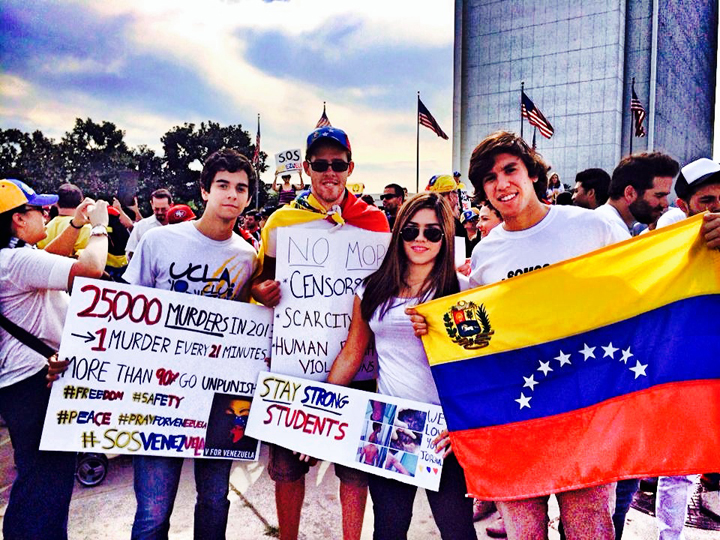 PHOTO FABIOLA PEREZ
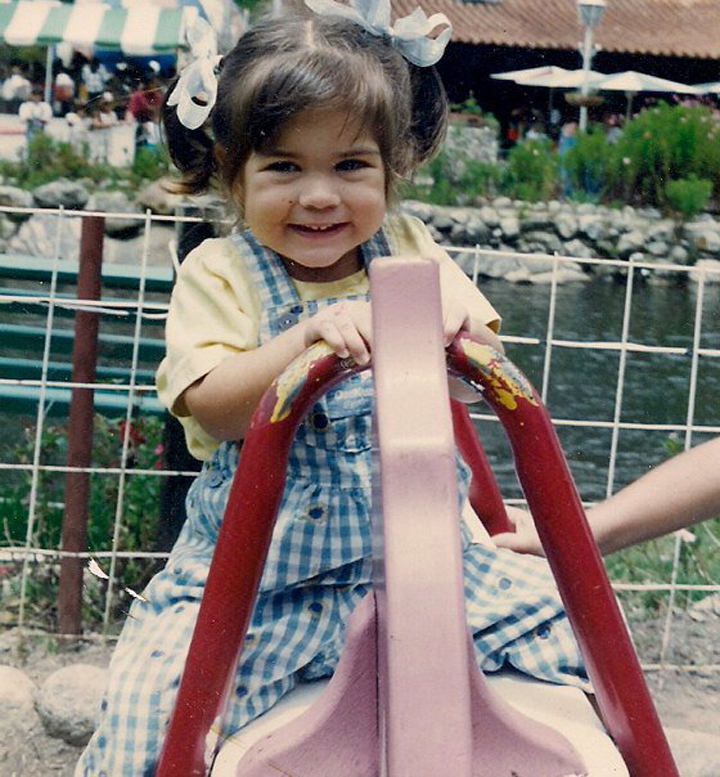
The water was crystal clear, the sand powdery white under my wiggling toes. I must’ve been about 8. My family and I were taking a beach break as the Hilton Resort, and its extensive, tropical pool, loomed behind us. Smells of perfectly seasoned fish wafted over as we relaxed, splayed on the lounge chairs under the colorful umbrellas. It was Venezuela in 2001, and our annual trip to our Caribbean homeland had included a much-needed beach vacation to the island of Margarita. For the next few years, almost all of our summer trips to Venezuela called for a visit to the beautiful island. It was as if we knew—knew that in a few years, the wonders of our South American country would be inhospitable, perilous, and downtrodden. That only ten years later we’d vacation in Venezuela in a state of intense paranoia, terrified for our personal safety. That after that final vacation, we’d ultimately step foot out of the country without knowing when, or if, we’d ever return.
(Click on an image in the slideshow for larger view)
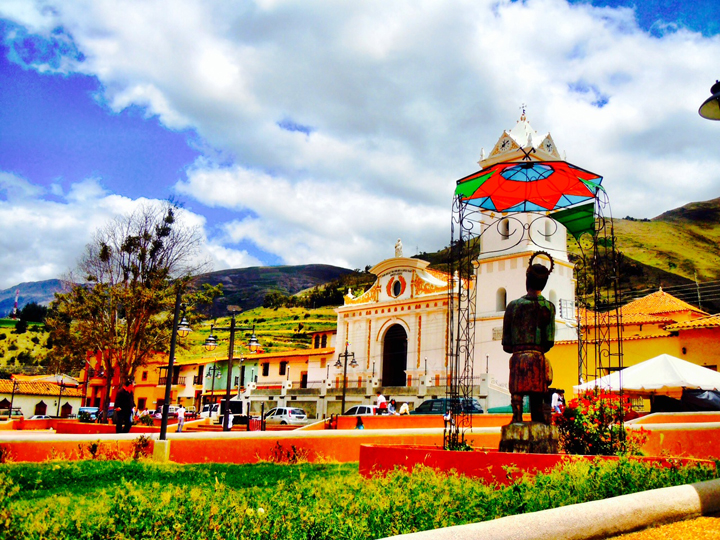
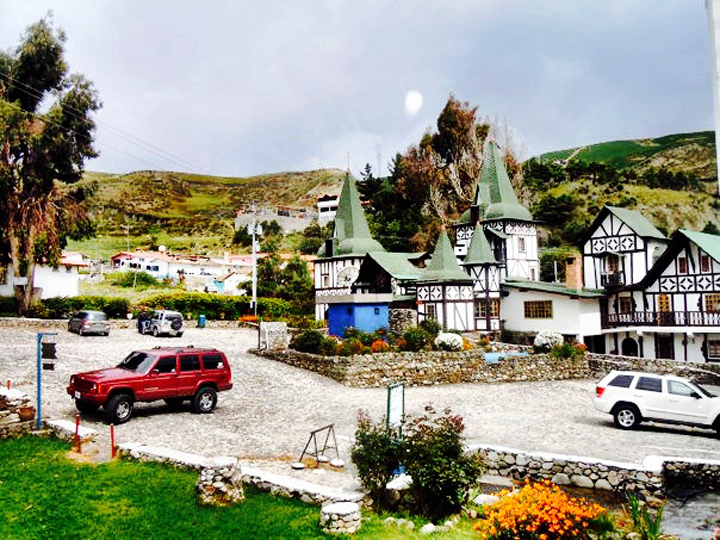
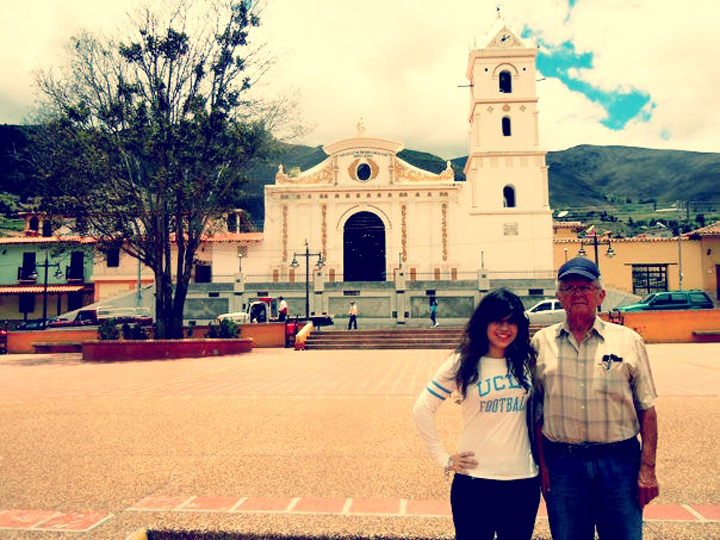
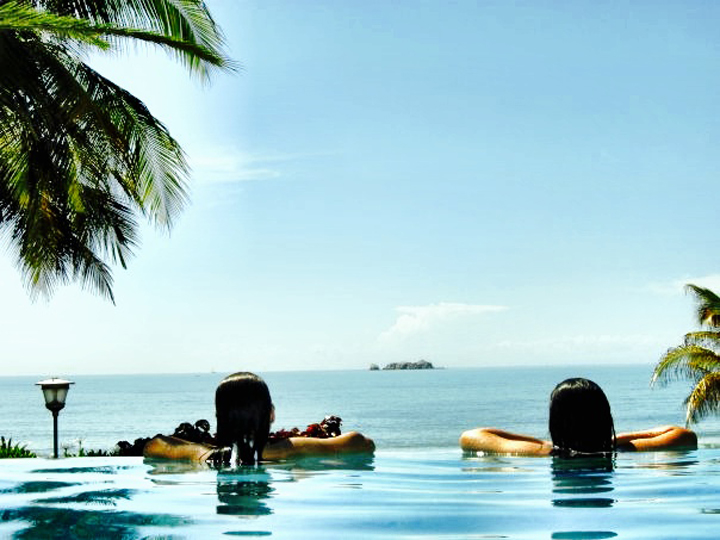
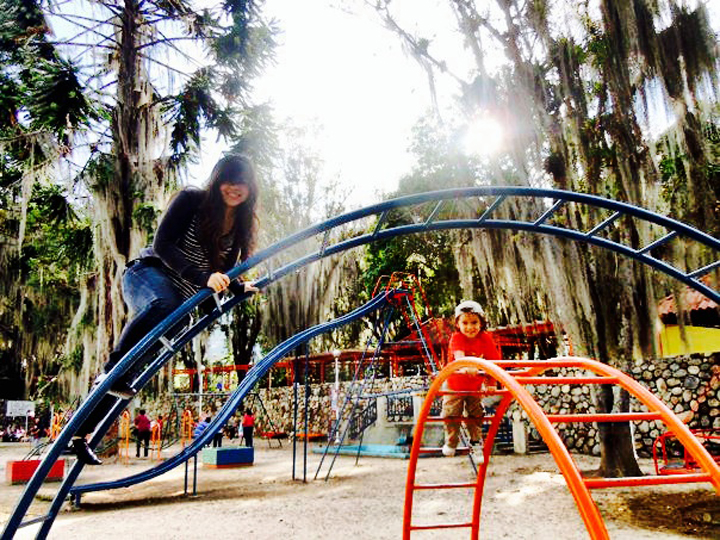
On February 22nd, Los Angeles witnessed a gathering on Wilshire’s Federal Building junction, and it was unlike anything I’d ever seen in my years outside of Venezuela. Our small, often underreported country began to receive a plethora of coverage when student protests broke out in the past couple weeks, protests against the country’s current state. As a rich nation with an abundance of oil and resources, today’s Venezuela is almost unrecognizable to those who lived there years ago—especially in our parents’ generations. It was a time when the nation attracted immigrants from all over the world, the remnants of which are seen in Venezuela’s mountain-based German colonies and wide-ranging Chinese societies. Yet in the past few years, the country has been plagued with shortages (even of basic necessities such as milk, toilet paper, and oil), rampant crime, excessive inflation, censorship, and human rights violations.
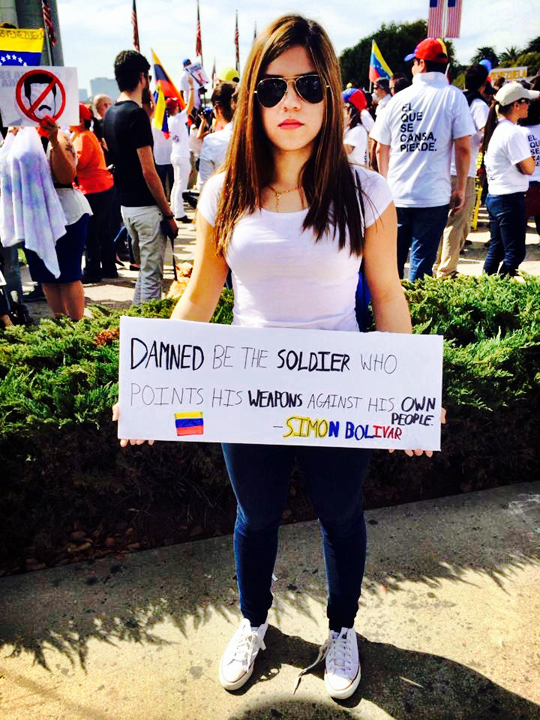 PHOTO FABIOLA PEREZ
Of course, these issues seem abstract when people first hear them. But for me, they gain significance due to the fact that they’ve directly affected my own family members and friends that remain in Venezuela. Each and every one has experienced a robbery, threat, or home break-in. Our extended family has to stock up on goods like toilet paper when they find them, for fear that they won’t be on shelves in the future. My grandma is being forced to abandon her clothes boutique, Fabi’s Shop (yes, I picked the name), where I’ve spent my summers since I was eight.
To see aspects of my life that are so much a part of who I am and who I’ve become disappear without any warning causes a heartache that I’ll never be able to put into words. But then there are moments in which I couldn’t be prouder. Seeing these recent protests, not just in LA, but in the entire world as our citizens and supporters assembled in solidarity with Venezuela’s students. Watching Dudamel, Venezuela’s most famous conductor, lead the Los Angeles Philharmonic or the Simon Bolivar Youth Orchestra. Thinking of those summers at the island of Margarita, tanning and eating arepas for breakfast every day. Reminiscing on going to church with my extended family and sneaking out early with my cousins to catch the ice cream truck before it left. These are the moments that I’ll carry with me forever; this is the Venezuela that I’ll always remember. Because that’s the beauty of the Venezuelan people. We’re optimistic, jokers, always looking for a light in the darkness. And with that attitude imprinted on my genetic code, I myself have faith that my beautiful homeland will one day return to the Venezuela I remember.
