Formerly a major COVID hotspot, the bel paese is celebrating its recovery with a resurgence of tourism.
Along with several other European countries, Italy is reopening to COVID-free tourists after fighting millions of cases just months into the global pandemic. With nationwide vaccination rates on the rise, the beloved vacation destination is finally ready to welcome back international travelers. Read below for a comprehensive travel guide before jetting off on your long-awaited Italian getaway.
Documentation
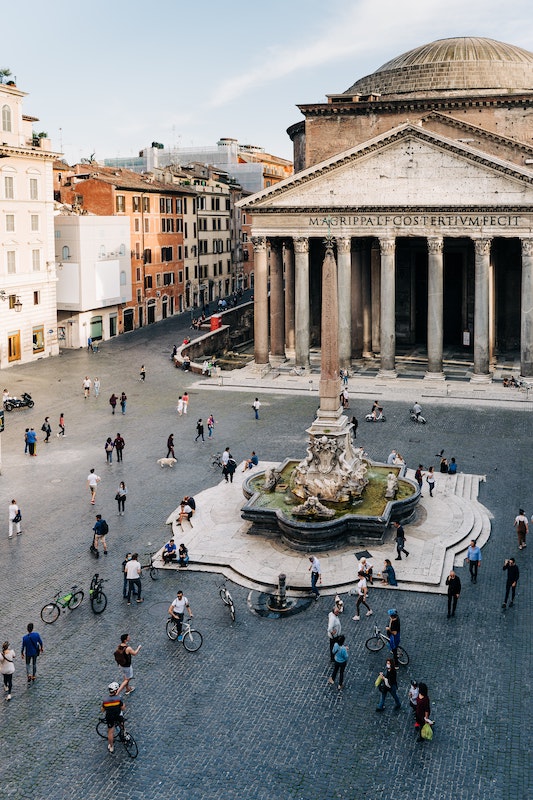
Along with several other European destinations preparing to reopen, Italy will require all incoming tourists to present a negative COVID test taken no more than 48 hours prior to entry into the country. The Italian Ministry of Health also accepts any certificate proving that the traveler has either been fully vaccinated against COVID-19 or has had COVID-19 and fully recovered in the last 3 months.
Tourists from the U.S. are also highly encouraged to board “COVID-tested” flights requiring all passengers to present a negative test result before departure, to fill out a Passenger Locator Form, and to take another COVID swab test upon arrival at the destination airport. These flights will allow visitors to enter Italy without having to comply with continued health surveillance and isolation obligations.
Though Italy is not currently enforcing restrictions on travel for those without COVID vaccinations, eligible tourists are encouraged to get vaccinated before departure to mitigate ongoing risks of transmission throughout the country. Italy has also announced plans to offer a digital health pass for vaccinated travelers as an extra form of health verification, though plans to release vaccination passes have yet to be finalized.
COVID-safe locations
In March of 2020, the Italian Ministry of Health implemented restrictive measures based on three color classifications for COVID numbers across Italy’s 20 regions. Throughout the pandemic, many destinations moved through red, orange, and yellow zones determined by cases per capita, and as vaccination rates reach 25% nationwide, most popular spots are now considered safe for travelers.
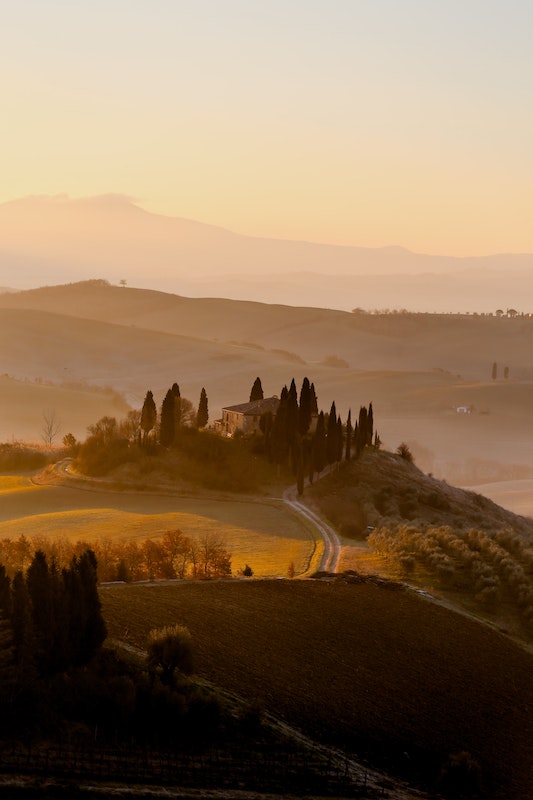
Though most of Italy’s major cities like Rome and Milan are tallying the highest numbers of COVID cases, travelers wishing to visit iconic Italian sites and monuments like the Colosseum and the Trevi Fountain will likely be surrounded by other vaccinated or COVID-negative tourists rather than locals. Regions with smaller population density like Tuscany and Sardinia are also safe options for travelers looking to unwind away from crowded cities in idyllic countrysides and coastal towns. For more detailed information about COVID-safe locations across Italy, travelers can check an updated online map to follow changes in case numbers and vaccination rates here.
Costs
Throughout the pandemic, Italy shut its borders to all international tourists to protect the health of its citizens after multiple COVID spikes, and after a full year without tourist traffic, the nation’s hospitality industry is eager to get back on track. In order to attract incoming travelers, most airline companies and vacation rental services are significantly lowering their rates and offering exclusive vacation packages and deals.
At the peak of the coronavirus pandemic, major airlines offered shockingly cheap airfare for flights into popular destinations like Italy, but as many European nations relax year-long travel restrictions, prices are steadily increasing. With the start of peak travel season quickly approaching, COVID vacation deals are dwindling down while reservation costs are on the rise. For cost-efficient and ethical tourism, vacationers across Italy should seek out locally owned lodging accommodations and small businesses looking to rebound from the severe financial impact of the COVID-19 pandemic.
Remaining regulations
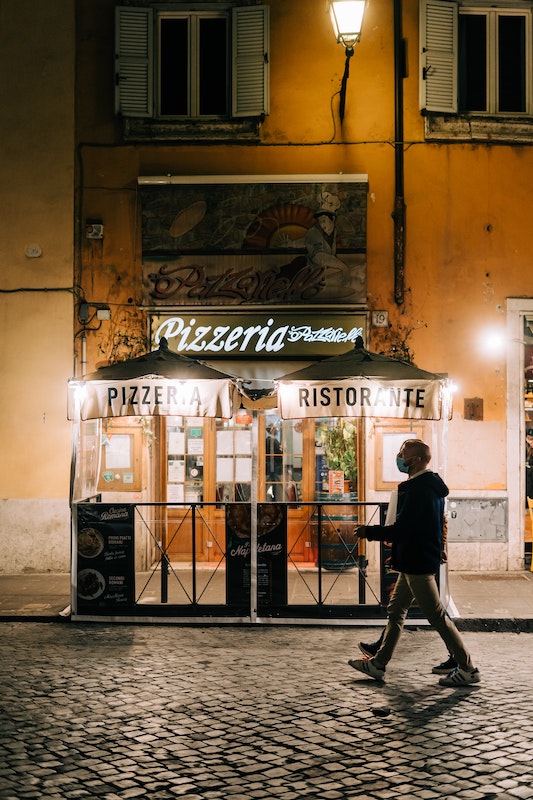
If infection rates continue to decrease in yellow zones during the week of June 21st, a curfew from 11pm to 5am will be lifted, marking another major step toward normalcy for Italy. Face masks must still be worn in all indoor and outdoor spaces regardless of colored zones, and social distancing is also strictly enforced in larger cities anticipating an influx of tourist traffic in the coming months. After a year of regulations limiting capacities at all restaurants, bars, and cafes, dining is now available both indoors and outdoors with separated tables.
Public transportation continues to operate with reduced frequency, but travelers should be aware of colored zones when visiting different regions of Italy where nonessential travel may not be permitted. As rail lines and bus companies prepare to accommodate more travelers, tickets may sell quickly, and prices will likely increase. Lines and crowds can also be expected at museums and popular cultural sites with limited admissions in accordance with health prevention measures, but remaining regulations are expected to change throughout the summer.
Home to rich, ancient culture, world-renowned cuisine, and some of the most stunning vacation spots in the world, Italy is a bucket list destination that depends heavily on its tourism industry. As it prepares to welcome back millions of international visitors in the summer of 2021, the former COVID hotspot looks ahead to a post-pandemic renaissance of travel and leisure.