After battling coronavirus surges for over a year, France is finally opening its borders to vaccinated tourists. Check out our comprehensive travel guide below before booking your flight.
Documentation
As of June 9th, vaccinated travelers from the United States are permitted to fly into France without having to quarantine upon arrival. Along with a valid passport, these travelers will need to present both proof of vaccination (Pfizer, Moderna, AstraZeneca, and Johnson & Johnson vaccines are accepted) AND a negative COVID test conducted prior to departure. Travelers must be fully vaccinated, meaning those who have received a second dose of Pfizer, Moderna, or AstraZeneca must wait two weeks for full immunity, whereas those with the Johnson & Johnson vaccine must wait four weeks after their single dose shot to travel.
Though the French government has not yet issued information about vaccination verification for entry into the country, the French Consulate General in Washington, D.C. stated in a recent tweet that the CDC vaccination card is an acceptable form of documentation for incoming travelers. Unvaccinated tourists are not permitted to enter France without a compelling reason for travel; those requisite qualifications established by the French Ministry of the Interior are outlined here.
COVID-safe locations
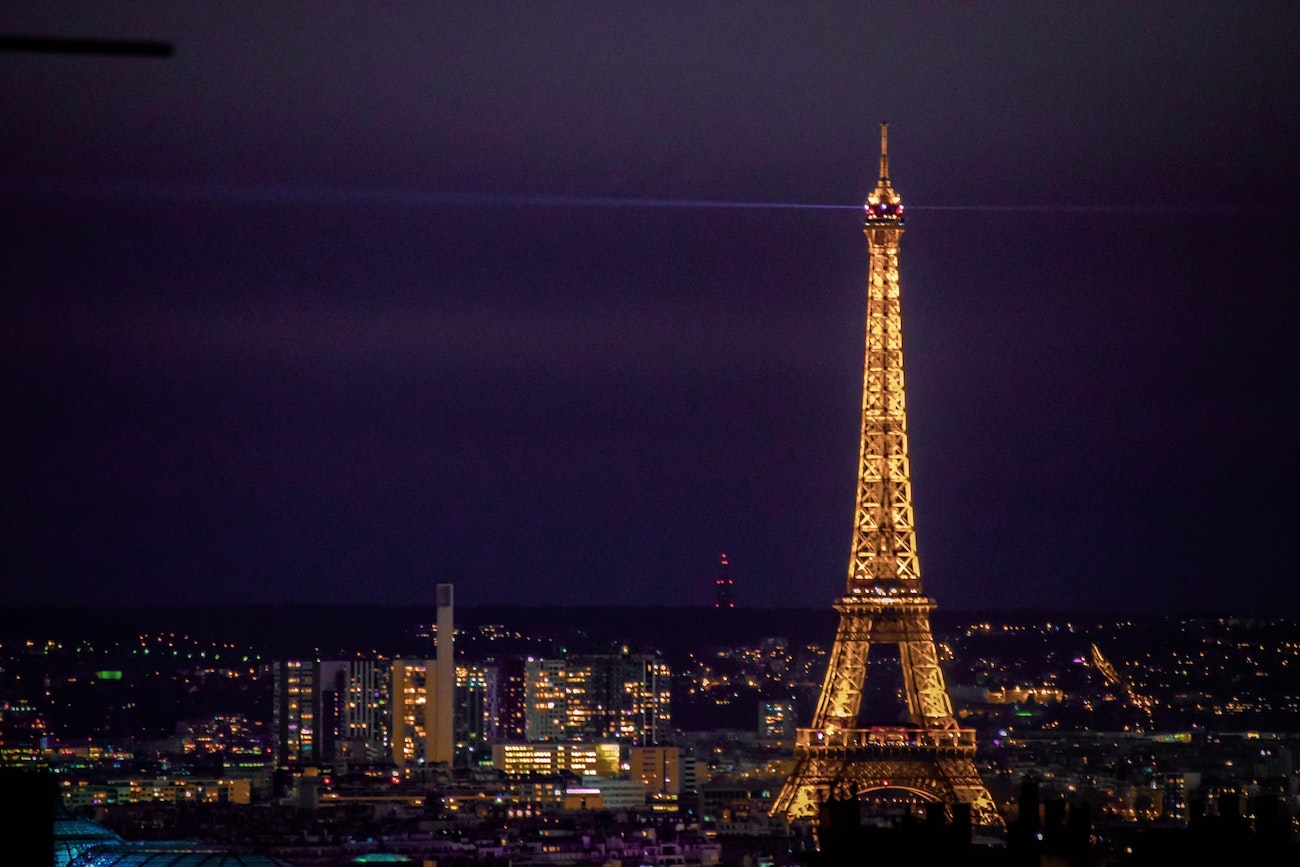
On June 13th, France tallied nearly 44 million cumulative doses of COVID vaccinations in its widespread effort to bounce back from being one of the hardest hit nations in Europe with a peak total of 5.8 million cases. Though reported COVID numbers are dwindling nationwide, several regions are still seeing rising rates of infections. As two of the most populated cities in France, Marseille and Paris remain major hotspots for COVID, but they also boast the largest numbers of vaccinations per capita and provide strictly regulated accommodations for cautious travelers.
France’s southern shores offer perhaps the best summer getaway site for those still wary about crowded cities. Tourists looking for safe and secluded French destinations should seek out beachy areas like Saint Tropez and Nice as well as the rolling fields and vineyards of Provence, where low numbers of coronavirus cases allow visitors to enjoy comfort and peace of mind, along with stunning scenery.

Costs
After a destitute year for the tourism industry, airline companies, hotels, and other vacation rental services are drastically lowering their rates to attract vaccinated travelers as dozens of countries prepare to reopen their borders. Price comparisons for flights into France show a significant decrease from average costs in 2019, though airfare is expected to increase over the summer months as more travelers book their first trips post-pandemic. The start of peak travel season in mid-June offers more cost-efficient opportunities for travelers seeking low prices and flexible reservations when fewer vaccinated tourists are jetting off to France for vacation.
The detrimental impact of the COVID-19 pandemic can also be seen in low occupancy rates at hotels and vacation rentals across France. These businesses have struggled to keep their doors open amid national lockdowns and travel restrictions. In the coming weeks, travel deals will explode as the hospitality industry draws visitors back to regions which have been untouched by tourist traffic over the past year. With travelers back on the move, prices will gradually rise throughout the summer, so savvy adventurers should make reservations before deals disappear.
Remaining regulations
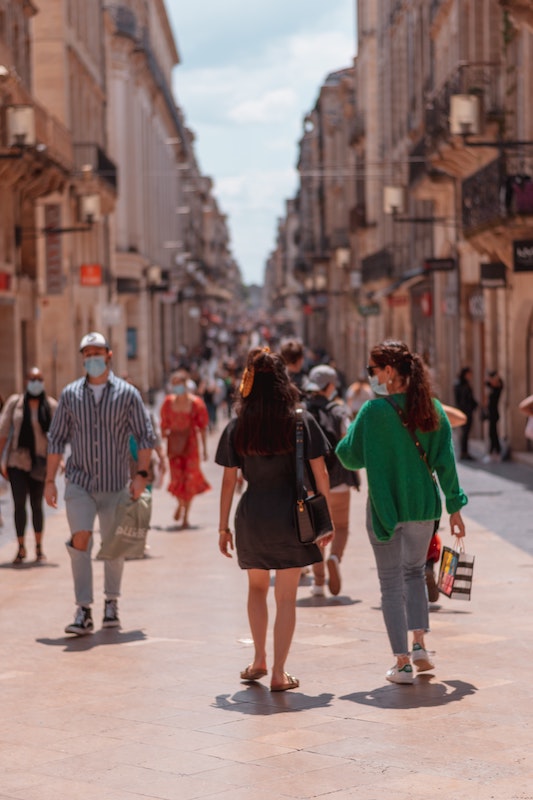
In order to effectively monitor and contain COVID-19 cases across the country, France has implemented numerous regulations that tourists will be expected to follow in all 18 of its picturesque regions. A curfew from 11pm to 6am is currently enforced in metropolitan areas to restrict public traffic in the evenings, particularly in major cities like Paris. Masks worn by citizens and tourists alike are also still required in public spaces, even by those who have been vaccinated.
Crowds at museums, bars, restaurants, and other attractions across France will be heavily regulated as waves of tourists arrive in the coming weeks, but restrictions on indoor gatherings are expected to loosen by the end of June. Most eateries are operating at limited capacities, though outdoor seating is once again available for the general public. Popular cultural sites like the Louvre have reopened to allow 800 people indoors at a time, but ongoing regulations, even less stringent ones, will create long lines at museums and other famous locations generally crowded with tourists and locals alike in summer. No restrictions on travel within France have been implemented, so railways, buses, and other forms of public transportation will be mostly unaffected by an influx of tourist traffic.
For vaccinated travelers, France offers the first glimpse of post-pandemic adventure and reveals its travel industry working feverishly to rebound from the devastating financial impact of the COVID-19 virus. As more countries across the globe prepare to reopen, French destinations set the precedent for responsible tourism and much-awaited leisure after a long year of isolation and inactivity.