It is not just a monument to see, but a moment to experience.
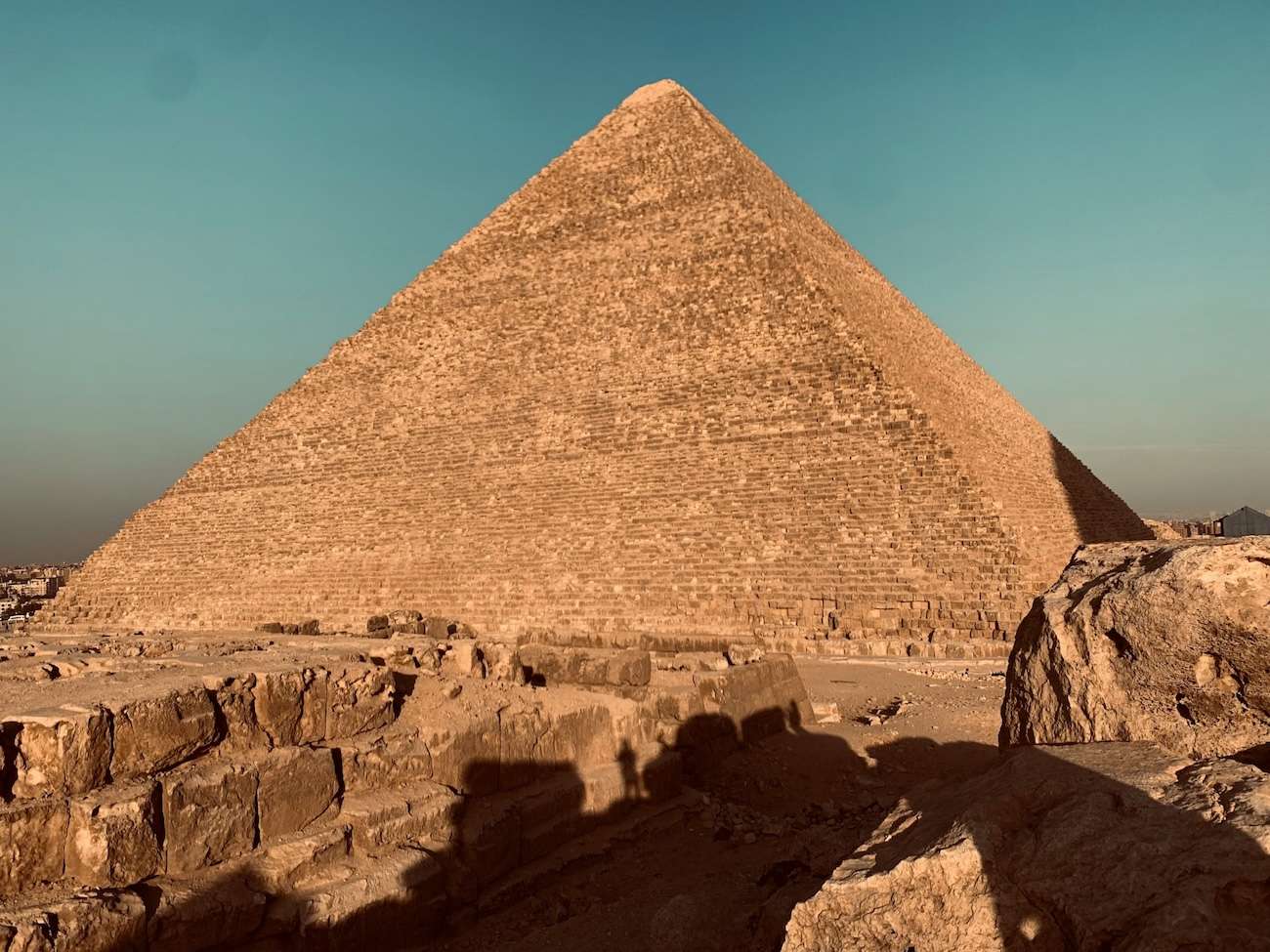 Photo by ahmed ashraf on Unsplash
Rising from the desert edge just outside Cairo, the Great Pyramid of Giza is one of the world’s most extraordinary achievements—and the only surviving wonder of the ancient world.
The Great Pyramid was constructed over 4,500 years ago during the reign of Pharaoh Khufu of the Fourth Dynasty. Built as a royal tomb, it originally stood at approximately 146 meters tall and was once encased in smooth white limestone that reflected the sun, making it visible for miles. Its precise construction and monumental scale continue to astonish historians and engineers alike.

The Pyramid Complex
The Great Pyramid is part of a larger complex that includes the Pyramid of Khafre, the Pyramid of Menkaure, smaller queen’s pyramids, and temples used for ancient rituals. Nearby stands the Great Sphinx, guarding the plateau with its iconic gaze.
Khufu, also known by his Greek name Cheops, was a powerful pharaoh of Egypt’s Fourth Dynasty, ruling during the Old Kingdom around 2600 BCE. He is best known as the visionary behind the Great Pyramid of Giza, the largest and most ambitious pyramid ever constructed.
Though history has left few personal records of his life, Khufu’s legacy is etched permanently into the landscape of Egypt.
A Ruler of Authority and Ambition
As the son of Pharaoh Sneferu, Khufu inherited a kingdom experiencing architectural innovation and growing central power. He expanded upon his father’s achievements, pushing the boundaries of engineering and organization on an unprecedented scale.
The construction of the Great Pyramid required vast resources, skilled labor, and remarkable coordination — a reflection of Khufu’s authority and the highly structured society he ruled.
The Great Pyramid: Khufu’s Eternal Legacy
Built as Khufu’s royal tomb, the Great Pyramid was designed not only to honor the pharaoh in death but to ensure his eternal life among the gods. Standing over 146 meters tall when completed, it symbolized divine kingship and cosmic order.
Today, it remains the only surviving Wonder of the Ancient World.
A Mysterious Figure in History
Unlike many other pharaohs, Khufu is known from very few statues or inscriptions. This scarcity has fueled centuries of speculation, leading some ancient writers to portray him as harsh or tyrannical — claims that modern archaeology continues to reassess.
What remains certain is that Khufu ruled during a period of immense achievement, leaving behind a monument that has defined Egypt for millennia.
A King Remembered Through Stone
Khufu may be a figure of mystery, but his vision endures. The Great Pyramid stands as a testament to human ingenuity, ambition, and belief — a silent but powerful reminder of a king whose name continues to echo through time.
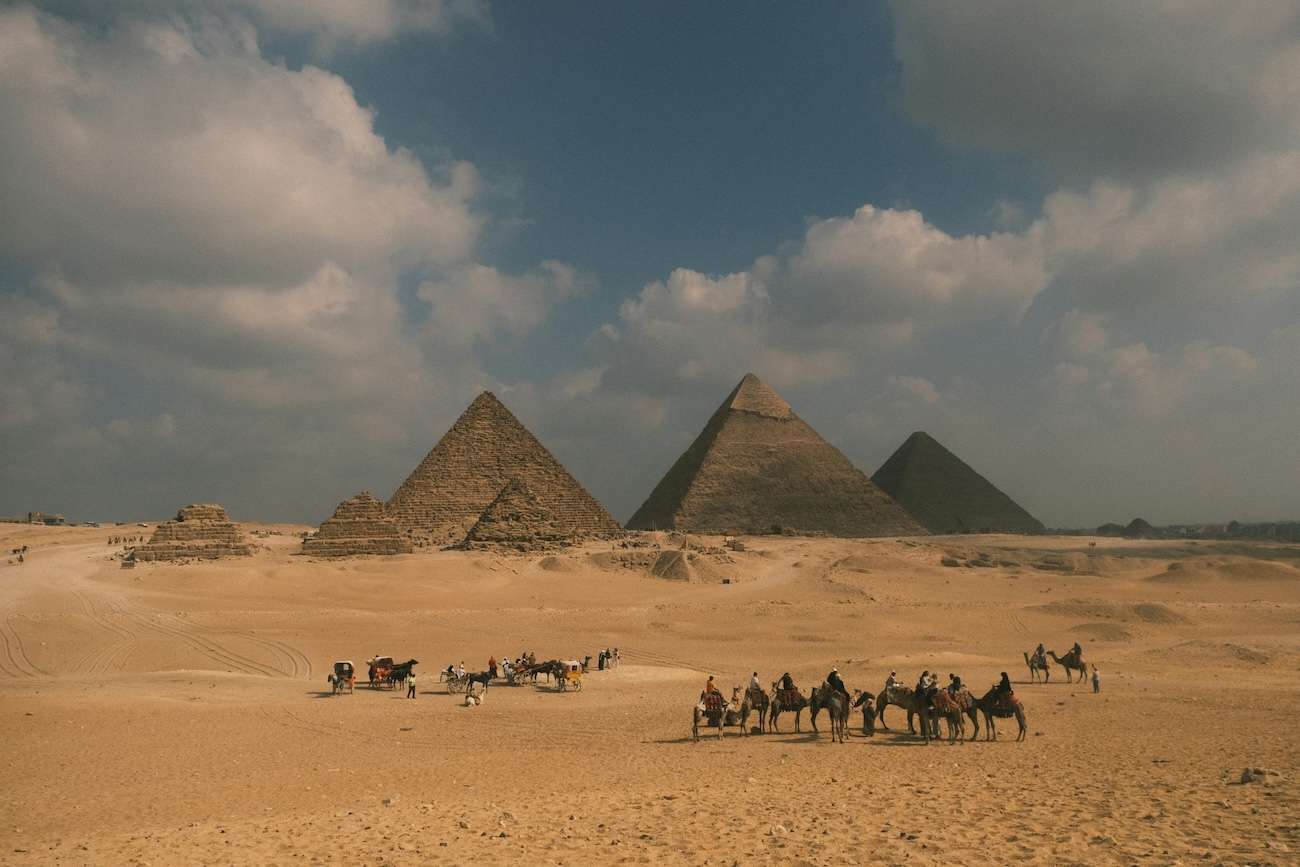 Photo by Fatih Beki on Unsplash
Visiting Today
The pyramid is open year-round, and visiting early in the morning or late in the afternoon offers cooler temperatures and softer light. Walking around the base reveals the immense size of the stone blocks—some weighing several tons—bringing the scale of the achievement into sharp focus.
Arrive as early as possible. Morning visits offer cooler temperatures, fewer crowds, and softer light for photography. Entry tickets to go inside the pyramid are limited each day, so arriving early increases your chances. Travelers who prefer a more structured visit can also research Giza pyramid tour options, which can make it easier to coordinate entry times and understand the history of the surrounding complex.
You can buy tickets on the day at the ticket office, but booking ahead is strongly recommended especially during busy seasons.
Decide Whether to Go Inside
Entering the Great Pyramid is optional but unique. The interior passageways are narrow, steep, and warm, so it’s best suited for travelers who are comfortable in enclosed spaces. Wear comfortable shoes and be prepared for a physical climb.
Walk Around the Base
Even if you don’t go inside, walking around the pyramid’s base is essential. Seeing the massive limestone blocks up close gives a true sense of the scale and engineering skill behind the monument.
Dress for the Desert
Wear light, breathable clothing and sturdy footwear. The plateau has little shade, so bring sunscreen, sunglasses, and a hat, especially during warmer months.
Stay Hydrated & Carry Cash
Bring water with you, and keep small bills handy for tips or site services. Vendors and camel rides are available, but participation is always optional.
Choose Your Viewpoints Wisely
For classic photos, visit the panoramic viewpoint overlooking all three pyramids. For a quieter moment, explore areas slightly away from the main paths.
More Than a Landmark
The Great Pyramid is not simply a symbol of ancient Egypt; it is a testament to human ambition, ingenuity, and belief in the afterlife. Standing before it, travelers connect with a civilization that shaped history—and left a legacy that continues to inspire awe across millennia.
Address:
Al Haram, Nazlet El-Semman, Al Haram, Giza Governorate 3512201, Egypt
Hours:
| Sunday | 7 am–5 pm |
| Monday | 7 am–5 pm |
| Tuesday | 7 am–5 pm |
| Wednesday | 7 am–5 pm |
| Thursday | 7 am–5 pm |
| Friday | 7 am–5 pm |
| Saturday | 7 am–5 pm |