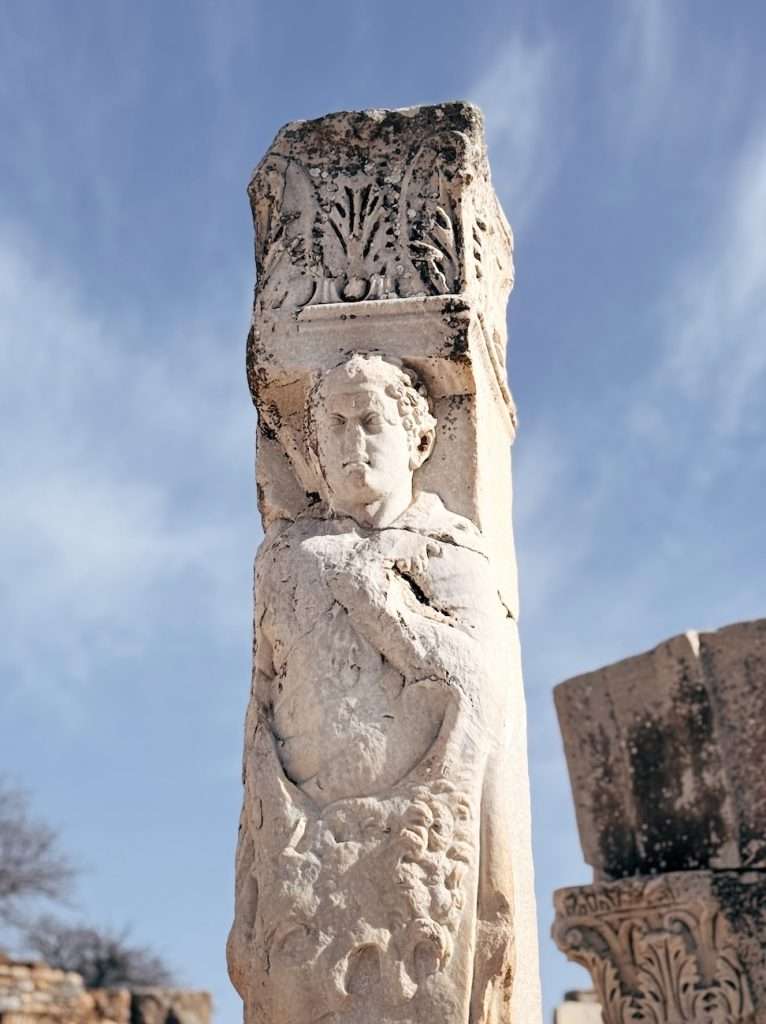
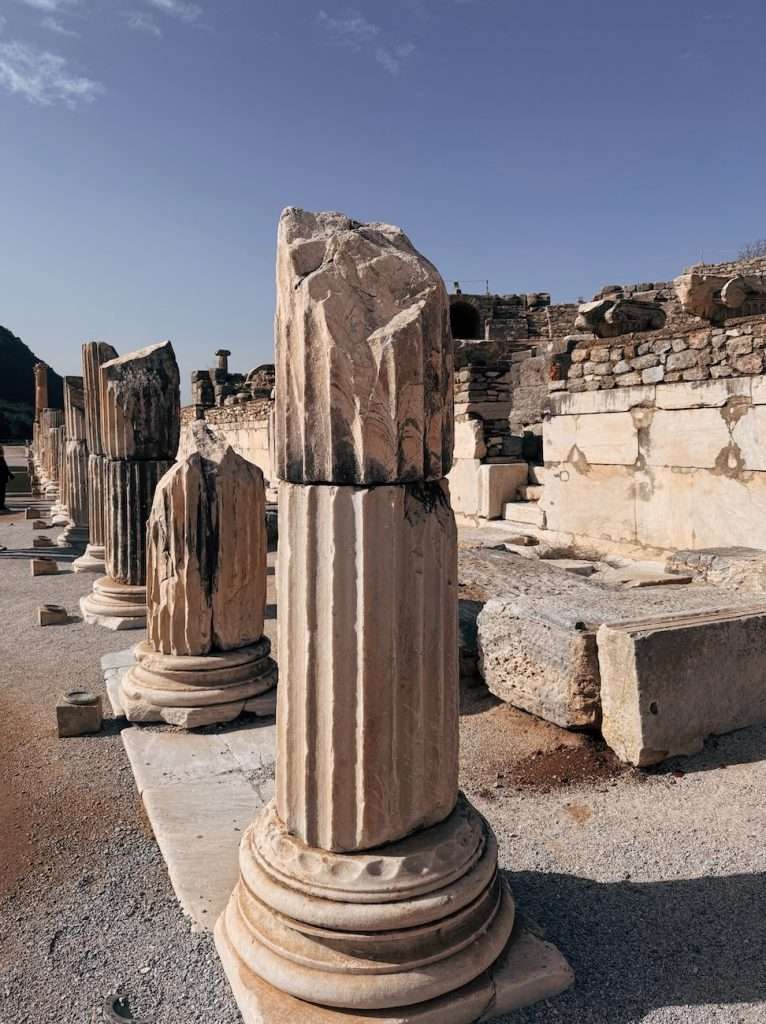
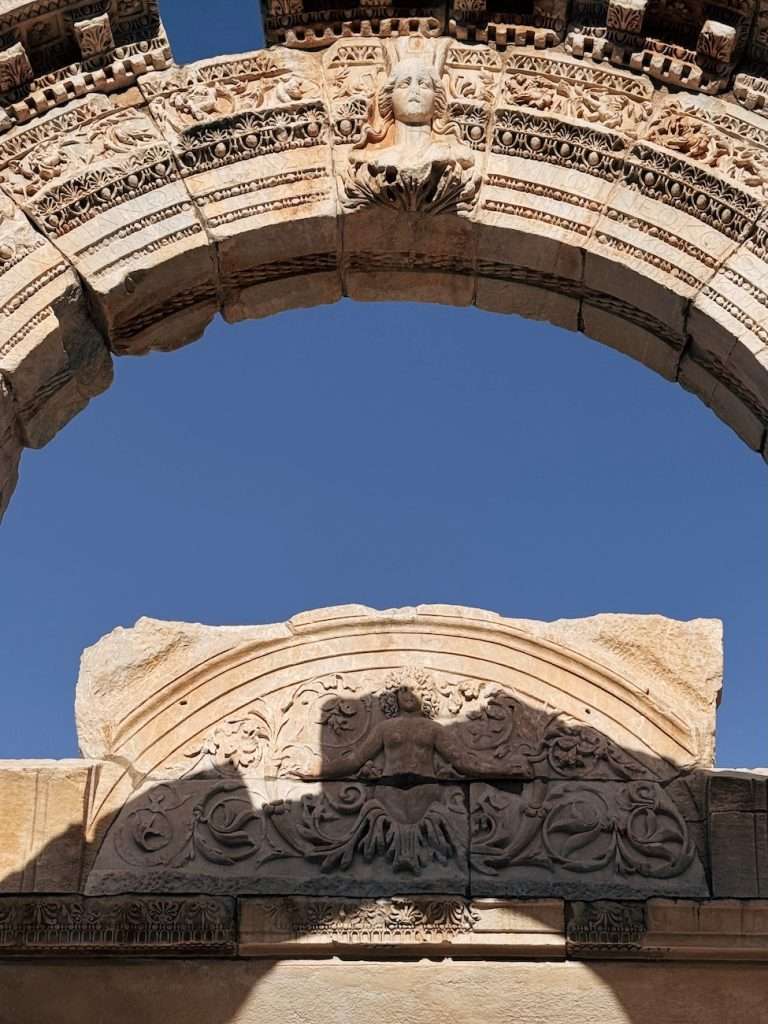
Walk through the marble streets of Ephesus and step into one of the greatest cities of the ancient world.
 Ephesus Ancient City. PHOTO WENDY HUNG
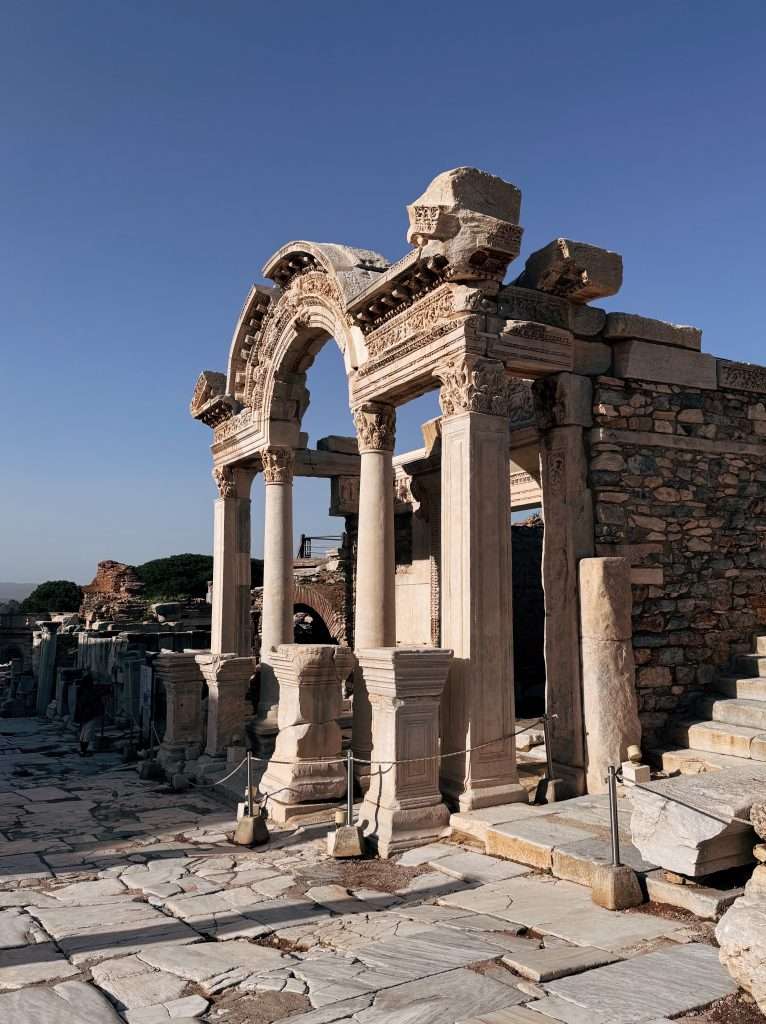
Located near today’s Selçuk on Turkey’s Aegean coast, Ephesus was founded in the 10th century BCE and rose to prominence under Greek and later Roman rule. At its peak in the 1st century CE, it was one of the largest cities in the Mediterranean, a thriving port, and a vital center of trade, politics, and culture.
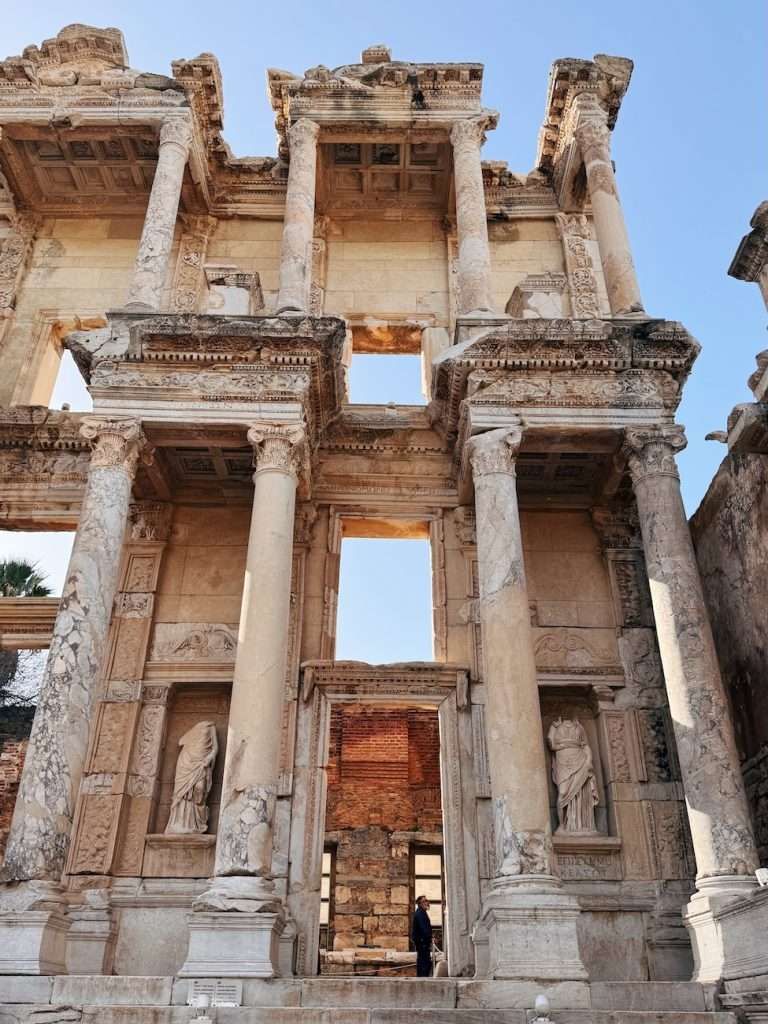
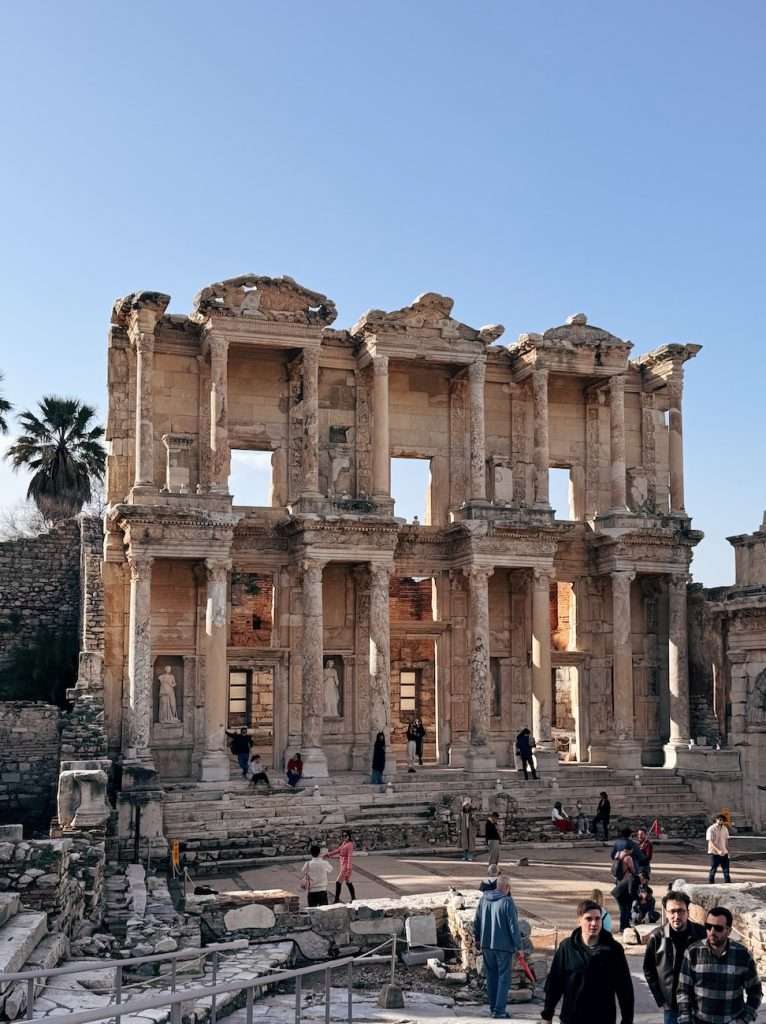
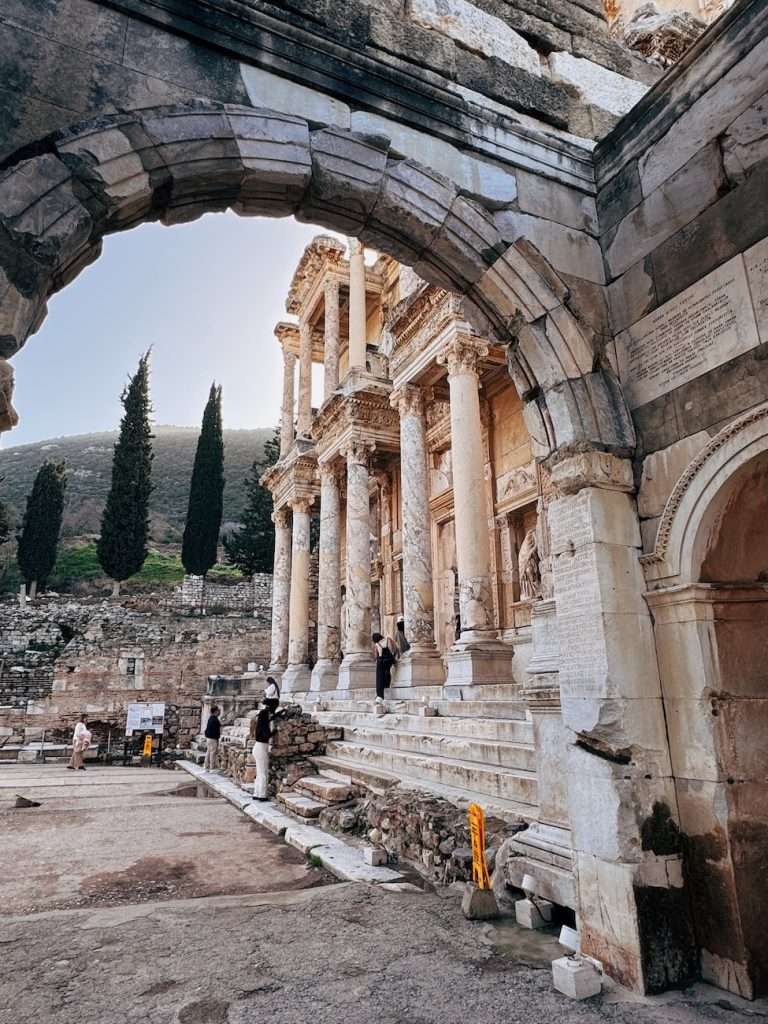
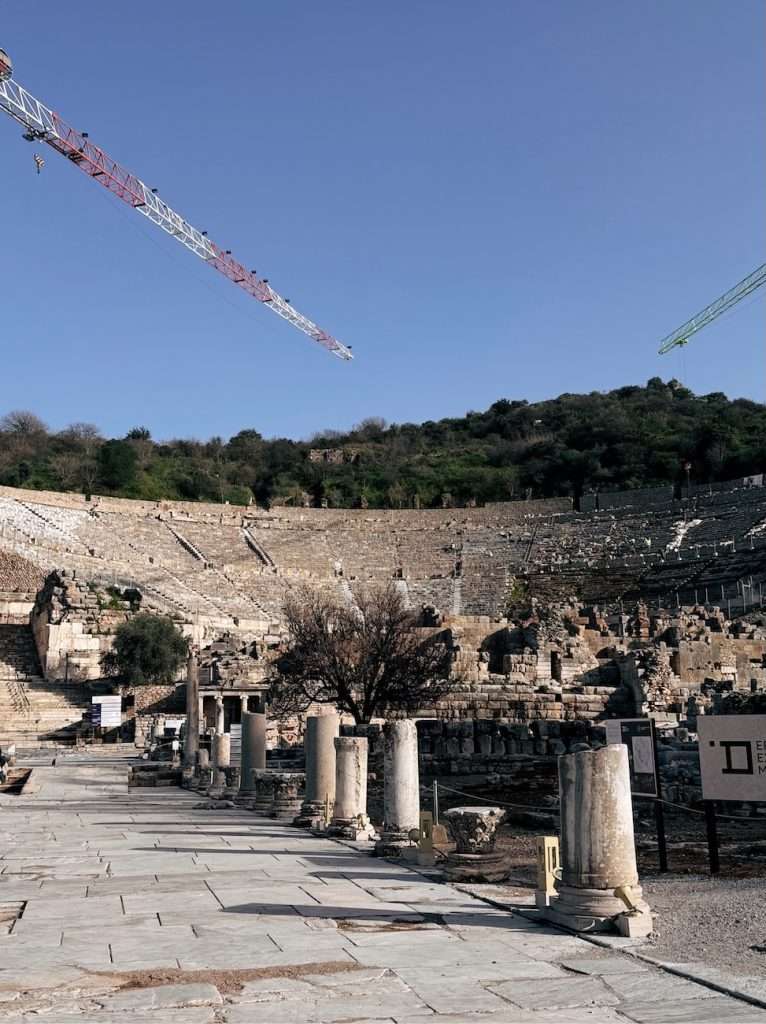
Ephesus was once home to the Temple of Artemis — one of the Seven Wonders of the Ancient World — attracting pilgrims from across the region. Under Roman administration, the city flourished with grand public buildings, sophisticated infrastructure, and monumental architecture. The iconic Library of Celsus, built in the 2nd century CE, symbolized the city’s intellectual life, while the Great Theatre, seating around 25,000 spectators, hosted dramatic performances and public assemblies.
View this post on Instagram

Ephesus also holds deep significance in early Christian history. It is associated with the Apostle Paul, who preached here, and later became an important center of early Christianity. Over time, shifting trade routes and the silting of its harbor led to the city’s gradual decline, preserving its streets beneath layers of earth for centuries.
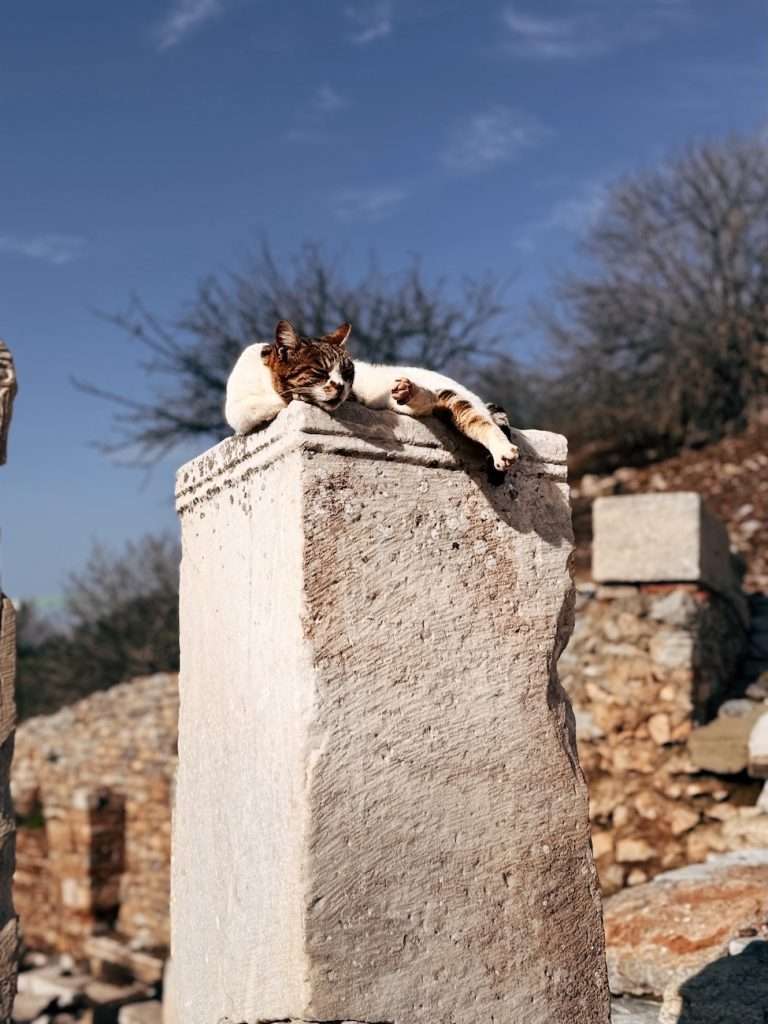
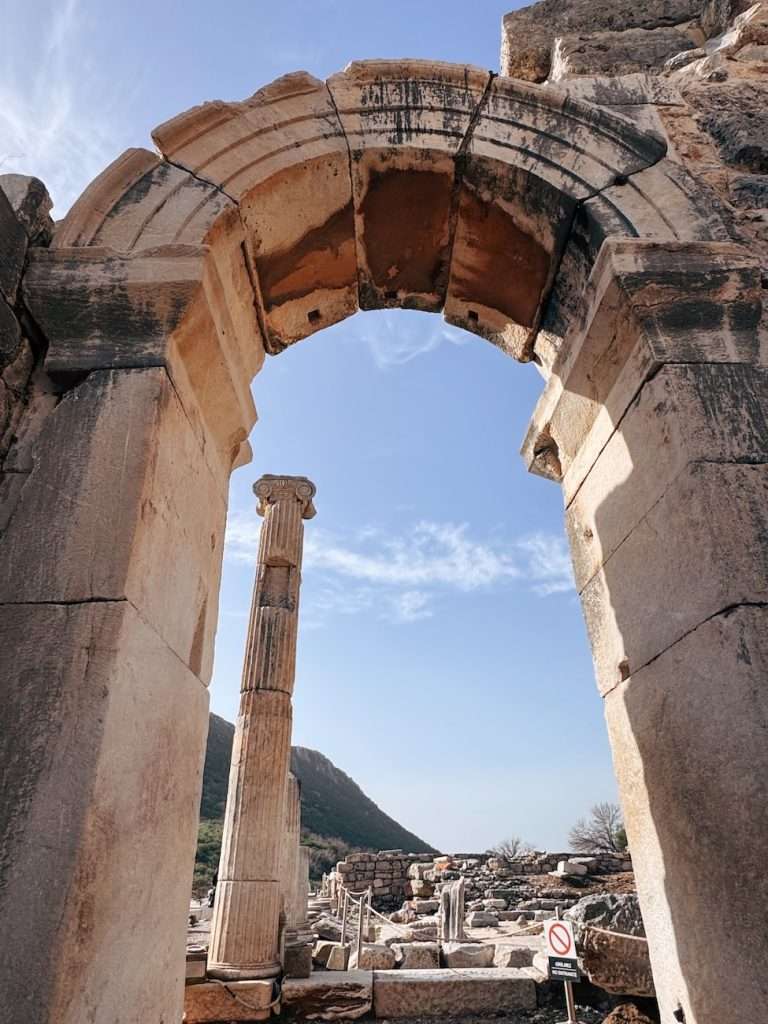
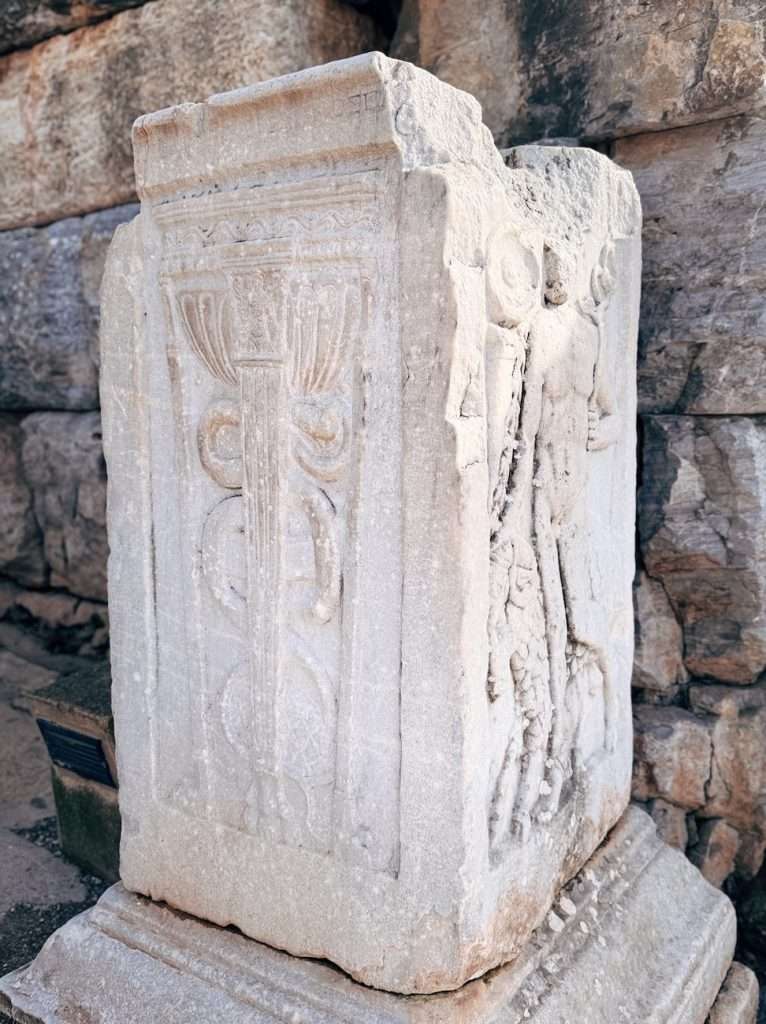
Today, Ephesus stands as one of the most remarkable archaeological sites in the world — an open-air museum where history is not confined to display cases but lives in every column, mosaic, and weathered stone. A visit here is more than sightseeing; it is a journey across civilizations that shaped the ancient Mediterranean.
Address:
Atatürk, Efes Harabeleri, 35920 Selçuk/İzmir, Türkiye
Hours:
| Monday | 8 am–5:30pm |
| Tuesday | 8 am–5:30pm |
| Wednesday | 8 am–5pm |
| Thursday | 8 am–5:30pm |
| Friday | 8 am–5:30pm |
| Saturday | 8 am–5:30pm |
| Sunday | 8 am–5:30pm |