Ever wonder why your trips might not feel as genuine or enlightening as you once imagined? Read on to discover how you can apply the experiences of one of the 20th century’s most prolific travel writers to your next great voyage.
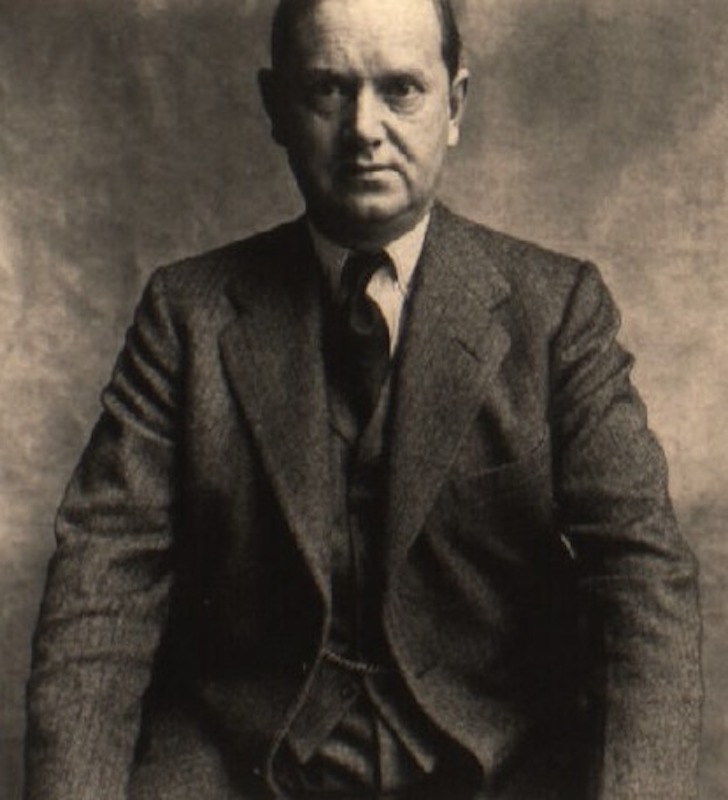
Evelyn Waugh was born in 1903 in London. Between 1923-64, he made a name for himself as one of the most outstanding journalists, authors, and travel writers in the 20th century, and for no odd reason. Having served in the British Armed Forces, sharing quarters with the likes of George Orwell, Waugh contributed a unique view of the rapidly developing world that is still valued today in the literary and cultural field. He used the experiences he shared with a plethora of individuals he encountered during his travel, creating a compendium of short books, such as Remote People (1931,) with insights that few other mediums shared at that time.
Today, we find ourselves at a particular point in history – the desire to break free from the clutches of quarantine, to experience a world which has been shrouded for almost two years, and understand the source of a country’s soul, has had many rethink what it means to travel consciously – being aware what truly reflects the culture and how we impact it with our presence.
One of Waugh’s most famous accounts is Haile Selassie’s coronation as emperor of Abyssinia (Ethiopia.) Selassie, otherwise known as Tafari by birth, is still regarded as one of the most influential leaders of the 20th century, having led the integration of Ethiopia into the United Nations, written Ethiopia’s first constitution, and rushed the country into an era of modernity, even appearing on the cover of Time magazine in 1930.
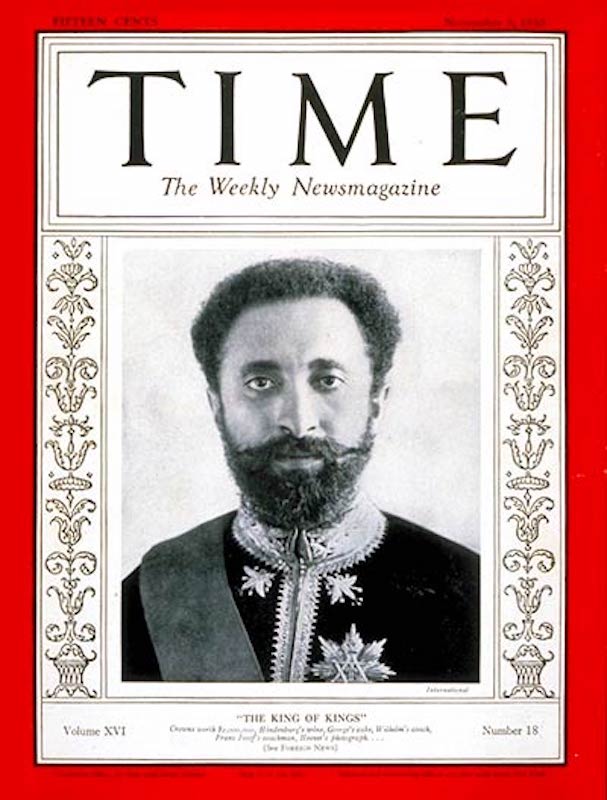
Waugh himself was invited to this grand event, which he described as “an elaborate propaganda effort” due to the brutality of Selassie’s rise to power. Today, many historians debate the various rebellions that rose against the emperor and how he suppressed Ethiopian nobles, Mesafint, for not surrendering their respective regions to the emperor.
Addis Ababa, Ethiopia’s capital, stands today as an accurate historical, political, and cultural landmark, featuring: the Blue Nile Waterfalls, and the bustling Merkato of Addis’ city center. Few would venture, however, beyond the confines of the hotels, tour guides, or more modern neighborhoods, such as the Meskel Square, and, perhaps, for a good reason, owing to the various conflicts within the country.

Waugh’s firsthand experiences not only educate us on the origins of modern-day conflicts but also creates a precedent for conscious travel, ergo, establishing what it means to experience the bad and sound of culture indeed. Much like the shroud that is being lifted with the ending of quarantine, we, as travelers, must desire to learn what it means to take part in these histories and cultures, not only to be aware of the impact we bring to countries as tourists but the impact their accurate records impress upon us.
Tom is an avid reader of 20th century British literature, fascinated with the Romantic style and how it reflects the history of the world.