A brighter tomorrow means a greener today.
On Monday, August 9th, the United Nations released its 6th IPCC Climate Change Report which outlines humanity’s detrimental impacts on the planet, its uncertain future, and the narrowing window of opportunity humans have before the effects of climate change are irreversible.
After analyzing over 14,000 studies, scientists have discovered concerning and irrefutable evidence of existing global warming. Earth has become two degrees (Fahrenheit) warmer since the 19th century, and carbon dioxide atmospheric concentration is the greatest it’s been in the last two million years.
Climate change is not just occurring across the globe; it’s accelerating. The report uncovers that sea-level rise has doubled since 2006, and each decade is successively warmer than the last. Even if humans could dramatically cut emissions today, climate issues would continue to magnify for the next 30 years.
So why bother? What’s the point of changing lifestyles?
Climate change will continue into the mid-century, however, there is still a narrowing window of opportunity to save the planet before the environmental impact is irreversible.
The decisions made now will either save or destroy future generations. There needs to be a shift in the way humanity interacts with the environment. Monopolies and governments need to reduce emissions, and people must partake in greener lifestyles. If there is collective effort to be more environmentally conscious, the next generation, and ones after that, might be saved from rampant poor air quality and scavenging for clean water and food.
When talking about climate change, the environmental impacts of traveling cannot be excluded from the conversation. The travel industry, transportation specifically, and tourism both have considerable adverse effects on the planet.
A study by Hannah Riche from Our World in Data found that flights, passenger and freight, accounted for 2.5% of global carbon dioxide emissions in 2018. Not only does air travel emit CO2, but it also affects the concentration of other atmospheric pollutants, causing flying to account for 3.5% of all global warming.
Compared to other industries, flying has a relatively low impact on the environment, however, because of this, there is no incentive to reduce emissions. Additionally, CO2 emissions from international flights are not included in a country’s overall account and instead counted towards global “bunker fuels,” further discouraging countries from worrying about their aviation emissions.
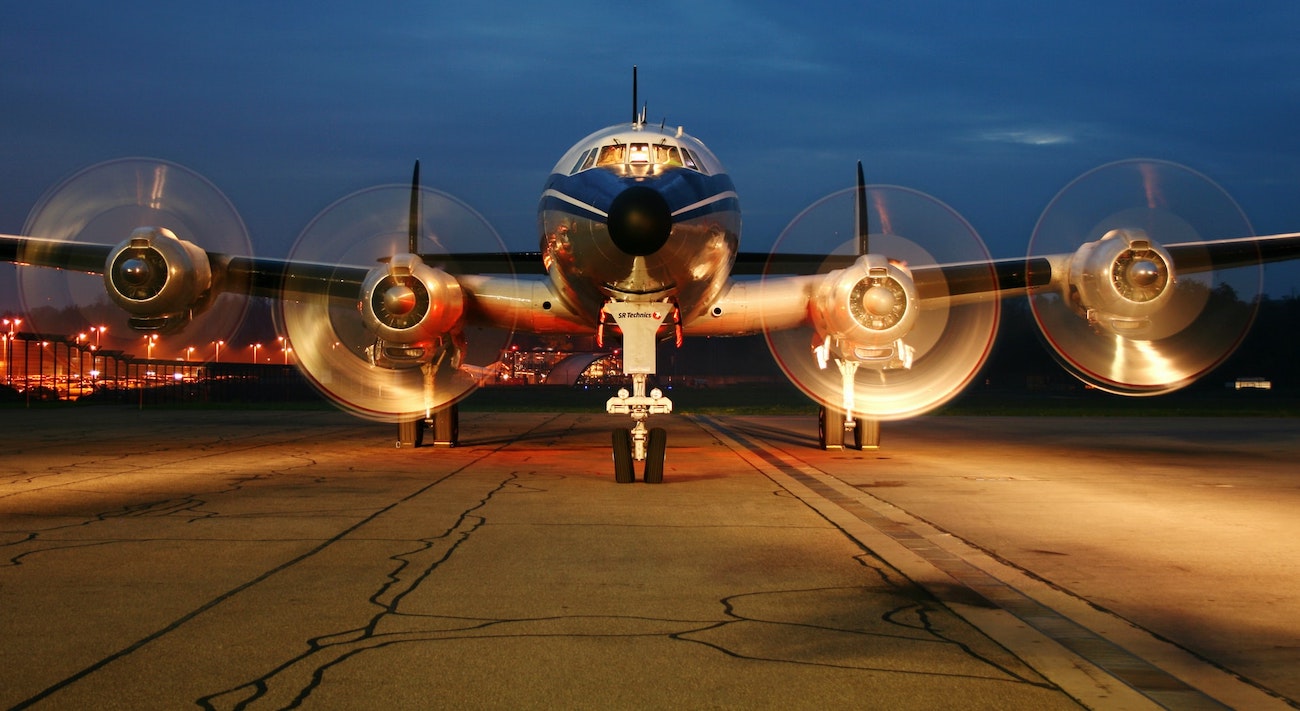
Almost all industries have used modern technology to access renewable energy sources like wind, solar, and waterpower, yet aviation has made no progress. Governments need to push airlines to find renewable sources that can work for flying, so emissions can begin to decrease.
Airline emissions might be out of control for an individual; their traveling habits are not. A 2018 study from Nature Climate Change found that international tourism accounted for 8% of global emissions from 2009 to 2013, a number that has likely grown since.
Tourism immensely impacts the environment, and it’s up to people – as tourists – to become more mindful of how we travel. The changes don’t have to be drastic. Choosing to rent electric cars or having eco-friendly luggage and reusable water bottles are all small, easily made changes to reduce one’s carbon footprint and have a greener traveling experience.
Hotels can find recycled products for their guests. Restaurants can use locally-sourced ingredients. The ability to become greener and improve humanity’s relationships with the planet is possible.
Whether it’s airlines or tourism, as climate change accelerates, every industry must make an effort to become cleaner before the earth is un-savable. A brighter, greener future can be on the horizon.