
If you’re looking to improve your green thumb, reduce your carbon footprint, and take action toward the climate catastrophe; try out composting.

According to the NRDC, “Composting is the natural process of recycling organic matter, such as leaves and food scraps, into a valuable fertilizer that can enrich soil and plants.” It is rich in nutrients and is commonly used for gardening and agriculture. If you’re looking to improve your garden or help the environment, this may be for you.
Why should you compost?
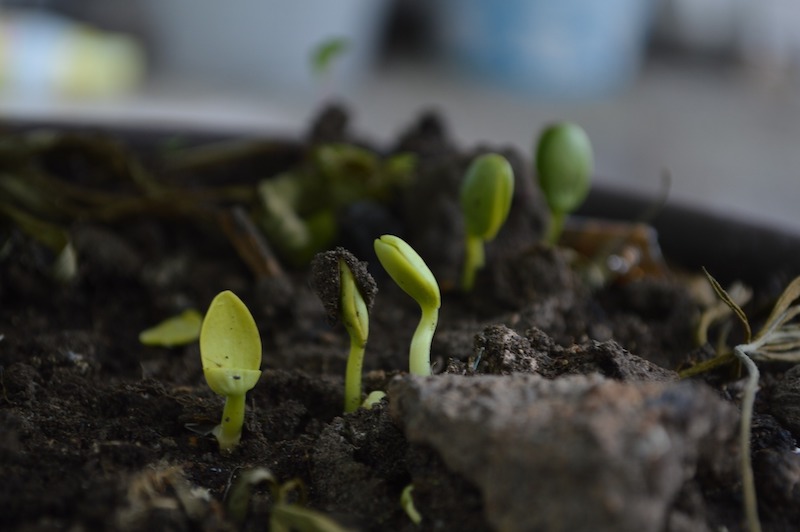
Composting is a good way to reduce the amount of waste you produce that will eventually end up in a landfill. It’s a lot like recycling, but for foods. Take what would normally end up in the trash and turn it into something that is practical for nature.
You are saving money on fertilizers when you compost. Chemical fertilizers can be expensive and bad for the environment. They don’t hold very well to plants or soil so when it rains, they seep into the ground and end up in the groundwater or other water sources leading to contamination. Composted fertilizer is free, and it doesn’t have a negative impact on the environment. In fact, the nutrients stay with the plants and soil after it rains while maintaining moisture.
This process alleviates the climate crisis currently taking place. When compostable material is sent to a landfill, it is broken down by organisms in a method called anaerobic decomposition. This type of decomposition has a by-product of methane and carbon dioxide which are major greenhouse gases that warm the planet. Composting avoids this as it uses aerobic decomposition that releases the nutrients from the composted materials and makes it available for plants to grow better.
Composting Basics
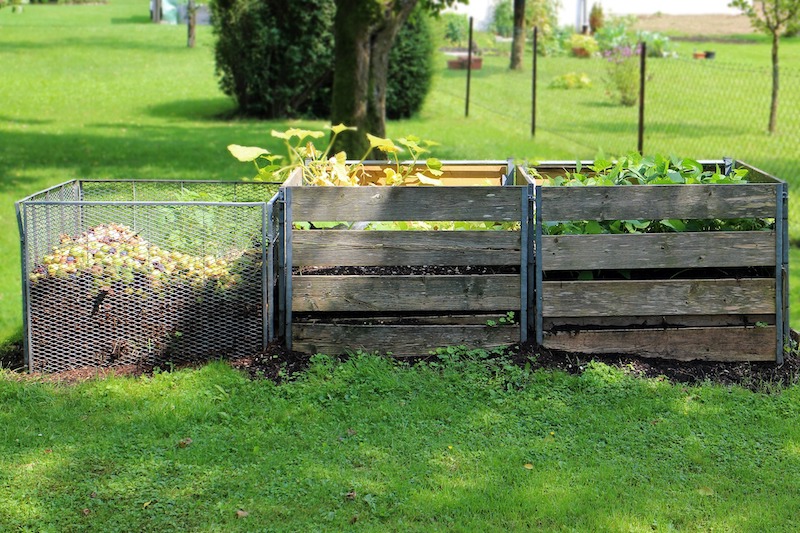
There are three basic ingredients that are used.
- Browns: Dead leaves, branches, and twigs.
- Greens: Grass clippings, vegetable waste, fruit scraps, and coffee grounds.
- Water: Water provides moisture which assists in breaking down the organic material.
- The brown to green ration should be about even with different sizes of organic materials layered on one another.
You can compost fruits and vegetables, eggshells, paper, cardboard, sawdust, hair and fur, tea bags, and more. You cannot compost dairy products, other than eggshells, fat or oil, meat or fish scraps, pet wastes, coal, black walnut tree leaves, and anything with chemical pesticides on them.
Types of Composting
To do this at your home, you have a choice to make. In the house or outside. While making the choice, you should also consider the two main methods in a small-scale environment.
1. Aerobic and Anaerobic
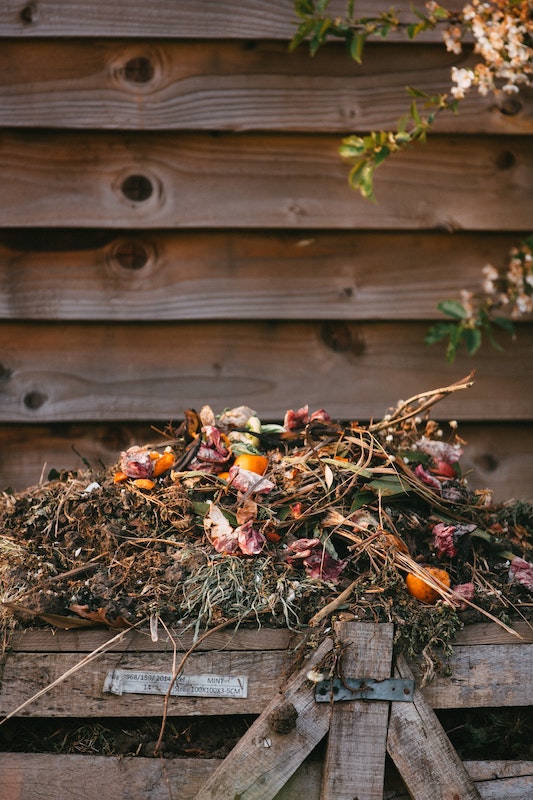
This form consists of taking the scraps you would like to compost and putting it into a bin. After that, it depends on how much work you want to do with your compost. The aerobic method involves turning your compost, so it has some airflow. You turn the compost either by hand or with a lever on the side of the compost bin, depending on what you have. This is a faster process than anaerobic composting, but it can require a bit more work. The anaerobic method is simply putting scraps into a bin, inside or outside, and then letting it sit, however, this means the process can take one to two years. This process can lead to bad odors if not taken care of properly.
2. Vermicomposting
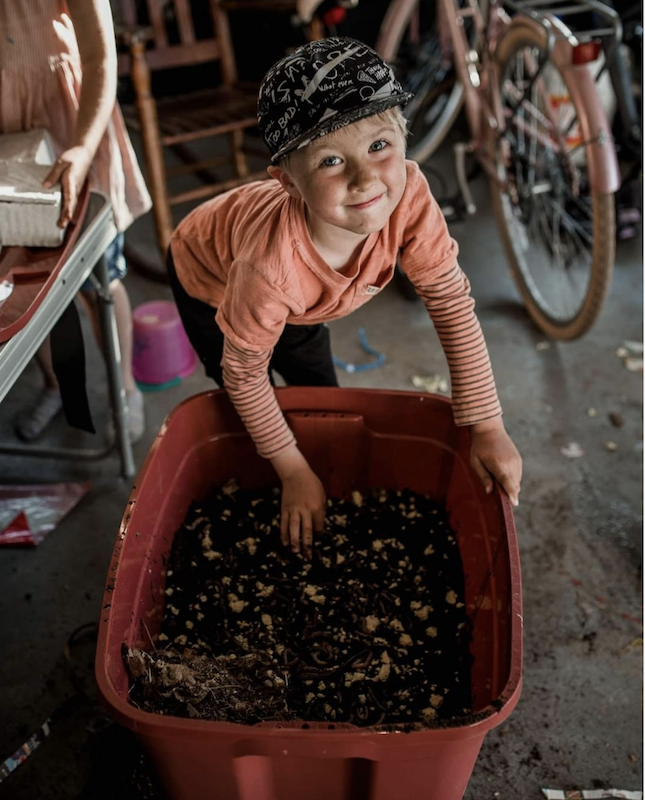
If you like the idea of having worms in or around your house, then this is the one for you. Worms, oxygen, and moisture work together to break down organic material in an effective and almost odorless manner. Usually, Red Worms are used for this as they are the most efficient. This can be a fun form of composting for those who have kids that could have fun learning about the worms and taking care of them, although there isn’t too much upkeep. All you have to do is give them scraps. Turning the compost is rarely necessary!
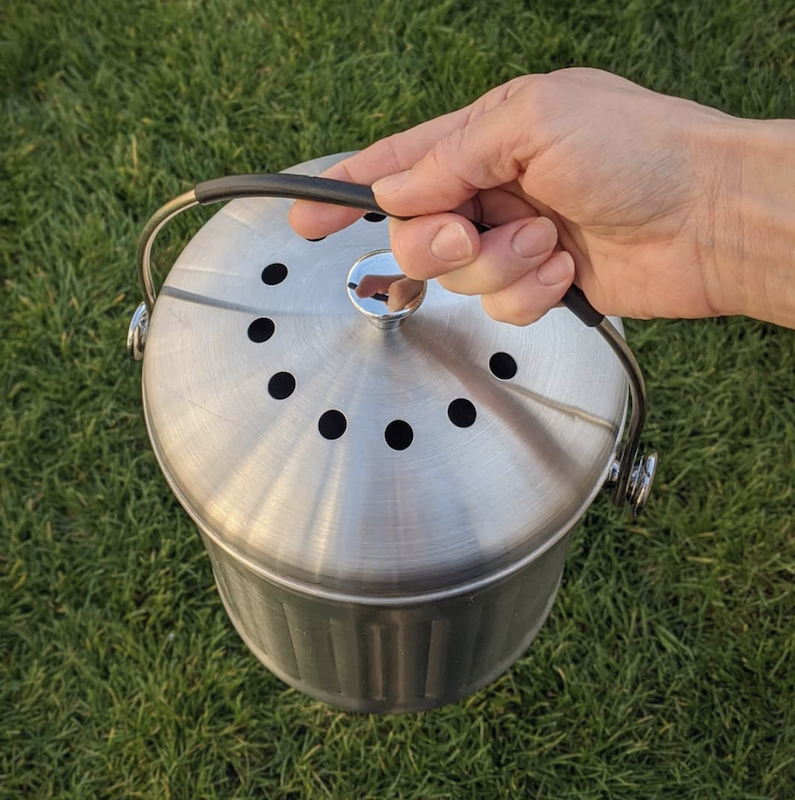
Compost bins are usually used to hold the scraps until you are ready to dump them out into the compost pile or tumbler – a large composter which can be turned with a lever. The Strategist made a list of the best compost bins, tumblers, and worm composting bins according to environmental experts.
For the gardeners, the tree-huggers, or those willing to try something new; composting is a fun and easy way to help the earth and give back to nature in your own little way.
