
Tashkent isn’t simply Uzbekistan’s capital city, but rather, the thrumming core of Central Asia.
To say that Tashkent is the principal metropolis of Uzbekistan would be an understatement. With an astounding population of 2.5 million and webs of modern avenues combined with cars cascading through rush hour, Tashkent is the pulsating center of Central Asia. Need more proof? Take a metro ride as you gaze inside poetically avant-garde stations.
Similar to other capitals like Dushanbe, Bishkek, and Astana; Tashkent is braided with European romance, post-Soviet concretes, medieval Islamic minarets, and modern independence attested by newer skyscrapers that tower over tiled blue domes.
As one of the oldest cities on the Silk Road, Tashkent was always a substantial hub for trade, in turn, an amalgam of Eastern and Western art, science and political powers. It’s a treasure trove of Central Asian stories, slowly moving into the big leagues of today’s travel map. Here are some of the best things to do in Tashkent – the preeminent mammoth in a hushed region of the world.
View this post on Instagram
Hazrati Imam Complex
At the heart of Tashkent is the extraordinary Hazrati Ima, or Khastimam, Square, named after the legendary scientist, poet, craftsman and scholar of Quran and Hadith. The entire complex impressively encompasses: Barak-Khan Madrasah, Tilla Sheikh Mosque, Saint Abu Bakr Kaffal Shashi mausoleum, Islamic Institute of Imam al-Bukhari and Spiritual Administration of the Muslims of Central Asia.
The entrance of Hazrati Ima features intricate woodcarving, emblematic of various woodcarving schools in Uzbekistan. Imported trees, flowers have been brought from countries around the world, then planted within the complex.
In addition, there’s abundant old manuscripts, including the highly celebrated Quran of Caliph Uthman – Ottoman which is made of 353 parchment sheets, written during 7th century and has been the key foundation of Islam holy book.
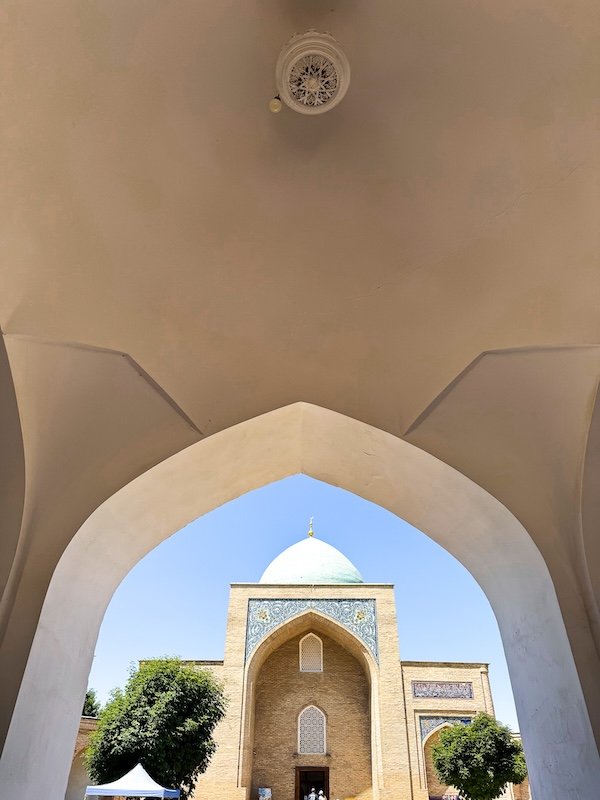 Hazrati Imam complex. PHOTO WENDY HUNG
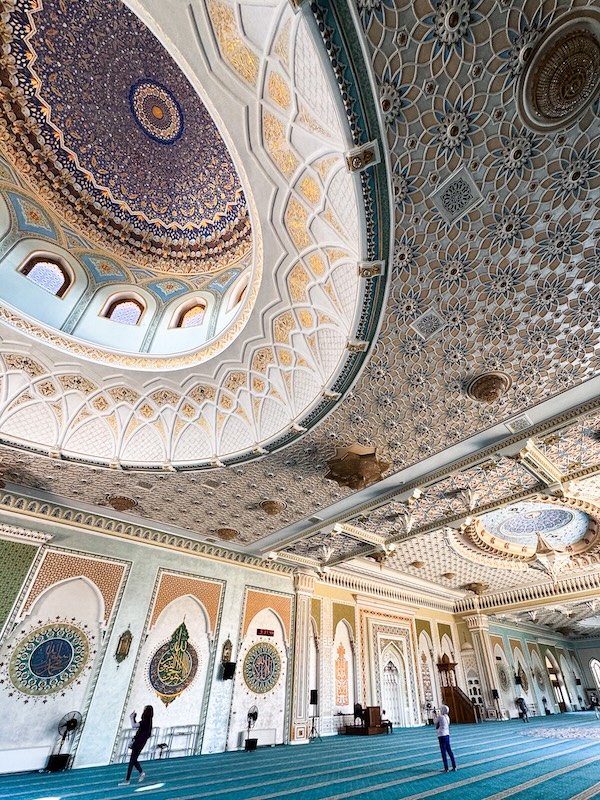 At the heart of Tashkent. PHOTO WENDY HUNG
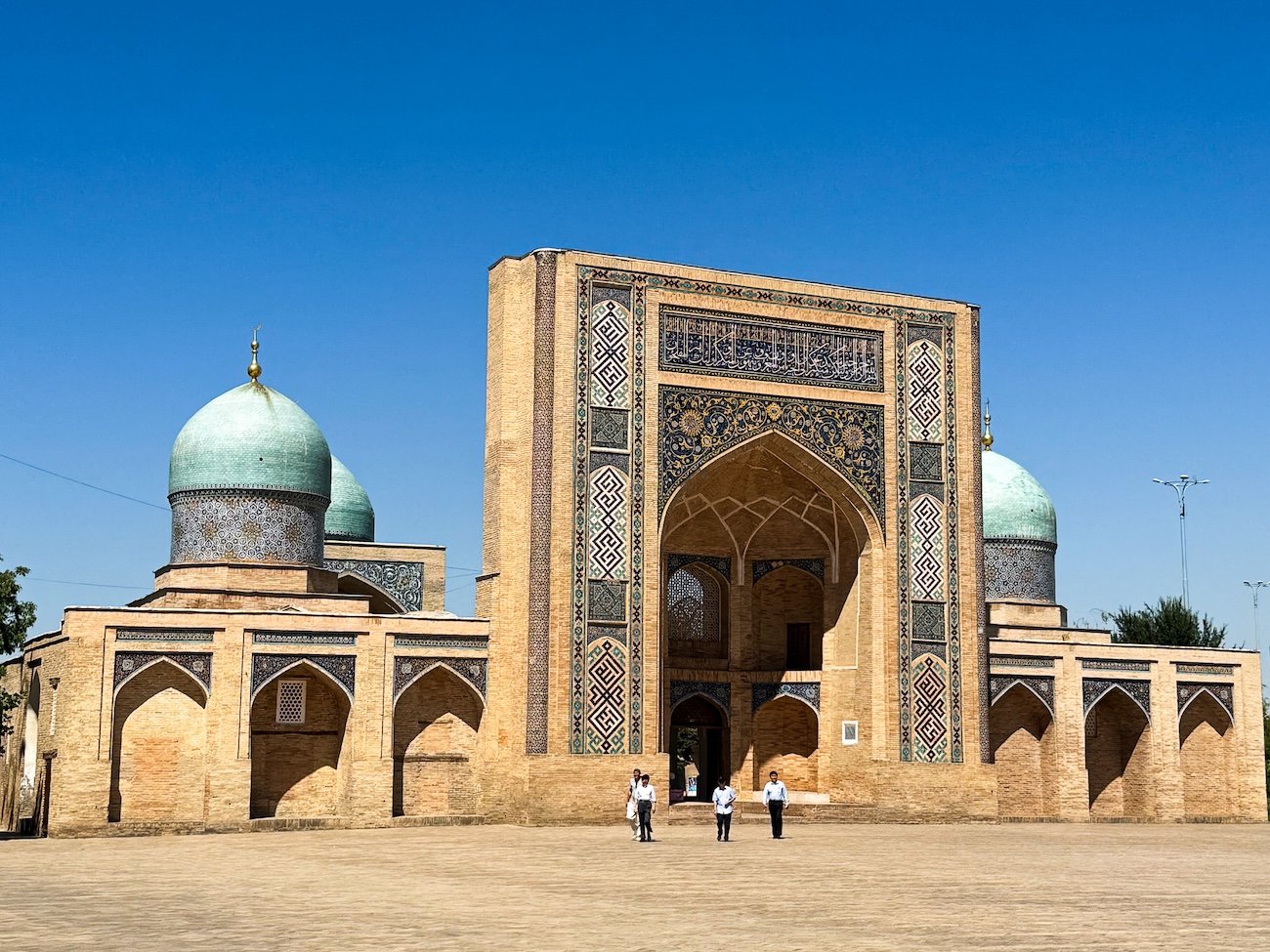 The extraordinary Hazrati Ima. PHOTO WENDY HUNG
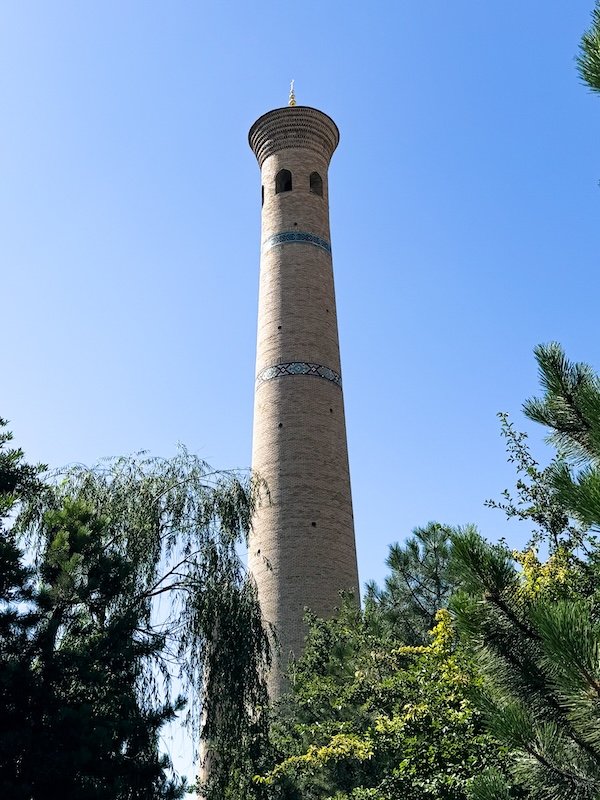 The entrance of Hazrati Ima. PHOTO WENDY HUNG
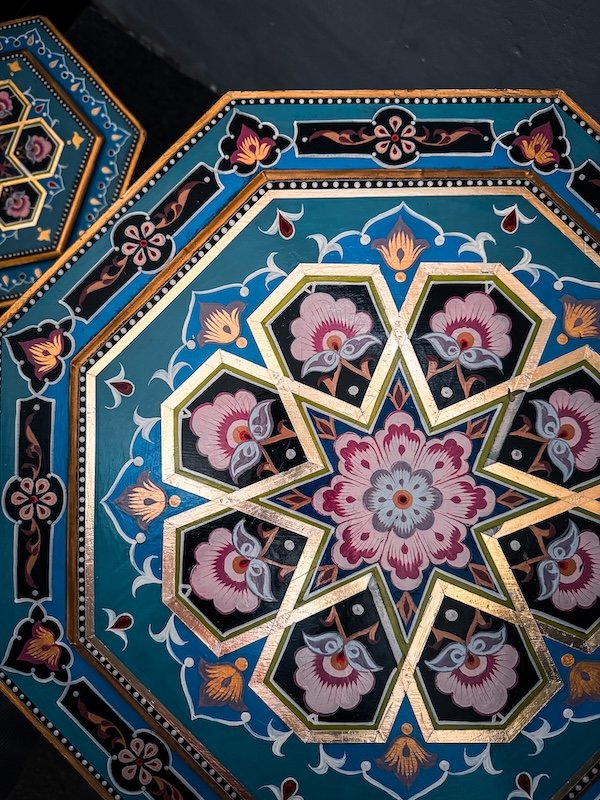 Beautiful table inside manuscripts room. PHOTO WENDY HUNG
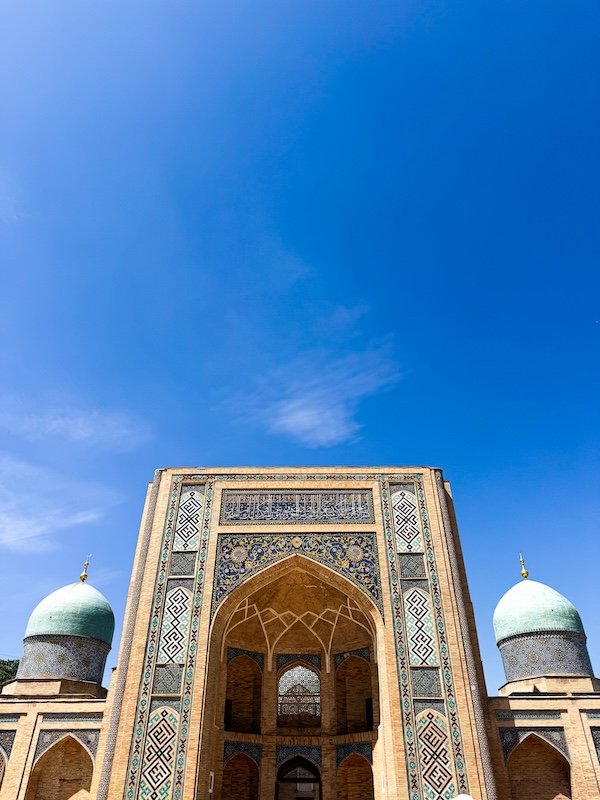 Hazrati Ima is named after the legendary scientist, poet, craftsman and scholar of Quran and Hadith. PHOTO WENDY HUNG
 A sign outside of the souvenir shop. PHOTO WENDY HUNG
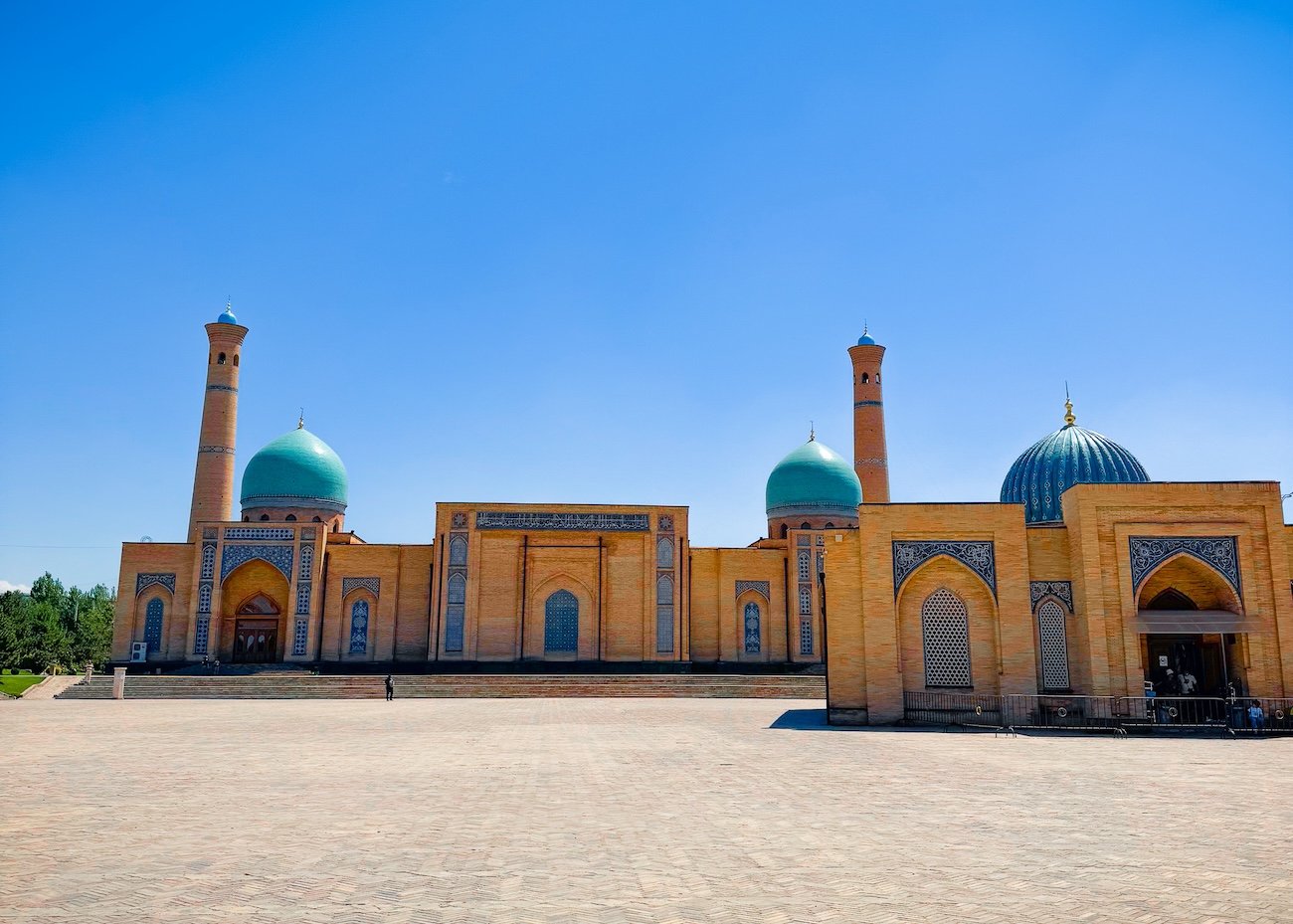 The entire complex impressively encompasses madrasahs, mosques and mausoleums. PHOTO WENDY HUNG
 Imported trees, flowers have been brought from countries around the world. PHOTO WENDY HUNG
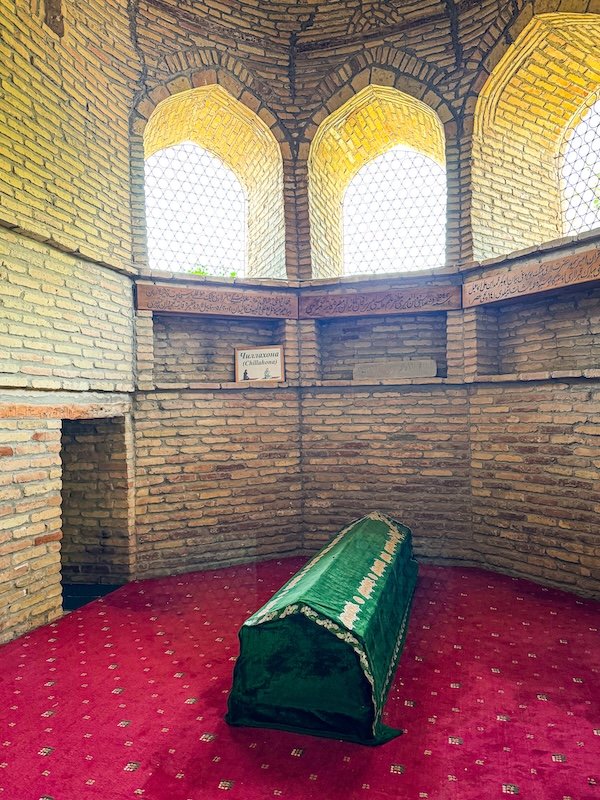 Saint Abu Bakr Kaffal Shashi mausoleum. PHOTO WENDY HUNG
Chorsu Bazaar
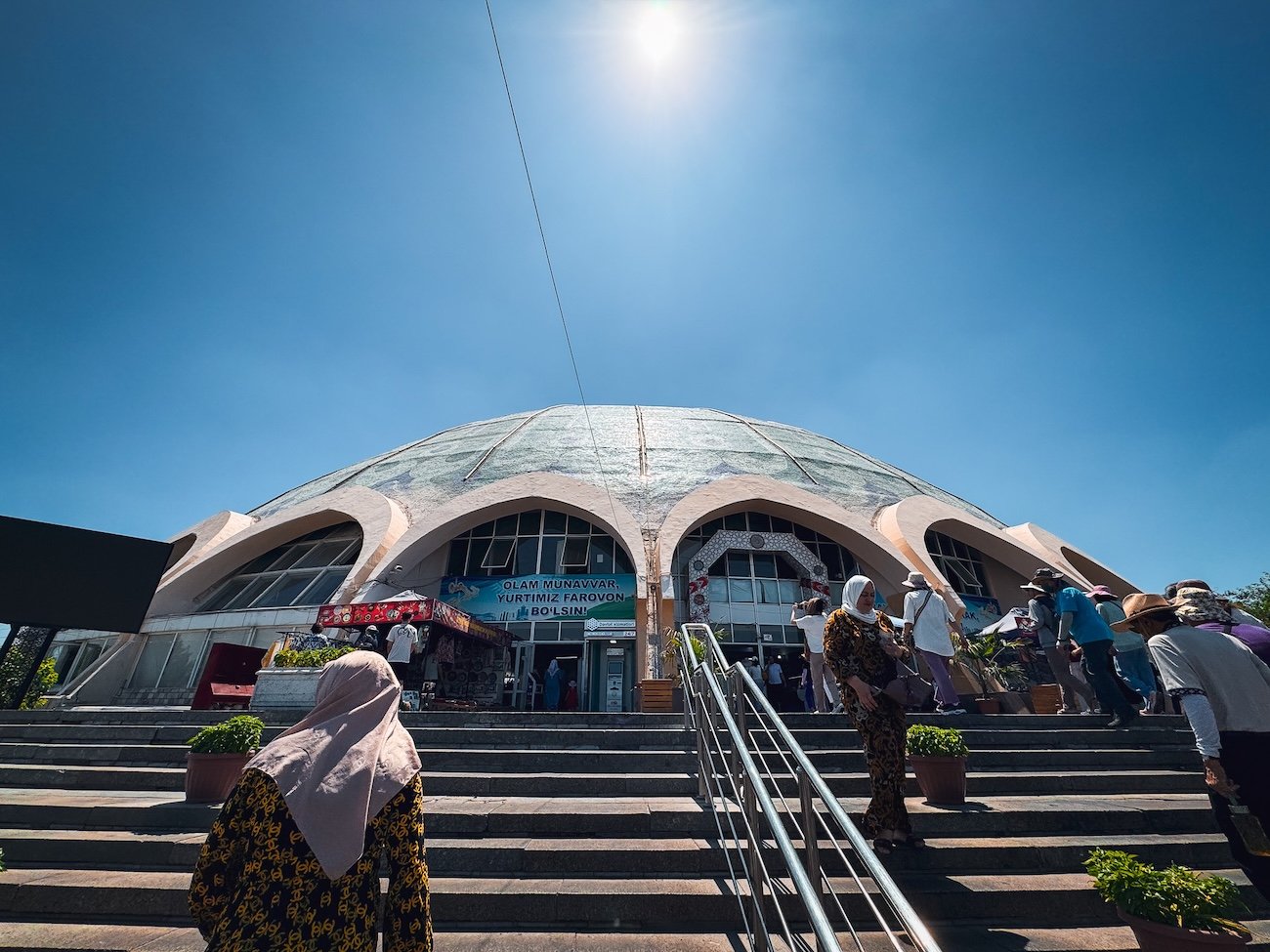 The main market in Tashkent is Bazaar Chorsu. PHOTO WENDY HUNG
The main market in Tashkent is Bazaar Chorsu, which is essentially the heartbeat of this bustling city. Bazaars have always played an imperative role among merchants and traders for business, social and entertainment purposes. Today, Chorsu remains busy under its unchanged blue dome since the 11th century. Fresh meats, aromatic spices, beautiful fruits and vegetables can be browsed and bought in this lively market. Don’t miss glorious rock sugars that glisten vendor stalls, while the bakery section is wildly eye-opening. Fresh Uzbek breads enchantingly toasting inside traditional tandyr (clay oven.) Chorsu is where local lives make its mark, where customs run deep and flavors pour through genuine human interactions.
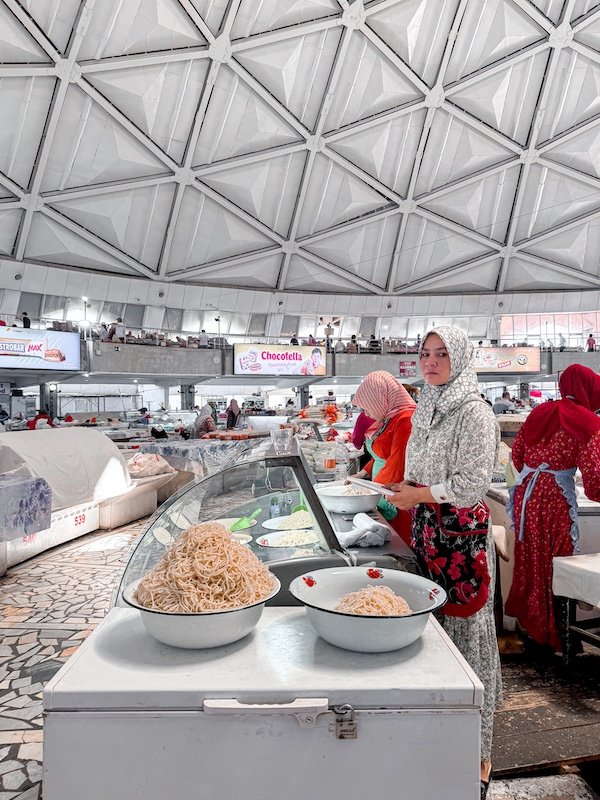 Under the ancient dome are meat and noodle vendors. PHOTO WENDY HUNG
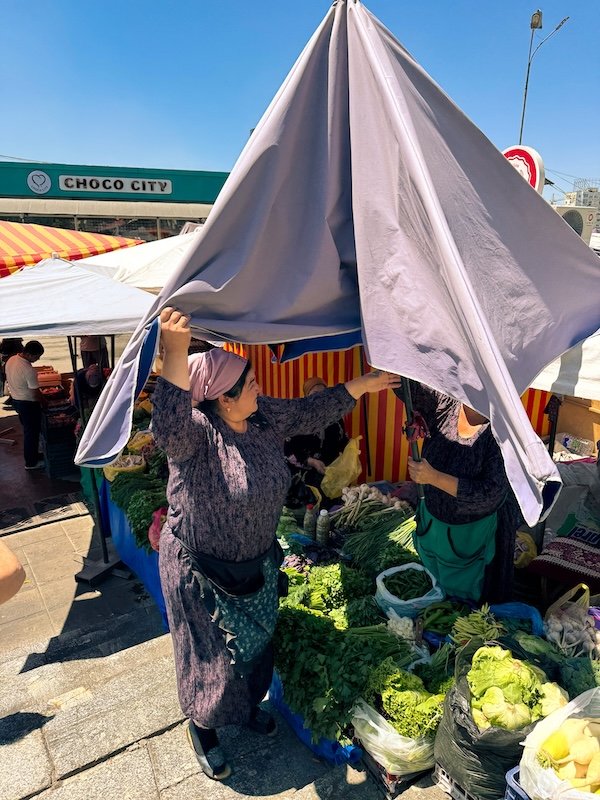 Local lives. PHOTO WENDY HUNG
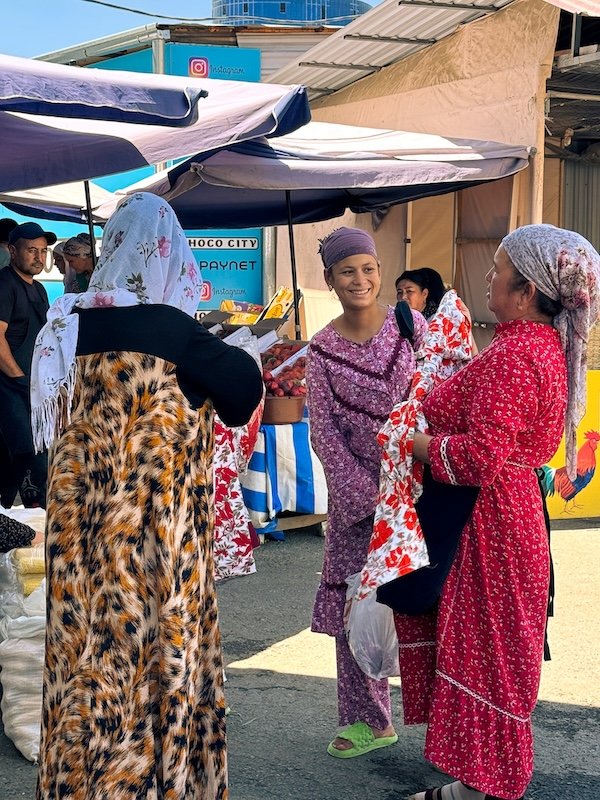 Uzbek women laughing. PHOTO WENDY HUNG
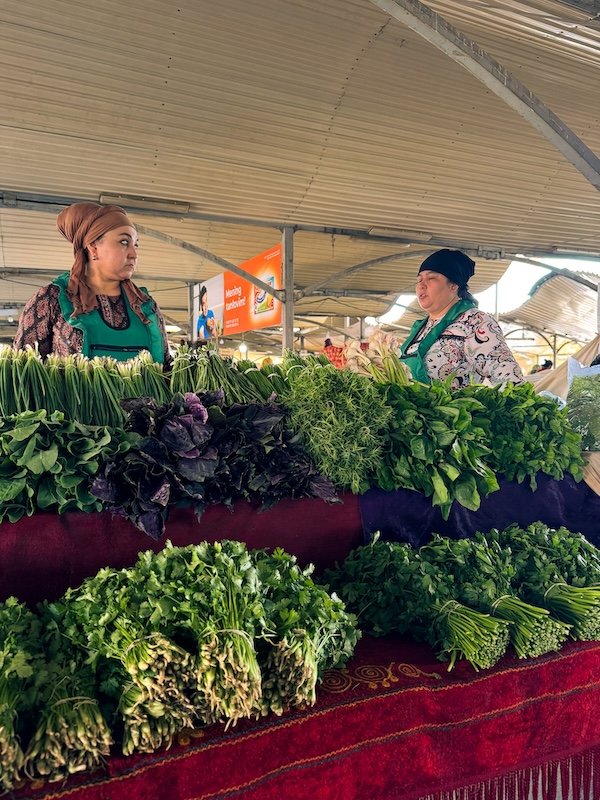 Neat arrangements. PHOTO WENDY HUNG
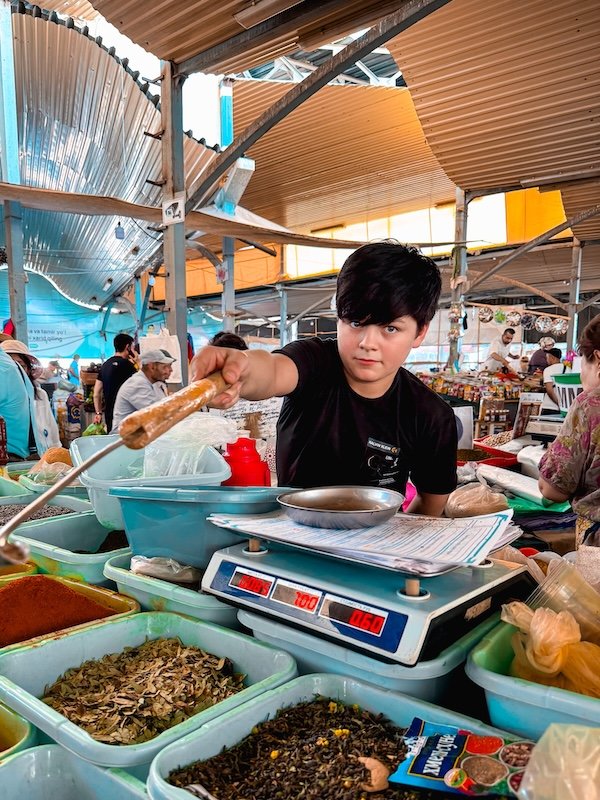 Boy selling spices. PHOTO WENDY HUNG
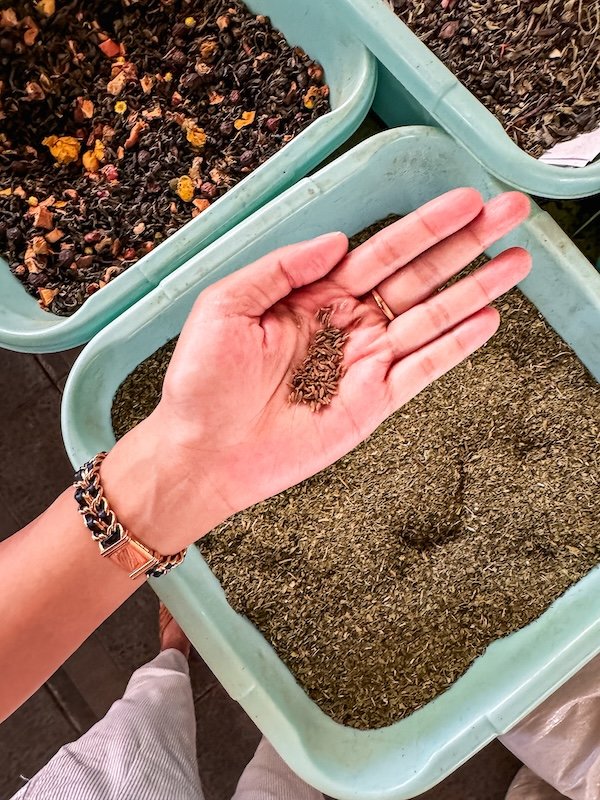 Spices. PHOTO WENDY HUNG
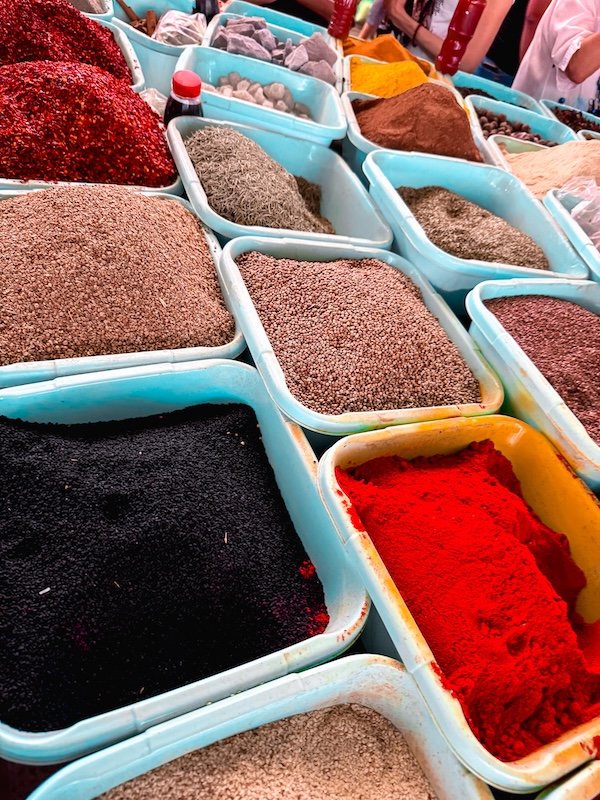 Spice world. PHOTO WENDY HUNG Spices. PHOTO WENDY HUNG
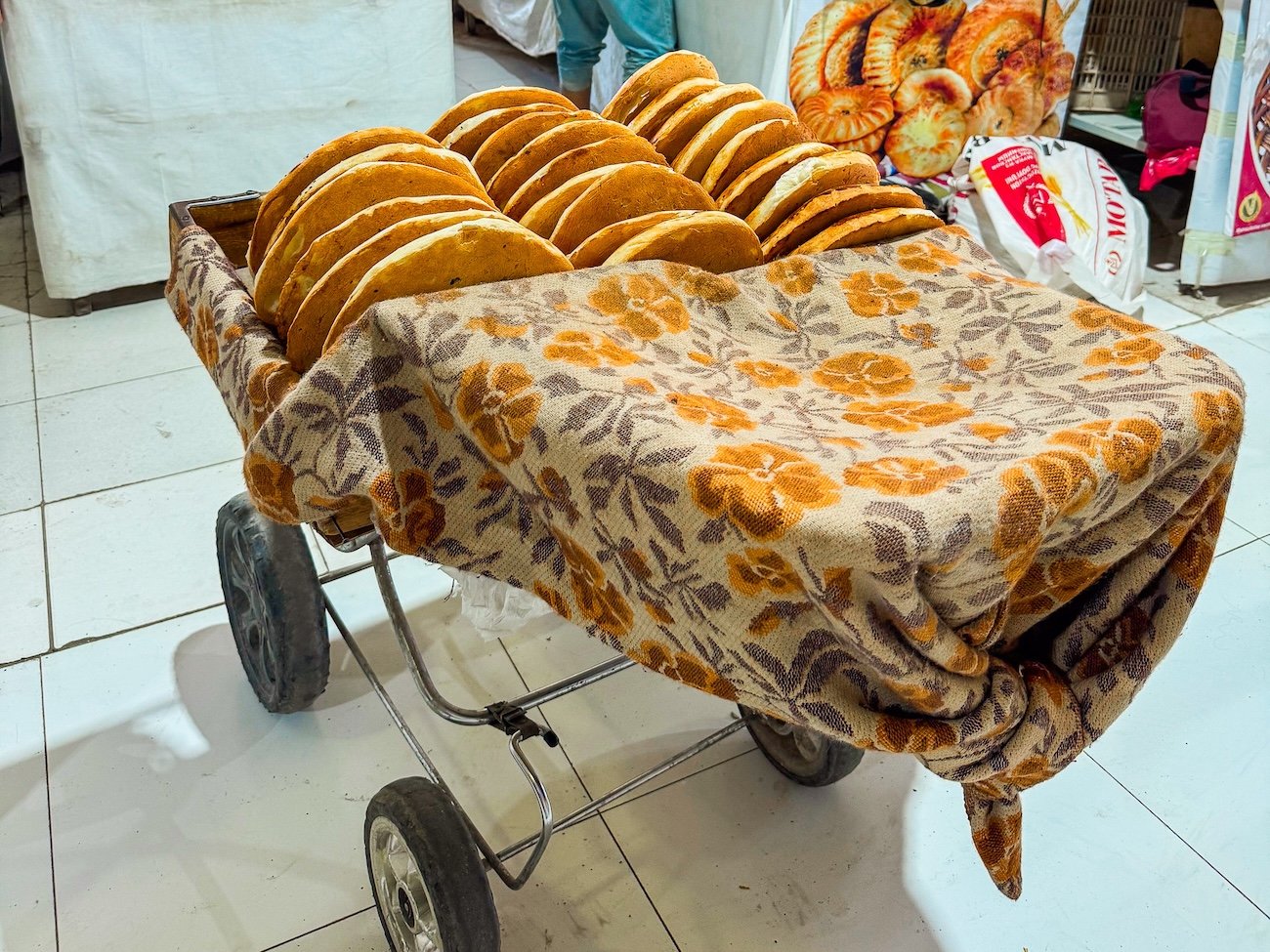 Prepped bread in a bakery. PHOTO WENDY HUNG
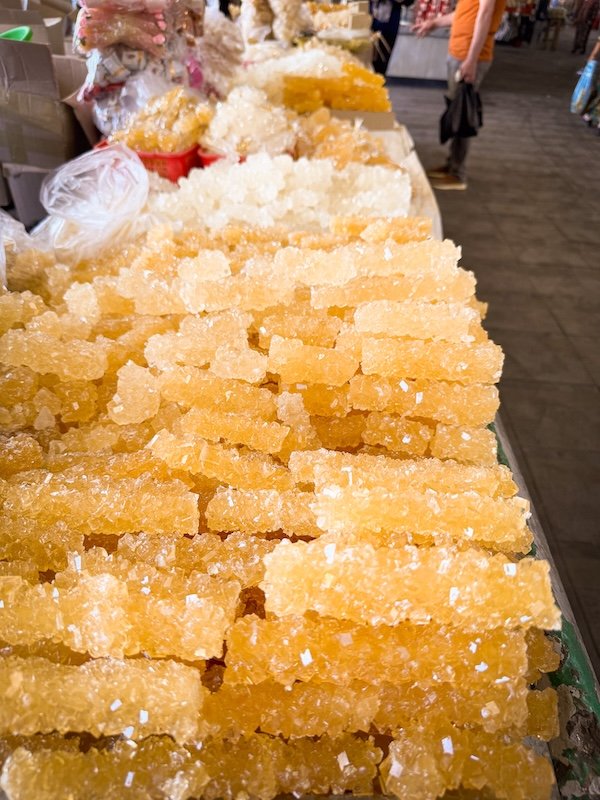 Rock candy. PHOTO WENDY HUNG
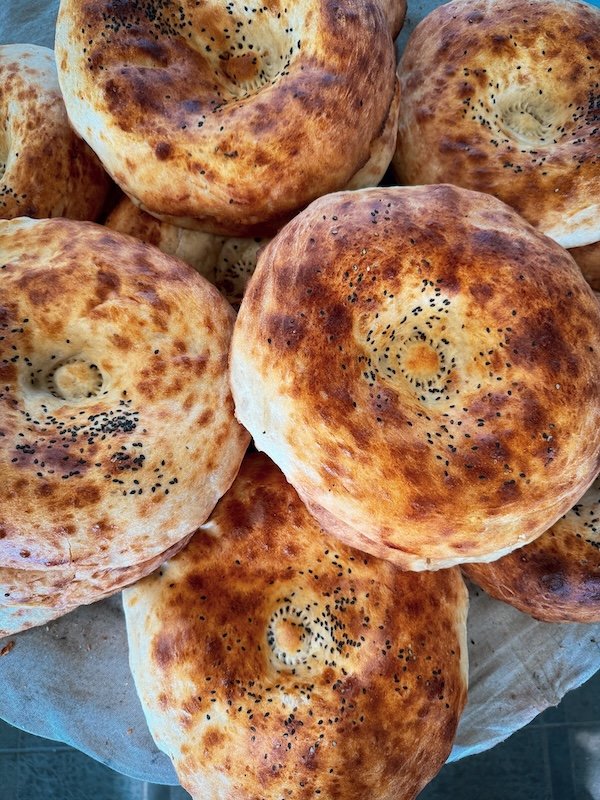 Uzbek bread. PHOTO WENDY HUNG
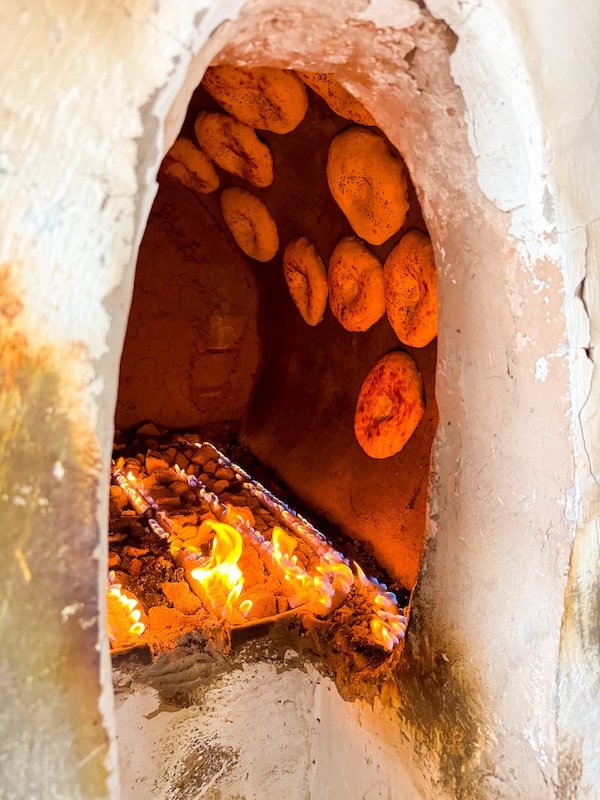 Breads warmly baked inside traditional tandyr (clay oven.) PHOTO WENDY HUNG
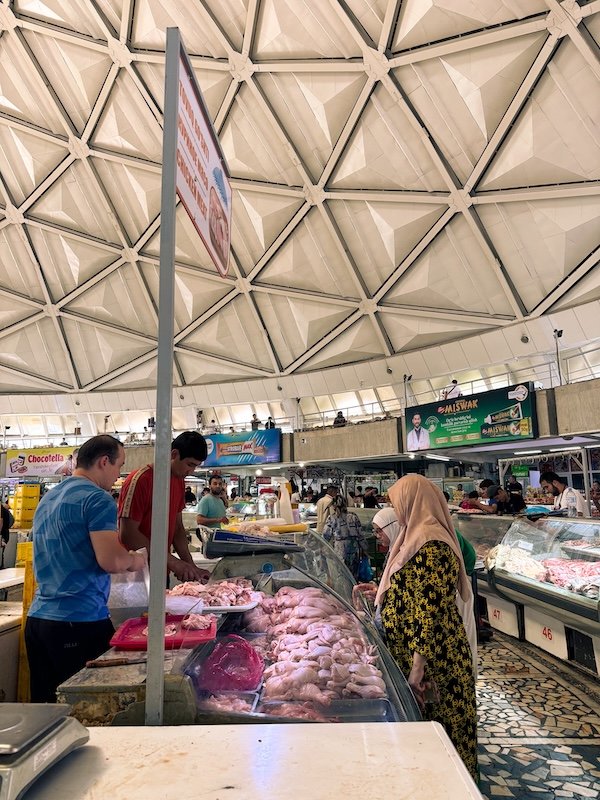 Meat stalls. PHOTO WENDY HUNG
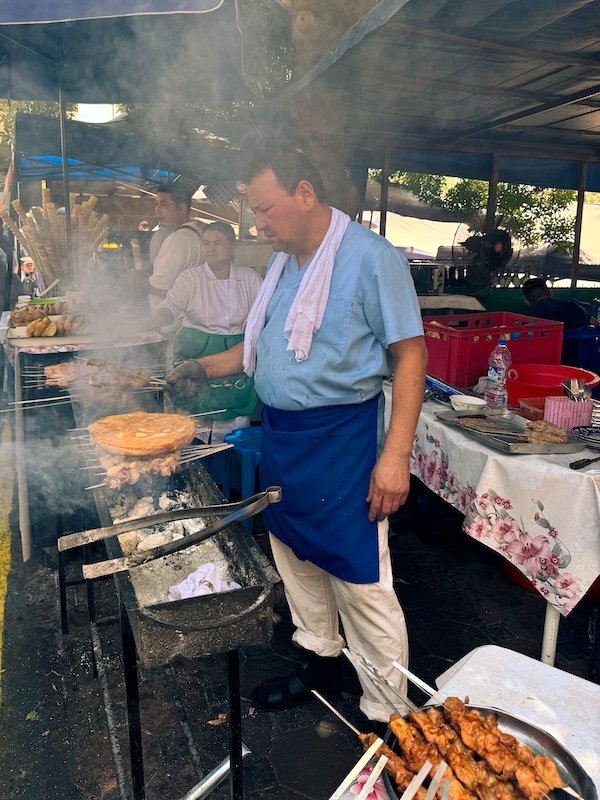 Market kebabs. PHOTO WENDY HUNG
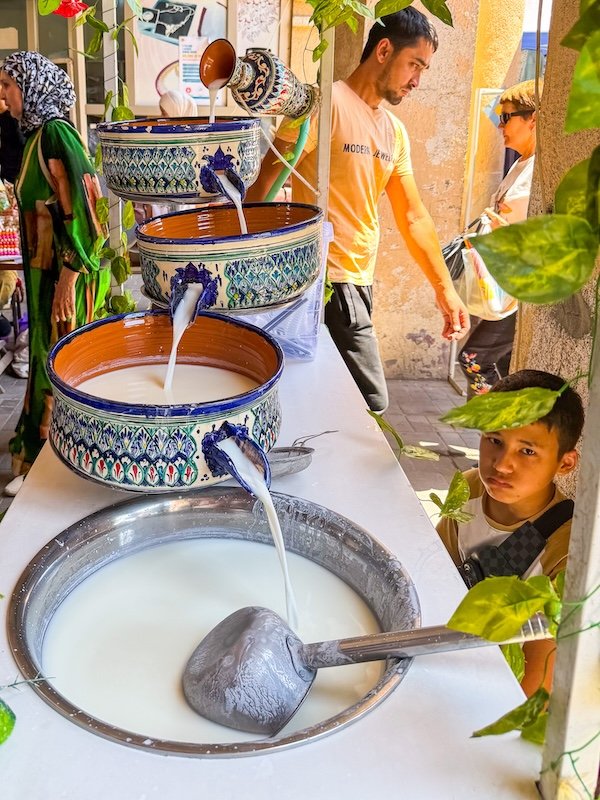 Milky way. PHOTO WENDY HUNG
Ride the metro!
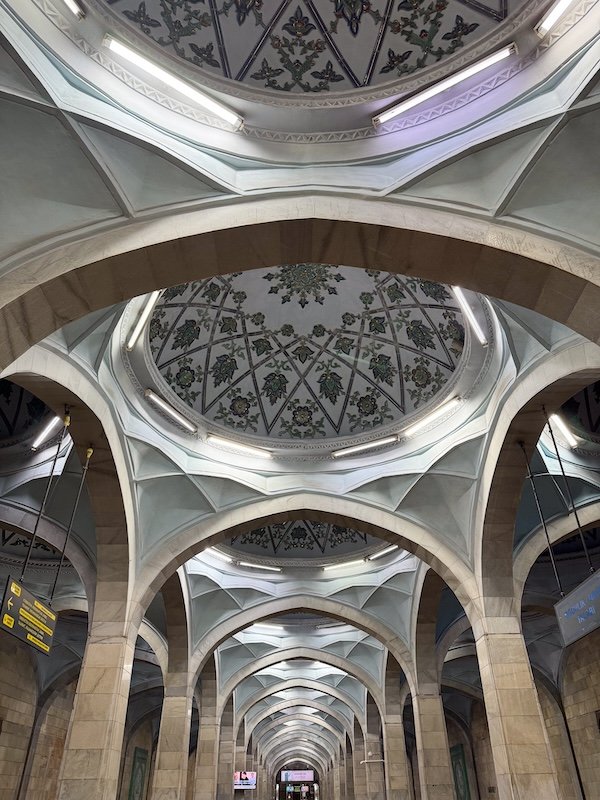 In 1977, the first line opened as a tribute to 60th anniversary of USSR. PHOTO WENDY HUNG
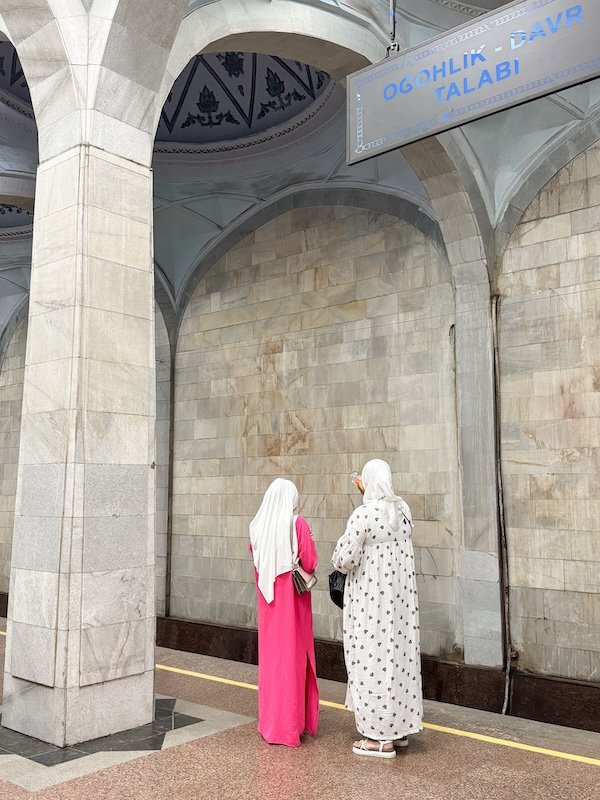 As multiple lines and extensions were constructed, each station revealed its own lighting and design style. PHOTO WENDY HUNG
Riding the metro in Tashkent is not only an integrating experience but an artistic one. Similar to metros in Moscow, stations in Tashkent are full of architectural marvels. Many stops equate to a memorable landmark all on its own.
In 1977, the first line opened as a tribute to the 60th anniversary of USSR and as a city-wide nuclear shelter. Hence, Uzbek government classified it as a military facility, meaning that photographs weren’t allowed until 2018.
As multiple lines and extensions rolled out, each station revealed its own lighting and design style via distinct use of marble, ceramics, granite, tile work, glass, mosaics…and more. Every one of the 29 stations carries a retro Soviet architectural theme, unveiled by an individual artist and honors cultural heroes, writers, composers, scientists, even natural resources like almonds and cotton.
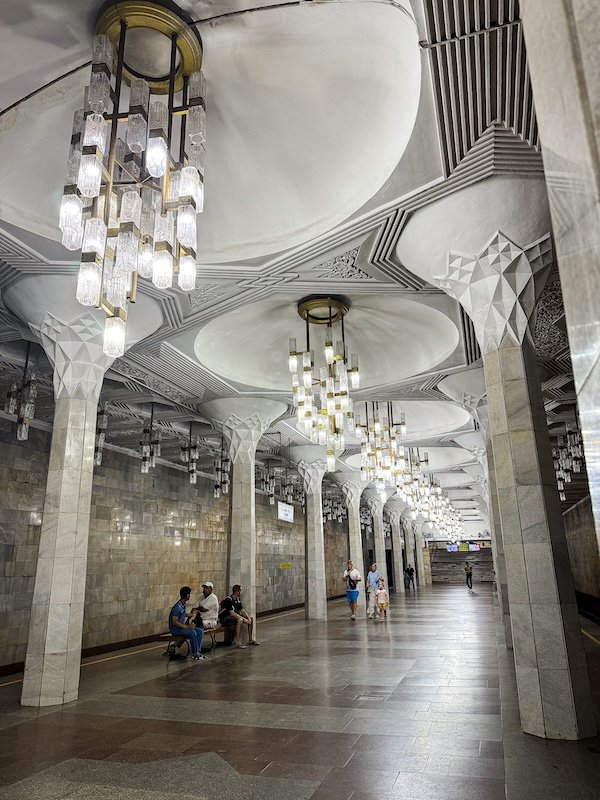 Tashkent metro. PHOTO WENDY HUNG
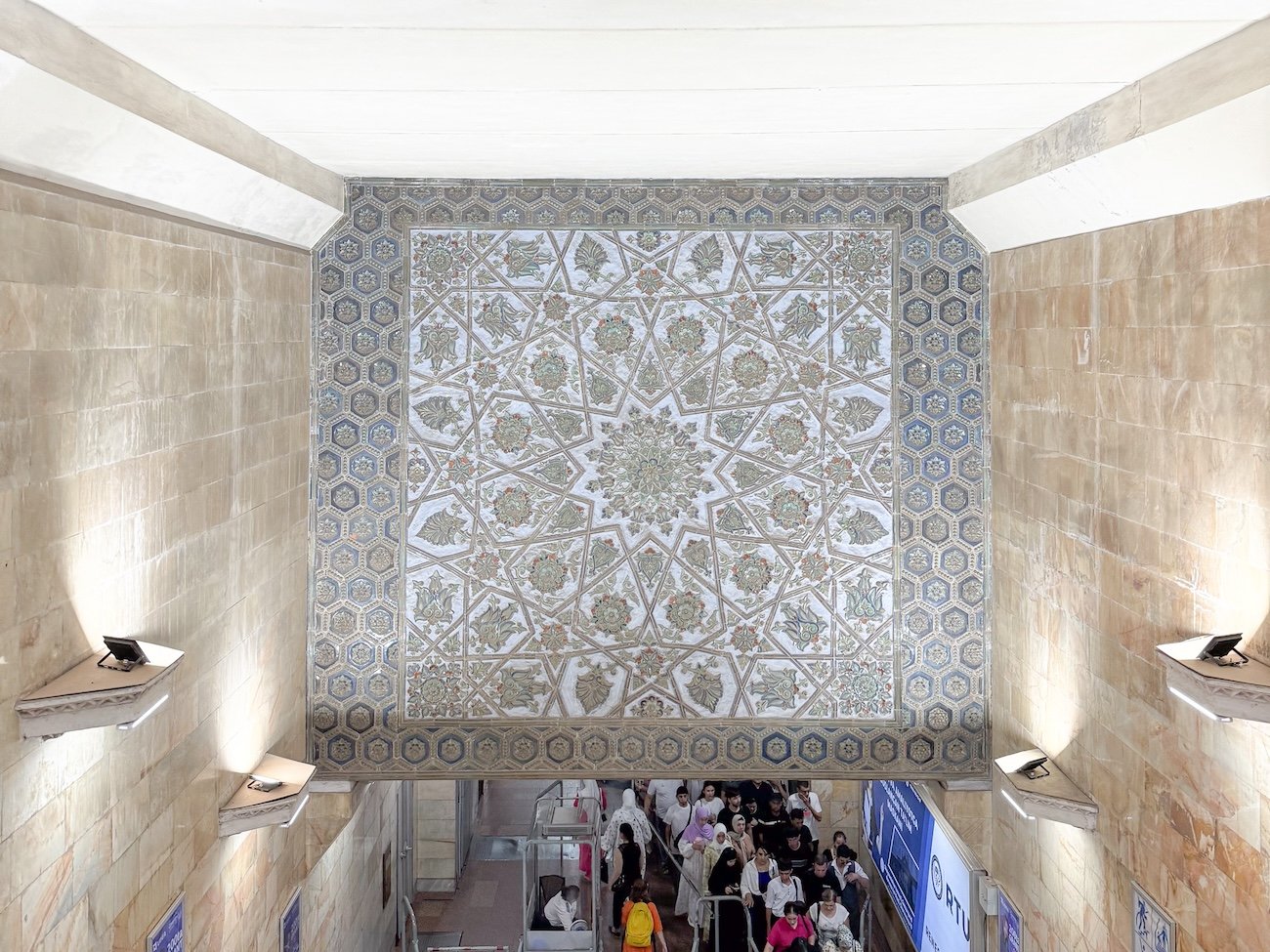 Art inside stations. PHOTO WENDY HUNG
State Museum of the Temurids
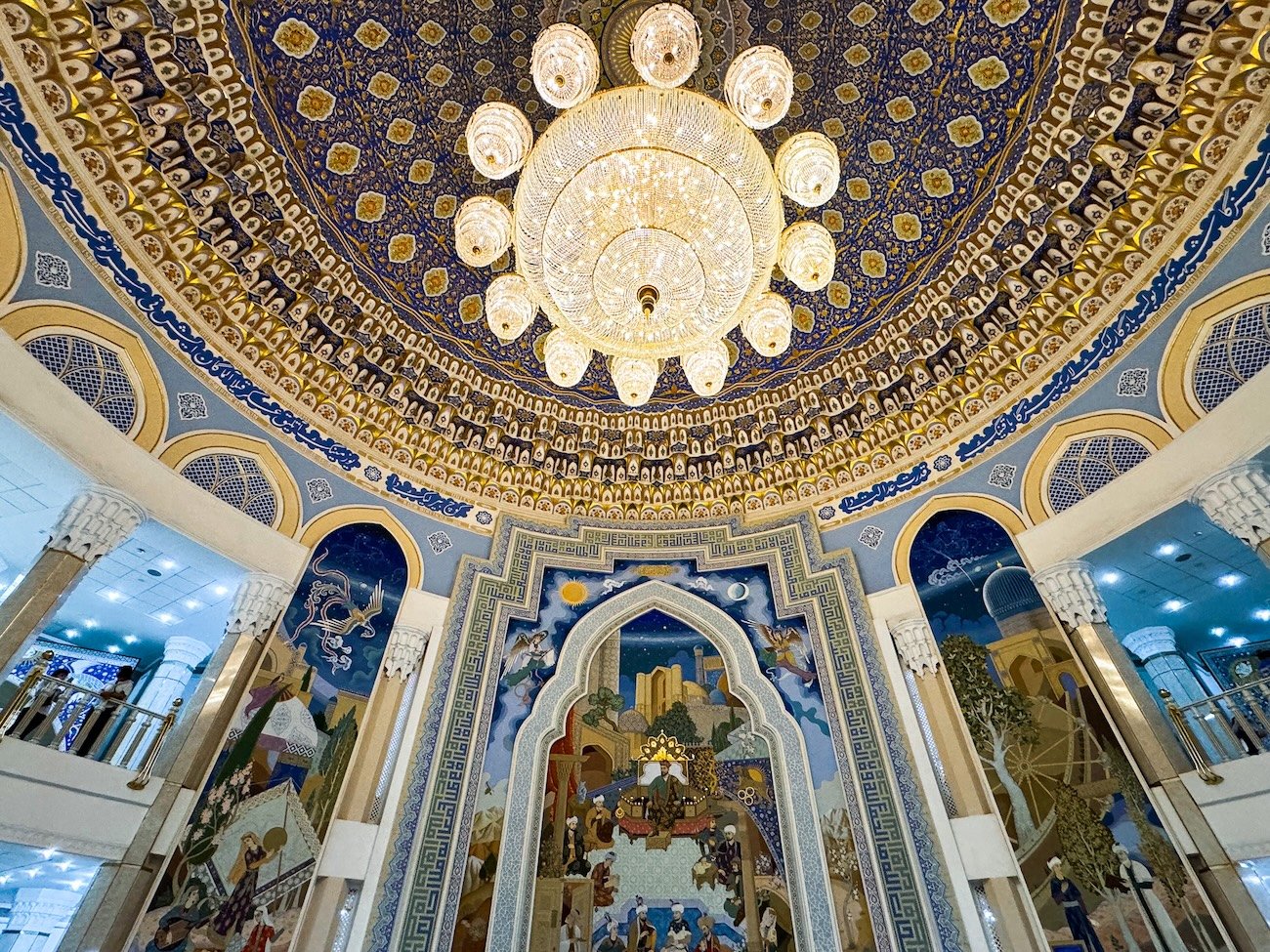 State Museum of the Temurids. PHOTO WENDY HUNG
A significant part of Uzbek history is understanding the importance of Timurid Empire founded by Timur – a Turco-Mongol warlord. The Timurid period dominated this region, particularly during 15th century and the best place to learn all about it in Tashkent is inside Timurids History Museum. It opened in 1996, honoring the 660th anniversary of Amir Timur. The three-story building features more than 5,000 artifacts, ranging from clothing, tools, instruments, jewelry to paintings that depict Timurid and his descendants with European monarchs. In the middle of the museum, there’s a notable copy of Osman Quran.
Besh Qozon Pilaf Center
One of the most popular restaurants to taste Uzbekistan’s national dish, plov, is at Besh Qozon. The tasty rice dish consists of carrots and different kinds of meat, like: beef, lamb chicken or horse; all prepared together in a giant heated kazan, or cauldron. This two-story restaurant is often filled with both locals and travelers, while the open kitchen on the ground floor is an aquarium-style entrance so diners can observe exactly the way chefs cook plov, which isn’t difficult to love. Flavorful, fragrant and delicious!
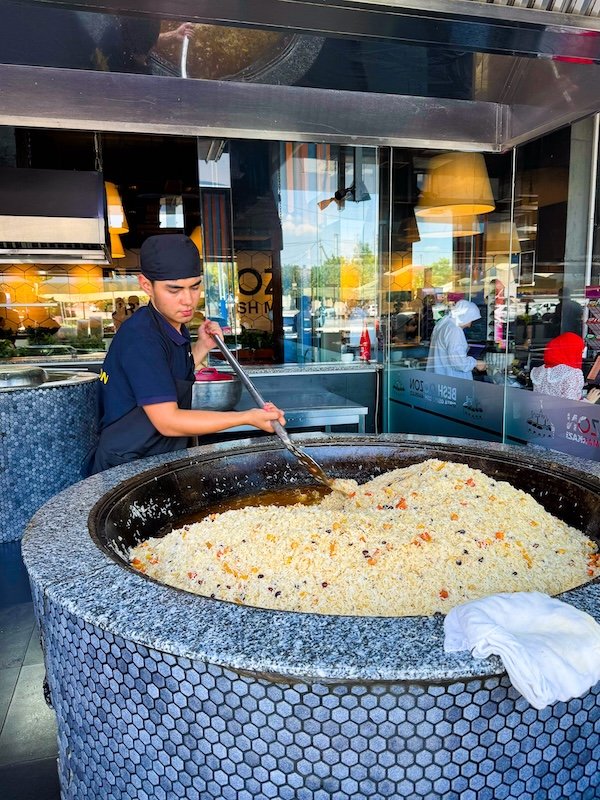 Most popular pilaf restaurant in Tashkent. PHOTO WENDY HUNG
Amir Temur Square
Amir Timur Square is the central plaza in Tashkent, dedicated to the commander and founder of a powerful empire that constituted enormous impact throughout Central Asia. The square consists of a small park, various fountains, hotels, gymnasiums, banks and schools. Conducted in 1994, the bronze monument of Amir Timur – situated in the middle of the park – is a figurine of the leader on a horse, engraved with his iconic motto in four languages: Power is in Justice.
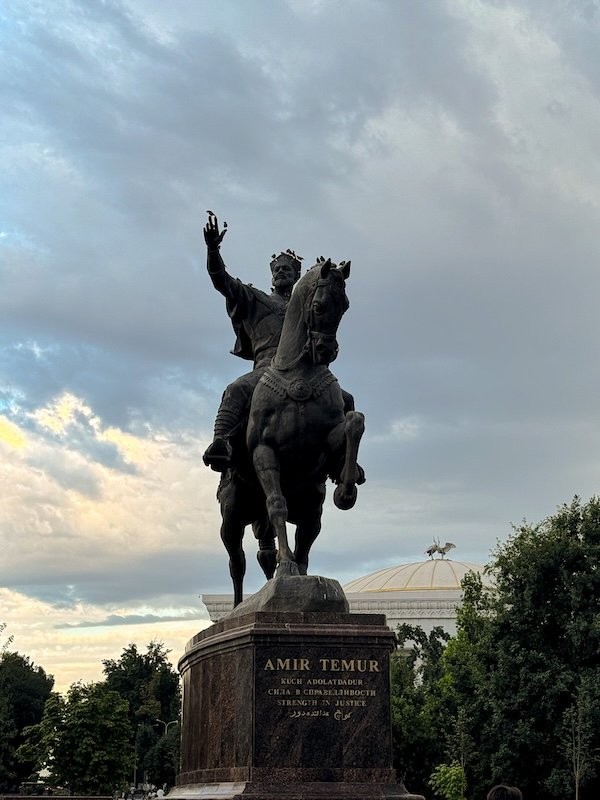 Amir Temur Square. PHOTO WENDY HUNG

Memorial Square
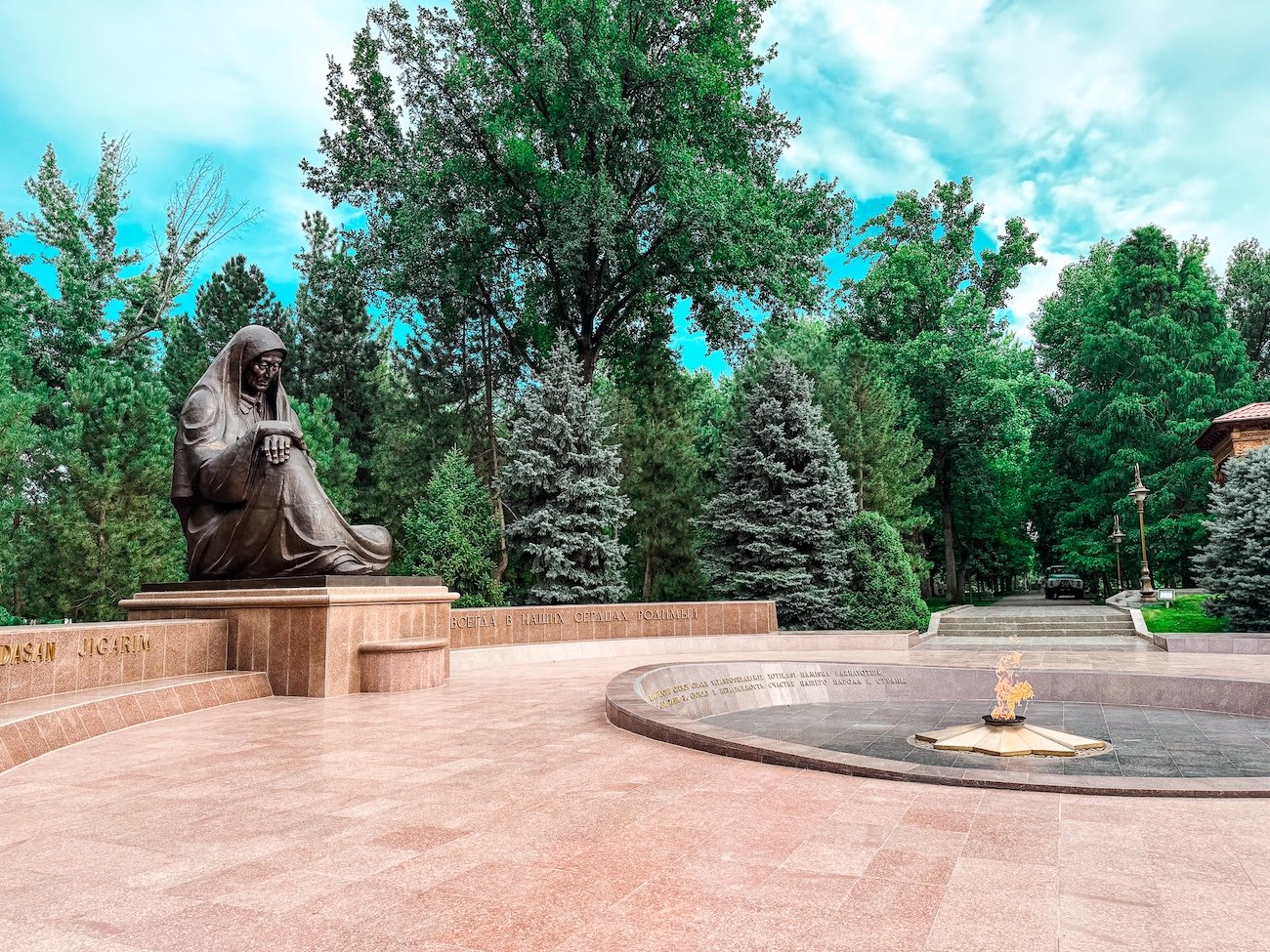 Memorial Square. PHOTO WENDY HUNG
Memorial Square is an homage to soldiers who sacrificed their lives during World War II, under Stalingrad’s Soviet Union army. The monument is placed inside a leisure park, marked by a statue of a grieving mother mourning the loss of 400,000 Uzbek soldiers, in front of a burning flame. It symbolizes the infinity of maternal love, she yearns for the return of her children from war. Another part of the square also lists the names of Uzbek solders inside “The Book of Memory,” framed in gold letters.
Independence Square
Formerly known as Lenin Square during Soviet era, Independence Square gained its new name in 1991 once the political status of Uzbekistan had been established. The current-day memorial features 16 marble columns bridged by storks that embody peace and tranquility. The statue of Lenin was also taken down, and the replacement is a form of a globe, outlined by this country’s borders. Many national events are held in this square, including: Uzbekistan Independence Day (Sept 1st,) New Year’s Day, and other festive holidays.
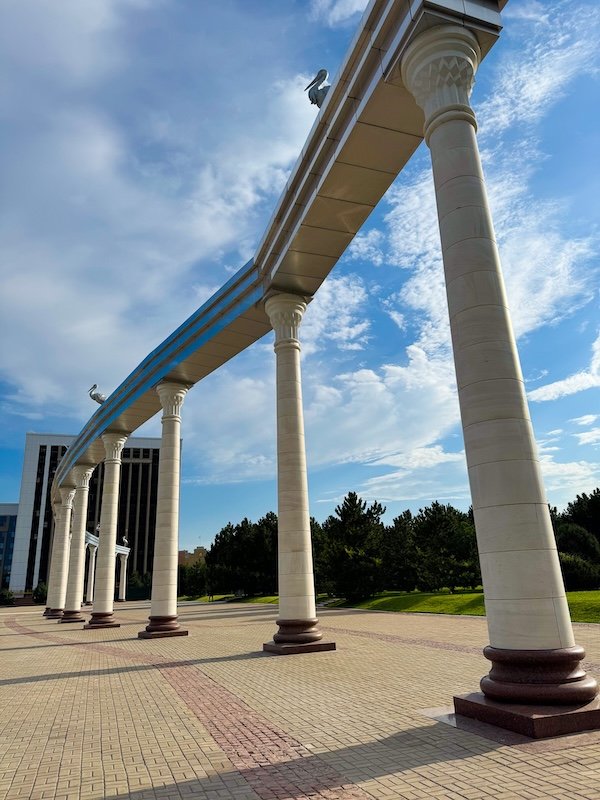 PHOTO WENDY HUNG
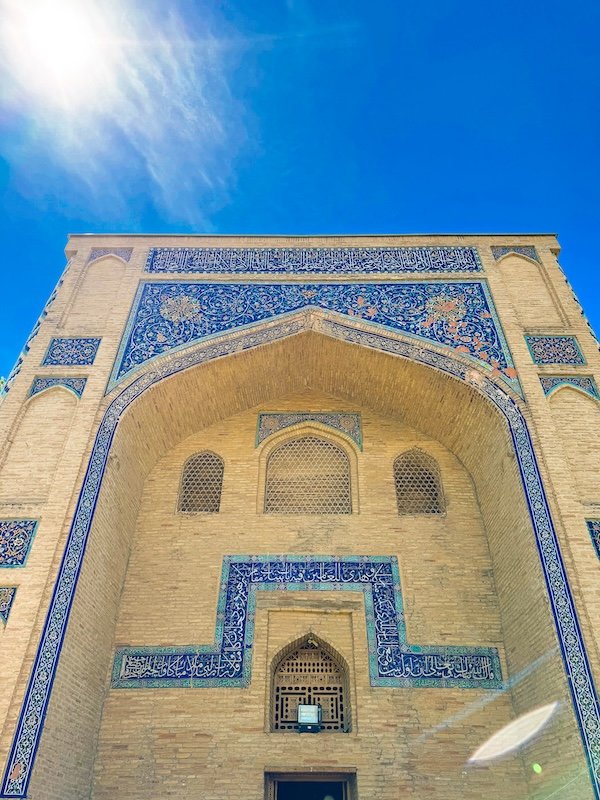
Kokaldash Madrasah
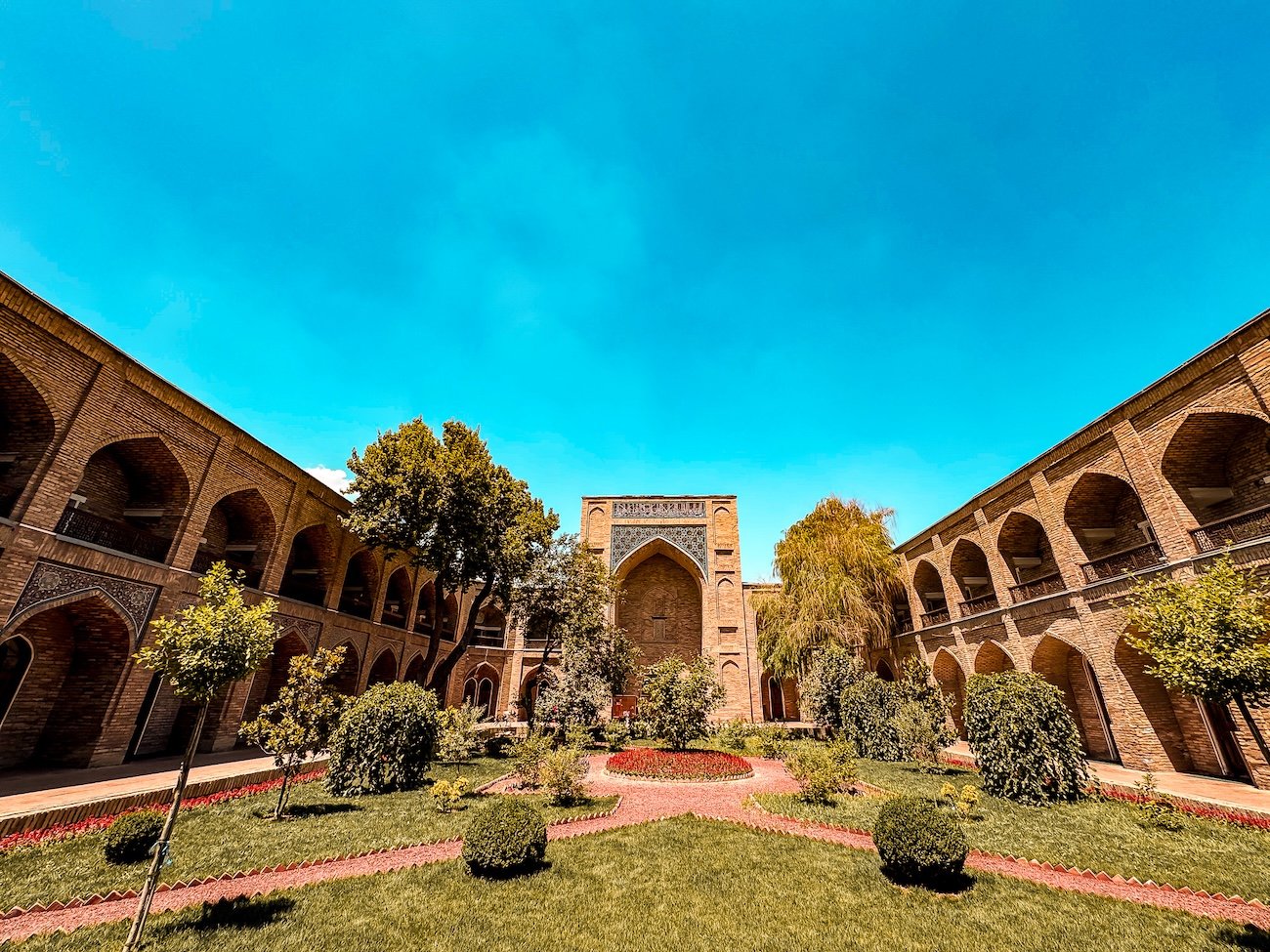 Ko‘kaldosh Madrasasi. PHOTO WENDY HUNG
Not far from Chorsu Bazaar is Kukeldash Madrasah – a medieval Islamic school built around 1570, by Shaybanid dynasty’s ruler. Yellow-brick buildings surrounding a classic courtyard are religious students’ dormitories, despite that the madrasah has endured several transformations, including a roadside inn during the 18th century, a fortress in the 19th century, then a museum in the 20th century. Today, it has returned to its original roots of an Islamic school.
Magic City Park
For a fun day with the entire family, Magic City is where to go, since it’s Tashkent’s version of Disneyland. Open from 10 a.m. to 10 p.m., the park is where thrilling rollercoasters and colorful boutiques welcome guests of all ages. Spanning over 21 hectares, there are VR-enhanced rides, magic museum, the world’s only holographic show, interactive cinema, an aquarium which was the first in Central Asia and showcases over 100 species in a 20-meter tunnel. The streets are designed to remake animated versions of Paris, London, Barcelona…and more.
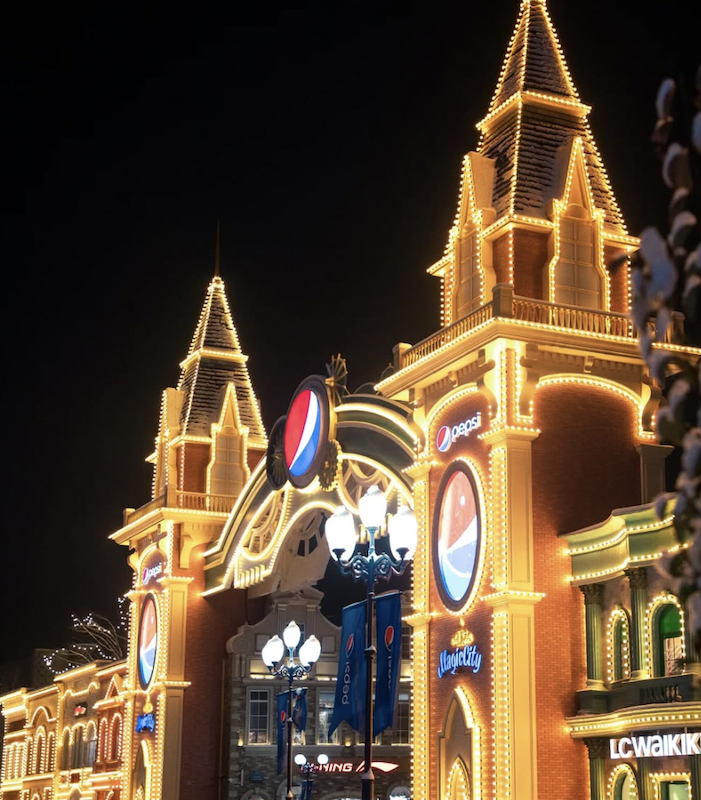 INSTAGRAM @magiccityuz. PHOTO WENDY HUNG
Friendship of the Nations Palace
In 1964, Tashkent encountered a devastating earthquake that destroyed most of the city. Peoples’ Friendship Palace is a dedication to friendships of people that arrived to aid reconstruction efforts after the horrible natural disaster. Today, the concert and theater hall – designed by architect Yeregeny Rozanov – depicts traditional Uzbek motifs and seats over 6,000 people.
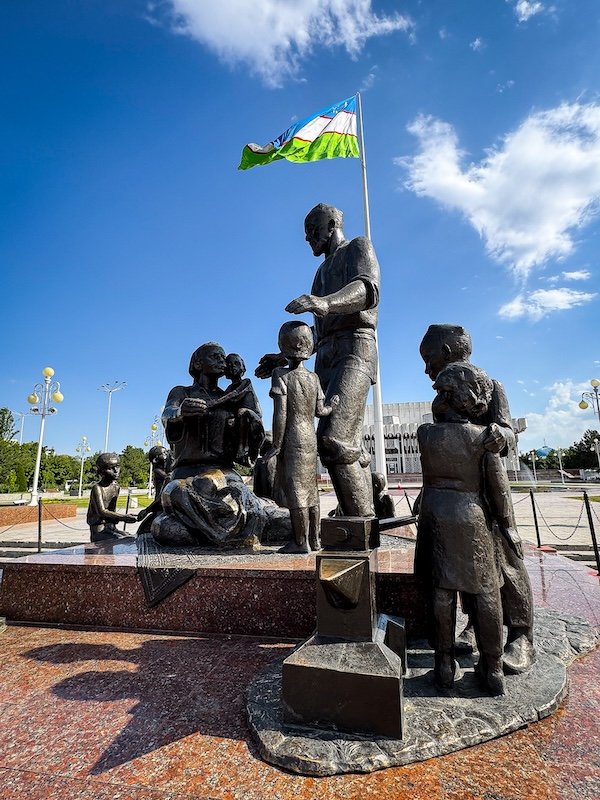 Friendship of the Nations Palace. PHOTO WENDY HUNG
