
Samarkand is easily Uzbekistan’s most dazzling city. It is a body of craftsmanship, sprawled in volumes of sapphire mausoleums and cerulean madrasas.
Home to Islamic Renaissance – a trailblazing reawakening of science, arts, math and literature in the Islamic world – Samarkand also stows legendary footprints of Timur – the brave Turco-Mongol conqueror – and his descendants, petaled upon the map of this ancient city.
As the nexus of the Silk Road, Samarkand was bestowed as the crown jewel between China and India. After the expansion of railway in 1888, the city cradled as the epicenter of export, including: wine, cotton, rice, fruits, leather…and more. It’s a illustrious city to be admired, for decades to come.
View this post on Instagram
Shah-i-Zinda
The beauty of Shah-i-Zinda, or “Tomb of the Living King” is in its sheer volume of mausoleums that marshall along an avenue of intricate and elaborately blue tile work. The breathtaking necropolis has been the iconic landmark of Samarkand since 14th century. Geometric patterns, symbolic mosaics, colorful majolica and beautiful terracotta enhance the extravagant allure of several notable mausoleums. Keep an eye out for Shadi Mulk Aga Tomb, Shirin Bika Aga Tomb, Ali Nasafi Tomb since it illustrates Arabic calligraphy inside.
There’s a strict dress code to enter (shoulders and knees should be covered,) if not, green skirts will be given to females at the entrance.
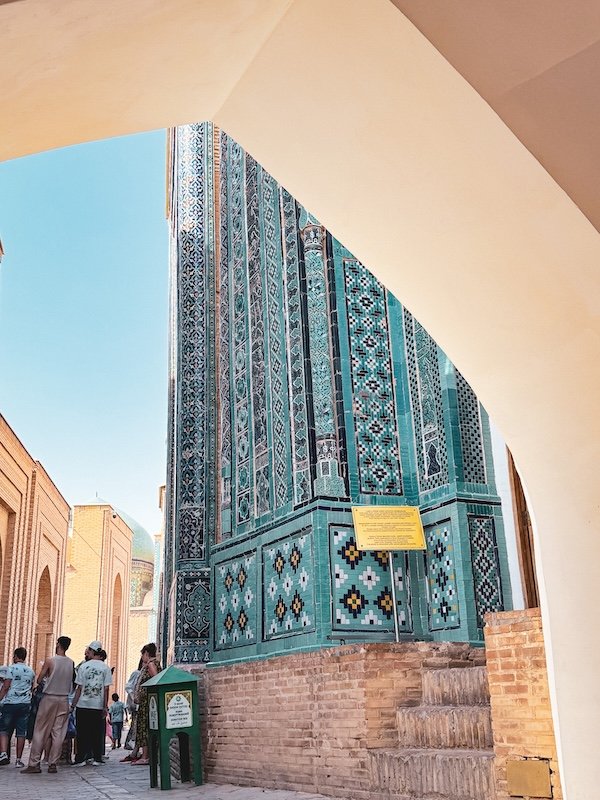 Shah-i-Zinda. PHOTO WENDY HUNG
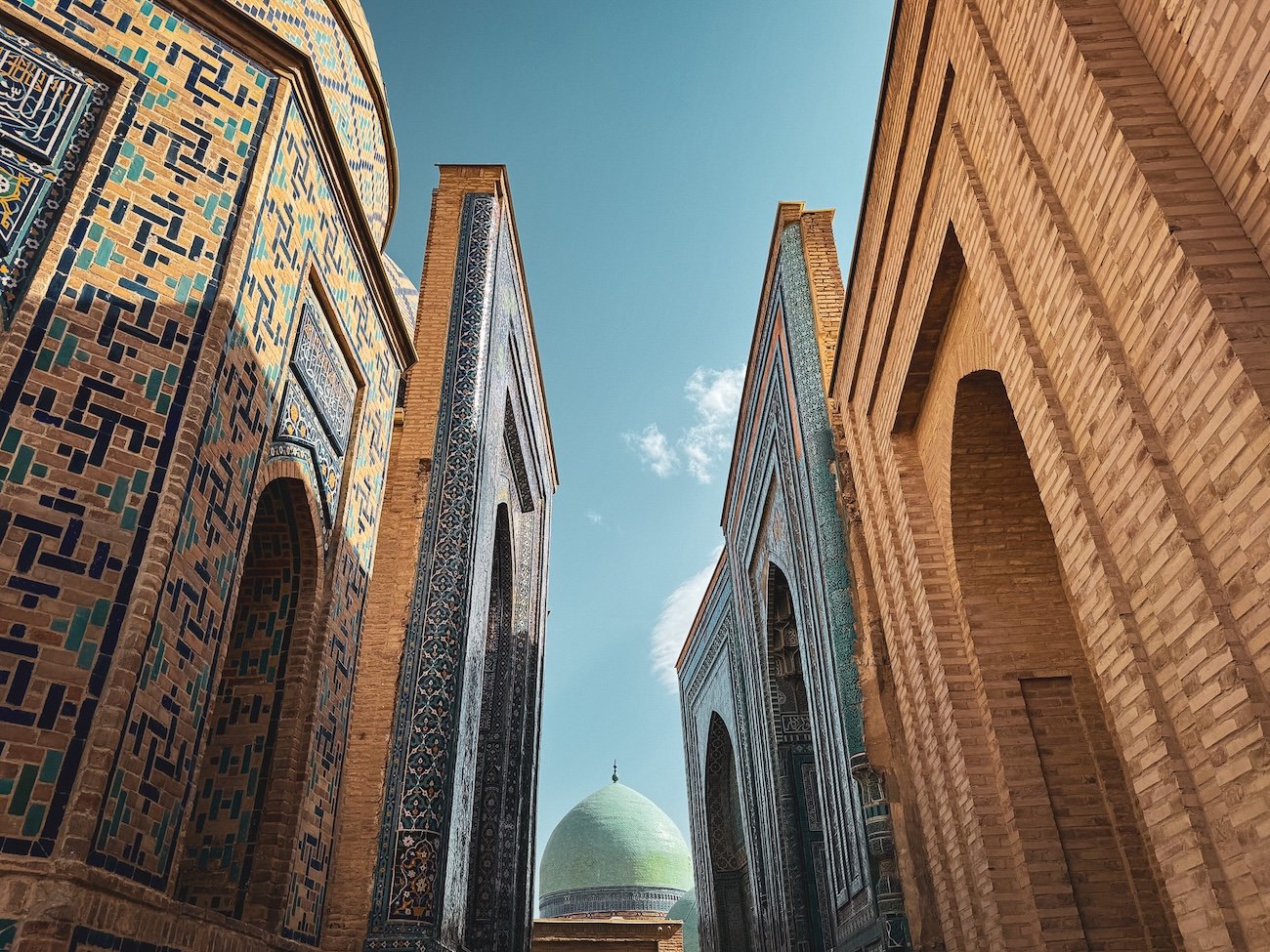 “Tomb of the Living King.” PHOTO WENDY HUNG
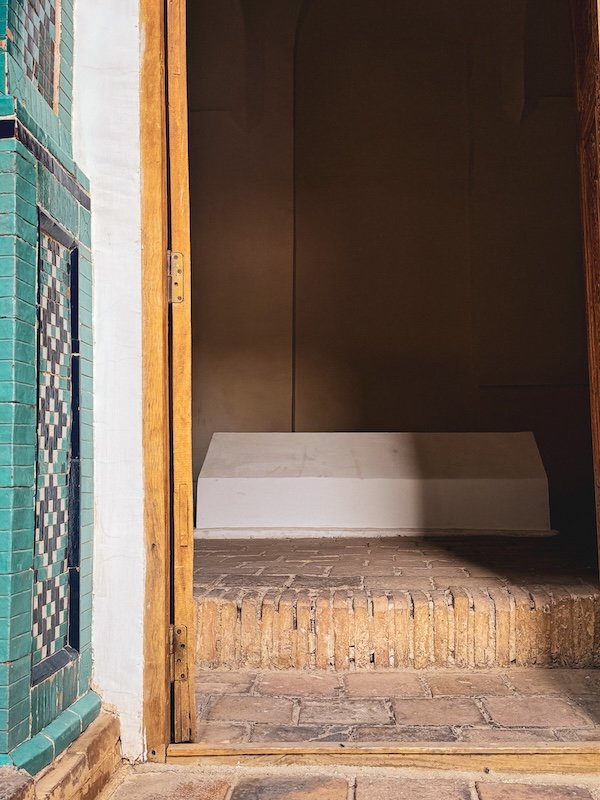 The breathtaking necropolis has been the iconic landmark of Samarkand since 14th century. PHOTO WENDY HUNG
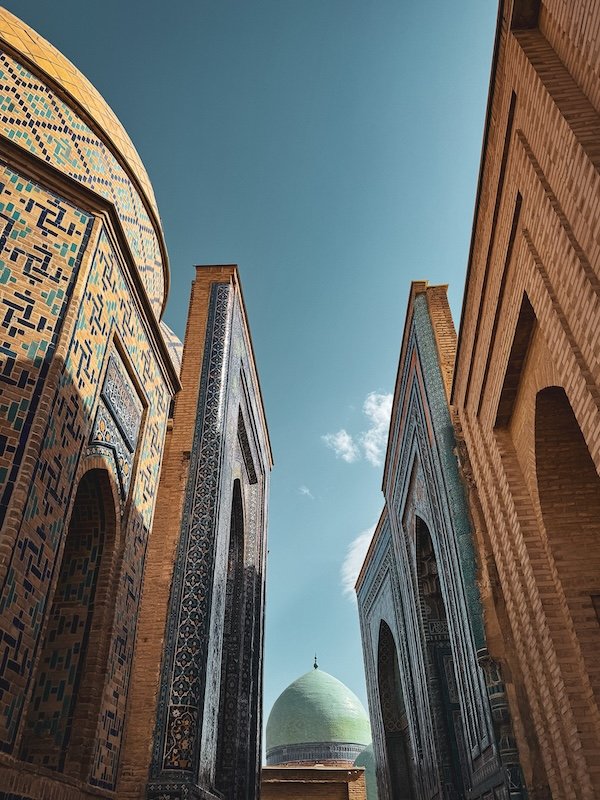 Geometric patterns, symbolic mosaics, colorful majolica and beautiful terracotta. PHOTO WENDY HUNG
Registan Square
The focal point of Samarkand is Registan Square, where three sides are homes to madrasas (Islamic schools): Ulugh Beg, Sher-Dor and Tilla-Kori. Each boasting a different style and design character.
During ancient days, this region was swallowed by sand, therefore “registan” means: a sand place. Different rulers have used the plaza for various purposes. In addition to a gathering place for residents, the square was where the khan gave orders throughout history. It also hosted public executions, army’s meeting point prior to leaving for war, trades and celebrations. Come back at night for a special light show.
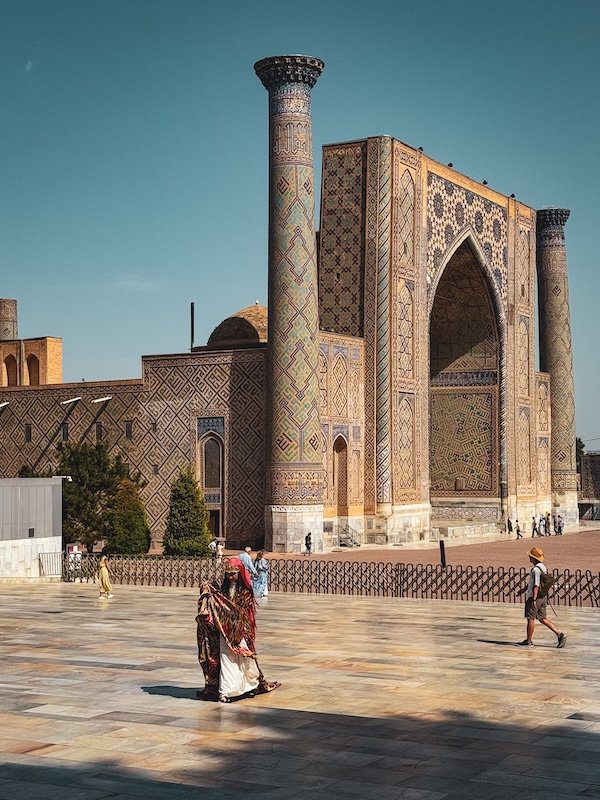 Registan Square. PHOTO WENDY HUNG
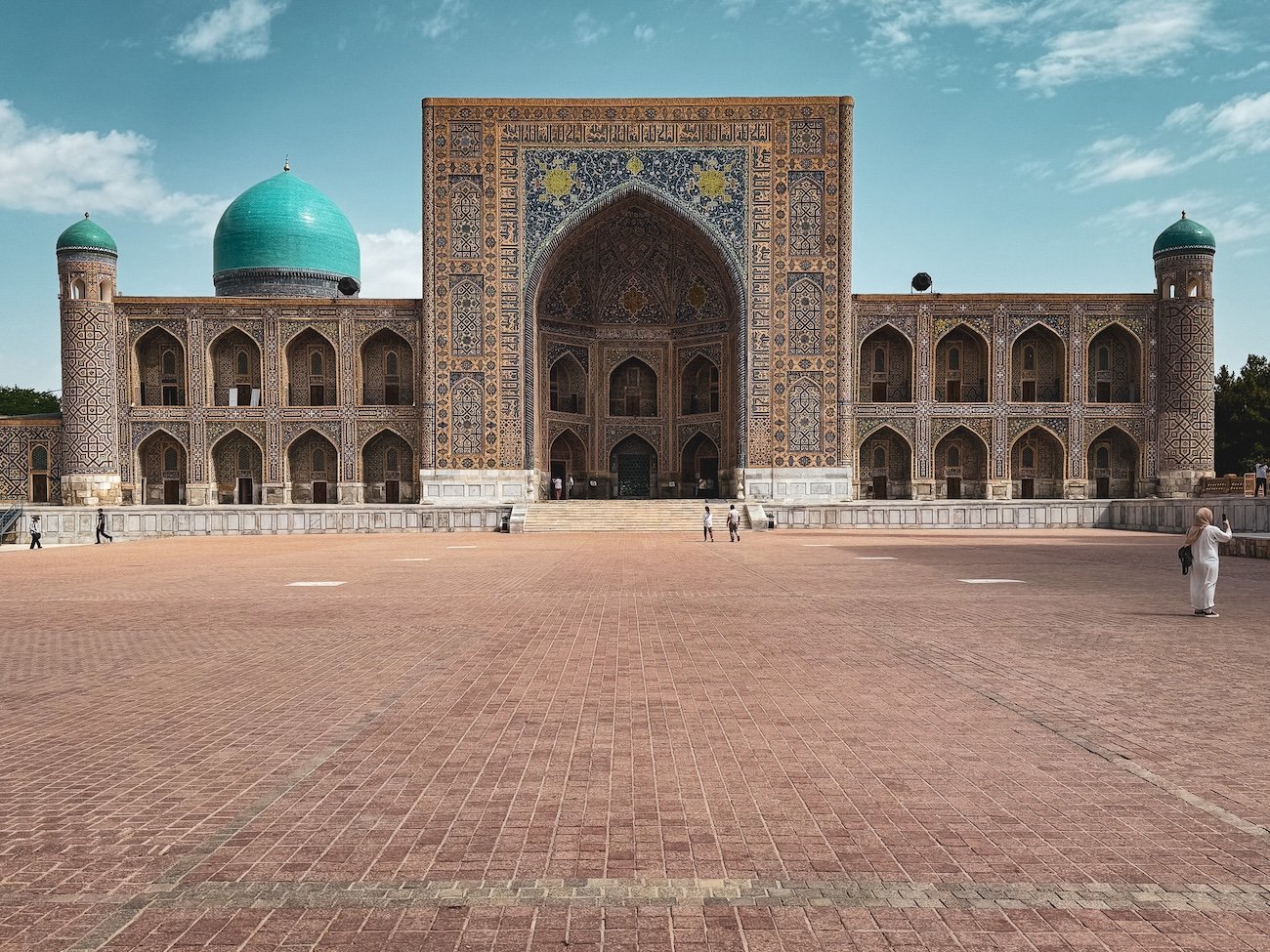 Three sides are homes to madrasas. PHOTO WENDY HUNG
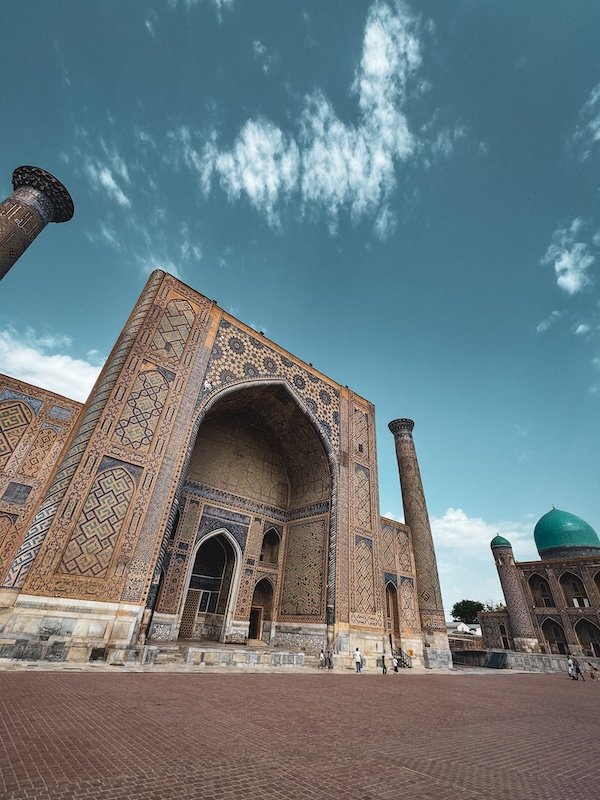 Ulugh Beg, Sher-Dor and Tilla-Kori. Each boasting a different style and design character. PHOTO WENDY HUNG
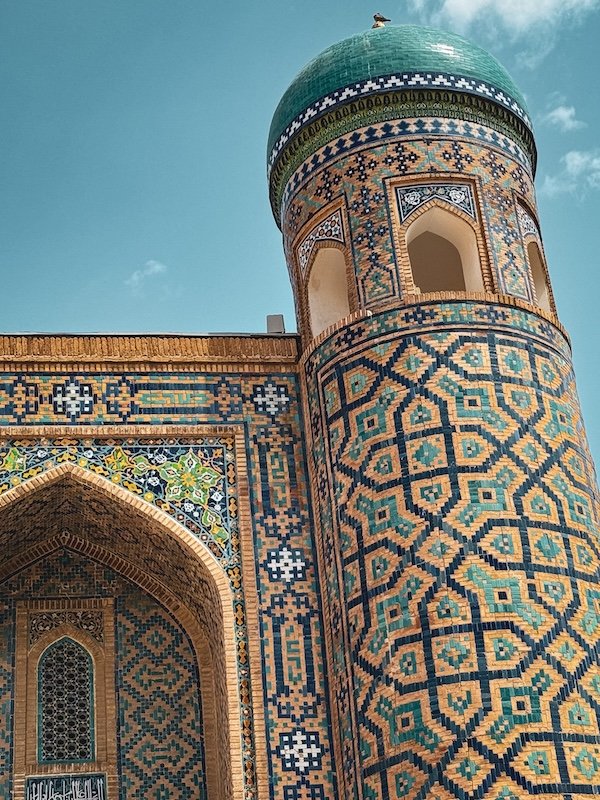 During ancient days, this region was swallowed by sand. PHOTO WENDY HUNG
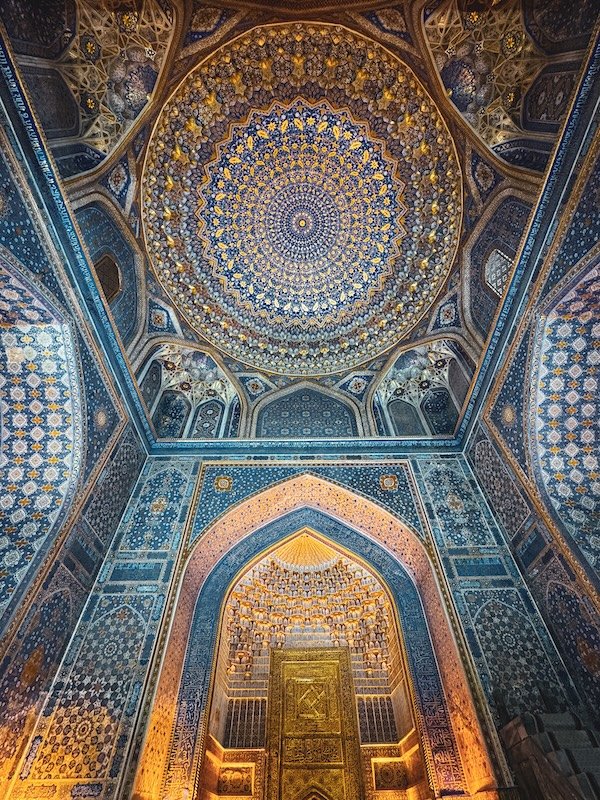 “Registan” means: a sand place. PHOTO WENDY HUNG
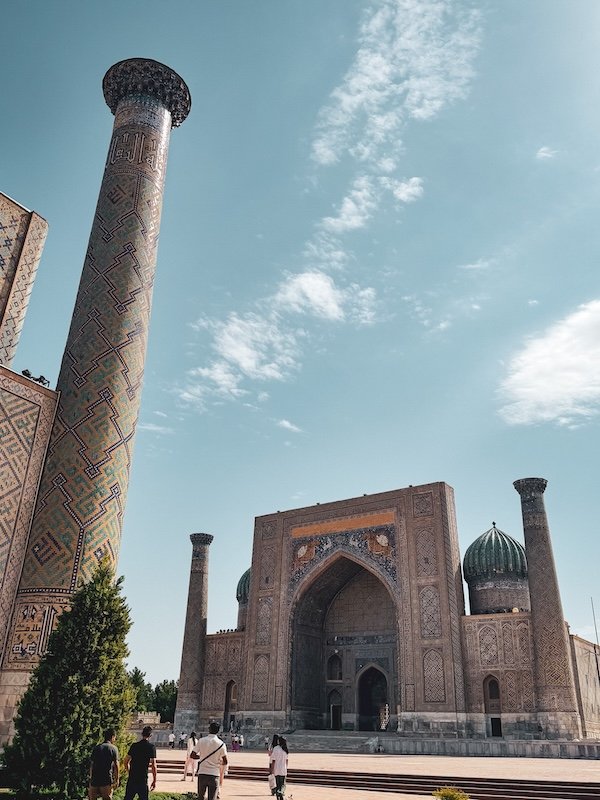 Different rulers have used the plaza for various purposes. PHOTO WENDY HUNG
Bibi-Khanym Mosque
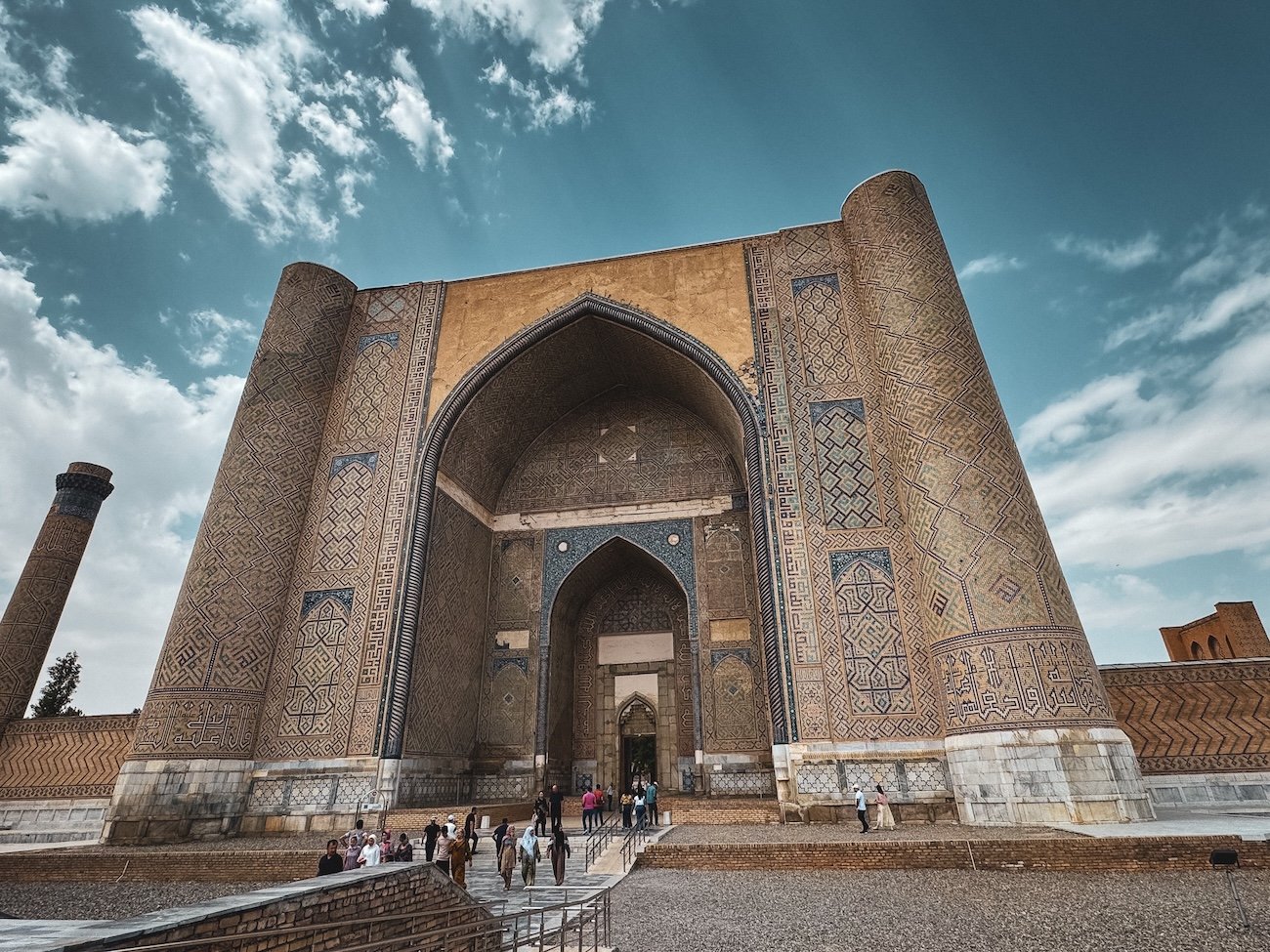 Bibi-Khanym Mosque. PHOTO WENDY HUNG
In order to build Bibi Khanum Mosque, 95 elephants were used to transport materials to realize Central Asia’s largest congregational mosque. It holds up to 10,000 worshippers, and was commissioned by Timur – the Turco-Mongol conqueror. The interior courtyard features an enormous Quran stand made of marble. Legend has it that, if a woman crawled underneath, she would be blessed with multiple children. One of the two mosques in the courtyard features Arabic calligraphy that has been left unaltered.
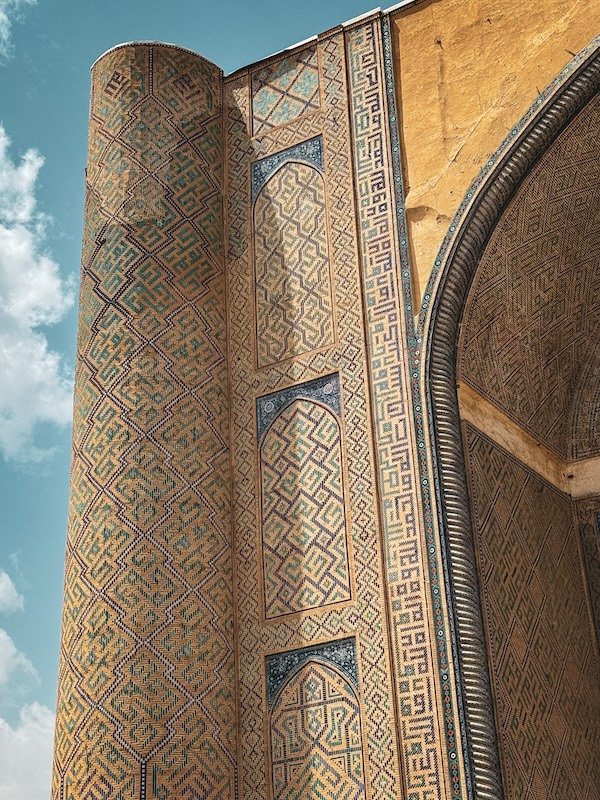 95 elephants were used to transport materials to realize Central Asia’s largest congregational mosque. PHOTO WENDY HUNG
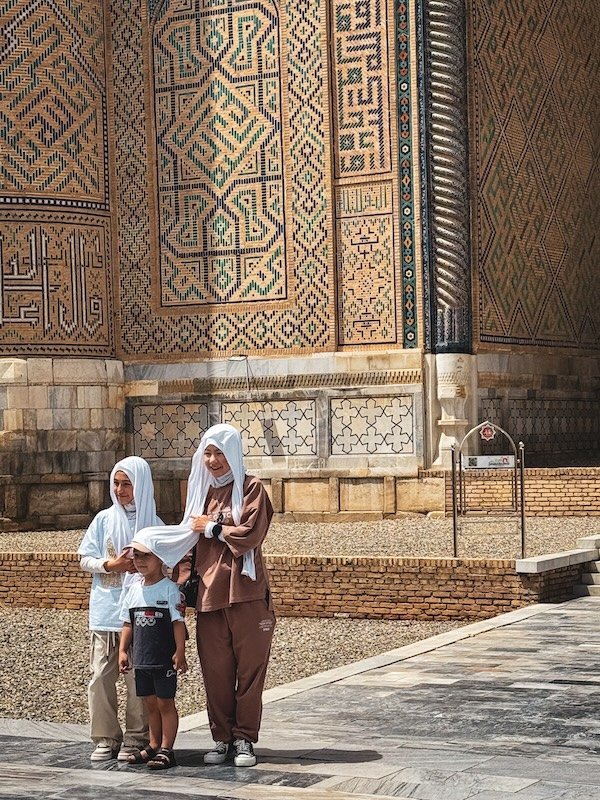 It holds up to 10,000 worshippers. PHOTO WENDY HUNG
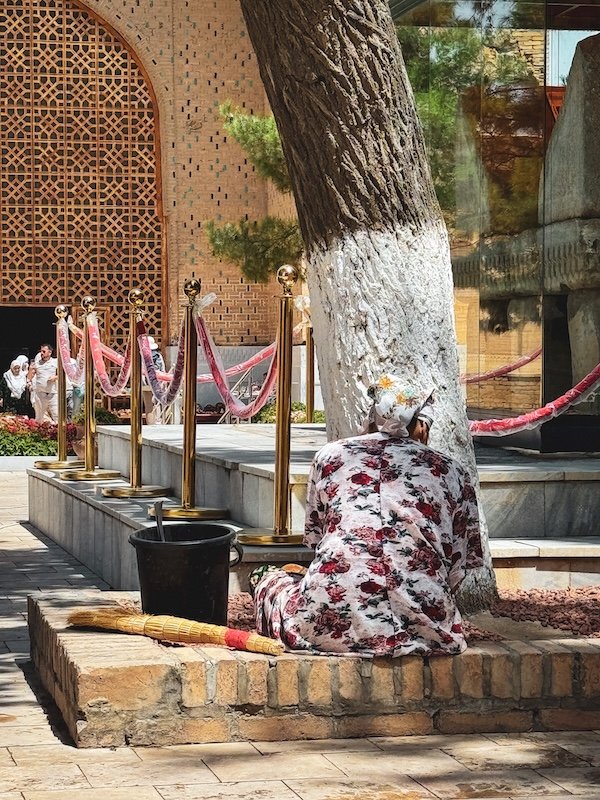 Flower back. PHOTO WENDY HUNG
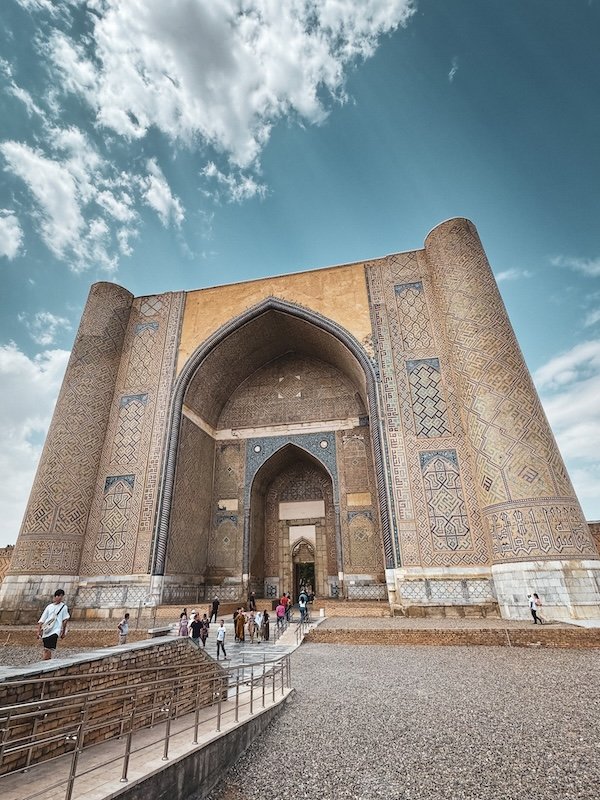 Bibi-Khanym Mosque. PHOTO WENDY HUNG

Amir Temur Mausoleum Gur-i Amir Сomplex
Gur-i-Amir is a mausoleum dedicated to Timur and his descendants, and depicts the fusion of Central Asian and Indian architectural designs. The entire complex also includes khanaka (residence for dervishes,) a madrasa of Muhammad Sultan who was the grandson of Timur. Unfortunately, Timur never lived to see the completion of the mausoleum, as his grandson Ulugbek finished the project.
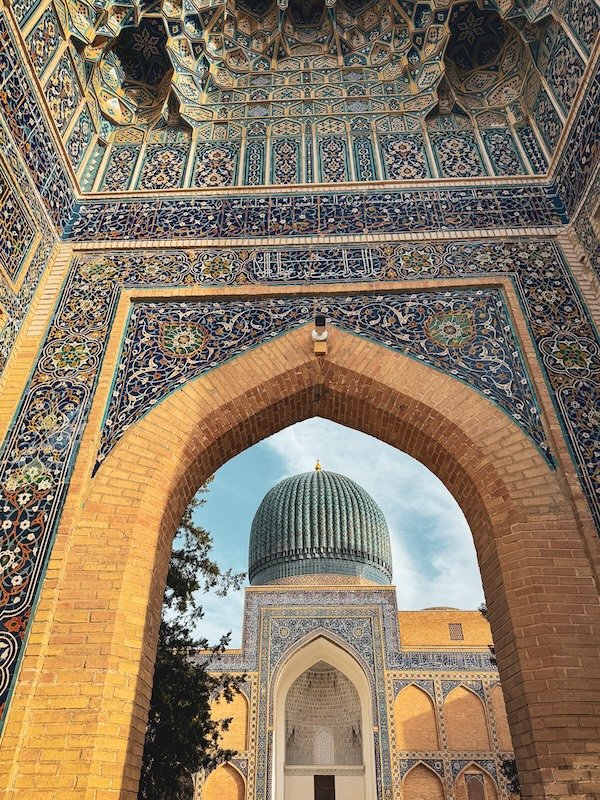 Amir Temur Mausoleum Gur-i Amir Сomplex. PHOTO WENDY HUNG
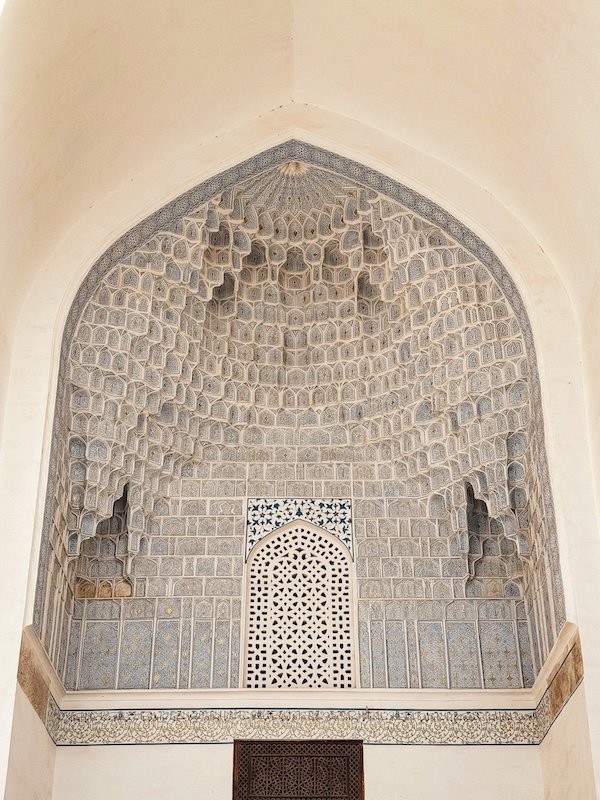 Gur-i-Amir is a mausoleum dedicated to Timur and his descendants. PHOTO WENDY HUNG
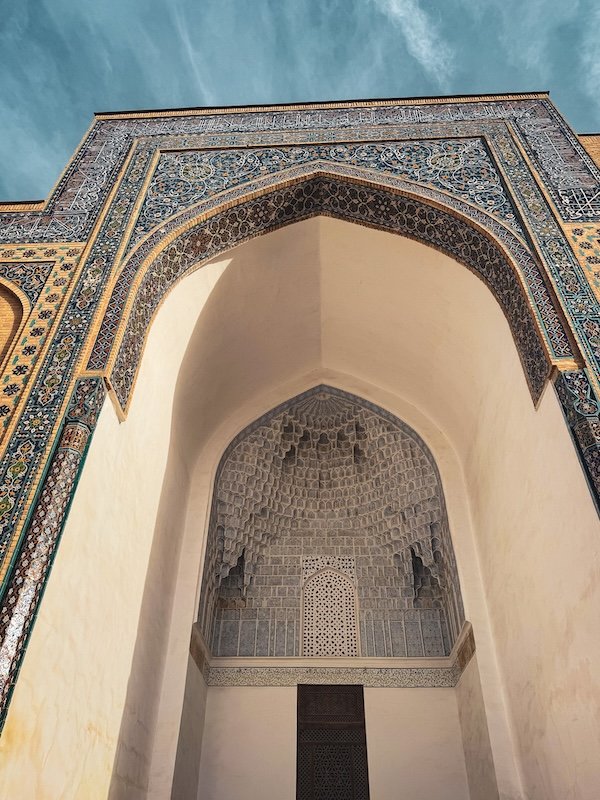 The mausoleum is a sublime example of meticulous craftsmanship. PHOTO WENDY HUNG
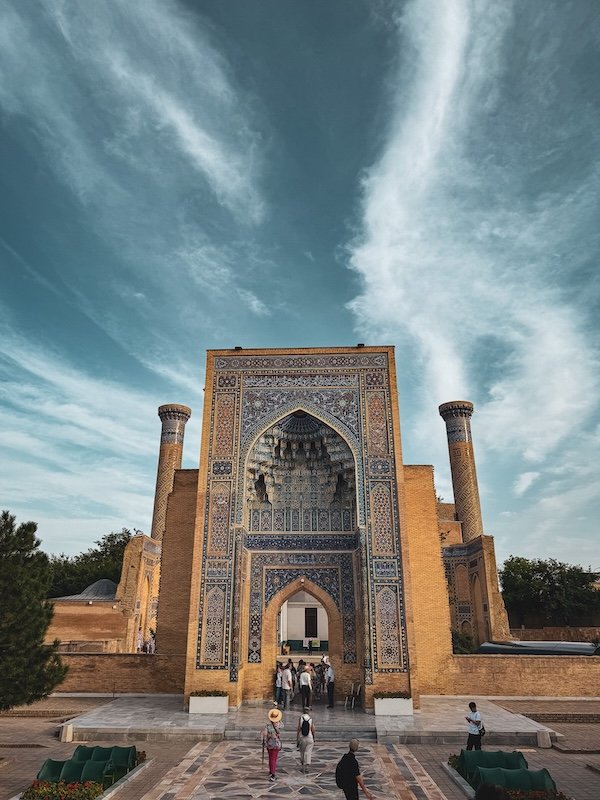 Since Timur’s descendants ruled northern India, the architecture also combines elements of Great Mughal design components. PHOTO WENDY HUNG
Memorial monument to Mirzo Ulugbek
Prior to entering the museum of Mirzo Ulugbek, there’s a lovely statue of the greatest scientist of Central Asia. The grandson of Timur was born in 1394 and showed special talent in science and astronomy since childhood. Ulugbek also played a significant role in expanding the educational system in Samarkand, Bukhara and other cities, which led to the second continuation of Eastern Renaissance during his rule.
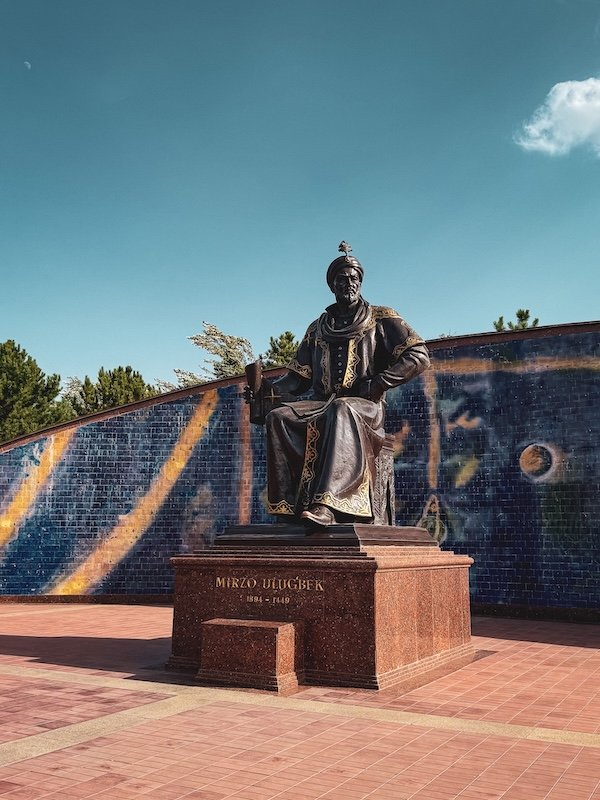 Memorial monument to Mirzo Ulugbek. PHOTO WENDY HUNG
Observatory of Ulugbek
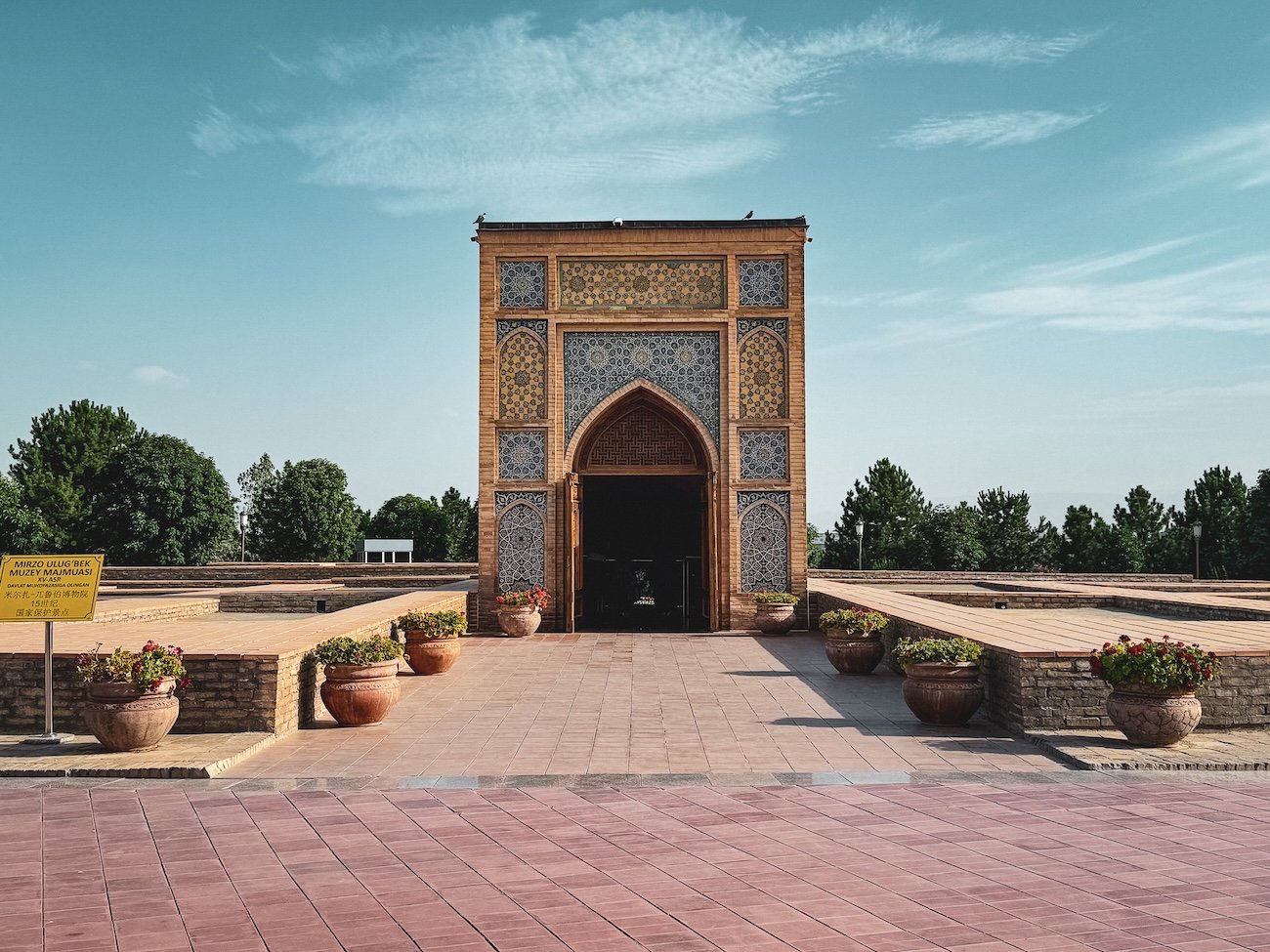
The Observatory of Olugbek was built in 1420 by the astronomer himself, who envisioned a school of astronomy under the Timurid Empire and was the last of its kind from the Islamic Medieval period. After Ulugbek’s death, his observatory was wrecked in 1449 by religious fans, but later rediscovered in 1908. Now, part of the museum displays large instruments that were used to observe the moon, sun and the constellation.
 Memorial monument to Mirzo Ulugbek. PHOTO WENDY HUNG
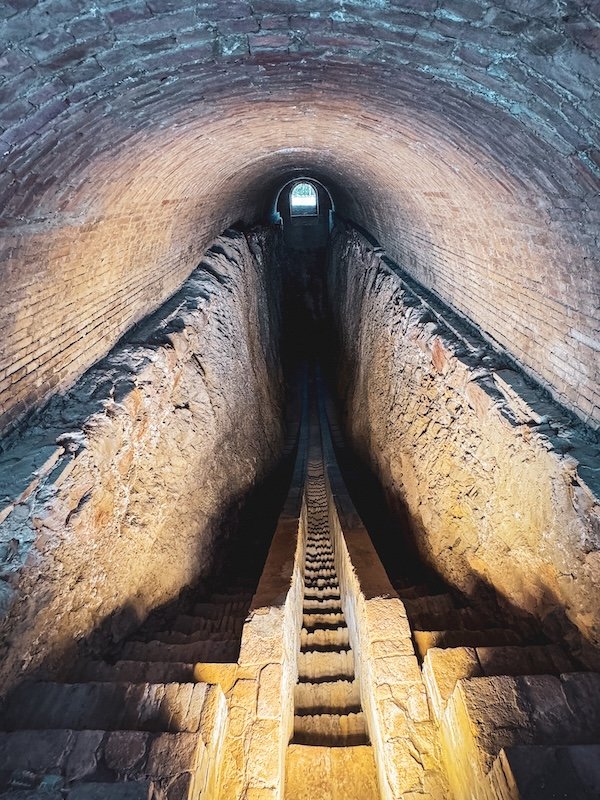
 The accuracy of Samarkand astronomers were astonishing. PHOTO WENDY HUNG
Another highlight at the observatory is the trench with the lower part of the meridian arc, lined with marble as they were part of Ulugbek’s giant sextant.
The accuracy of Samarkand astronomers were astonishing since they worked without optical machines. At the time, Ulugbek was able to calculate 365 days 10 minutes and 8 seconds as the length of star year.
Afrasiyab Museum
The Afrasiab Museum is a tribute to the ancient city of Afrasiab by exhibiting the city’s development from the period of Alexander the Great’s rule. Since the museum celebrates the founding of Samarkand, visitors can view several collections of ancient artifacts, including elaborate frescoes of Samarkand palace during the Ikhshidid dynasty. The museum is appropriately located in the center of the Arfrasiab settlement while many objects shown were discovered from excavation of the city.
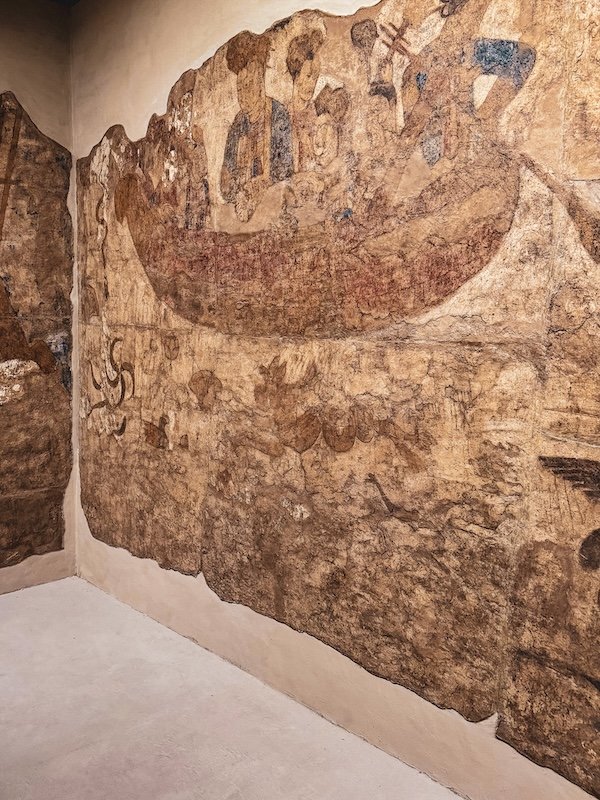 Afrasiyab Museum. PHOTO WENDY HUNG
Restaurant “KARIMBEK”
On top of the list of restaurants to try in Samarkand is Karimbek, which is a popular Uzbek eatery, especially for its grilled kebabs, or shashlik. Try the beef and lamb, you won’t regret it. The restaurant is vibrant and crowded at night, with delightful live music playing in the background and a dance show highlighting local culture.
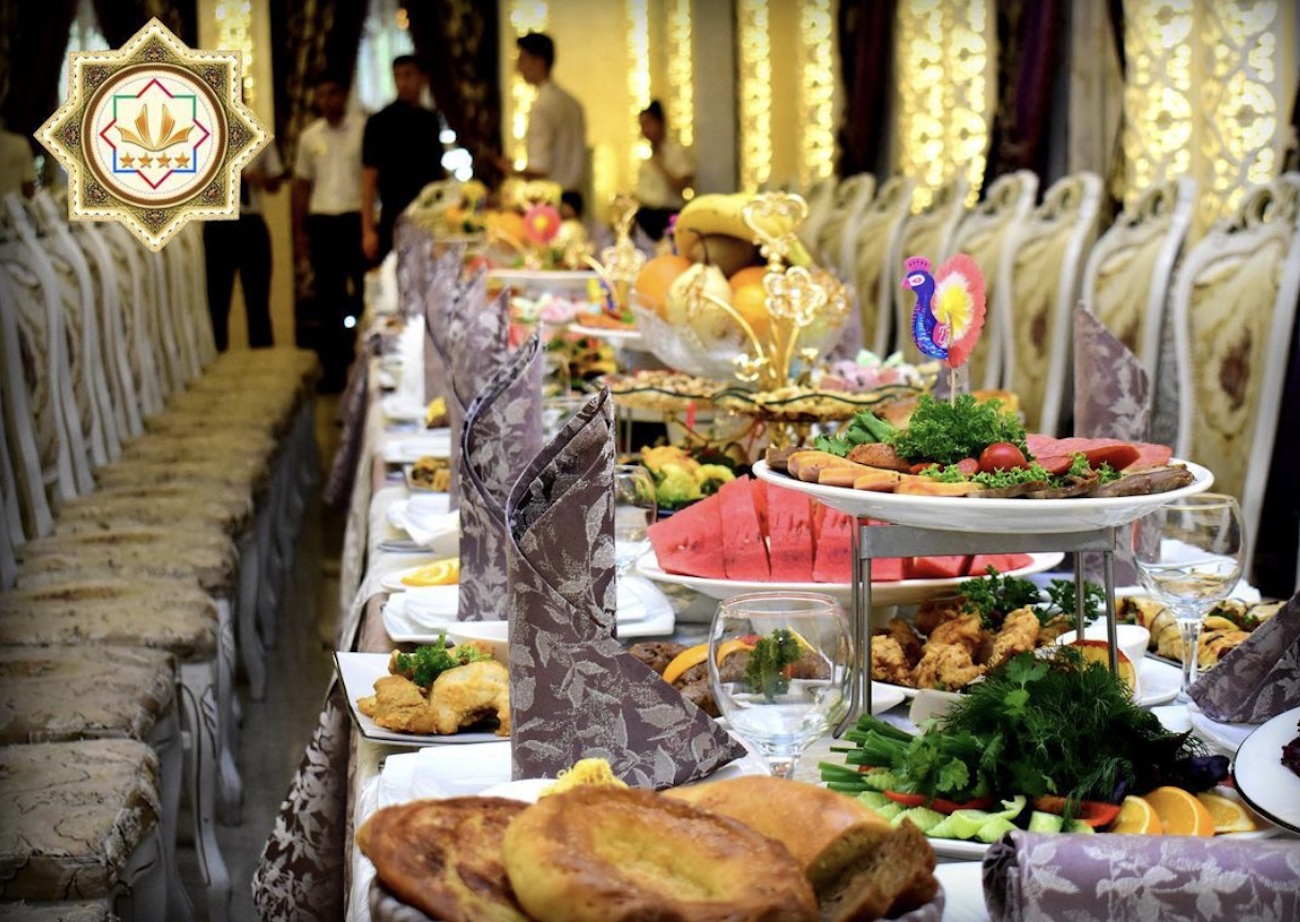 INSTAGRAM @karimbek_restaurant_samarqand
Siab Bazaar / Siyob Bozor
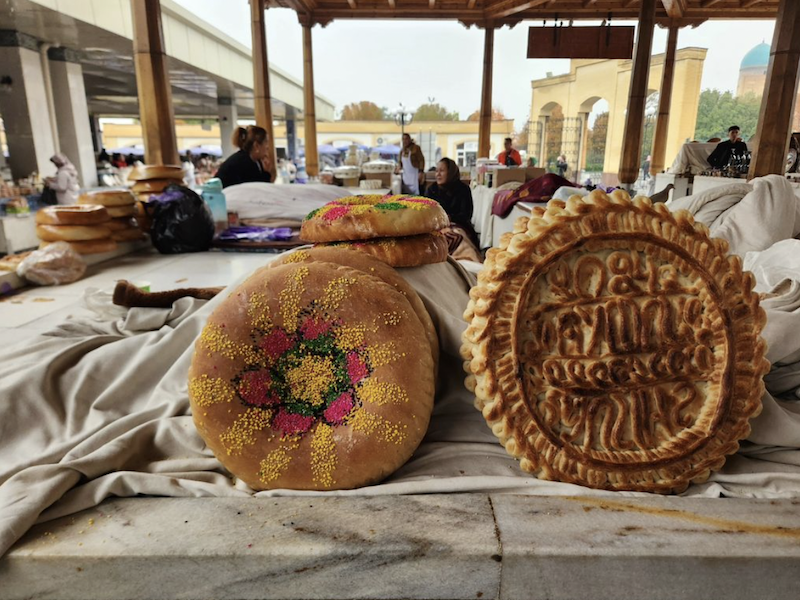 INSTAGRAM @dap.0202
A trip to any city in Uzbekistan isn’t complete without a stop by a bazaar. The fan-favorite in Samarkand is Siab where curious travelers can browse through spices, nuts, fruits and vegetables, garments, seventeen kinds of bread…and so much more. Siab Bazaar was also one of the stops during the historical Silk Road trade route, making the sight not only delicious, but also cultural. The stalls start to set up around sunrise, then close for the day in the evening. Bartering is permitted at the market, and don’t be shy to speak with strangers. Uzbek people are some of the nicest and most social in Central Asia.
Museum of Wine-Making named after Khovrenko
A fun activity for wine lovers that yearn for a little break from cultural sites is wine tasting Museum of Wine-Making named after Khovrenko. Indulge in eight types of wines, including selections that have been locally produced. If wine isn’t up your alley, the museum also offers cognac tastings as well.
View this post on Instagram
