Despite being branded as a culturally mixed bag, Austin’s recent growth is revealed by U.S. Census data’s shocking diversity figures.
Austin, Texas is currently one of the fastest-growing cities in the United States. Its initial upward climb occurred in the early 2000s due to tech integration, but the city’s recent growth has been unbeatable, especially with the large influx of Californians and billion-dollar companies, like: Tesla, moving in.
Its massive growth has only added to its reputation as a culturally diverse, unconventional mix from all walks of life; attracting everyone from hipsters to cowboys to reformed Silicon Valley-ers. The city’s designated slogan, “keep Austin weird,” reflects this sentiment, as a major driver of tourism is the unmatched eclectic vibe of the city. The presented and self-proclaimed “one-of-a-kind culture and universal appeal,” however, could be perceived as somewhat fraudulent. Diversity figures in Austin remain staggeringly low – and have even decreased, alongside the widespread gentrification and erasure of the city’s segregated past.
 Photo by Michael Discenza on Unsplash
Austin’s Racist Past
Austin, as well as the rest of the American South, has historical roots in systemic racism. To see the tangible progression of racial divides, one can look back to 1928, when according to the Austin American-Statesman, “The Koch and Fowler City Plan” detailed a plan to create a “Negro District,” where certain parts of the city that African Americans were permitted to access public resources, including: schools, hospitals…etc. The plan also suggested the district have the weakest zoning laws, to allow harmful industrial aspects imposed upon its citizens, rather than in the whiter areas of the city.
These boundaries of racism were eventually solidified later post-Great Depression. Through the use of “redlining,” a term which refers to the tactical use of government maps to segregate populations and disadvantaged minority groups. Many red-lined areas in Austin were denied access to government recovery aid, such as receiving mortgages, and ultimately remained in poverty as their white counterparts eventually came out of it.
The effects of this can still be seen today, as the majority of the minority population still lives on the East Side of Austin, the same areas that were proposed to be known as the “Negro District.” Although the East Side has traditionally been regarded as one of the most impoverished areas of the city, gentrification has had its hand in every facet.
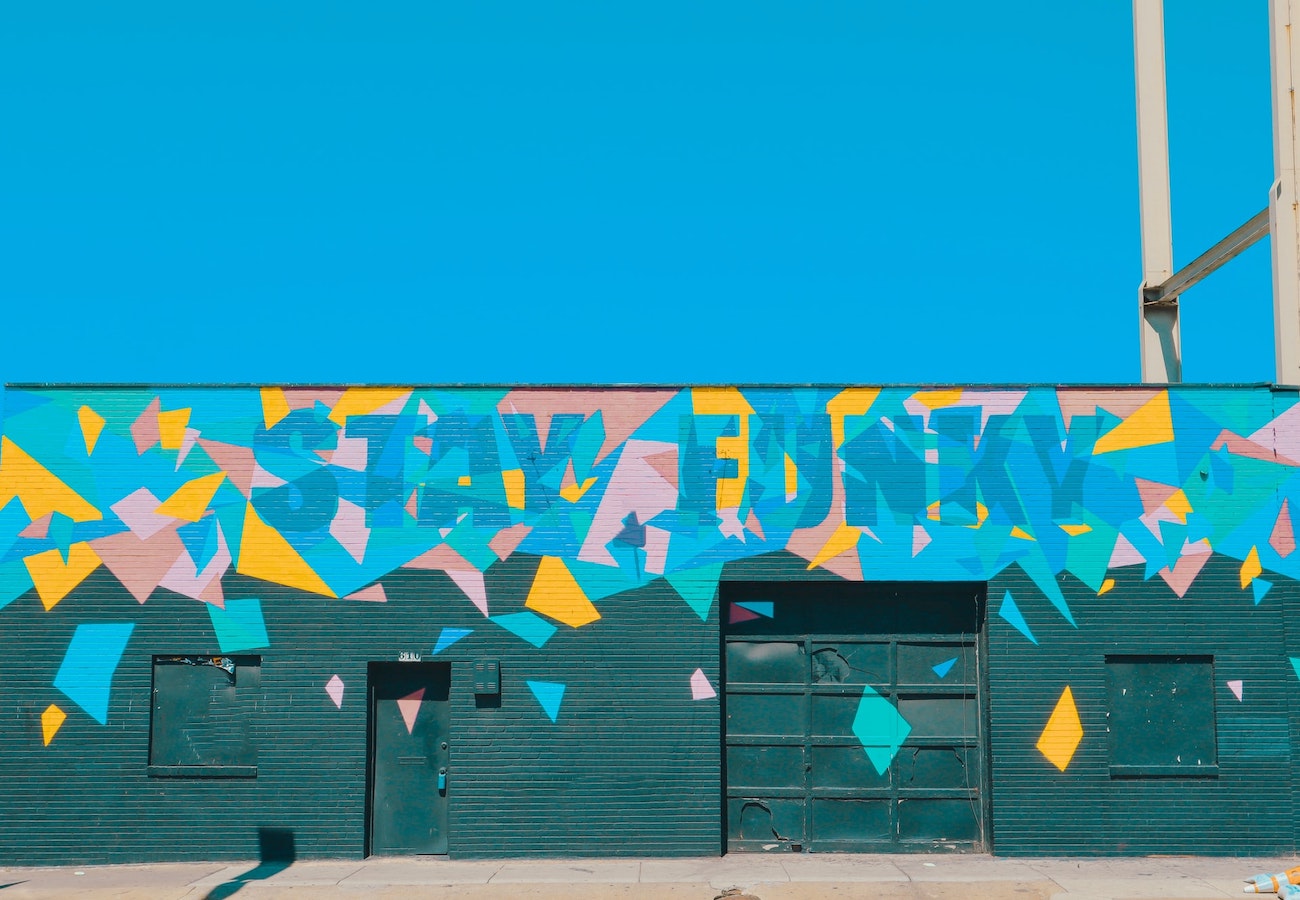 Photo by Clark Van Der Beken on Unsplash
Gentrification and Displacement in the Modern Day
With the massive increase in population, in only a short period, major changes have gone underway in the city of Austin. The cost of living has risen dramatically, in 2018 GoBankingRates determined that a person would have to make USD $55,000 annual income to “live comfortably” in Austin. Their 2021 needed income estimate: USD $94,455.
The insane increase in the cost of living combined with the surge in demand and the competitive housing market has caused displacement in many areas of Austin. With the recent housing-market boom, these effects are felt especially hard. Residents are no longer able to afford rent prices they have maintained for years. As new businesses open and richer people move in, original members of the community not only can’t keep up but are pushed out and displaced, thus completely transforming the area.
A large amount of Austin’s gentrification is largely cited to be one of the main reasons for already low diversity figures to be dropping in recent years.
Diversity by the Numbers
| Year | Percent of the population identified as white | Percent of the population identified as African American | Percent of the population identified as Asian | Percent of the population identified as Hispanic/ Latino | Total Population |
| 2000 | 65.4% | 9.9% | 4.7% | 30.6% | 656,302 |
| 2010 | 68.3% | 8.1% | 6.3% | 35.1% | 790,390 |
| 2020 | 54.7% | 7.2% | 9% | 32.5% | 961,855 |
*All data are taken from the U.S. Census Bureau
Data from the 2020 census has provided deeper insight into Austin diversity figures. As the population has nearly doubled in the past 20 years, racial demographics have remained proportionally low. Although there has been a slight increase in Asian populations, relative to the data, the percentage of the population identifying as African American remains incredibly low and has even decreased. Evident also is the initial increase in the Hispanic/Latino identifying population, which has ultimately decreased again in the last ten years.
 Photo by Elizabeth French on Unsplash
These figures are concerning largely because they indicate that despite the city’s massive growth, the relative percentages have maintained, with a majority of white residents. Not only has this disproportionate distribution remained, but some minorities such as the African American population and Hispanic and Latino identifying populations have even decreased.
Although Austin claims itself to be an intersecting point of multiple cultures and people – its diversity numbers and increased cost of living, contextualized by its history prove such a perception to be lacking. As the city continues to grow, the moral question of who will be able to participate in Austin’s “weird” culture comes into question.