
Devouring charcoaled mutton in the middle of a fervent desert at sunset, what a dream it was to eat like a nomad.
It all started from sheep herding. Similar to other regions in Central Asia, Turkmen cuisine reflects upon its storied nomadic culture. Through the footsteps that traversed over gilded mountains of sands blended with sizzling heat, cultures of cuisines interchanged and culinary ideas merged. Through it all, survival was key.
Unlike the foods in its neighboring countries, Turkmens emphasize natural flavors rather than sprinkling ingredient with hefty spices. Mutton and beef seem to be the main highlights. Note: you’ll never see horses on the menu, since the Akhal-Teke breed is this nation’s pride and joyful esteem.
Here are some of the best traditional Turkmen foods you must try. Surely you’ll be surprised, to consume very well in this fascinating country. One half-moon flatbread at a time.
View this post on Instagram
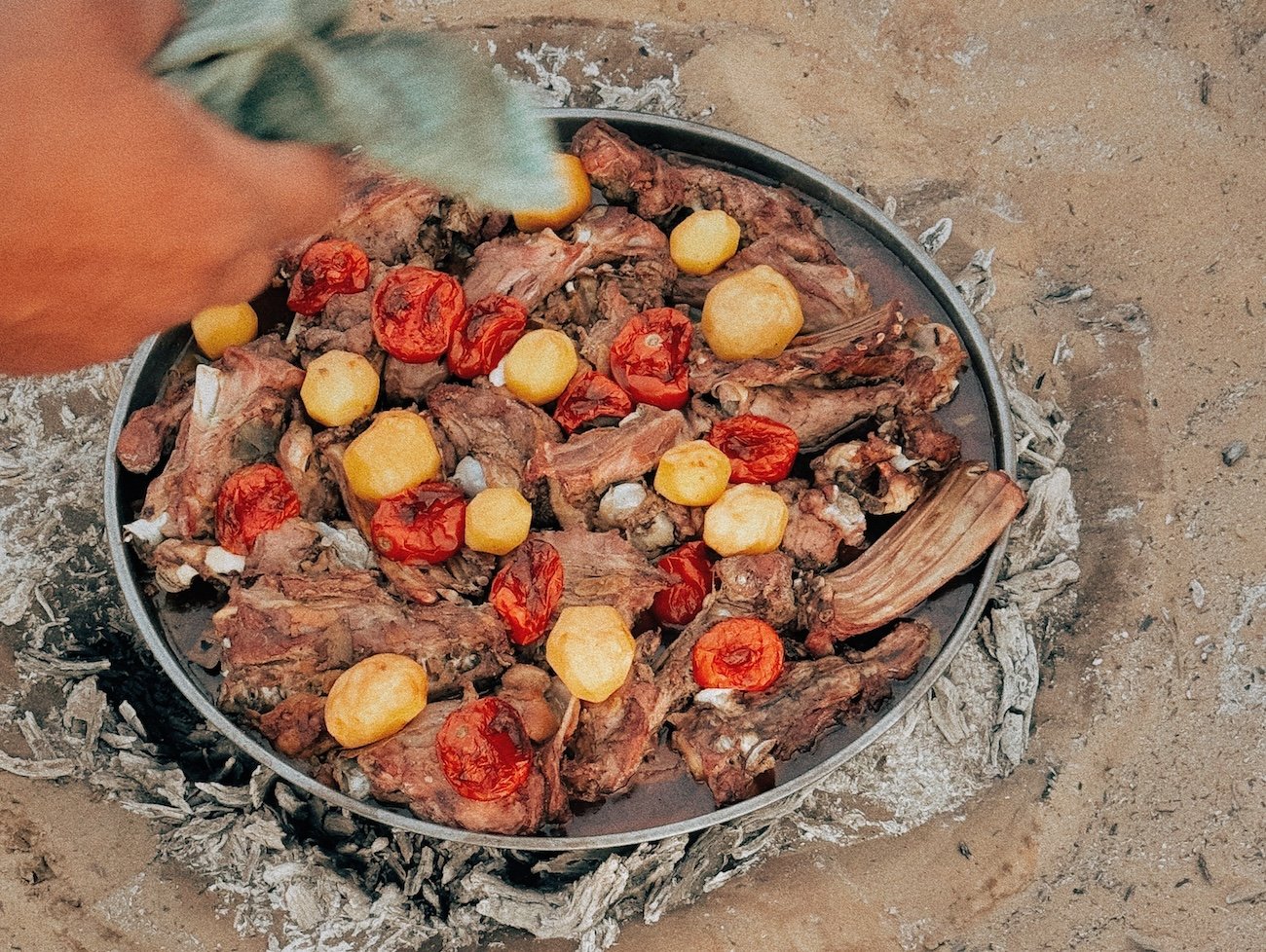 PHOTO WENDY HUNG
Kakmach
Derived from both Dashoguz and Yomuds (Balkan) regions, kakmach is a classic Turkmen sun-dried lamb or beef dish, made from large pieces of meat still attached to the bone, tied to tall poles planted to the earth, then dried under the sun for a few days, which can be done in Turkmenistan due to its blazing temperatures and heated winds. Once the preservation process is complete, kakmach is eaten like a snack or used in different Turkmen dishes as a source of high protein.
 INSTAGRAM @mantycarlo
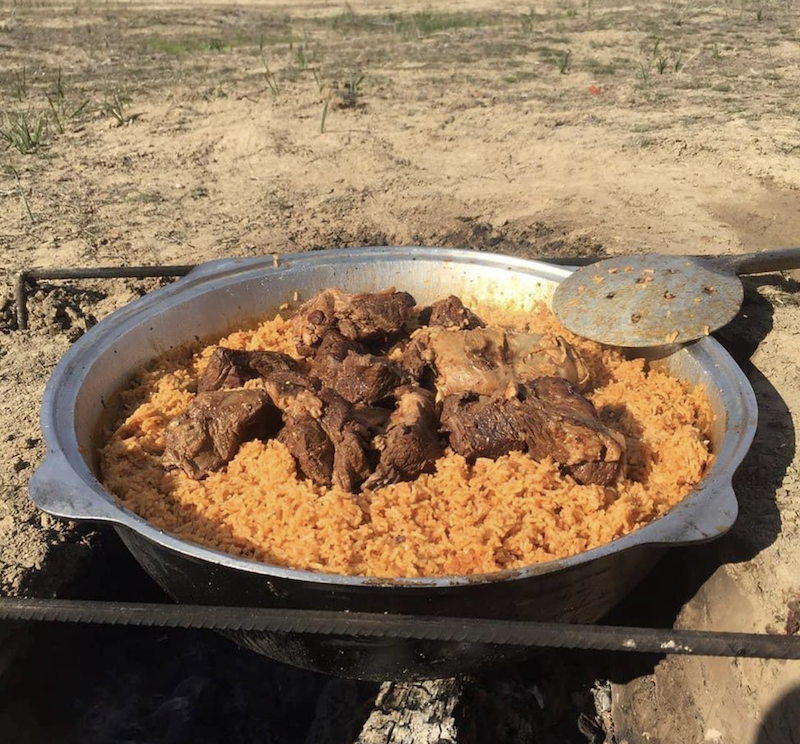
Chekdirme
Prepared in qazan or a cast iron, chekdirme is another Turkmen traditional food. Imagine mutton cut in small pieces, fried in hot oil then cooked with rice, meat, tomato paste, and onions. Turmeric and pepper are some spices used to enhance the flavor of the mutton. The heat is turned down once the rice is fully cooked.
 INSTAGRAM @ay_terek
Kebapy
Akin to most countries in Central Asia, Turkmen kebapy is a must-eat item. Just as pasta is quintessential in Italian cuisine, so are kebabs in this region that grill marinated meats then roasted on skewers. Meats can differ between regions, camels and horses can be incorporated in some countries. In Turkmenistan, the most common meats are lamb and beef. Grilled on an open fire, either in a market or in the middle of a golden desert, each bite is as fulfilling as the entire traveling experience.
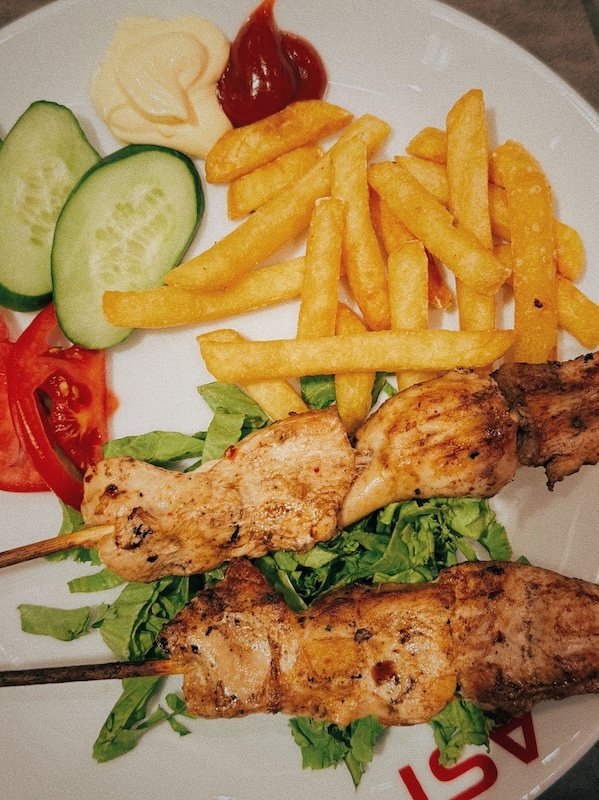 PHOTO WENDY HUNG

Ash
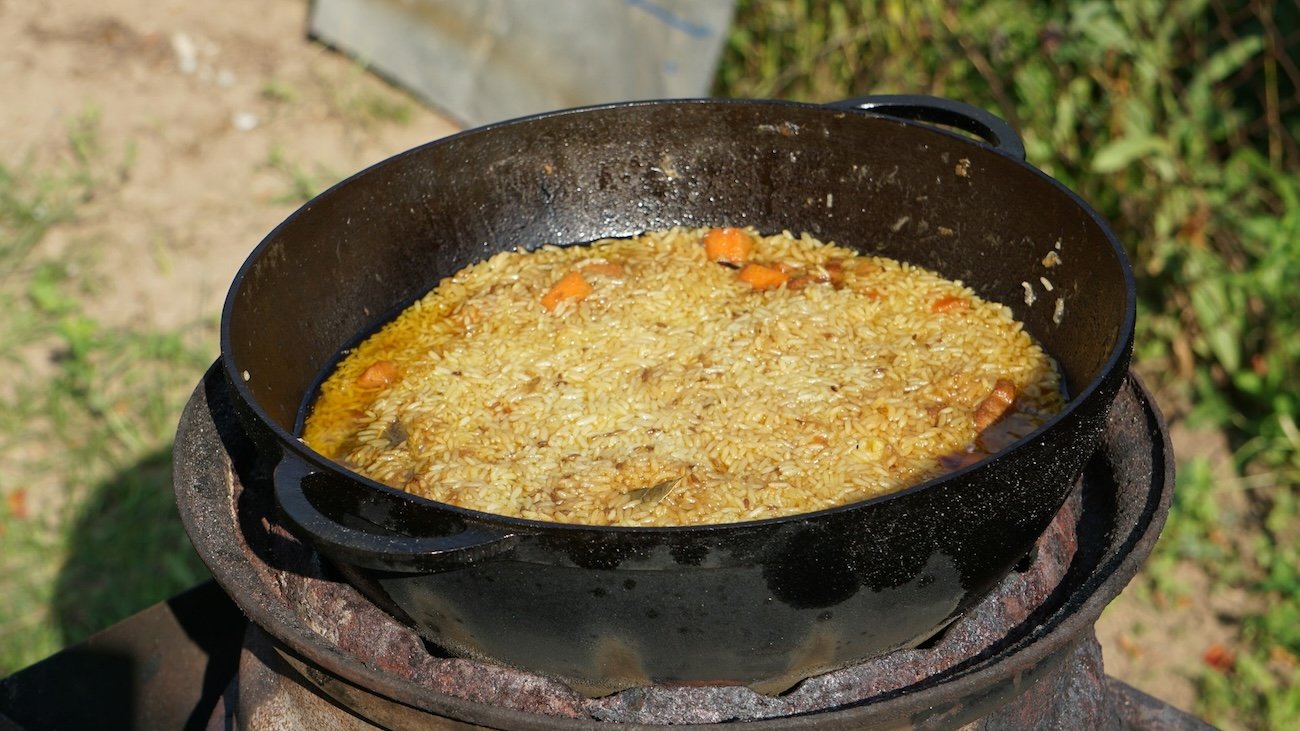 Photo by Dmytro Glazunov on Unsplash
Meats need a balancing pairing. Most of the time in Turkmenistan, it’s pilaf, or as the Turkmen call it: ash. Rice and meat, beautifully seasoned with aromatic spices, dotted with dried fruit. Unlike in Uzbekistan where pilaf is infused with red meats and raisins, ash in this neighboring country is commonly made from chicken and apricots. It garners the biggest spotlight during festivals and celebrations, definitely a fan-favorite that can also be eaten by hand.
Gutap
These half-moon shaped flatbreads are called Gutap, delightfully stuffed with beef or lamb and onions. Eating them is just as fun as staring at the intricate braids that seal the cooked meat inside these steamy pockets. Traditionally, it’s consumed by hand. In Turkmenistan, there’s also an array of vegetarian gutaps like spinach and pumpkin,
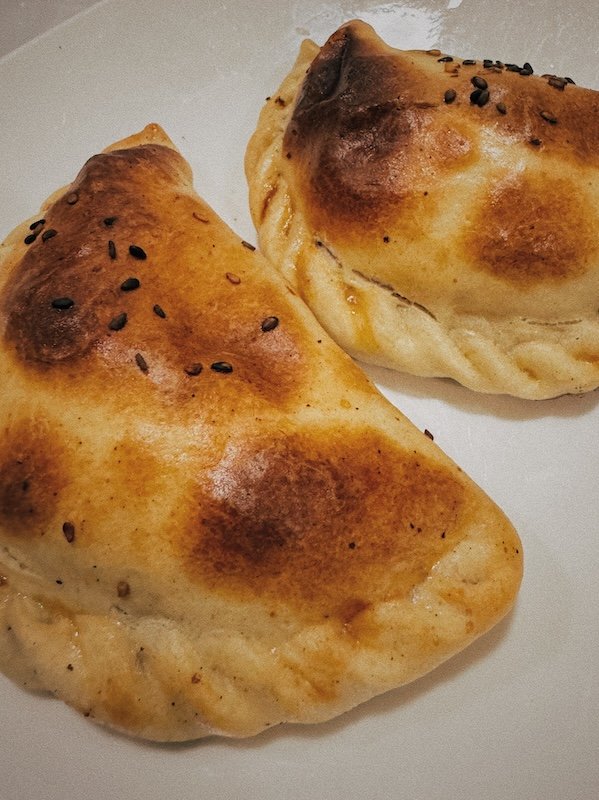 PHOTO WENDY HUNG
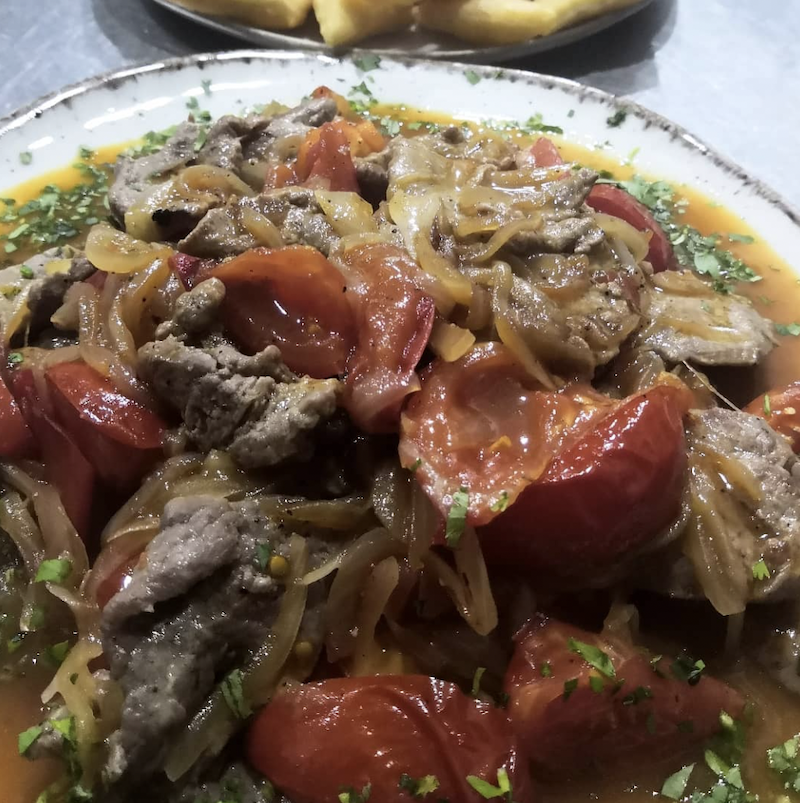
Kavurma
Korvuma is a fine example of Turkmen’s approach to preserving meat through frying and sautéed, with small cuts of mutton or beef sizzled in animal fat. In both Turkey and Serbia, similar methods also exist. Although, the taste is quite reminiscent of Chinese stir-fried meats and vegetables – savory and fragrant. Kovurma can be served either hot or cold. It’s simply delicious!
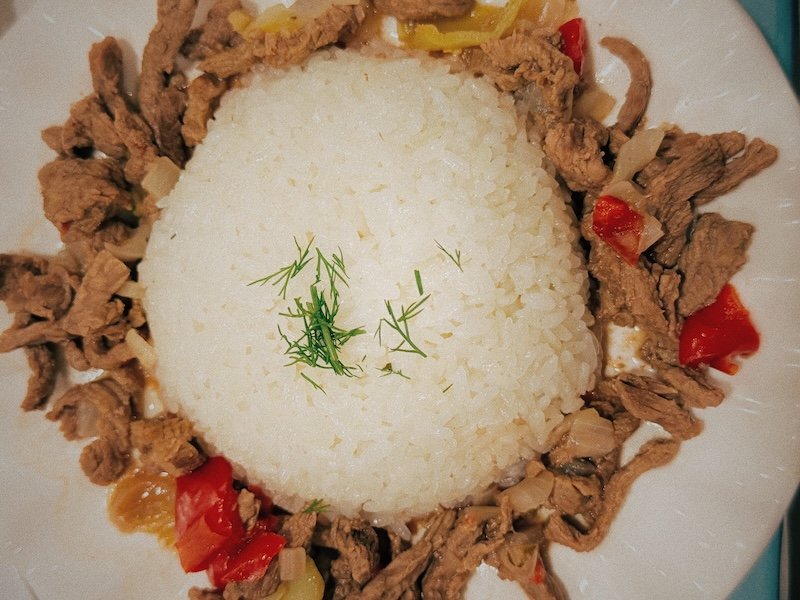 PHOTO WENDY HUNG
Lyulya-Kebab
Lyulya-kebab are different than a plain old kebab in the sense that meat is minced, rather than a chunk of it cut into smaller pieces. It’s basically a sausage made from ground mutton, onions and seasoned with salt and pepper. Then, cooked on skewers. To wrap it up, it’s served with chorek bread. Both Armenia and Azerbaijan feature a similar kind of kebab.
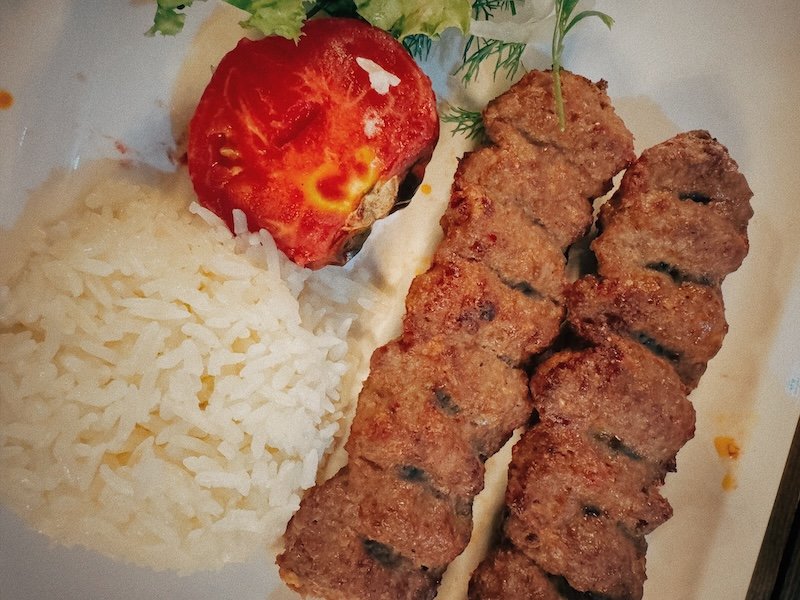 PHOTO WENDY HUNG
Ichlekli
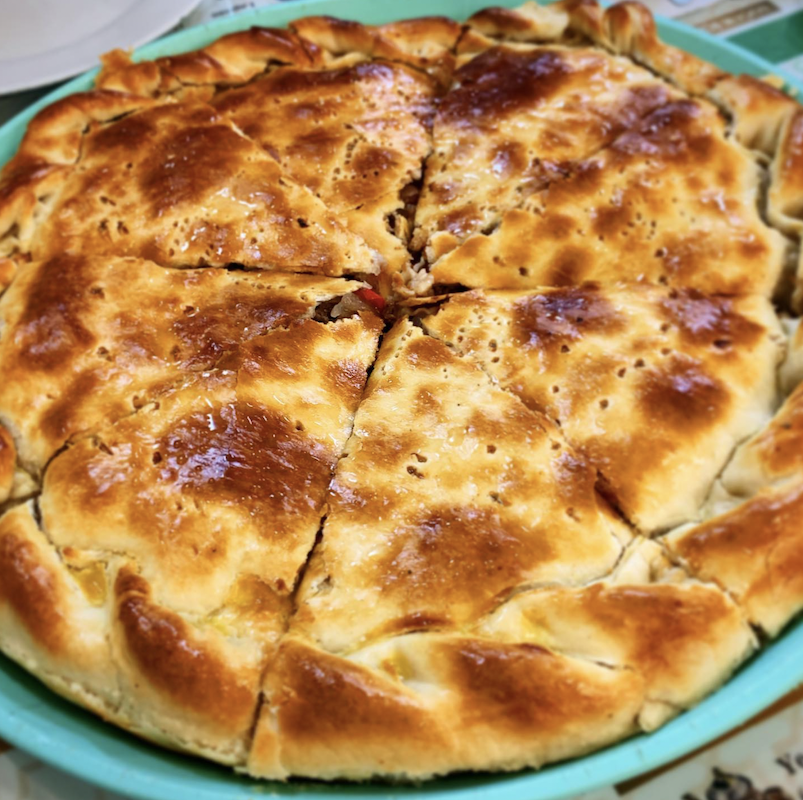
While United Kingdom offers the iconic Shepherd’s Pie, the Americans created Chicken Pot Pies. On the other side of the world, Turkmenistan has ichlekli, which is also a meat pie and directly translates to “stuffed flatbread.” It might as well be the country’s national dish, since it deeply symbolizes nomadic culture’s use of the sun, sand, and non-perishable ingredients. Although in modern days, ichlekli is cooked in an oven. But it’s a further understanding of the way nomads created a flavorful dish despite desert’s harsh climate conditions.
 INSTAGRAM @kay.hiro
