Jungles, mountains, wildlife, and culture – Tanzania holds fantastic wonders under a substantial green canopy.
Whether it’s camping amongst the inhabitants of the national parks, or help build schools for local children, here are three ways to see the hidden splendor of Tanzania, as well as leave a lasting, positive impression by volunteering or contributing to local charities during your stay.

One of the most memorable trips of my life was a two-week charity trip in Tanzania. Shamba Kipara Camp, located just underneath Mount Meru in the Arusha Region, is primarily home to students and climbers, serving as a base of operations for the various groups.

Here, we discussed our plans for the day. Building school desks, animal sheds, even entire family homes were just some of the things we set out to do daily. Thinking back, perhaps it was one of my fondest trips because it felt we left something positive behind when our expedition ended. In this article, you’ll find a list of eco-friendly places to stay and visit, as well as vital excursions and charity organizations you can be a part of during your stay in Tanzania.
Lodging
Though roughing it out in the middle of a jungle may seem unappealing to some, Tanzania offers a wide range of campsites for travelers to stay in. Camps such as the one mentioned earlier are often cheaper than hotels, have excellent amenities, and are usually situated near points of interest, including: native settlements, national parks, and natural wonders. Furthermore, most of these camps often contribute largely to local environmental conservation and development efforts, like the Serengeti Bushtops Campgrounds, which is situated in the middle of the Serengeti National Park, providing views to some of the worlds most significant animal migrations. I highly recommend looking into Tanzania’s camps, as they are not only a generous alternative to major hotels but can genuinely bring you closer to the heart of the land as you are not separated from local communities. Furthermore, these camps often employ locals as guides and staff, so you can discover the minute customs and culture of the community you are staying in that you would not otherwise find.
National Parks
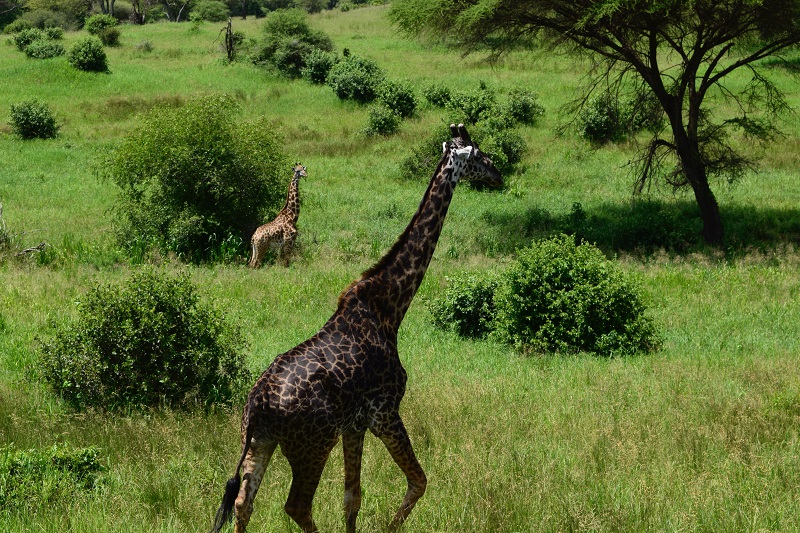
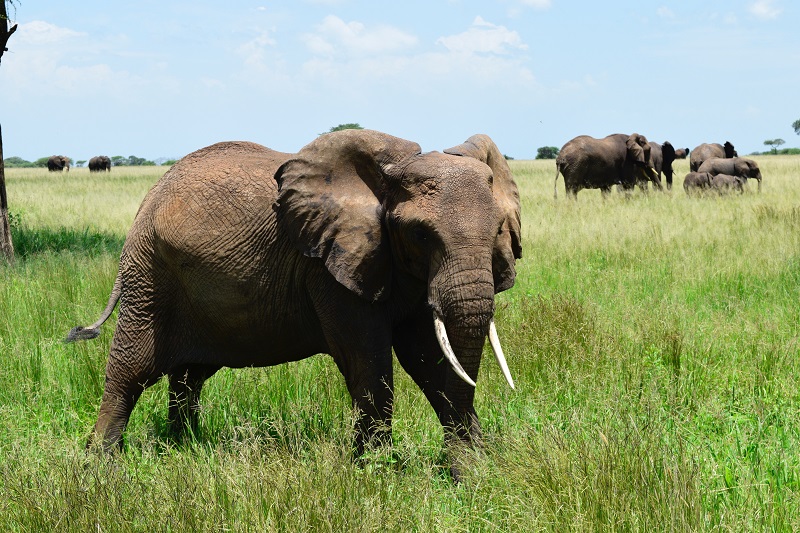
If you are anything like me, you will agree that seeing animals in the wild is far more gratifying than in the zoo. Witnessing the confidence and pride of an elephant guarding its herd by challenging a bus twice its size to back off, indeed epitomizes the wildlife experience in Tanzania. I had the privilege of camping in Serengeti National Park for two days, holding my breath as lions brushed up against my tent in the night, inches away from my head. Rather than being scared, however, I was so grateful that such places exist, where animals are free and we are enclosed. Simply being there helps secure that reality. Using the link above, you will find a plethora of tours and campsites to explore, as well as updates on conservation efforts, ie: animal populations. Furthermore, like most NGOs in Tanzania, simply staying there helps.

One can also select from a multitude of other National Parks to visit and support, such as the Ngorongoro Conservation Crater, where you can see the Big 5 (even the endangered black rhino!) as well as the world’s largest caldera. Or, if you want a better chance at seeing lions, the smaller Lake Manyara National Park offers an intimate and up-close experience. To read more about charities, conservation efforts, and other ways you can contribute to the upkeep of these beautiful, safe havens, please look at Tanzania’s National Park website.
Interacting with and Contributing to the Community

Something that is often left out of trips to foreign countries is interaction with locals. Due to language barriers, fear of seeming rude, or simply lack of an opportunity; many of our travels ignore the chance to truly learn about cultures. In addition, it almost dehumanizes the places we visit, categorizing them simply as destinations rather than the homes of an entire culture. Sadly, I have met many people who would show me pictures of natives and tribesmen. Still, few have spoken with them or returned any gestures of kindness to those who welcome us into their country. Many organizations offer connections to volunteering and charity work, including: Projects Abroad, and Volunteer World. The campsites, as mentioned earlier, often work in tandem with these organizations, having the added advantage of local guides to help you navigate Tanzania, so you can easily enroll yourself in fully organized programs.
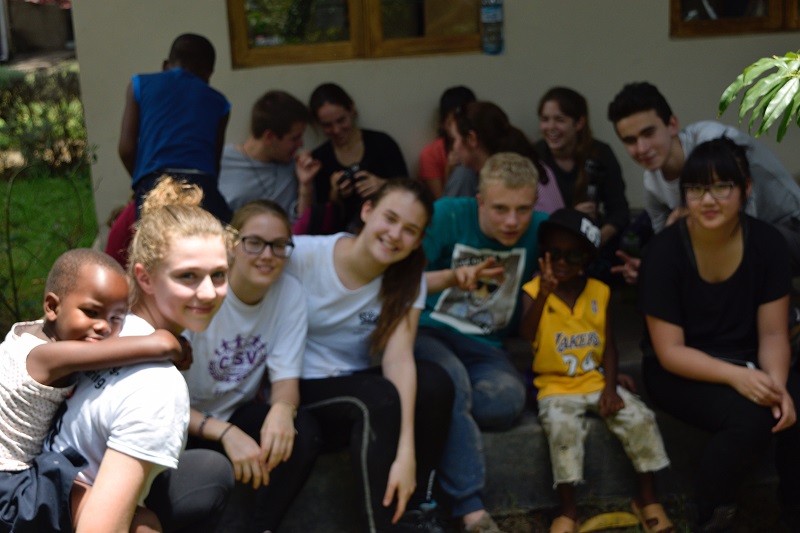
I must say, the work we did resulted in the most heartwarming moments of our stay. While we taught the local children English and built their school desks and homes, they returned the kindness ten-fold by cooking us traditional meals, teaching us their local songs and dances, even a bit of Swahili! It was surreal to see how quickly these kids accepted us into their lives. Some of the most rewarding experiences are those we work hard for and those with purpose. While few think of hard work laying bricks in humid, 110-degree weather, like a vacation; leaving behind more than just a footprint in the places we visit can add immeasurable value to our travels (as well as the world.)
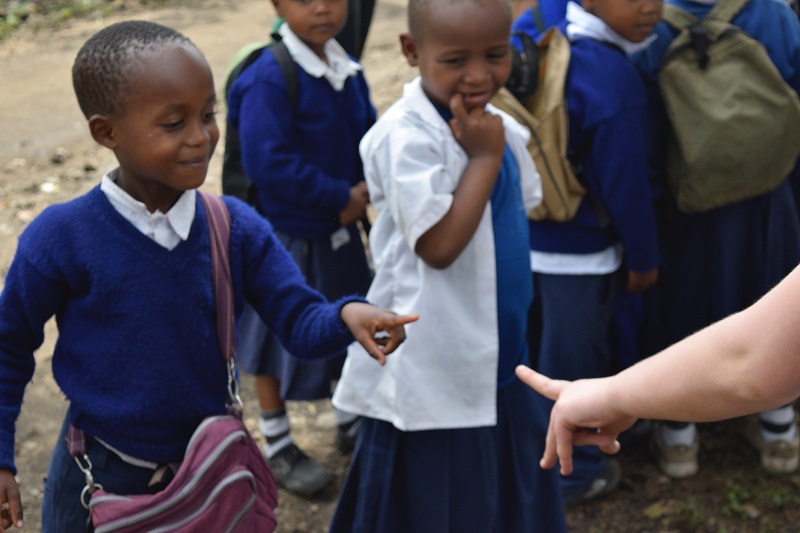
Tom visited Tanzania and volunteered to build homes, furniture, sustainable energy, and clean water for two weeks in 2014.