
As it turned out, one might not have deemed Dushanbe as the city shining the brightest in Central Asia. Not until a visit to Navruz Palace…
Dushanbe might be one of the most unknown capitals in the world. But, it is a jewel of a city as part of its charm derives from flying under most tourists’ radars.
Upon discovering this marvelous jewel, it’s evident that Tajikistan’s city life is one which glistens inside palaces while chatters bloom in busy markets. Here are some of the best things to do in Dushanbe, so you can uncover Central Asia’s true hidden gem.
View this post on Instagram
Navruz Palace
If anyone ever felt confused about what Tajikistan is like, Navruz Palace is a glamorous place to embark on a stunning discovery. Once the largest tea house in the world; Navruz Palace has extended far beyond a location where people meet, chat and make business negotiations.
Prior to the rise of media as we know it, tea houses were a place of social gatherings. Navruz was commissioned by President Emomali Rahmon in 2002, and covers 40,000 square meters of space which includes: a man made lake, bowling alley, restaurant, cinema, karting tracks, gardens, dining and conference halls are just a few of a number of sparkling chambers that elevate the beauty of an extravagant institution.
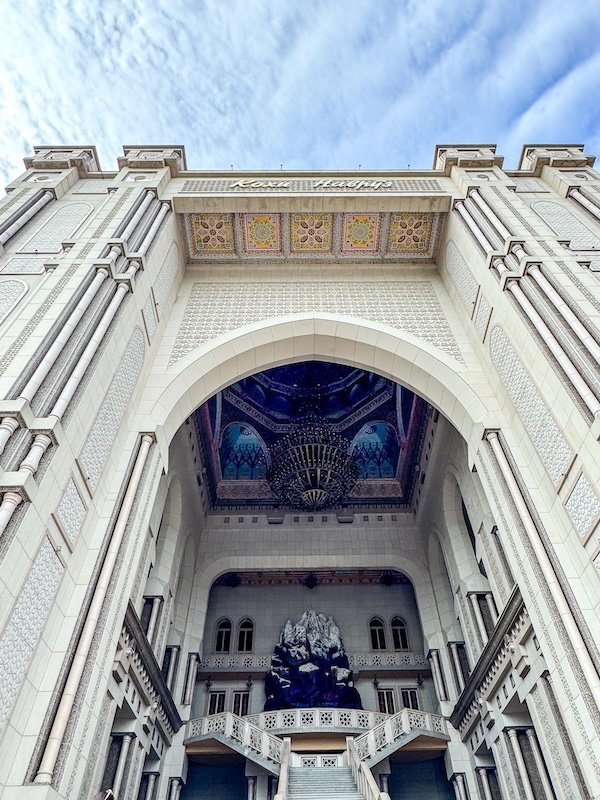 Stunning exterior. PHOTO WENDY HUNG
 Teahouse glamour. PHOTO WENDY HUNG
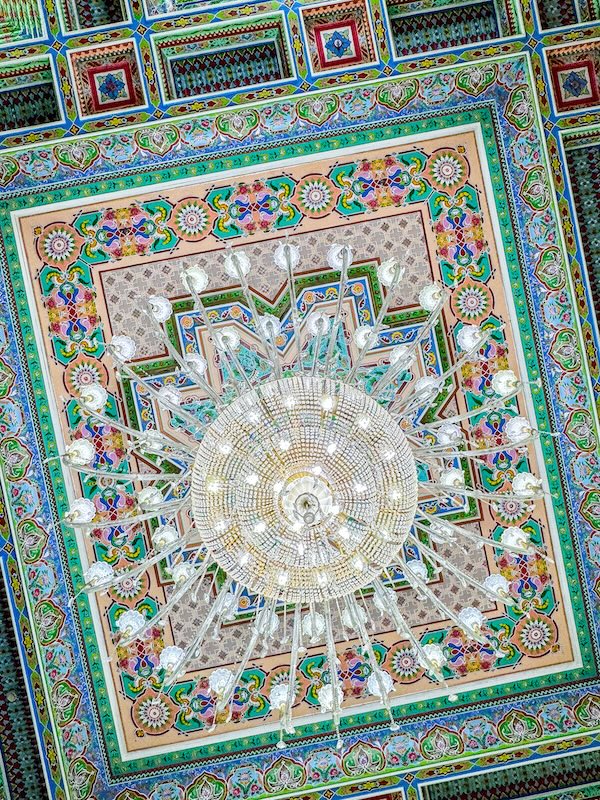 Mosaic ceilings. PHOTO WENDY HUNG
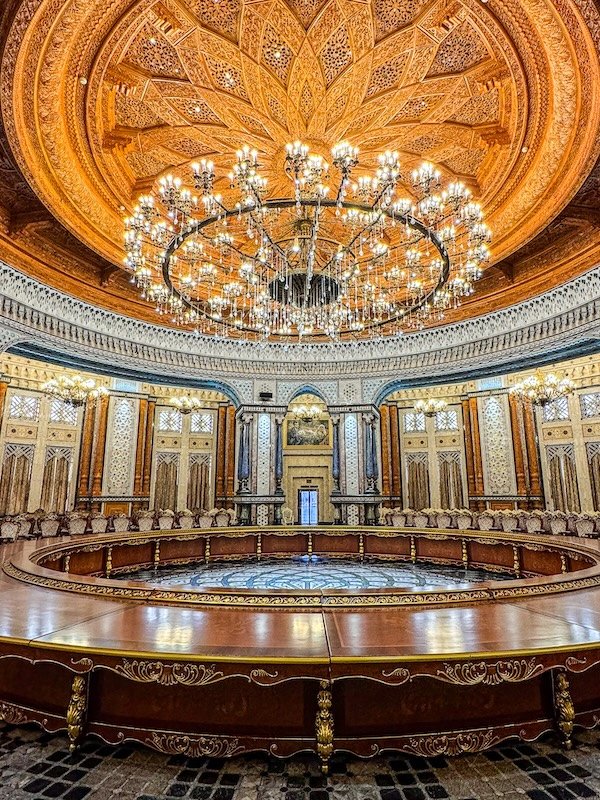 Conference hall. PHOTO WENDY HUNG
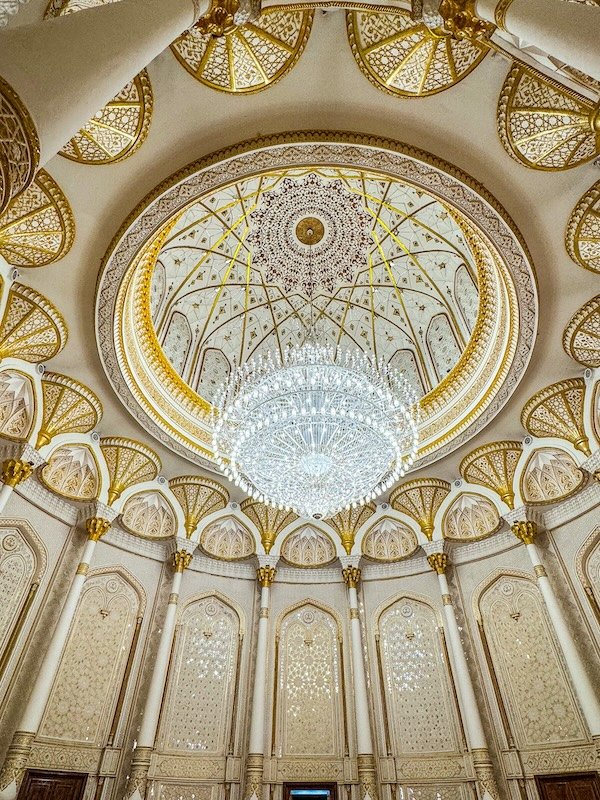 Opulent chandelier. PHOTO WENDY HUNG

Ismoili Somoni Monument
At the core of Dushanbe’s city center is Ismoili Somoni’s statue at 25 meters tall. The 10th century founder of Samanid Dynasty was also widely considered as the founder of Central Asia. His monument was created in 1999, as an homage during the 1,100 anniversary of Samanids. Covered in black and gold, the statue is representative of Art Deco style, as city life wraps around it on a daily basis.
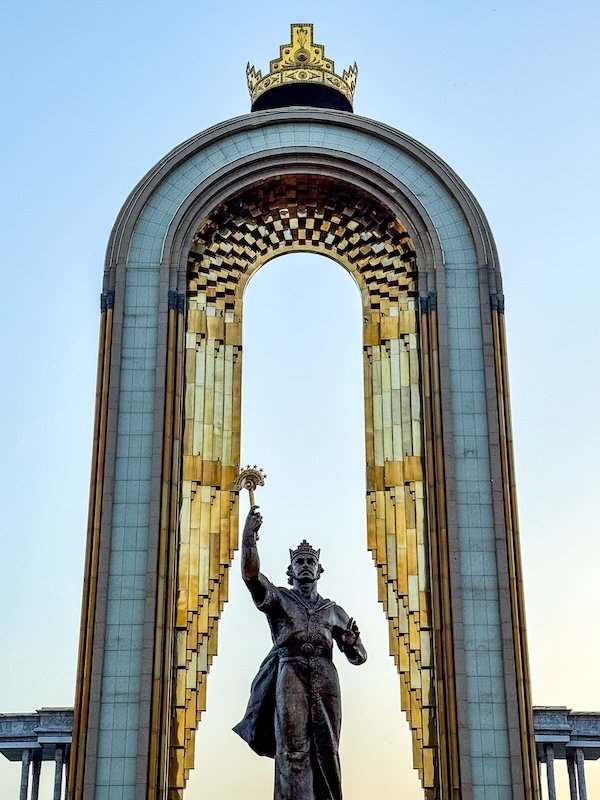 Ismoili Somoni. PHOTO WENDY HUNG
Rudaki Park
Attached to Ismoili Somoni Monument is Rudaki Park, dedicated to the celebrated poet and musician, often viewed as the father of artistic verse. His cultural influence stems from the first use of modern Farsi in poetry and has graced the world with more than a million poems.
The park encompasses beautiful gardens, elegant statues and vibrant fountains. The statue of Rudaki showcases the prolific artist standing tall, with a cane. His name is engraved in both Tajik and Farsi, along with iconic phrases from his poem.
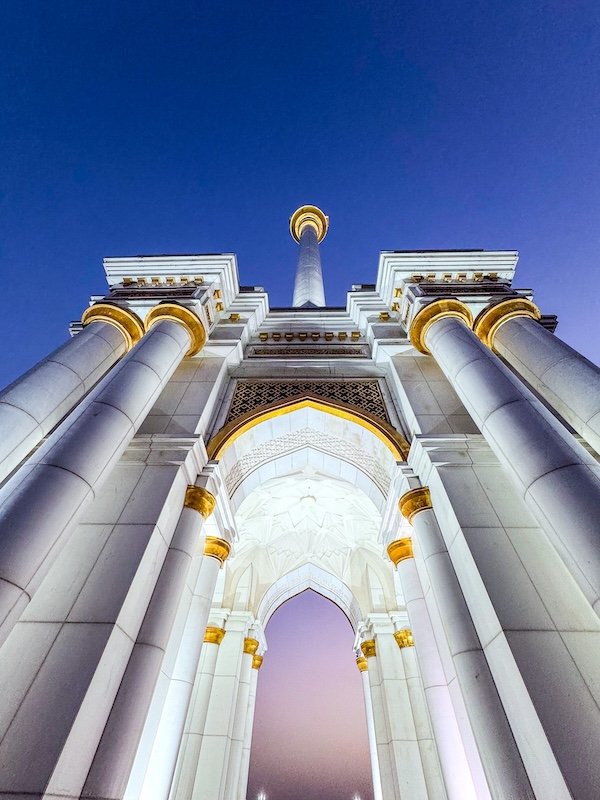 Dushanbe dusk. PHOTO WENDY HUNG
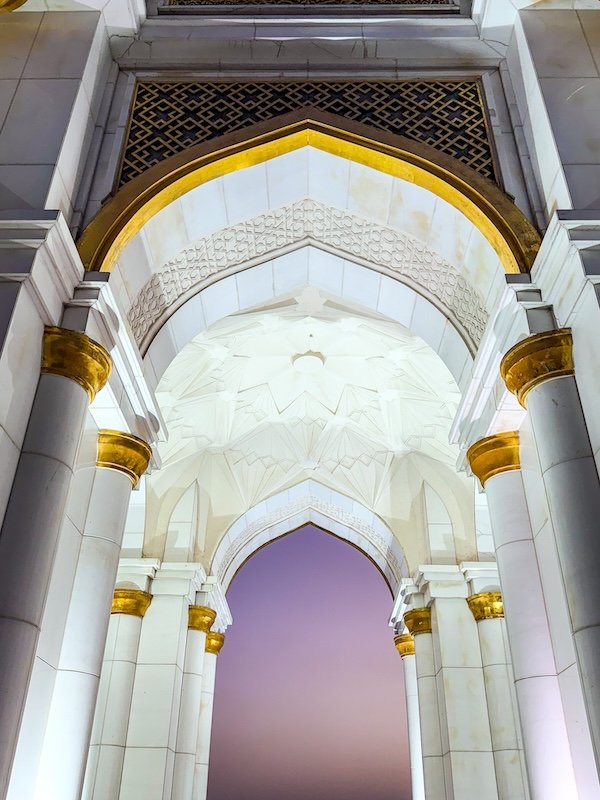 Lavender sky. PHOTO WENDY HUNG
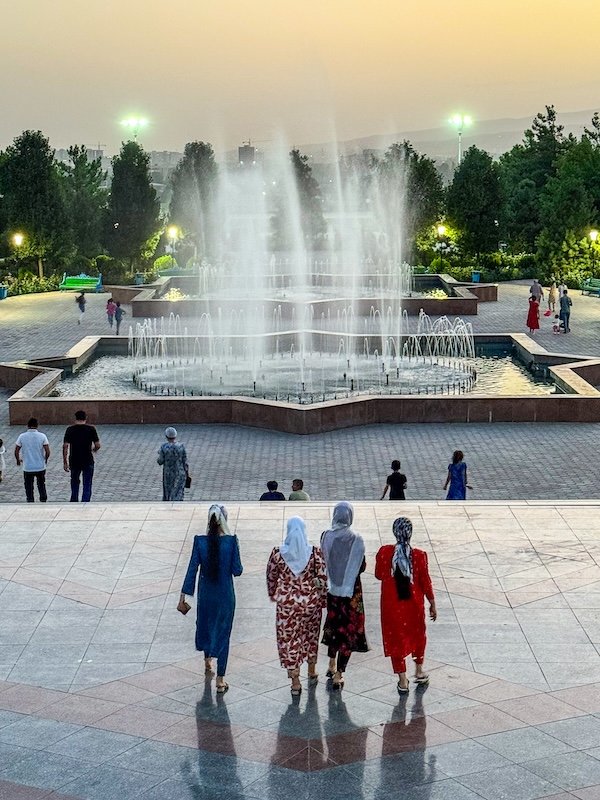 Tajikistani women. PHOTO WENDY HUNG
Dushanbe Imam Abu Hanifa Cathedral Mosque
The most breathtaking mosque in the capital of Tajikistan is Dushanbe Imam Abu Hanifa Cathedral Mosque, which fits 133,000 worshippers over 12 hectares of space, such as: prayer hall, offices, libraries and hotels. The second largest mosque in Central Asia was constructed over 10 years, finally completed in 2019.
As it glistens under the sun through blue and white mosaics, the mosque showcases some of the best craftsmanship in modern Tajikistan. Local guides are available on site, and there are strict dress codes to follow.
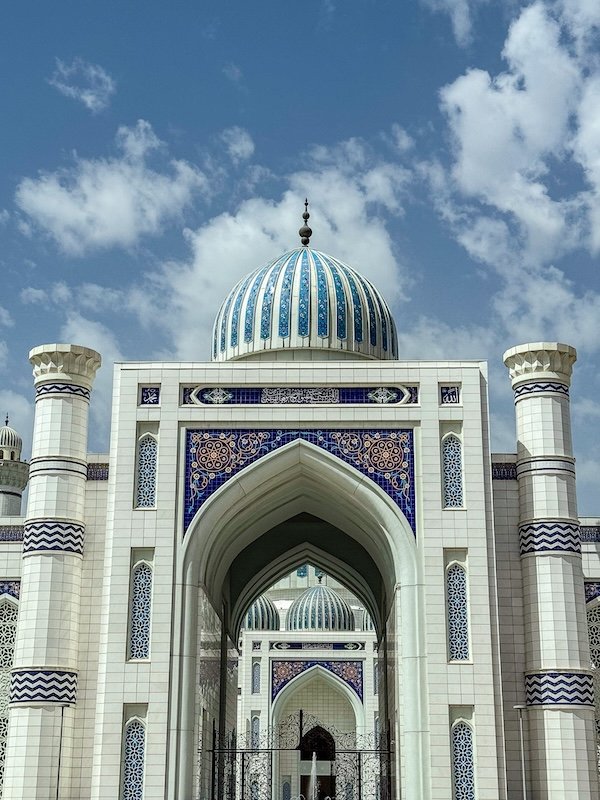 Grandiose mosque. PHOTO WENDY HUNG
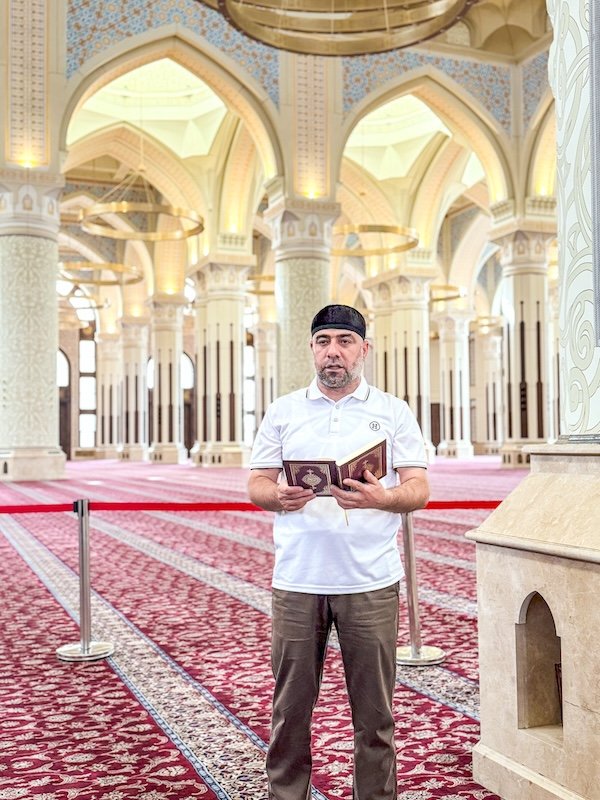 Chanting prayer. PHOTO WENDY HUNG
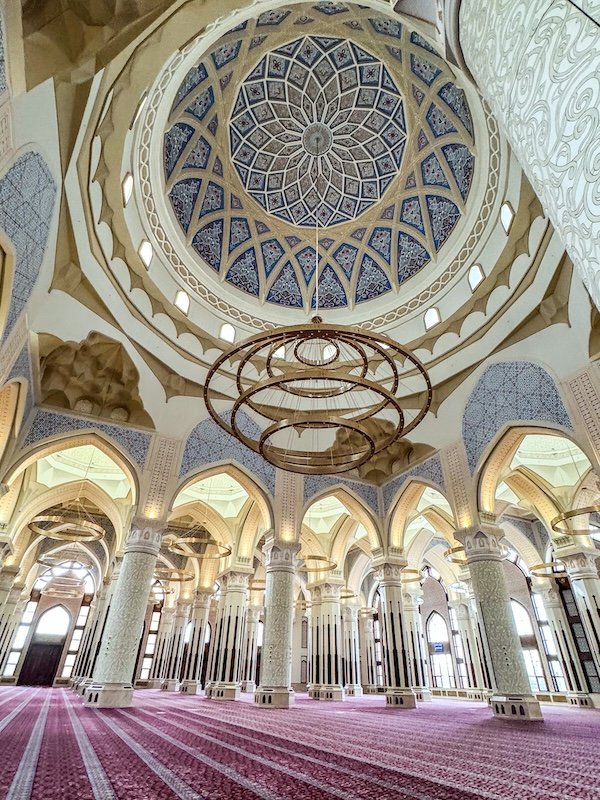 Interior glitz. PHOTO WENDY HUNG
Mehrgon Market
Every city’s heartbeat of food and culture derives from a central market, Mehrgon Market is such a pulse in Dushanbe’s hustle and bustle. Over 10,000 square meters of space as well as over three stories of shops and vendors, Mehrgon Market is a colorful sight of spices, herbs, meats, fruits and local Tajikistanis’ daily interactions.
Inside Islamic architectural elements, travelers can marvel at apples from Garm, rice from Tursunzade, Khatlon region’s almonds, and dried fruits from northern parts of Tajikistan.
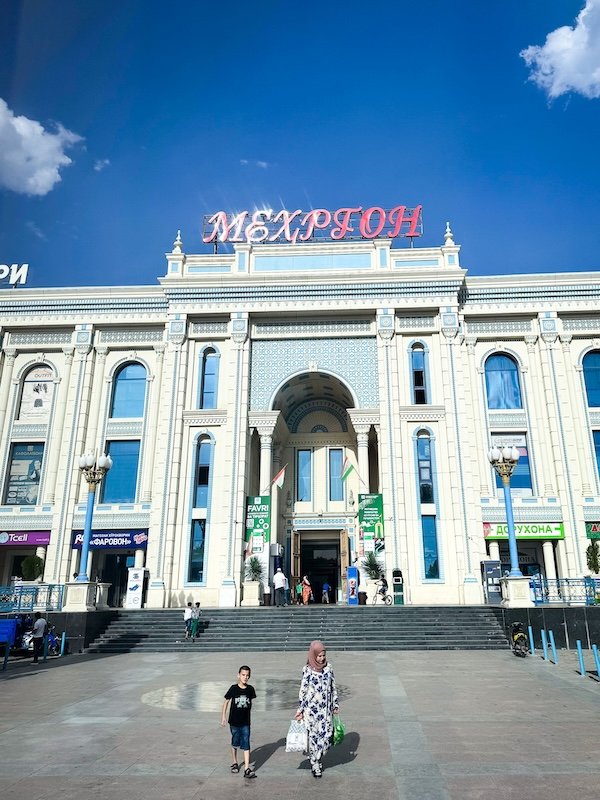 Mehrgon Market. PHOTO WENDY HUNG
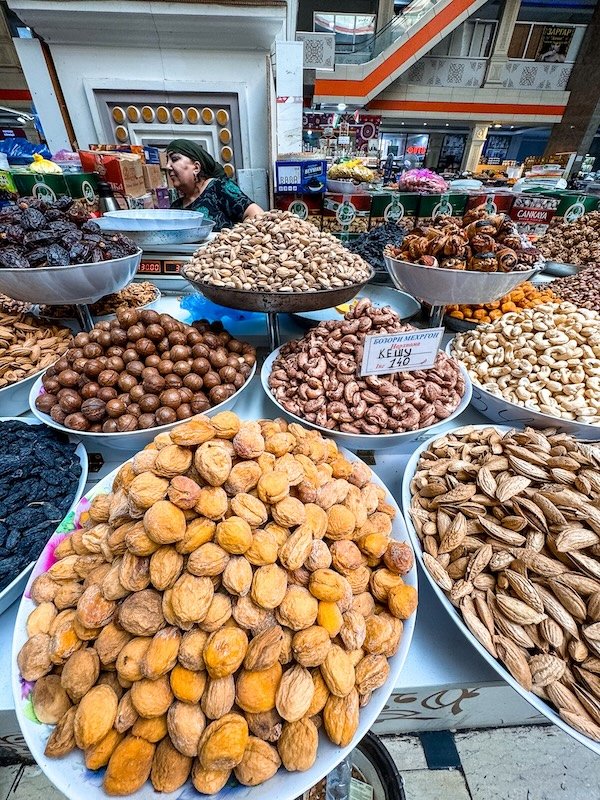 Nuts ‘n things. PHOTO WENDY HUNG
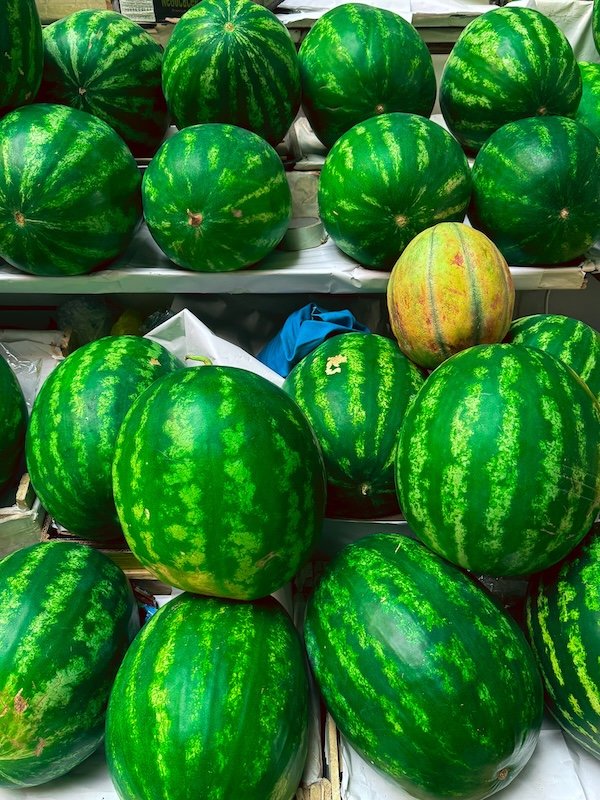 Melons ‘n things. PHOTO WENDY HUNG
National Museum of Tajikistan
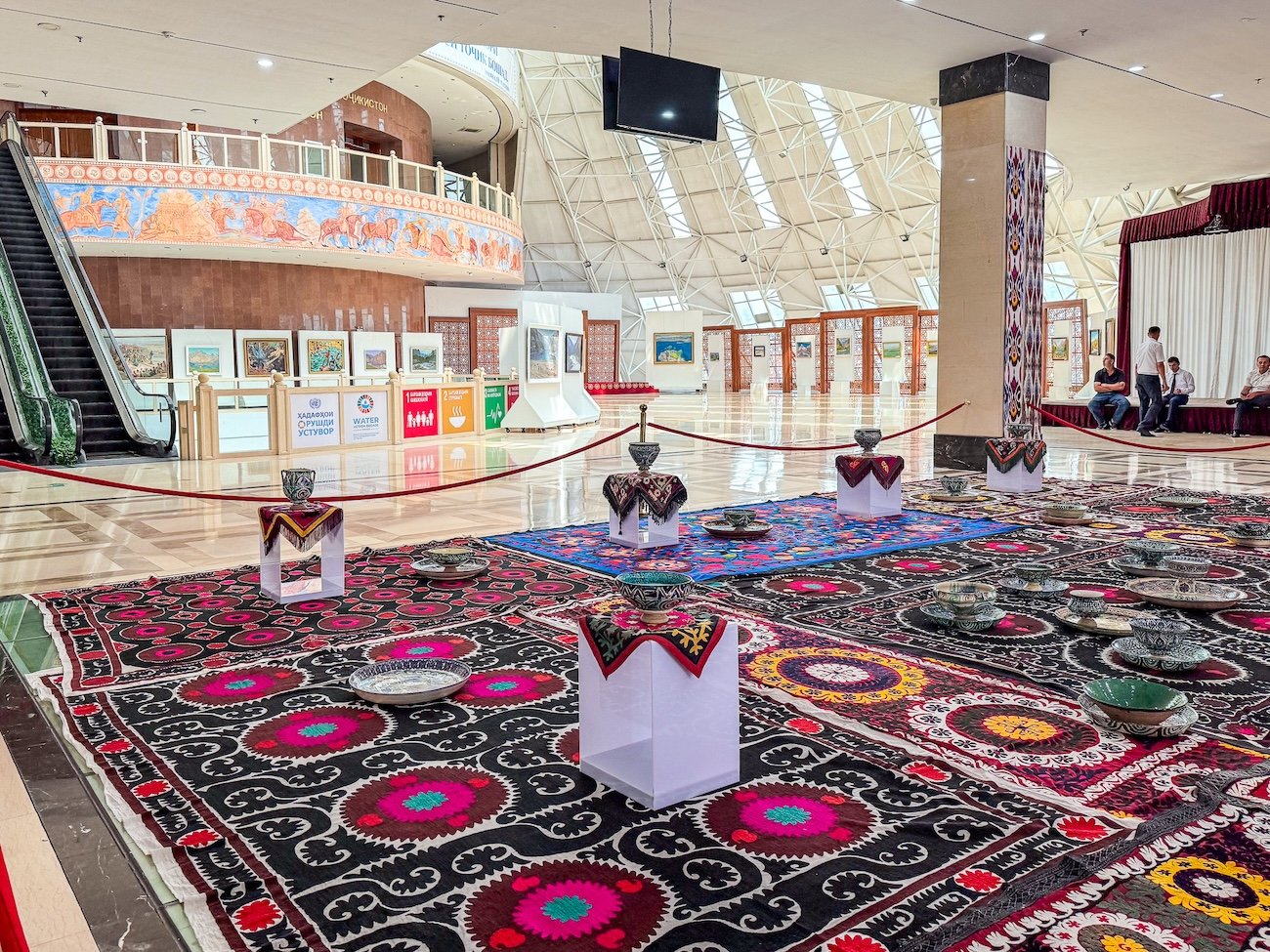 Museum exhibitions. PHOTO WENDY HUNG
National Museum of Tajikistan holds expansive collections that cover natural history, archeology and contemporary fine arts in Tajikistan. It provides an in-depth understanding of resources from the land, like minerals and crystals. There’s an entire section dedicated to animals prevalent in this area, such as the Marco Polo sheep. In addition, there are comprehensives exhibitions of religious art, intricate garments, and ornate copies of the Quran that have been passed down for generations.
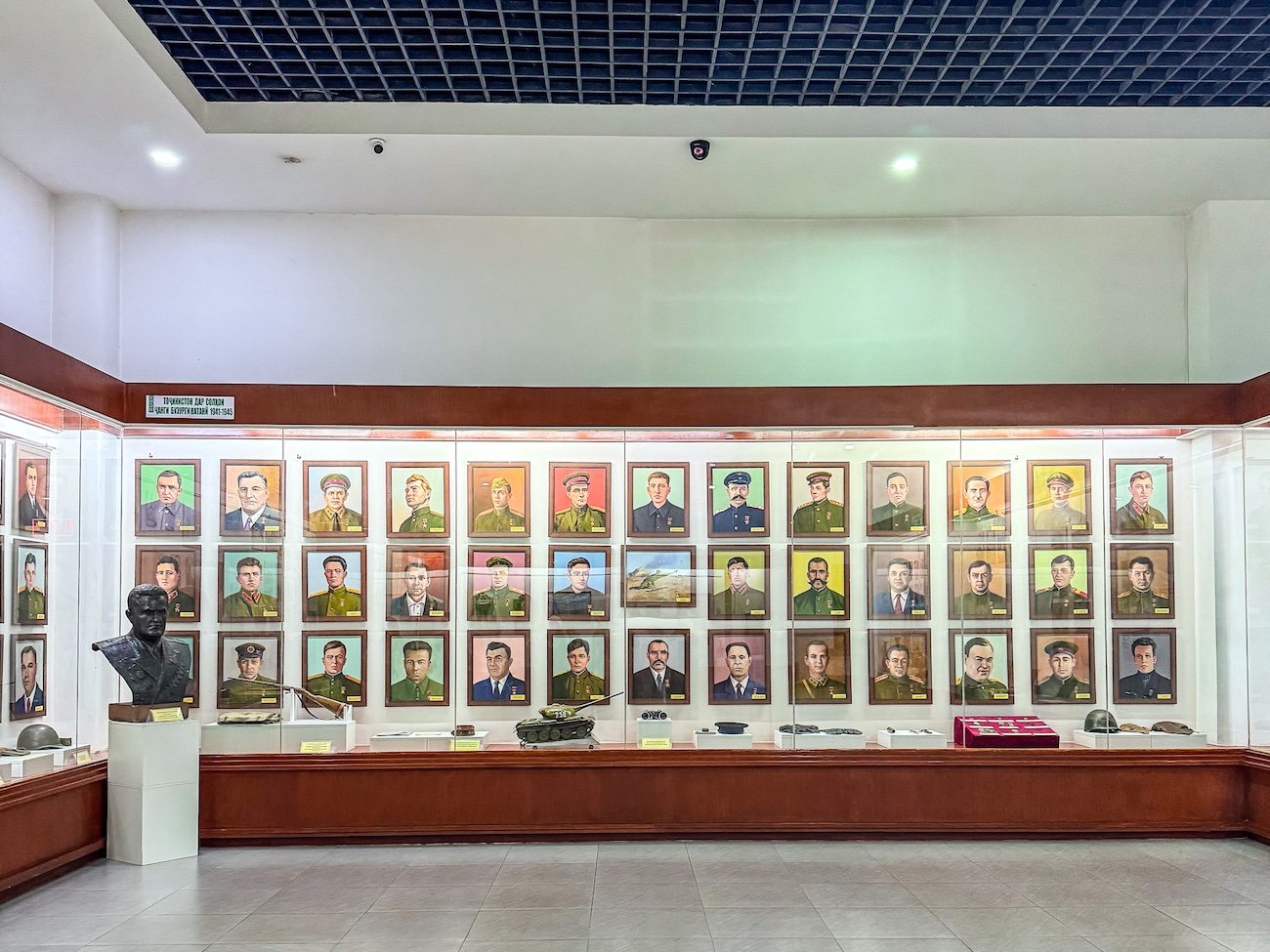 Historical context. PHOTO WENDY HUNG
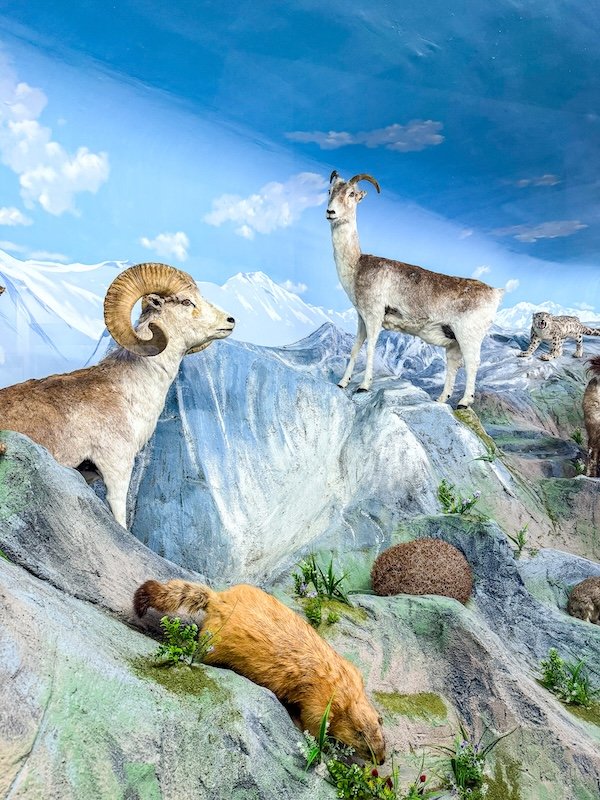 Abundant taxidermy. PHOTO WENDY HUNG
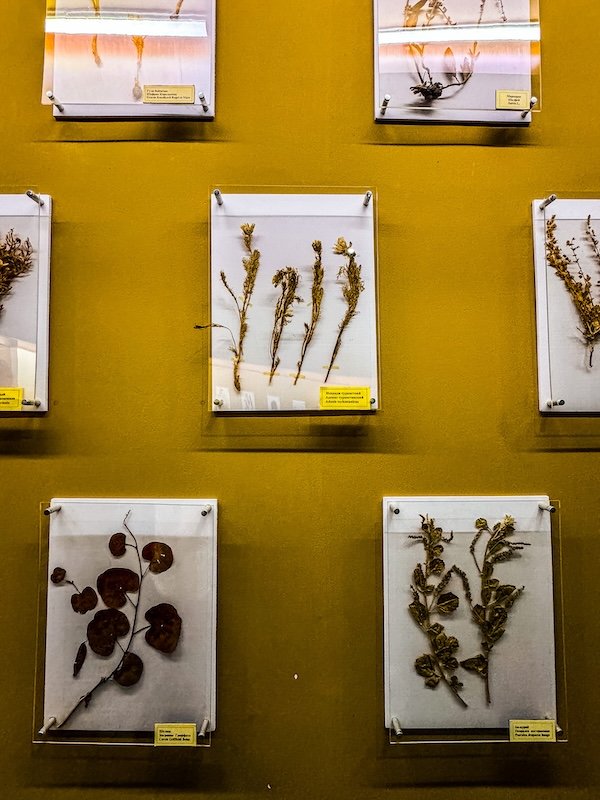 Rooting interest. PHOTO WENDY HUNG
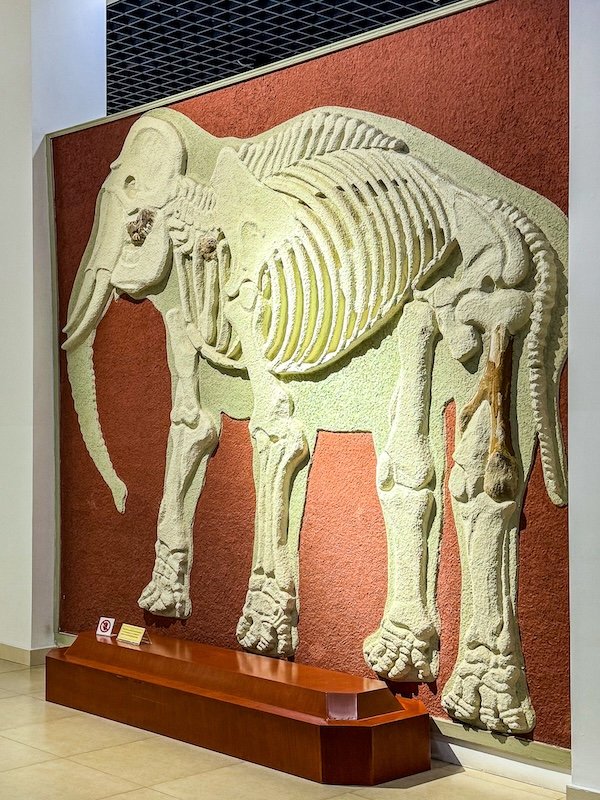 Elephant in the room. PHOTO WENDY HUNG
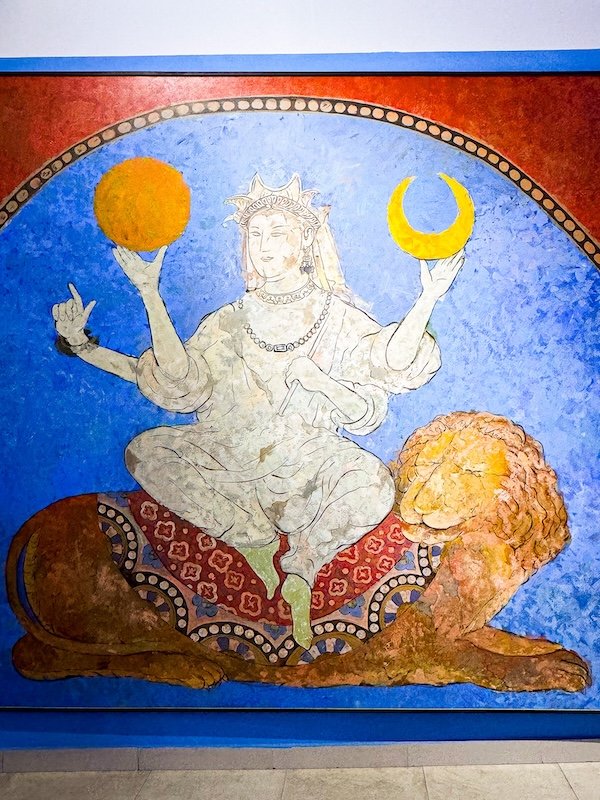 Art inspo. PHOTO WENDY HUNG
Hisor Fortress
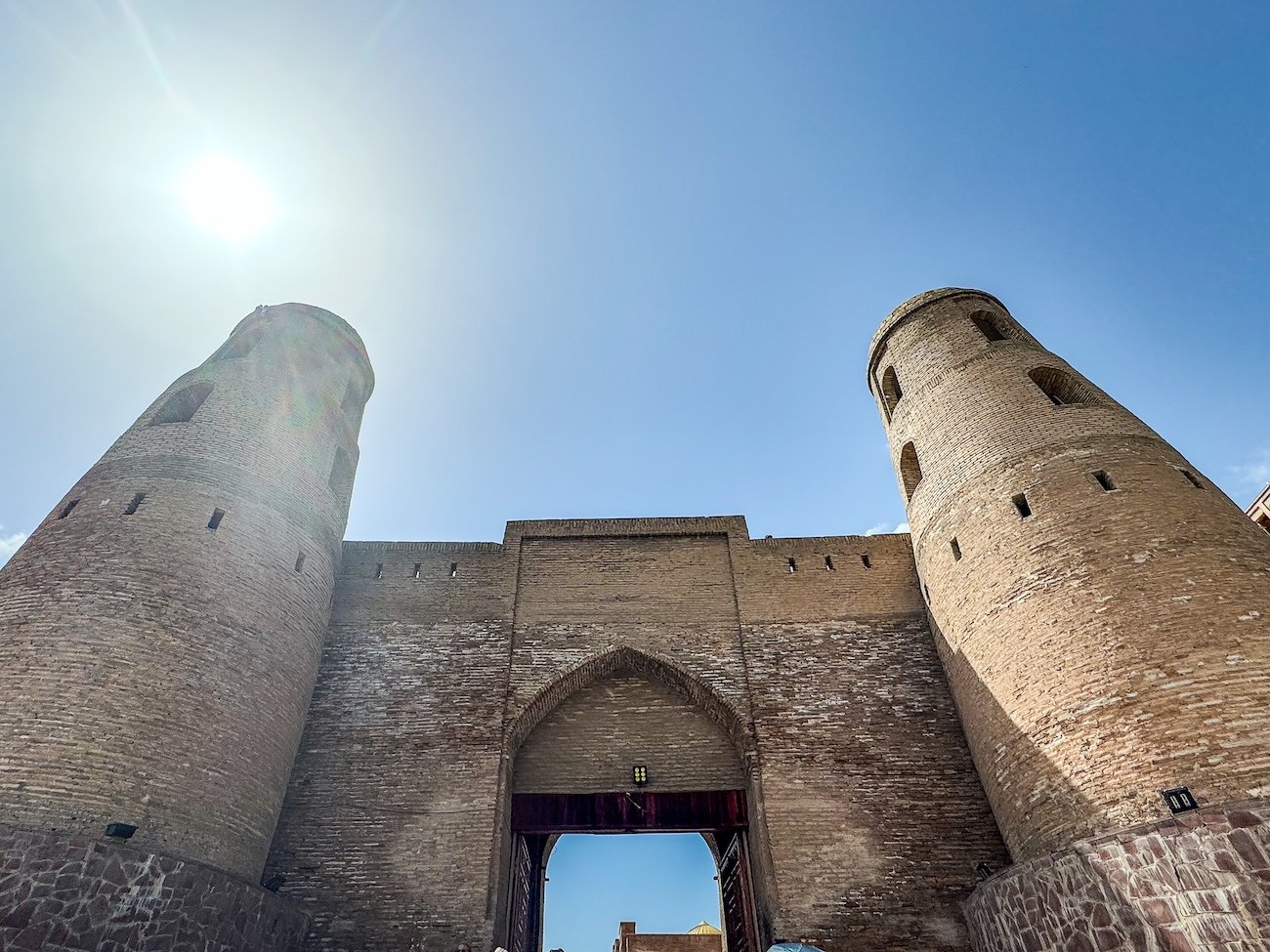 Hisor Fortress. PHOTO WENDY HUNG
For one of the most preserved historical landmarks in Tajikistan, head over to Hisor Fortress, situated on the hilltop. In less than an hour of a car ride outside of Dushanbe, the 2,500-year-old fortress is a throwback to Achaemenid Empire in 500 BC, while numerous emperors and rulers called it home, including: the Mongols, the Arabs and Alexander the Great. The strategic position of the fortress near Khanaka River makes it the perfect hub on the Silk Road, as caravans cruised through surrounding villages.
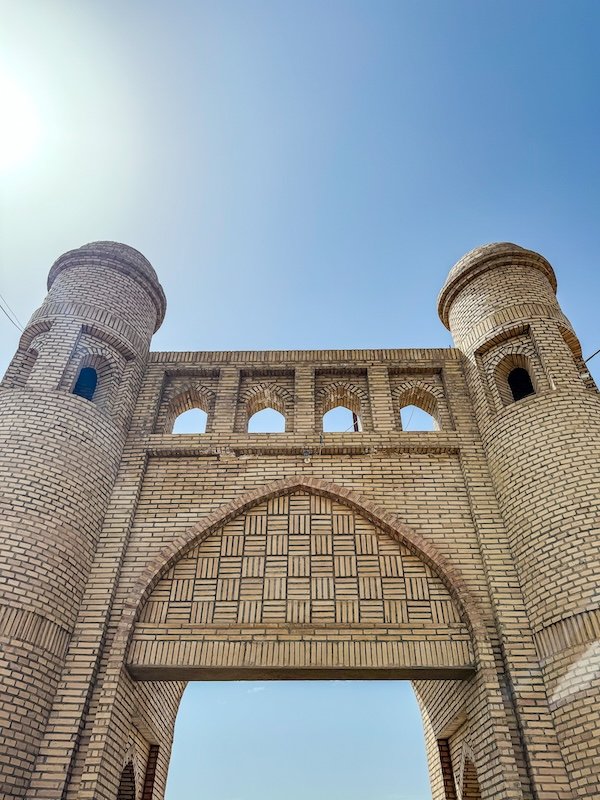 Achaemenid Empire. PHOTO WENDY HUNG
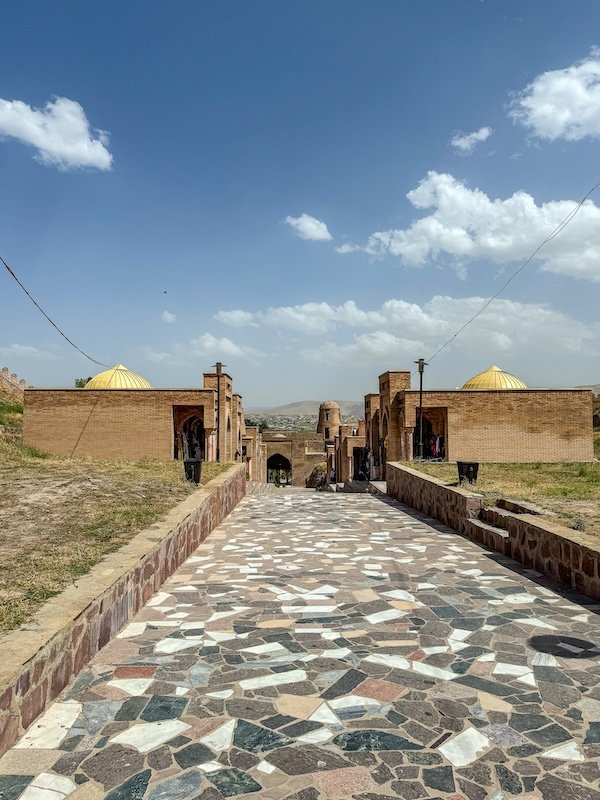 Preserved landmark. PHOTO WENDY HUNG
National Museum of Antiquities of Tajikistan
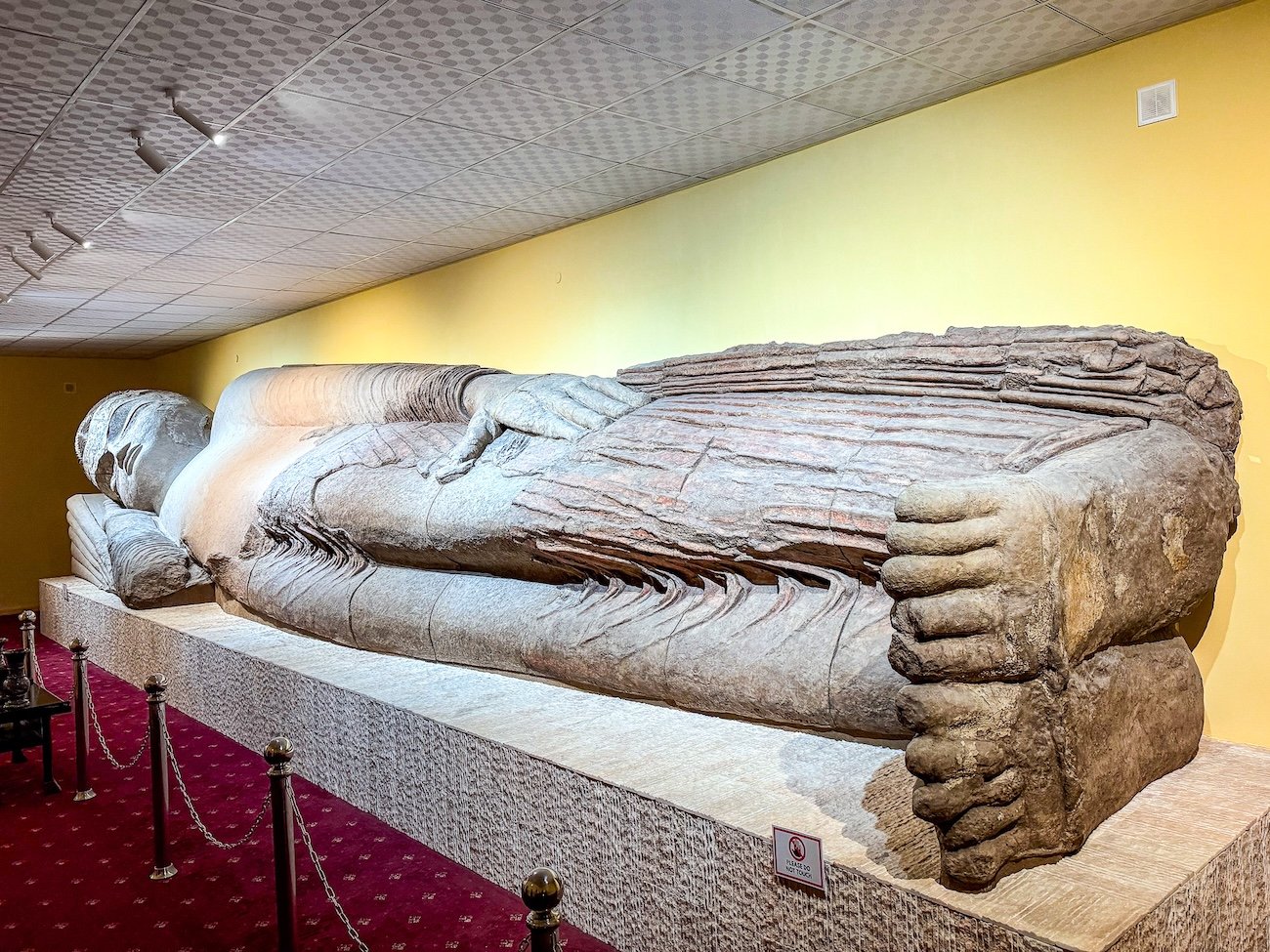 Buddha in Nirvana. PHOTO WENDY HUNG
Museum of Antiquities of Tajikistan is a reflection of the blend of Zoroastrian, Buddhist, Hellenistic, Islamic and Pamir cultures that once existed in this fascinating region.
The two-story building highlights various findings through distinct excavations, with an impressive Buddha in Nirvana – a 13-meter statue of Buddha lying down on his right side. It was discovered during an excavation in the town of Ajina-Tepe during the 1960s.
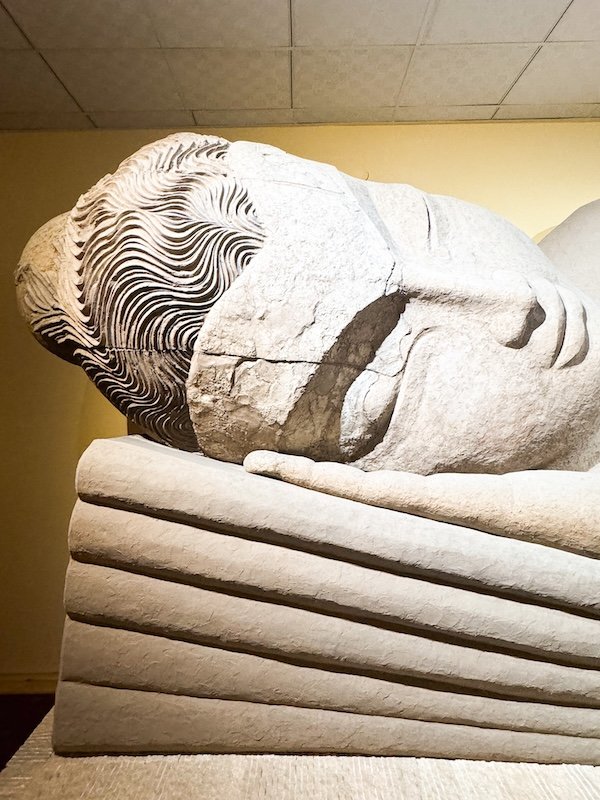 Sleeping Buddha. PHOTO WENDY HUNG
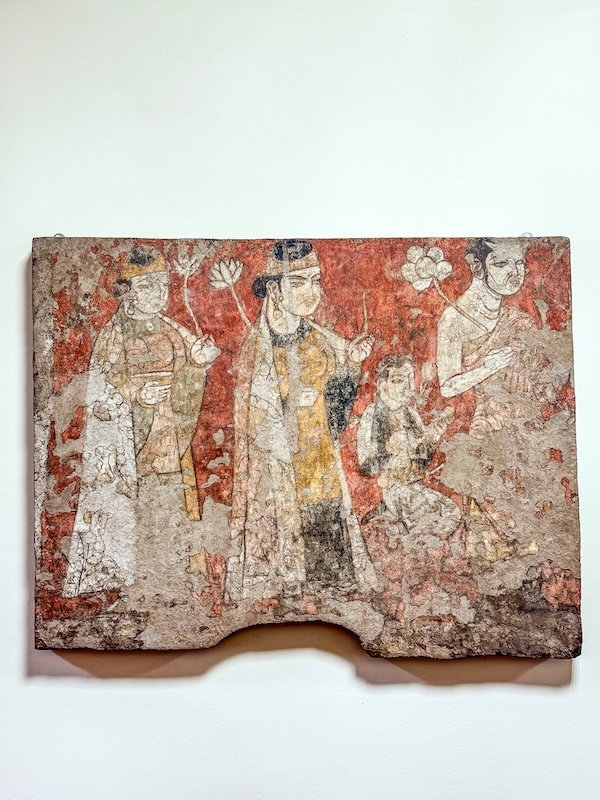 Museum of Antiquities. PHOTO WENDY HUNG
