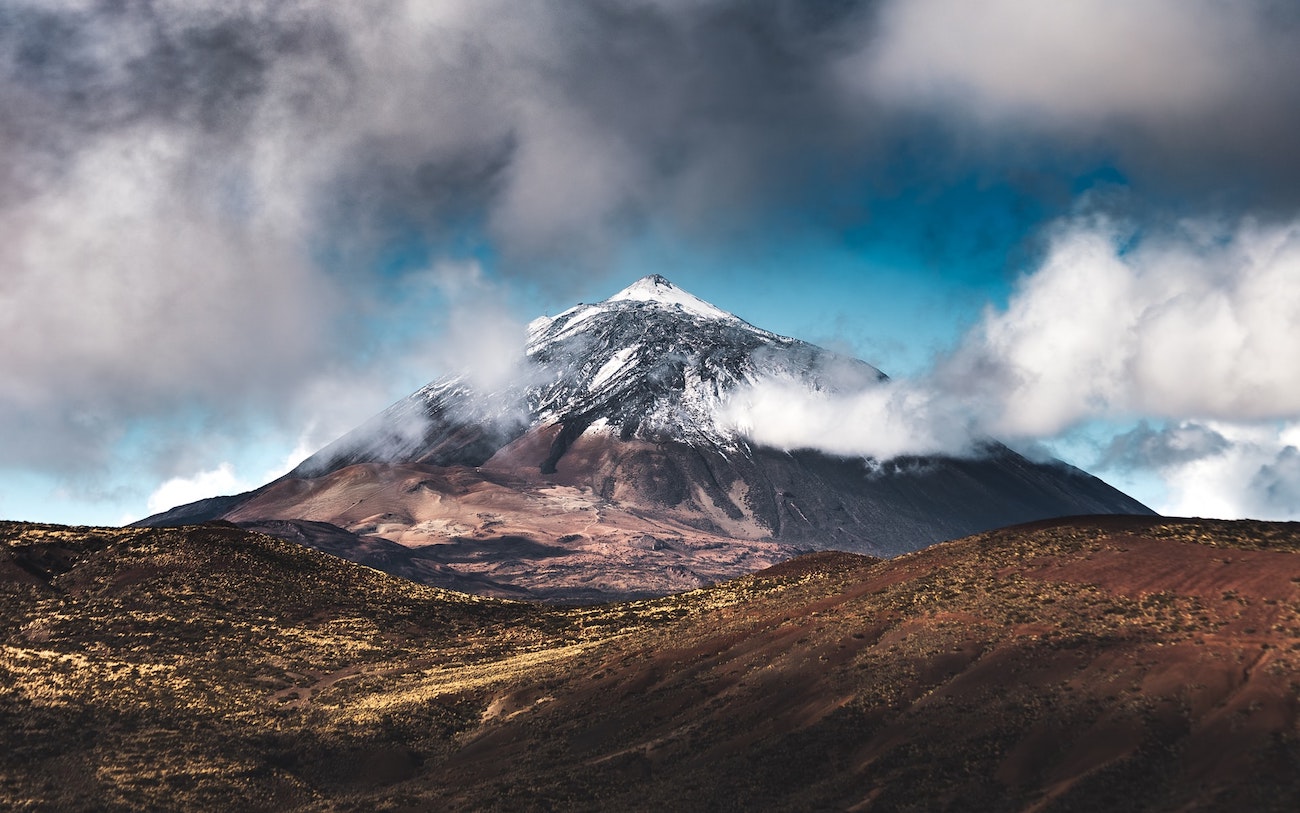
Explore Mount Teide and its amenities with a group or alone.
Mount Teide, a volcano located on Tenerife of Spain’s Canary Islands, is the highest point in the nation. Its formation, which began approximately 170,000 years ago, produced one of the country’s most noteworthy natural attractions. When visiting the volcano, one may enjoy it with a group or alone and appreciate what it has to offer, such as Teide Observatory.
Tours

The Mount Teide Tour with Cable Car Tickets is an approximately 5-hour tour one can take to experience the volcano with an official guide. Travelers can proceed by bus through Tenerife’s forests and villages en route to the island’s most recently erupted volcanoes and also learn how the Canary Islands were formed.
Additionally, one may climb approximately 11,660 feet up Mount Teide and revel in views of Tenerife and other nearby islands. If one desires, they can travel to one of the cable car stations, from which they can take several trails to enjoy views of the island. For example, hikers may appreciate Siete Cañadas and Ucanca Valley from La Rambleta viewpoint, or take trails, including: the La Fortaleza and Pico Viejo viewpoint, to admire views of northern and southern Tenerife, respectively.
Travelers can also take part in the Sunset and Stars tour, which encompasses a cable car ride approximately 11,660 feet up the volcano before taking a trail to the Pico Viejo viewpoint, where one can revel in views of Mount Teide’s 2,625-foot-wide crater and the islands of La Gomera, El Hierro and La Palma, along with the sunset.
Traveling alone at Mount Teide
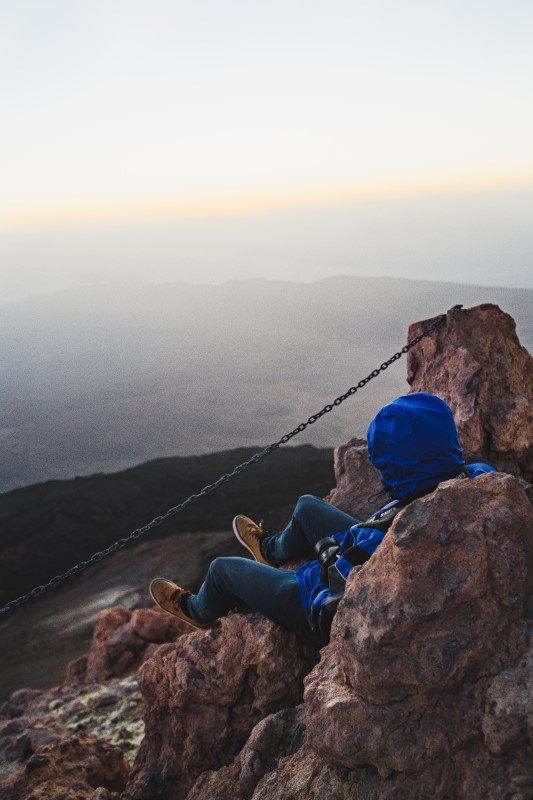
Visitors can also journey Mount Teide alone, and see Siete Cañadas, Ucanca Valley and Tenerife’s nearby islands. Additionally, solo travelers can take the Telesforo Bravo trail to Mount Teide’s summit at approximately 12,198 feet in the air. It is important to note that one must apply for a permit to hike this trail months in advance.
Solo explorers may also experience the sunset from Mount Teide by riding an exclusive cable car approximately 11,660 feet up the volcano to enjoy the view, and if they wish, take the Pico Viejo viewpoint trail to see some of the lava that poured out from the volcano’s eruption in 1798, which lasted three months.
Conclude the night by stargazing from Mount Teide, one of the top places in the world to take in the night sky.
Teide Observatory

Visitors can see the starry sky at Teide Observatory as well, an institute which has contributed to science through its telescopes. Interestingly, the observatory’s IAC-80 telescope discovered the first brown dwarf, named Teide-1, and houses telescopes owned by over 60 institutions from 19 countries.
At the Teide Observatory, patrons have the opportunity to learn about the different telescopes and the electromagnetic spectrum, watch a timelapse video of the starry sky and view the sun through two of the institute’s telescopes during a guided visit. Additionally, they can explore the building’s three different areas, which are dedicated to nocturnal, microwave and solar telescopes.
After exploring the Teide Observatory, along with the volcano’s many trails and viewpoints, one will have engaged in the natural splendor of Tenerife, although participating in just one of the national park’s activities will guarantee the creation of unforgettable memories.