
Discover this capital city’s longstanding history with these quintessential things to do in Madrid.
Madrid’s roots trace back to the 9th century. Emir Muhammad I is recognized for founding the city with his Arab influence which can still be seen today. In the Cuesta de la Vega neighborhood, parts of former old town walls, which enclosed the citadel, are still standing today.
From its vast parks and grand palaces to iconic museums and bustling markets, there is a lot to uncover in this world-renowned destination. For centuries, Madrid has inspired countless travelers and authors for a reason. History buffs are guaranteed to adore everything this stunning city has to offer.
View this post on Instagram
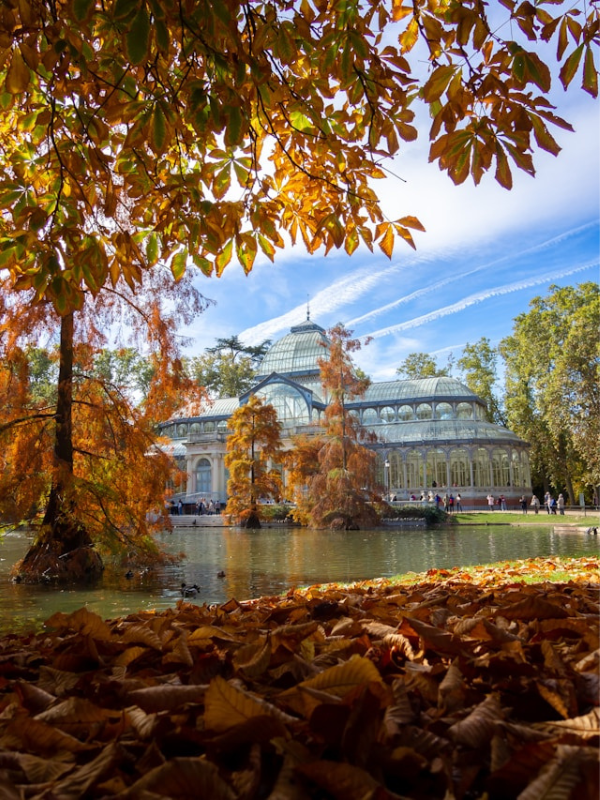
El Retiro Park
El Retiro Park is a sprawling green oasis in the heart of Madrid. With over 125 hectares to explore, don’t miss Crystal Palace and Velázquez Palace, both used as exhibition halls of the Reina Sofía Museum. Crystal Palace is a romantic pavilion created to accommodate an exhibition of exotic plants during the 1887 Philippine Exposition, and it’s a well-known example of iron architecture in Spain. Madrid’s oldest tree can be found here, an over 600-year-old centenary olive tree. Make sure to check out Paseo del Prado – a UNESCO World Heritage Site.
Museo Nacional de Prado
Juan de Villanueva designed the Museo Nacional del Prado in 1785, since then, it has become one of the most famous art museums in Madrid. Here, masterpieces by Goya, Velázquez, El Greco, and Titian can be admired. Its vast collection spans from 12th to early 20th century, displaying the journey European art has taken over time. It was originally built to be used as a house of science but ultimately transformed into a museum to store royal paintings. SEE MORE: A Breakdown Of The 202-Year-Old Museo Nacional Del Prado.
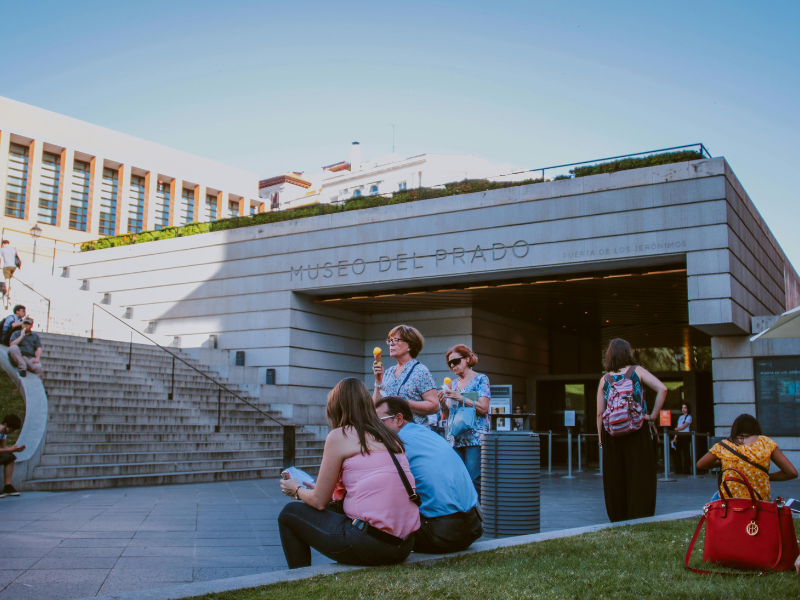 Photo by Luis Quintero on Pexels
Plaza Mayor
The Plaza Mayor was constructed in the 16th century by Architect Juan de Herrera and has hosted everything from bullfights to public executions. This rectangular Baroque-style plaza is surrounded by three-story residential buildings with charming balconies, and it is filled with cozy cafés and shops. Over time, Plaza Mayor has grown to be a popular hub for both locals and travelers to spend quality time with loved ones.
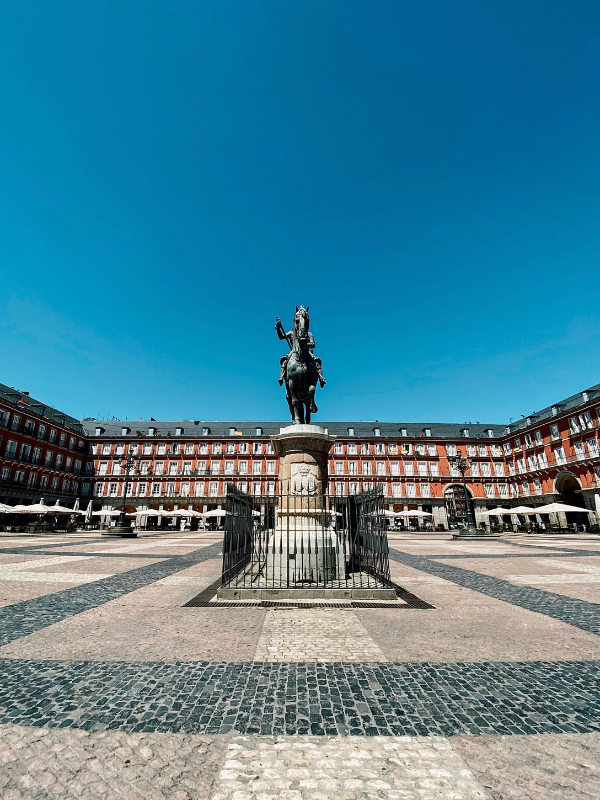 Photo by Kai Lago on Pexels
Mercado de San Miguel
For a taste of Madrid’s iconic gastronomy, head to Mercado de San Miguel. Situated a short walk from Plaza Mayor, this historic market is a foodie paradise. Inside the beautiful iron-and-glass structure, you’ll find a wide variety of gourmet food stalls offering everything from fresh seafood and Iberian ham, to delectable pastries and tapas. Open for over 100 years, it’s the perfect way to sample Spanish cuisine.
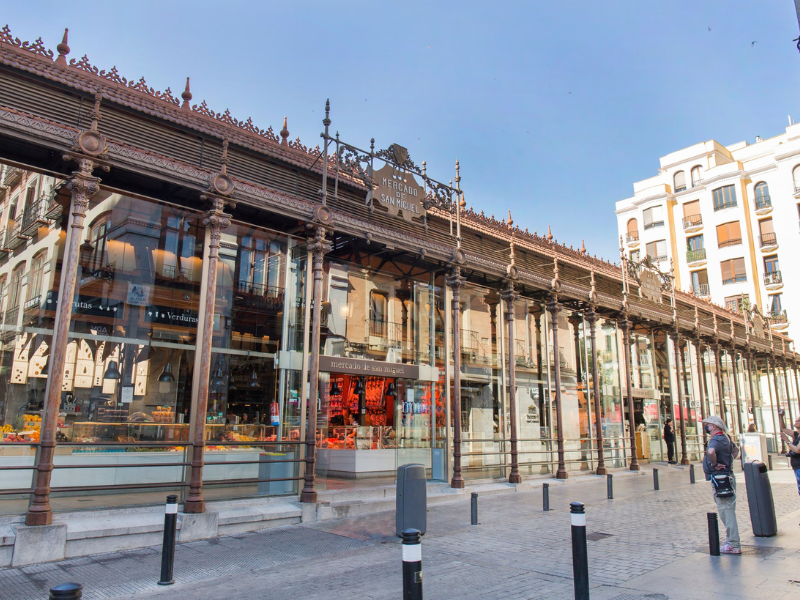 Photo by Mercado de San Miguel Facebook

Royal Palace of Madrid
The Royal Palace of Madrid is a stunning example of Baroque architecture. Its structure sits on what used to be a Muslim fortress built by Emir Muhammad I of Córdoba during the 9th century. It’s the Spanish Royal Family’s official residence, although in recent years it’s only used for state ceremonies. Considering it’s one of the largest palaces in Europe, there are over 3,000 rooms with lavish décor, an extensive art collection, and lush gardens.
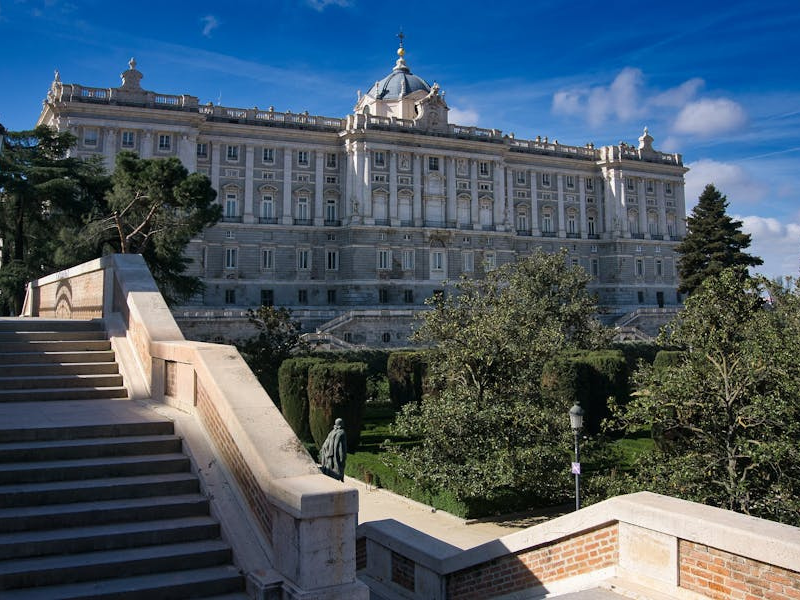 Photo by JOSE GALLARDO on Pexels
Catedral de Santa María la Real de la Almudena
The Catedral de Santa María la Real de la Almudena is Madrid’s grand cathedral, located across the Royal Palace. This impressive Neo-Gothic structure stands on the former Grand Mosque or souk, as found in many Muslim districts, taking over a century to complete and was consecrated by Pope John Paul II in 1993. It features a mix of architectural styles, a beautiful interior with modern stained glass windows, and a museum which offers insights into its history. Visitors can also access the dome for stunning panoramic views of Madrid.
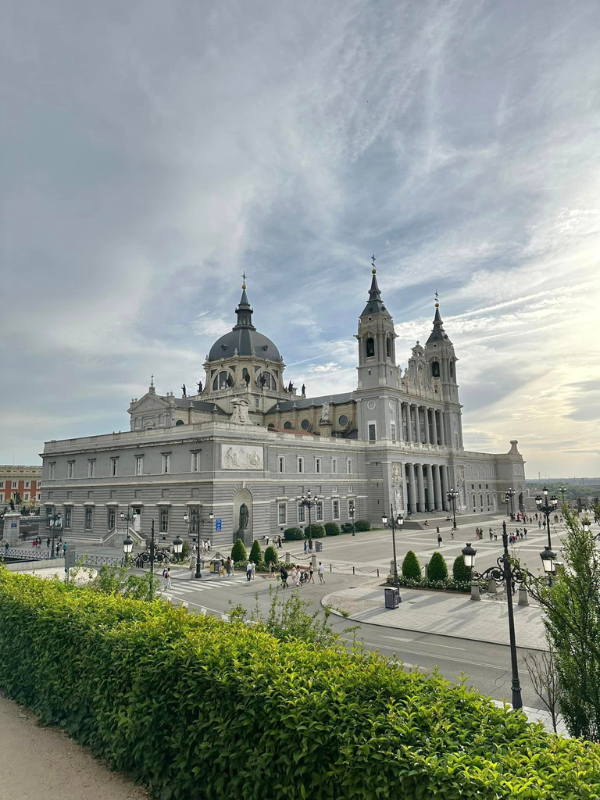 Photo by Christian Albert Gaza /Facebook
Temple of Debod
The Temple of Debod is an ancient Egyptian temple that was gifted to Spain in 1968 as a token of gratitude for Spain’s help in saving the Abu Simbel temples. Located in Parque del Oeste, Temple of Debod is believed to have been the sacred site where Isis gave birth to Horus – a sky god. It’s also recognized for being one of the oldest buildings in Madrid. Visitors can explore its well-preserved interior and enjoy panoramic views of Madrid, especially at sunset when the temple is illuminated.
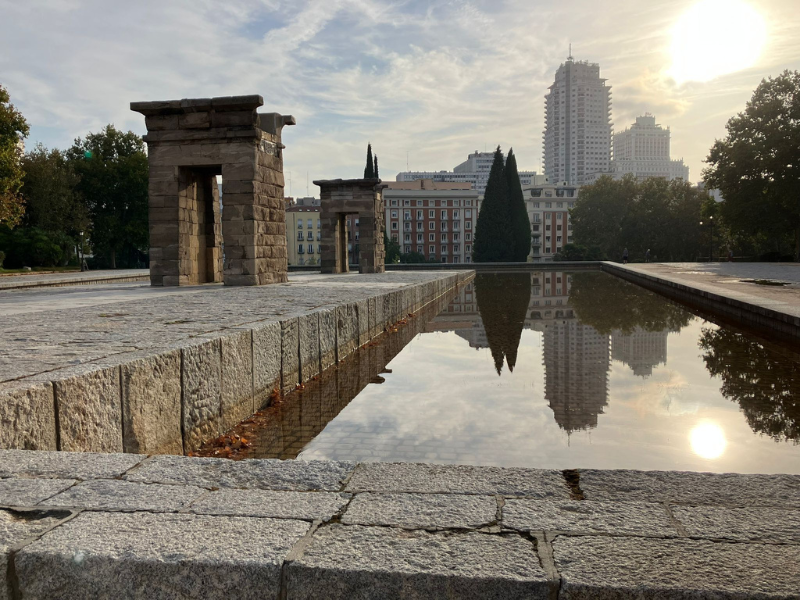 Photo by Temple of Debod Facebook
Sorolla Museum
Dedicated to Joaquín Sorolla’s work, one of Spain’s most celebrated painters, the Sorolla Museum is housed in the artist’s former home and studio. The museum’s collection includes Sorolla’s vibrant paintings, personal belongings, and decorative objects. The house itself is a charming example of early 20th-century architecture, complete with a garden that reflects Sorolla’s love for Mediterranean light and landscapes.
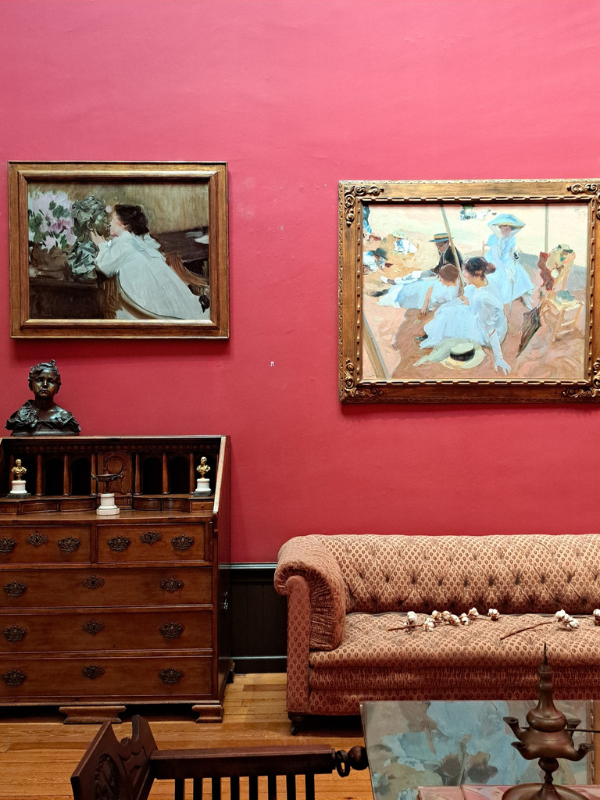 Photo by Sorolla Museum Facebook
National Archaeological Museum
The National Archaeological Museum was founded in 1867 by a Royal Decree of Isabella II as a way to store archaeological and decorative art collections of Spanish monarchs. This establishment houses one of the world’s most important antique collections from prehistory to 19th century. Here, Greek ceramics, Visigoth votive crowns and Spanish Islamic ivories can be admired. Make sure to examine Lady of Elche, who is believed to have been a goddess or queen.
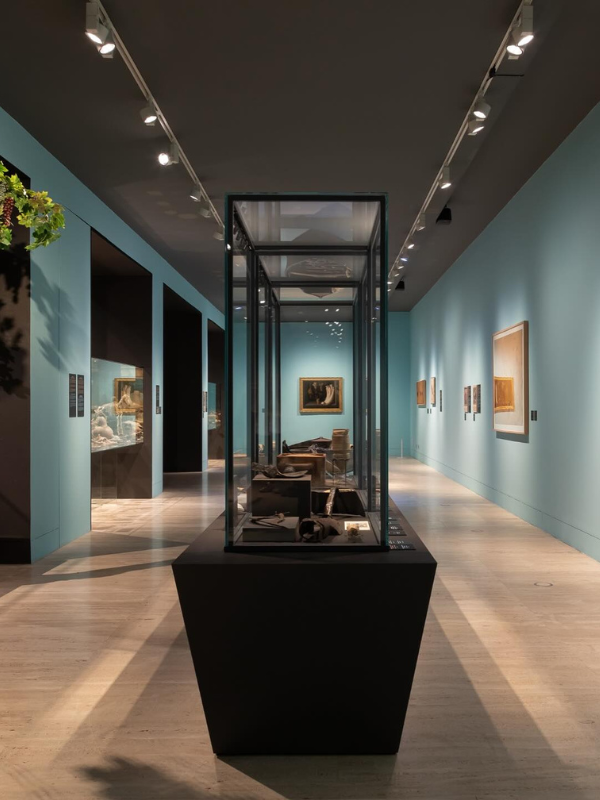 Photo by National Archaeological Museum Facebook
Museo Nacional Centro de Arte Reina Sofía
The Museo Nacional Centro de Arte Reina Sofía is home to an impressive collection of 20th-century art, including works by Picasso, Dalí, and Miró. There is Picasso’s “Guernica,” a powerful black-and-white surrealistic masterpiece that depicts the violence of war. The museum also hosts a wide variety of temporary exhibitions, workshops, and cultural events to keep an eye out for.
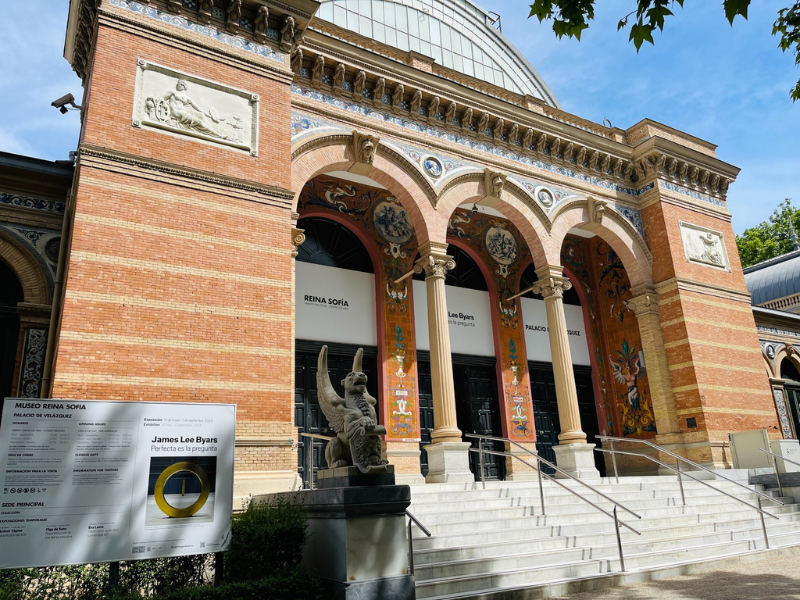 Photo by Museo Nacional Centro de Arte Reina Sofía Facebook
Gran Vía
Gran Vía is a bustling avenue lined with emblematic buildings, retail stores, and restaurants for all budgets. Make sure to admire the iconic Metropolis Building and the Telefónica Building. It’s often compared to Broadway or Oxford Street for its opulent look and vibrant energy. Gran Vía was built to decongest the city center and showcases early 20th-century architecture styles such as Neo-Mudéjar, Neoclassical, Art Nouveau, and Art Deco.
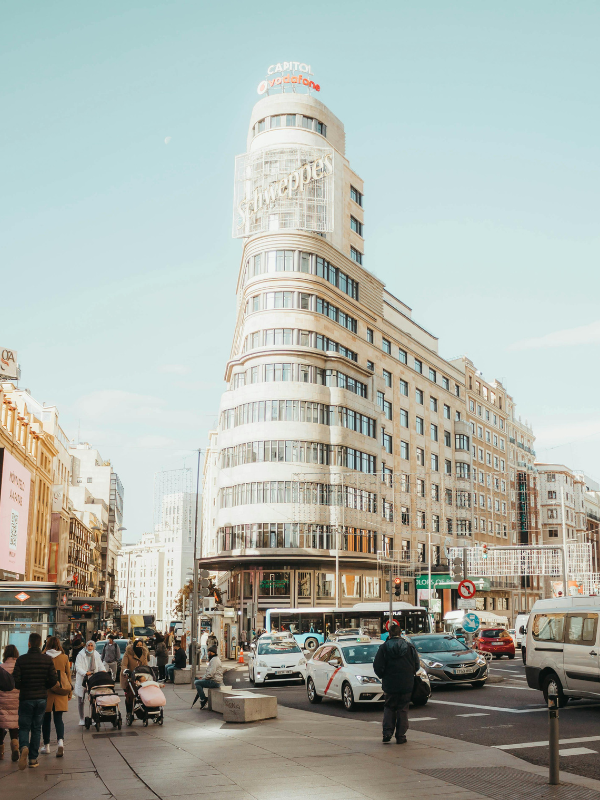 Photo by Jose Vasquez on Pexels
