Everyday, Tsubata was blanketed by a sheet of calm.
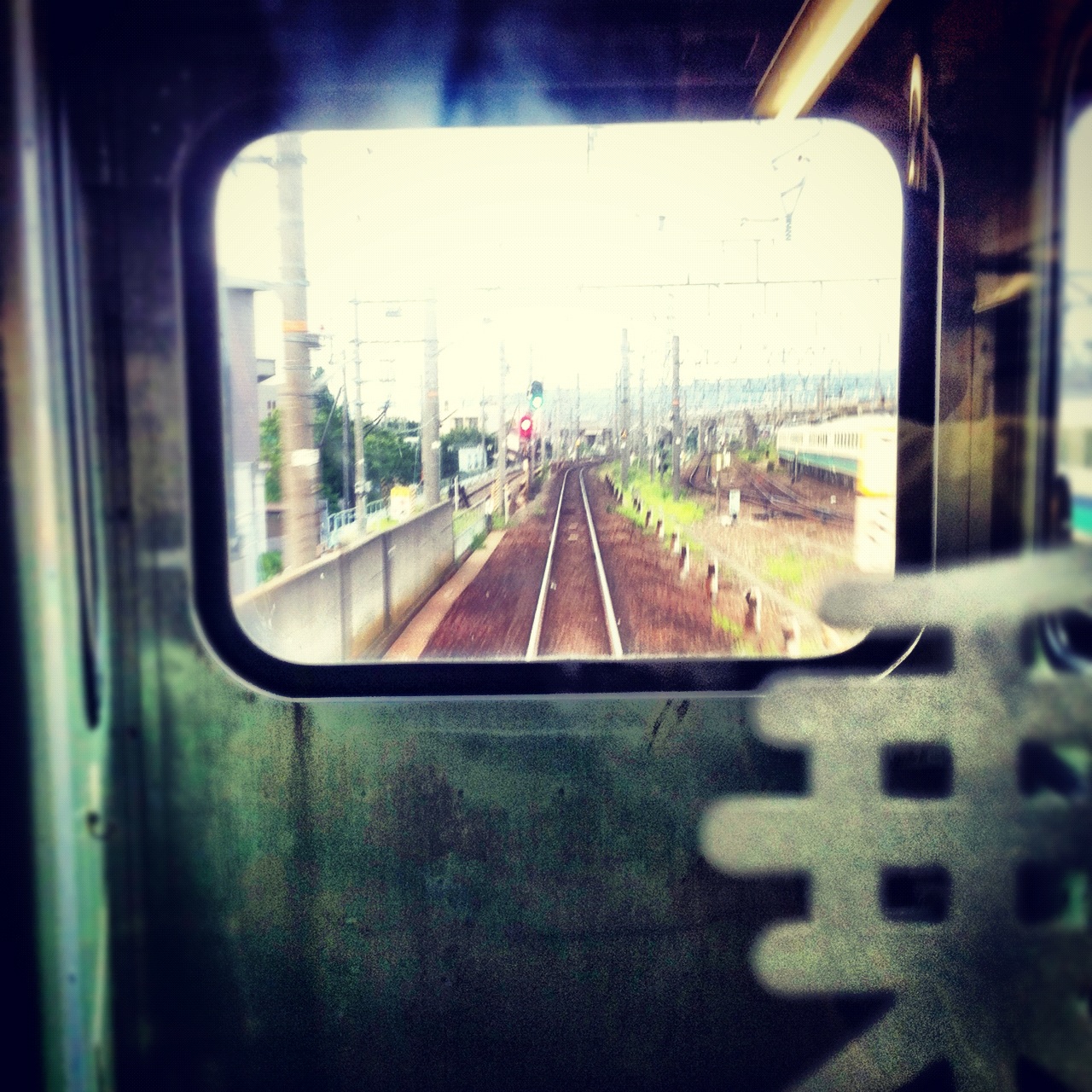
The Japanese countryside in Ishikawa is largely silent. Of course, for a prefecture known for its sushi conveyor belts, fish and elderly population, you would expect such a quiet scene. Drivers do not honk, electronic cars are of the majority, even the trains that whizz past every half hour seem quieter than usual. In comparison to the Japan we all know from music videos, there really is no youthful buzz in Ishikawa – no lights shouting for your attention, no flashy teenagers sporting the newest fashion. Everyday, Tsubata was blanketed by a sheet of calm.
Nevertheless, every evening at 9pm sharp, a children’s tune would tinkle through Tsubata. Imagine the tunes that play from children’s toys – that singular, major melody; simple, forgettable, but curiously ‘happy’. Having that tune ring out in the middle of the evening certainly caught me off guard. Confused, I went downstairs to ask my host-mom. Apparently, the same tune would play every night from the police speakers that were dispersed throughout the countryside. She herself wasn’t so sure why the police would play the same tune at that time, but she did tell me how in her childhood, every time the song would play, her mother would get the children ready for bed. Maybe the tune was supposed to be some sort of curfew warning, a timekeeper of sorts. Nobody really knew. It was just 九時の歌, “9 o’clock song”.
After that evening tune, I kept an ear out for the many other sounds that filled Japan, and several observations come to mind. First is the absence of annoying sounds. The ominous voice that commands the elevator door is sweet and timid. The arrival of the train is announced not by a beeping sound but another docile children’s tune. Even the seatbelt alert in the car is easy on the ear. Perhaps that’s just how it is here in the countryside.