It is this service that seems to be what distinguishes Japan as a tourist destination.

There are those who believe that the best hotel is the home away from home, but that is hardly ever the case. After all, if the customer were looking for a home away from home, he would never have left home in the first place. In that sense, the hotel’s mission is to provide something extraordinary, something the home cannot provide. My experience at Kagaya, the top rated ryokan (Japanese inn,) was nothing short of so.
Beyond the hot springs, raw eggs and clients shuffling around in traditional Japanese yukata (Japanese summer kimono,) what distinguishes the Japanese ryokan from Western hotels is the service. From the experienced nikai-san (room maids,) to the young trainees moving your luggage in the lobby, the operation was meticulously planned out, thorough, and precise. It was not a surprise that we foreigners to the country were mind-blown.
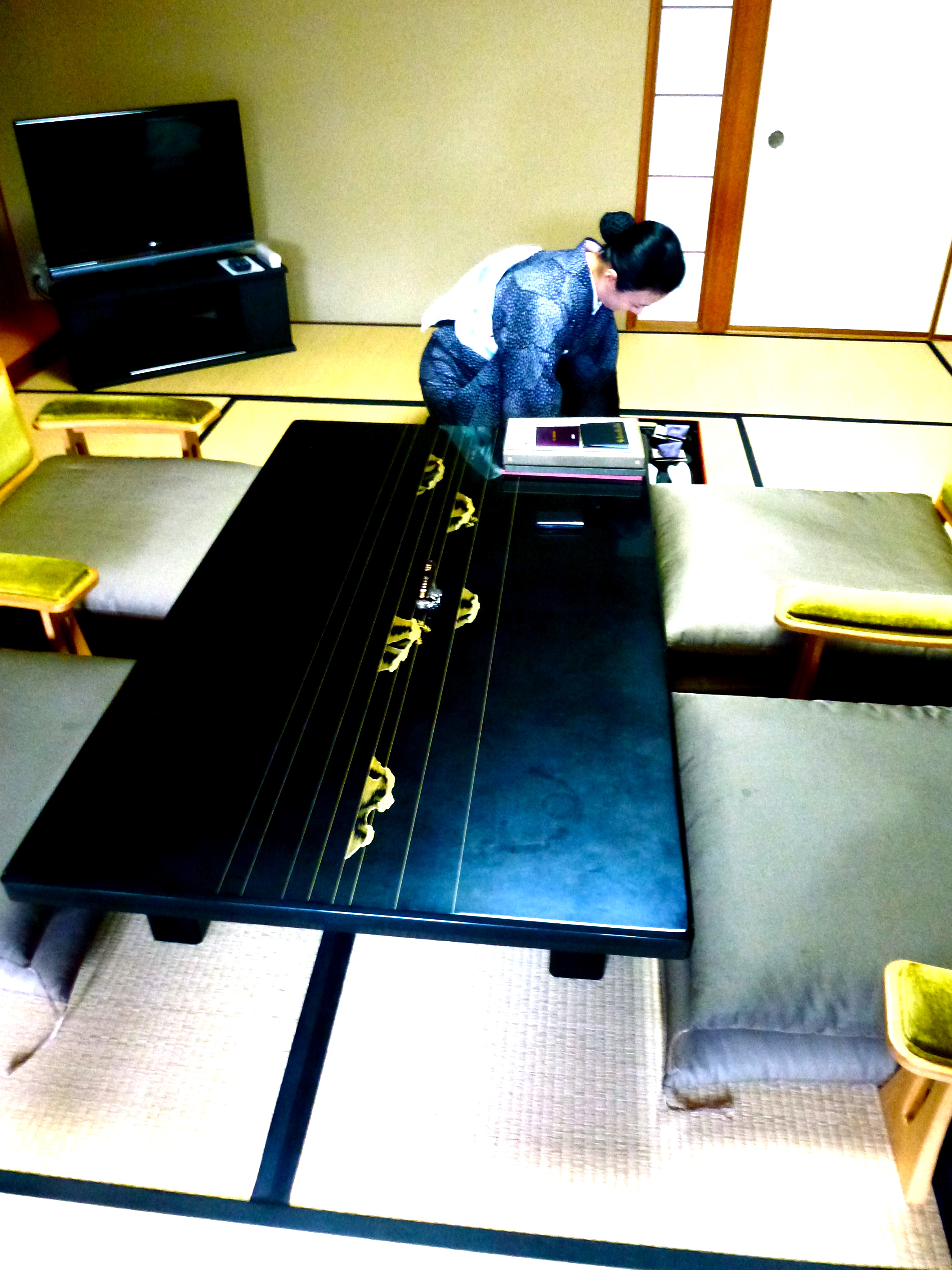
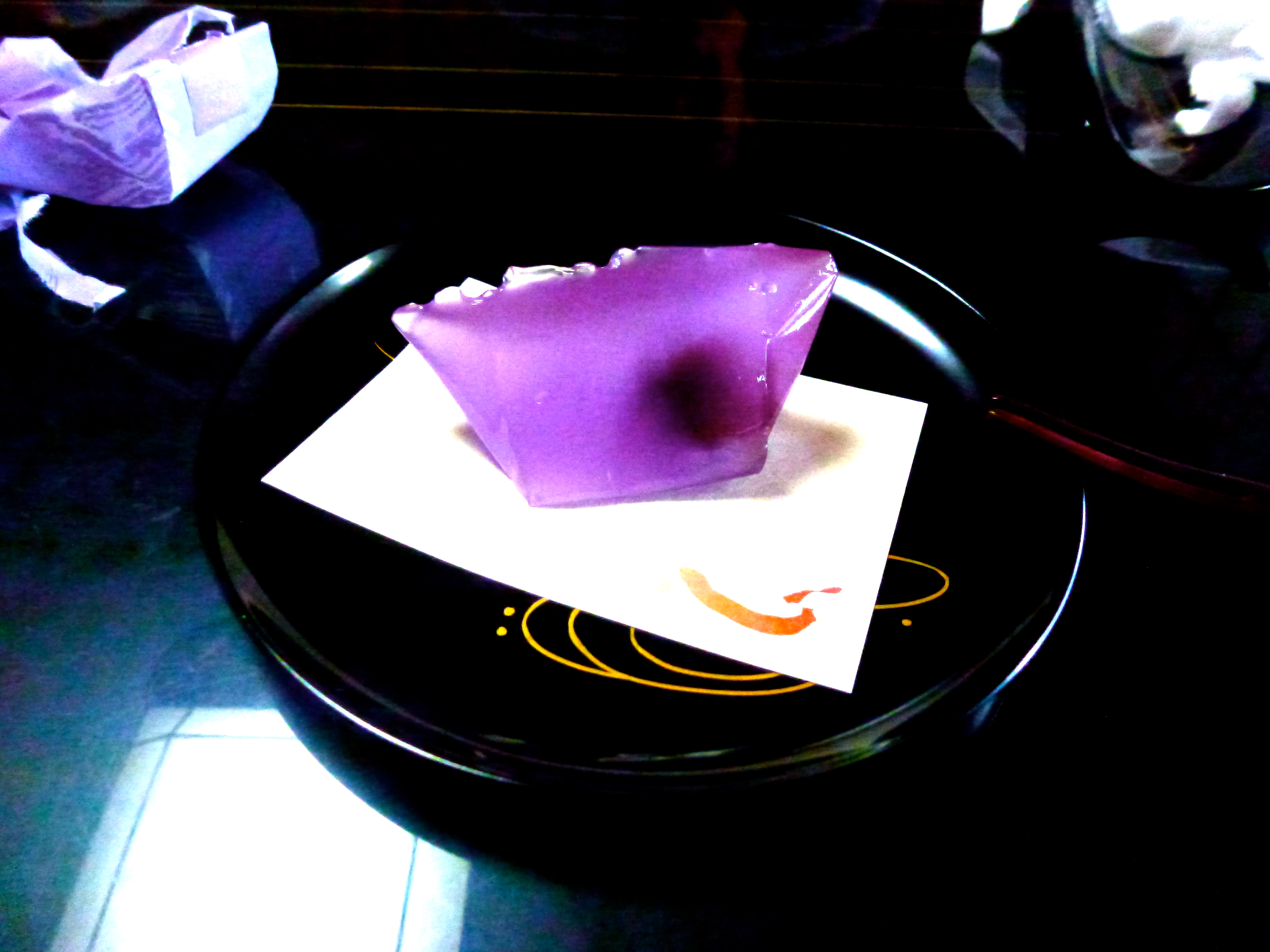
When we arrived, the entrance was lined with a corridor of nakai-san tucked immaculately in kimonos, the managers in suits were directing the bus to the front of the establishment, and carts were drawn out for our luggage and our umbrellas. When our rooms were shown, we were ushered to our seats, for a Japanese tea ceremony complete with azuki bean sweets and painful feet. Even when we were putting on our yukatas, our nakai-san stayed with us for 30 or so odd minutes to fix our slipping sashes. This is all before the welcome party, where they played J-pop, poured Ramune (a carbonated soft drink,) served chocolate dipped bananas, and handed out flashing Minnie Mouse ears.
There are so many things about Kagaya that make it the best ryokan in Japan, but what stands out the most is, without a doubt, the service. Indeed, it is this service that seems to be what distinguishes Japan as a tourist destination – the ceaseless attempt to craft a remarkably Japanese experience for the outsider.