Carnevale has unique origins and traditions in many Italian towns, including: Venice, Viareggio and Ivrea.
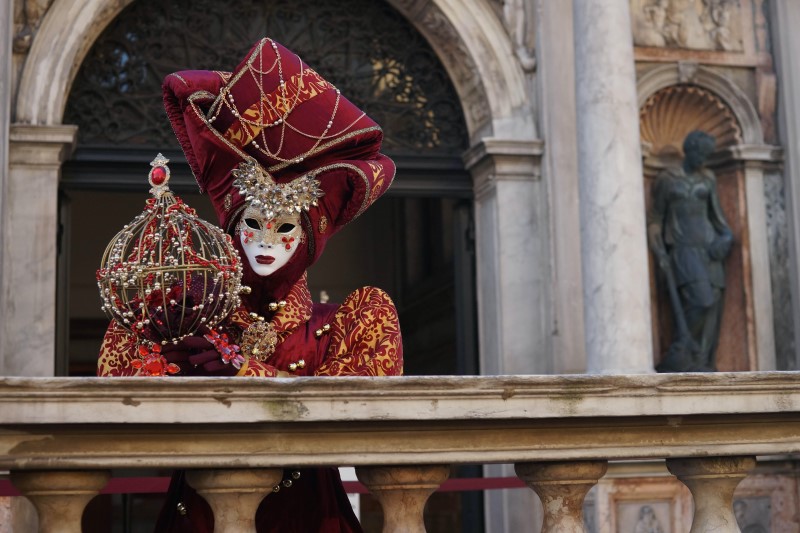
With origins that date back thousands of years, Carnevale is a festival that has been celebrated in various ways. Originally held to honor nature’s rebirth, the gala has a rich history worth exploring. In anticipation of Italy’s next celebration, which will occur this fall and winter, a time when the coronavirus disease (COVID-19) pandemic may be over, here is a breakdown of the festival and its composition in several Italian cities:
History of Carnevale
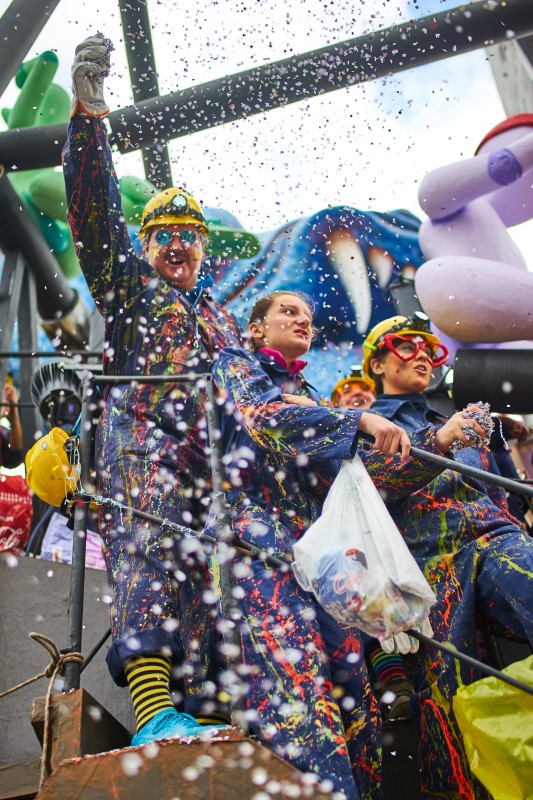
The celebration was originally held to commemorate the transition between Winter and Spring, or the revival of nature. As Christianity became more accepted in society, religious officials adapted the festival to fit Catholic rituals. Carnevale became a period of indulgence before Lent, a season of fasting.
The Carnevale festivities may last several weeks before its official date, Martedi Grosso, or Fat Tuesday, the day before Ash Wednesday. Although masks are a noteworthy part of the celebration, many Italian towns have unique ways of commemorating the festival. In particular, Venice, Viareggio and Ivrea have unparalleled traditions and give Carnevale unique elements of its personality.
Carnevale in Venice
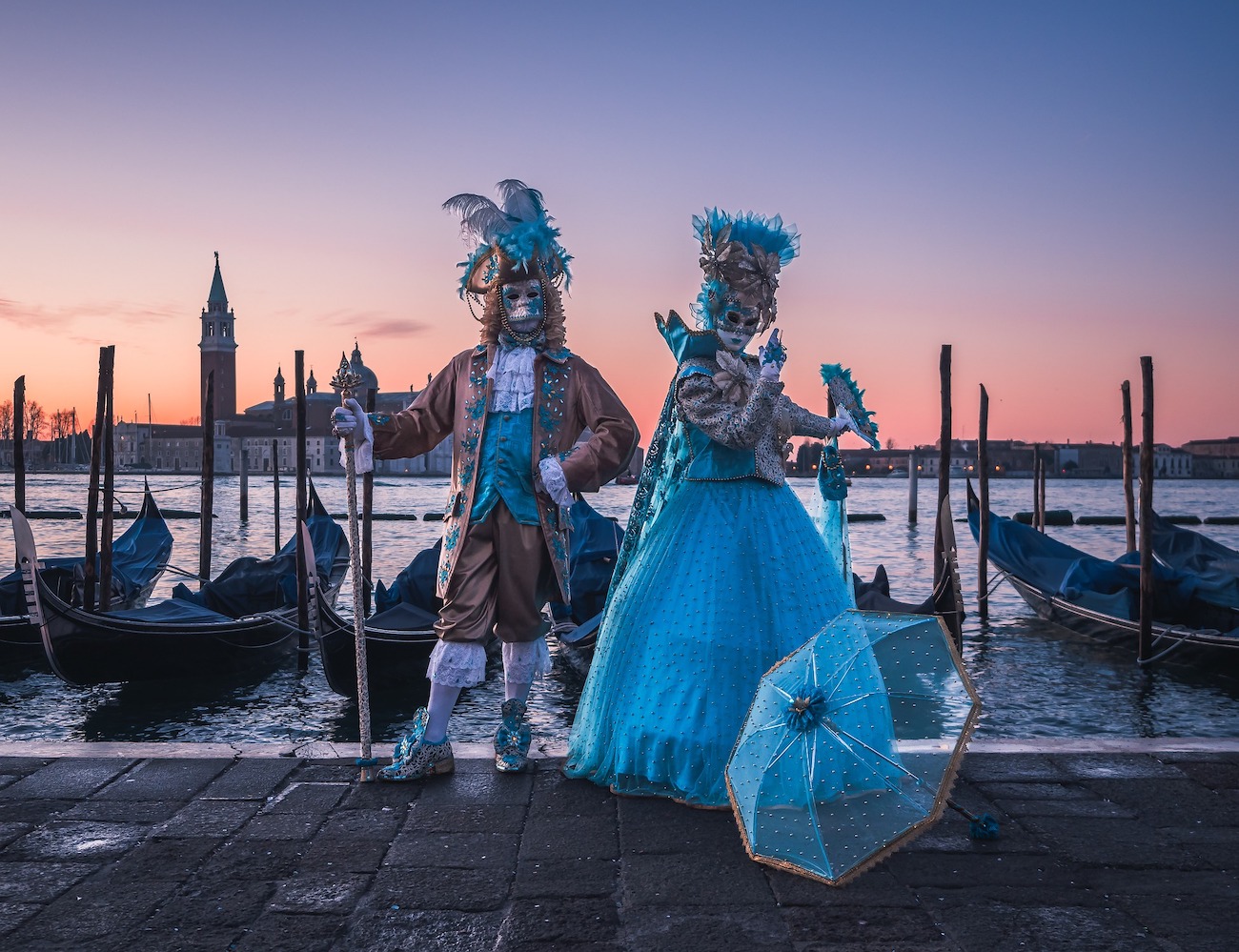
Although the exact origin of Venice’s Carnevale celebration is unknown, it likely started in the late 13th century. Masks became commonplace in the following centuries until they were banned by Austria in the 1700s and Benito Mussolini in the 1930s. Decades later, the tradition of wearing masks became popular again.
Nowadays, Venice’s Carnevale festivities begin two weeks before Martedi Grosso and include masked balls in luxury hotels, a mask parade in Piazza San Marco and gondola and boat parades along the Grand Canal. Additionally, one can enjoy fireworks or the flight of the angel in Piazza San Marco for a unique Carnevale experience.
Carnevale in Viareggio
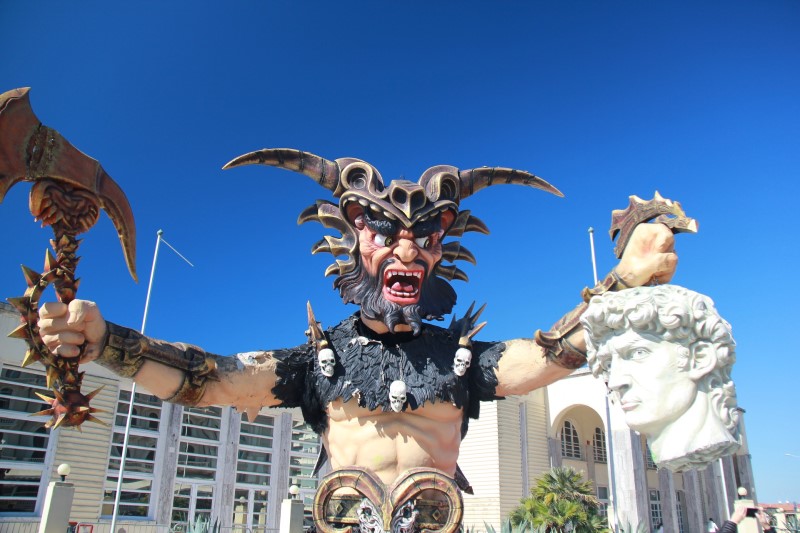
Known for its large paper mâché floats, Viareggio’s Carnevale festival includes several parades held for the purpose of expressing political beliefs, as many of the floats satirize well-known political or cultural figures. Along with masked balls and concerts, Viareggio also has a history of colored all-night dances, in which women dressed in certain colors that matched the confetti and decorations. The celebration also includes a fireworks show that takes place after the city’s final parade.
Float-makers often begin their work a year before the festival, ensuring the finished products are of acceptable quality for the notable festival. One float that became famous was the Viareggio Carnival Trump Float, which featured a moving sculpture of former President Donald Trump with wings and golden armor.
Carnevale in Ivrea

Ivrea has a unique Carnevale festival defined by its Battaglia delle Arance, or Battle of the Oranges. Derived from folklore of a young peasant girl resisting the sexual advances of a duke and her eventual murder of him in the 1100-1200s, followed by a rebellion, the city stages a reenactment of the event each year.
During the reenactment, one girl plays the role of the peasant while dozens of people representing the duke and rebels throw oranges at each other. The oranges represent ancient weapons, giving the celebration a one-of-a-kind composition.