Venture into the world of ancient Rome and experience life as the Romans did back in 620 B.C.
Ostia Antica is known for the preservation of its ancient buildings, magnificent frescoes, and mosaics. Become lost in Ostia Antica’s historical descriptions of the Roman ruins and walk along the ancient, cobbled roads through the still-standing homes. This site resides 30-minutes from Rome, nearing the Tiber River and the Tyrrhenian Sea. If you’re looking for a slow-paced, rich history, and less touristy spot, add the archeological site of Ostia Antica to your itinerary during your stay in Italy.
 Ostia Homes. Photo: Precious Vue
HOW TO GET THERE
To reach Ostia from the city of Rome, the fastest and most affordable way to transport is by train. Depart from Piramide Station, located in the center of Rome. Purchase a standard metro train ticket for €3 or use a Roma Pass to enter the station. Ride on this 20-minute train ride and pay attention to the stops, hop off when the conductor announces “Ostia Antica.” Once you’re out of the train station, pay a €1.75 entrance fee or swipe your Roma Pass, and begin your excursion through the early periods of Rome.
HISTORY
Dating back around 400 B.C, Rome conquered Ostia during the rule of King Ancus Marcius. The history of Ostia’s name refers to the mouth of the Tiber River opening for the city. With its location being so close to the river, the area grew an attraction to salt extracted from nearby salt flats, which was used to preserve meats. By 150 A.D, Rome controlled all the Mediterranean, utilizing Ostia as its main commercial port. During the collapse of the Roman Empire, Ostia became abandoned and over time the mud and silt from the sea buried and managed to preserve the city and its many mosaics and frescoes.
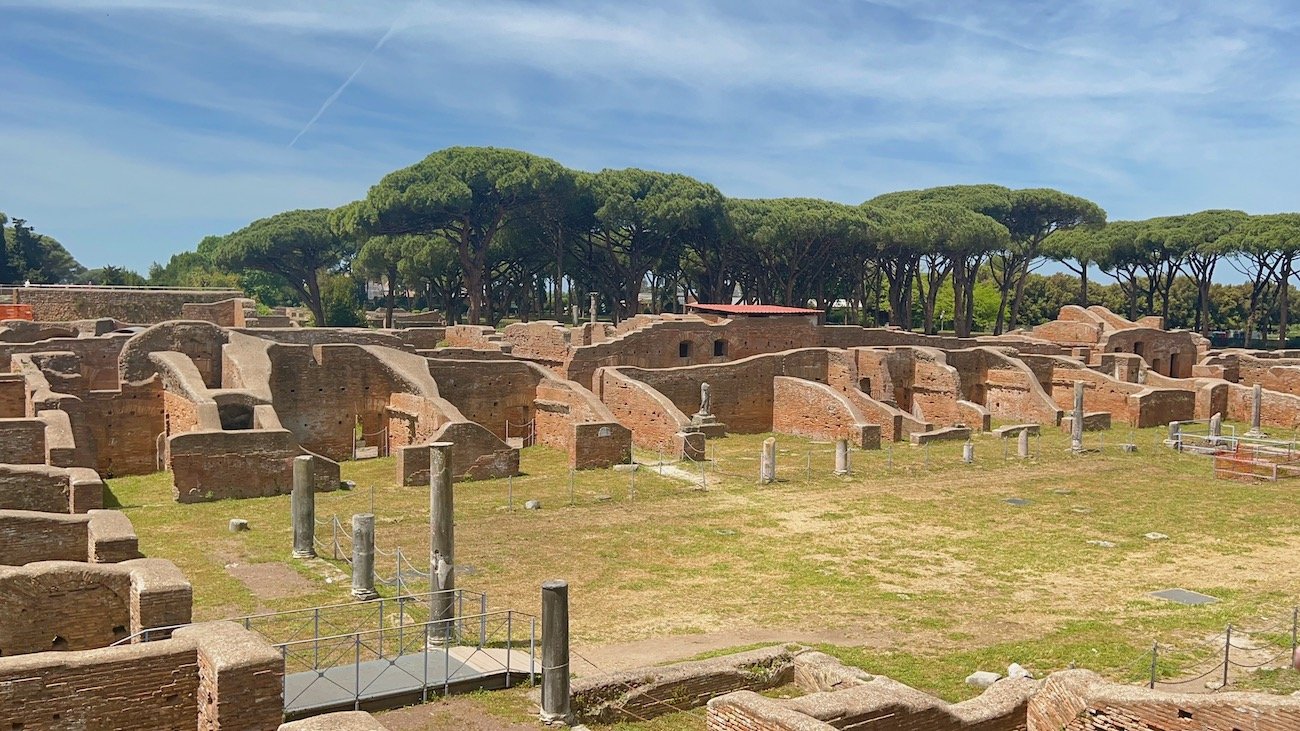 Ostia Ruins. PHOTO Precious Vue
SEE
The archeological park is open Tuesday through Sunday from 8:30 a.m. to 6 p.m. Admission tickets are €12 per adult and for ages 0-18 admission is free. To experience the fullness and attain the historical facts of Ostia Antica, book a guided tour in advance for €59. If you’re going without a guide, that’s perfectly okay too.
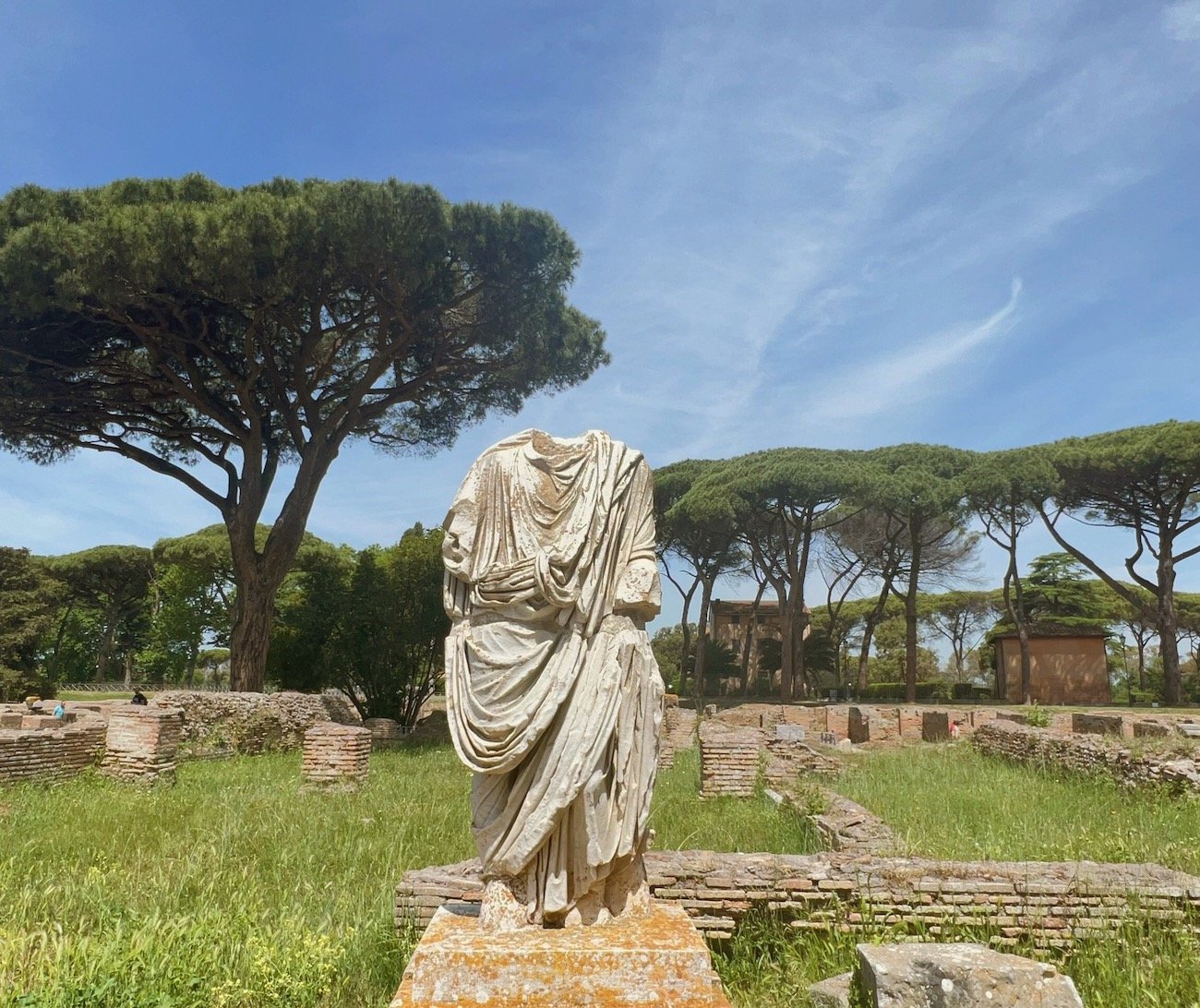 Ostia Statue. PHOTO Precious Vue
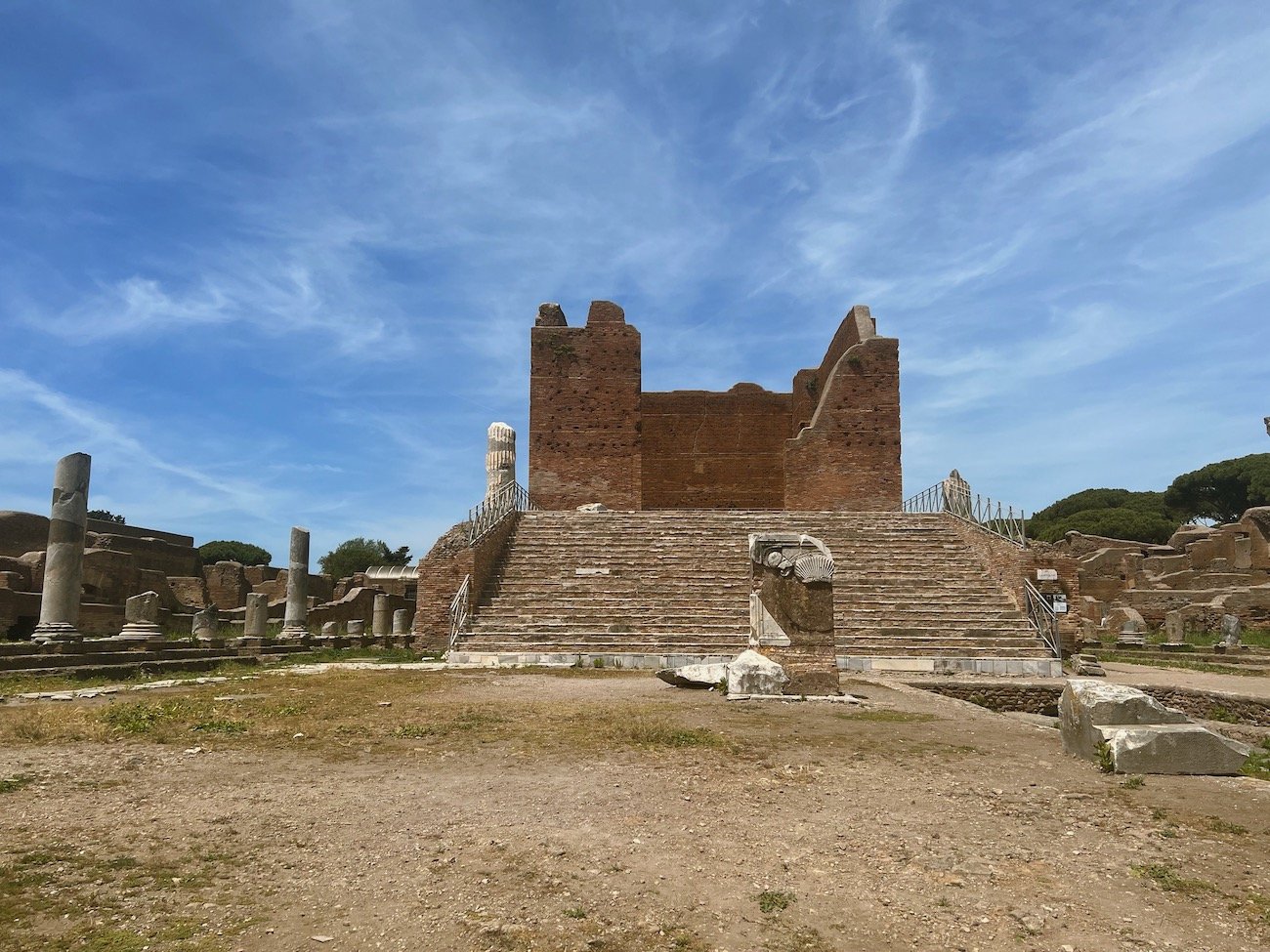 Ostia Temple. PHOTO Precious Vue
In Ostia Antica, prepare shoes for walking as you’ll be strolling along the cobble-stoned roads and roaming through the ancient homes that deter the path. If you’re looking for a scavenger hunt, find some of Ostia Antica’s preserved treasures: the Forum Baths, Square of the Guilds, Ostian Theatre, and Via Casa di Diana (House of Diana.) While you’re looking for these sites, a few can’t-miss mosaics and the remains of statues are spread across the entirety of the historical grounds. Take your time ambling through and emerge yourself into the livelihood of the Romans.
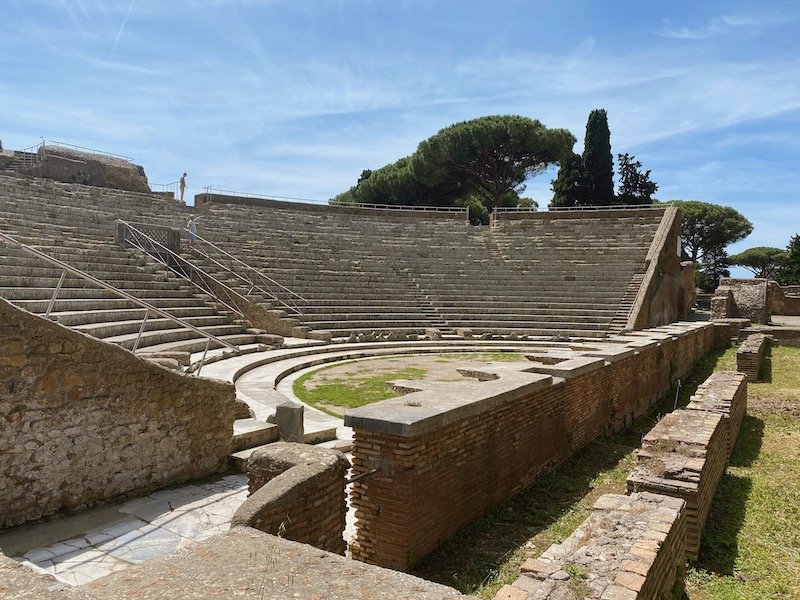 Ostia Theatre. PHOTO Precious Vue
EAT
All that walking around calls for a recharge. While there are two eateries beyond the grounds, the best way to enjoy lunch is to have a picnic. It is generally normal to see visitors having a packed lunch near the Ostian Theatre, which is the halfway mark of the grounds, it is the most noticeable architecture and the perfect area to have lunch. Find a spot on the grass, rest under the shade of the umbrella trees, and enjoy a delicious, packed lunch while being surrounded by the grounds of ancient Rome.
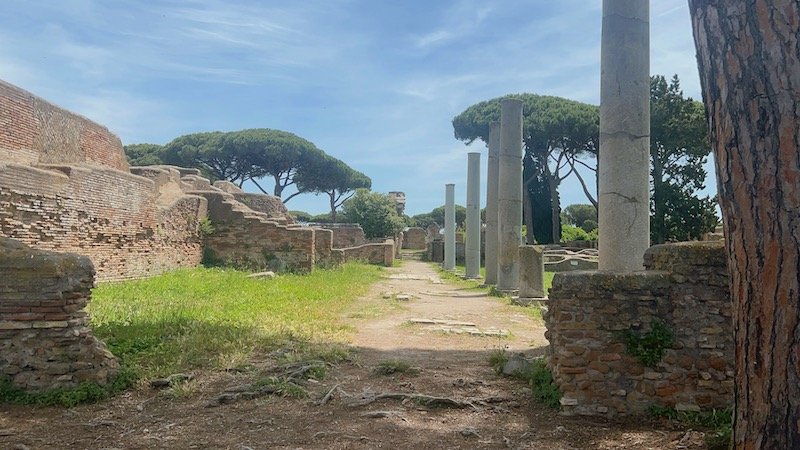 Ostia Greens. PHOTO Precious Vue
Upon arriving at Ostia Antica, I was greeted by luscious greens that block the sun and decorate the roads. I felt the cool salty breeze from Ostia’s sea shores and heard nothing but calmness. Time does not exist when you venture into the ancient ruins of Rome and become immersed in its history.