The road to Jaipur, the capital city of India’s Rajasthan, is a short one.
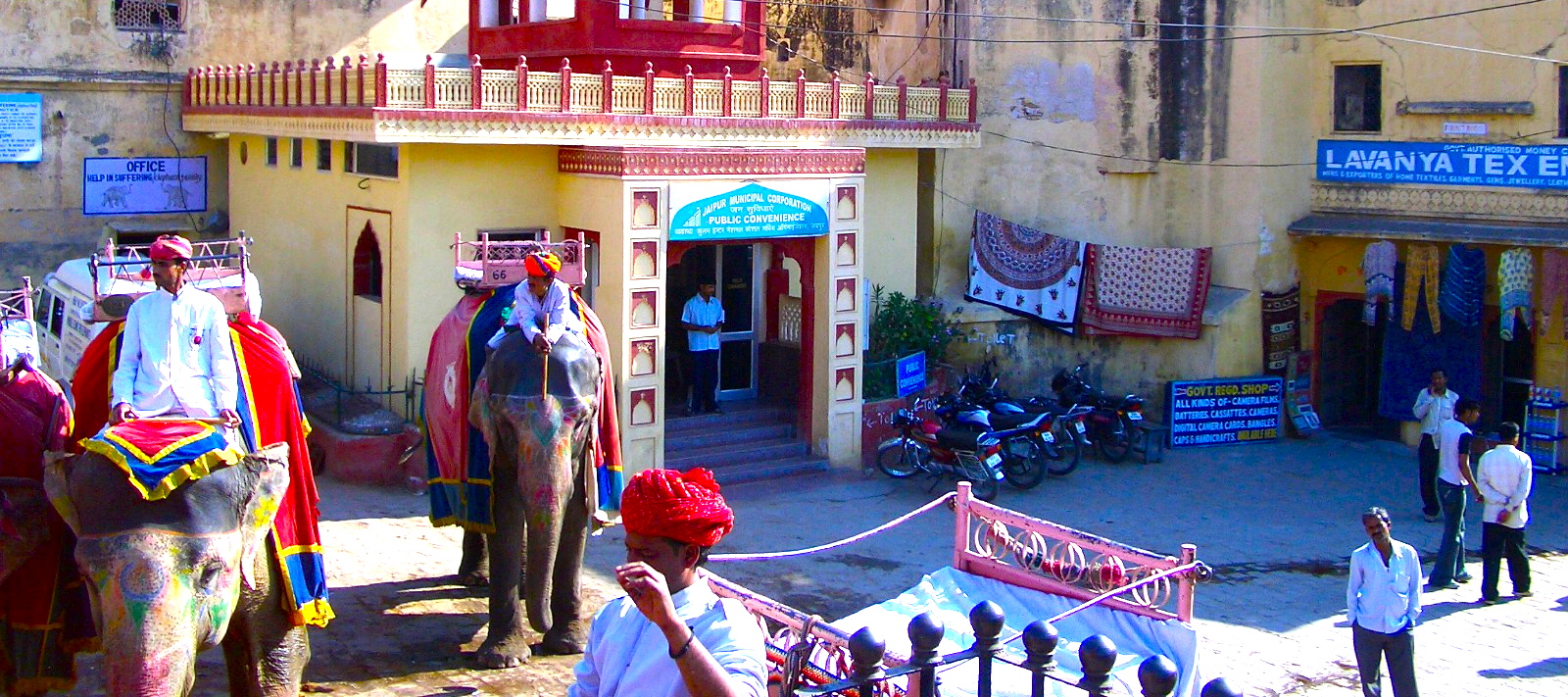 PHOTO DRISANA MISRA
As we speak, it is being carved into the grit. Traveling the distance from Delhi to Jaipur in a modernized country would take only two hours. But in India, you would be lucky to get there in seven.
It is a bumpy, dusty ride. The roadside is littered with children and women clad in saris heaving heavy hatchets over their shoulders and slamming them back down into the asphalt. I cannot tell if they are aiding the highway-building efforts or impeding them.
There are positively no traffic rules to follow; it is a chaotic free-for-all. The rode is variegated with different modes of transportation: tractors, tourist vans, sedans, elephants, camels, hay carts, cows. They hurtle forward together like a herd of rampaging horses— like metal organisms, constantly honking sonar waves, aware of themselves in space insofar as they avoid fatal collisions with their neighbors.
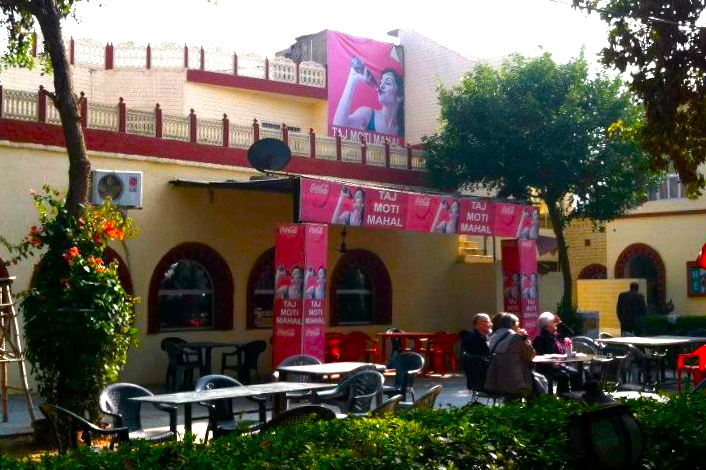 PHOTO DRISANA MISRA
As peer out the window at the flashing landscape, the countryside rapidly changes before our eyes. We drive past a stretch of land devoted to outsourced Japanese companies; the emblems of their corporations—romanized Japanese words—clash with the devanagari Hindi script etched on the fruit stands, taxis, and auto rickshaws. Coca-cola ads crop up everywhere, exhibiting busty Bollywood stars as they guzzle down the product. Near a banyan tree, a teenaged farm girl combs her thick, black tresses while listening to music on her boom box; meanwhile, women in orange saris snake through the fields, balancing heavy wicker baskets on their heads. Few moments have remained untouched by modernity; a strange coexistence between the industrialized and the bucolic emerges.
After six dizzying hours of this, the road suddenly narrows. There are fewer cars careening alongside us and more tractors, elephants, and camels. It is the last hour to Jaipur, and we have entered monkey country. For over half a mile, thousands of monkeys play along the highway. They squat on brick walls picking fleas out of each other’s hairs; they tumble through the trees; they chase each other through freshly plowed fields; they raid about like angry villagers.
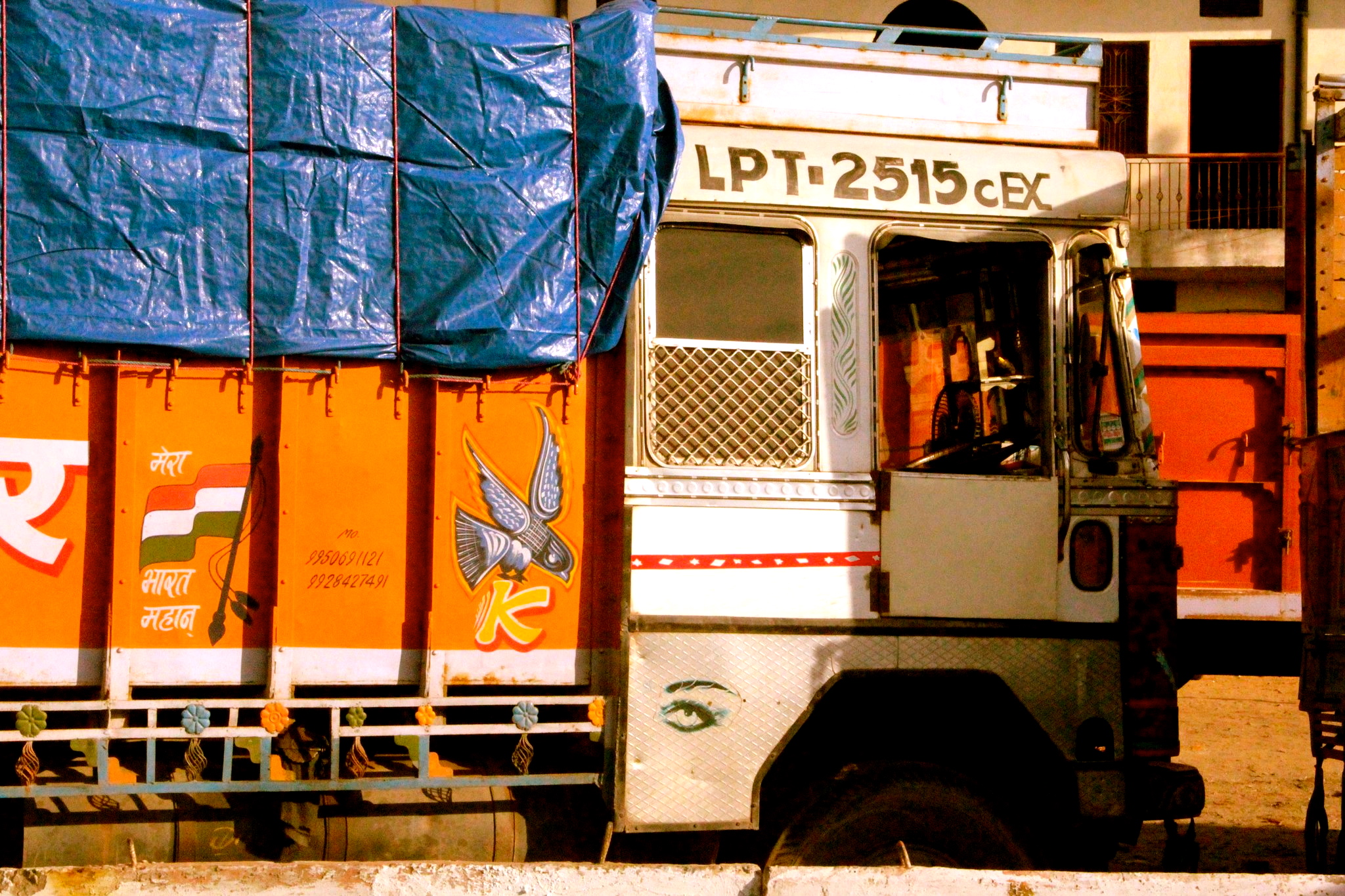 PHOTO DRISANA MISRA
Every few minutes, we pass a large banana cart; the peddlers carry a cruel iron stick and beckon passing cars. The bananas are locked away behind iron bars like monkeys in a zoo; the monkeys eye them greedily and flash puppy eyes at any human that happens to cross their gaze.
After much excitement, our driver stops and steps out. He approaches the banana peddler and hands him a rupee note. The banana peddler thanks him and nervously looks about at the elated monkeys before picking a bunch of bananas with practiced alacrity. He hands them to our driver. Our driver rips off each banana and tosses them to the flocking monkeys. Not a banana touches the floor: each yellow stalk gets snatched out of midair by expert monkey hands. Sharing bits and pieces of sweet mush with their neighbors, these monkeys seem less savage than their reputation grants them—perhaps because they’re well fed.
After snapping some blurry pictures from inside the car, we continue our journey to Jaipur, a pink city renowned for its blue pottery.