
Dominican cuisine heavily reflects upon the history of its land: slaves from Africa and colonization by Europeans.
In the Dominican Republic, a traditional meal normally consists of “la bandera Dominicana,” which is sometimes coined as “the Dominican flag”: rice, beans, and stewed meat. Everything else are additions – like avocados or eggs – that mark the difference between each dish. Eating throughout the island is delectable joy, especially if you love fried foods and green bananas. Here are some traditional dishes that you must try.
@jetsettimes Here are some of the best things to do in #santodomingo #dominicanrepublic 📸🇩🇴 #travel #traveltiktok #travellife #travelbucketlist #traveling #traveltips #travelmemories #travelthrowback #traveldiaries #food #foodie #foodtiktok #foodtok #foodlover #foodies #cocktails #bar #bars #caribbean #caribbeantiktok #island #islandlife #dominicana #dominicano #dominicana🇩🇴 #dominicanos #dominicanos🇩🇴 #santodomingo🇩🇴 ♬ Los Choukarios – Bellecour
Sancocho
Often referred to as Dominican Republic’s national dish, sancocho is essentially a thick stew made with meat, vegetables and various tubers (plants like: yam, yucca, squash, malanga or yautia.) In this country, it’s typically served with rice and slices of avocado. The meat in the stew can be chicken, beef, pork or lamb. Locals agree that sancochos are great for hangovers, good to know!
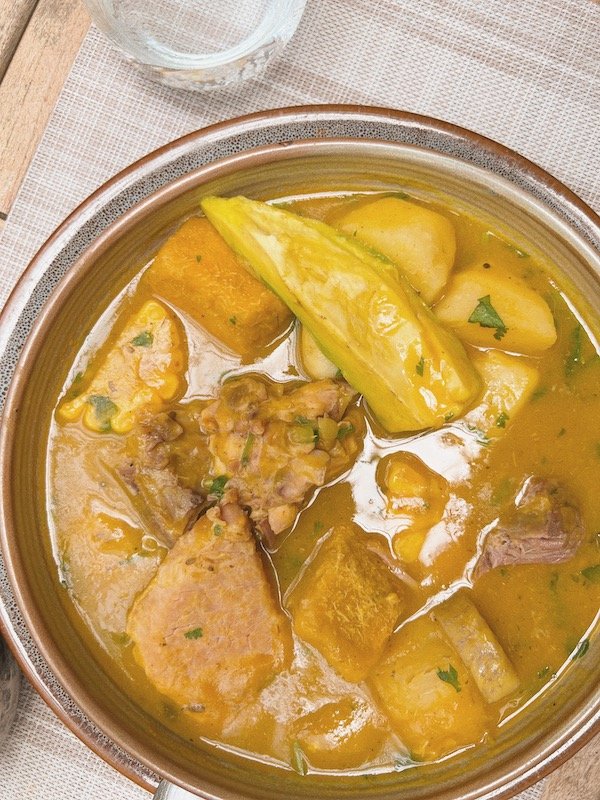 Sancocho. PHOTO WENDY HUNG
Mangú
Mangú is another traditional dish that you must try. To prepare these mashed green plantains requires boiling green bananas in salted water, then mash with butter or oil. It’s served with sautéed red onions cooked with vinegar and oil. Mangú originally came from African slaves brought over to the Dominican Republic from Congo. It’s also part of the island’s signature breakfast: los tres golpes.
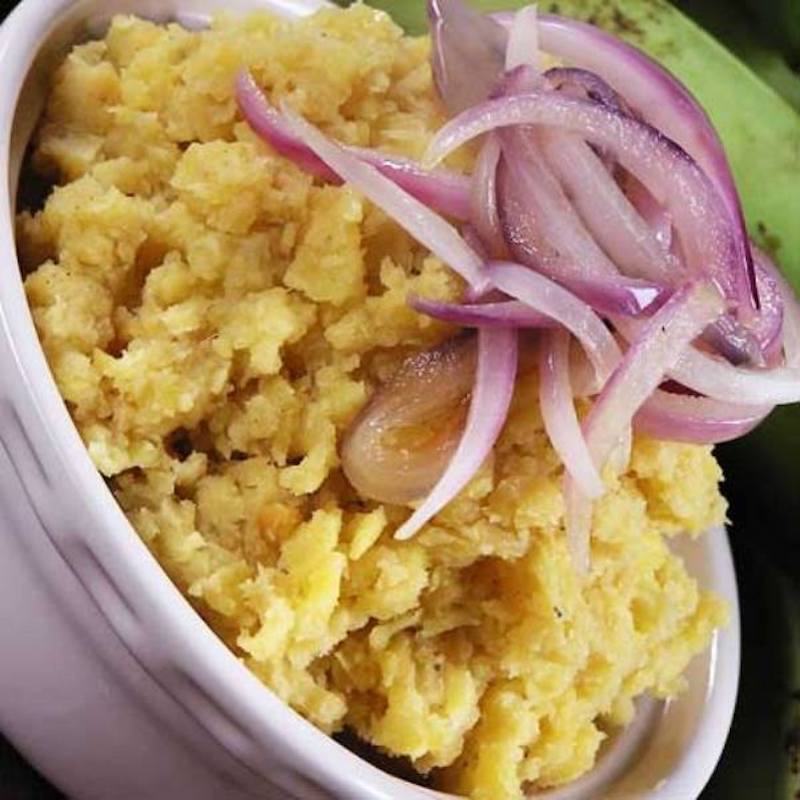 Mangú. FACEBOOK Hispanic Kitchen
Los tres golpes
A signature Dominican breakfast is los tres golpes: mangú (mashed green bananas or plantains,) salami frito (fried salami,) queso frito (fried cheese,) huevos fritos (sunny-side-up eggs.) The dish came from Ghanian “fufu,” which is another example of African influence on Dominican cuisine since the 1500s, from slave trade and later, freed slaves from the U.S. that traveled to Haiti to begin their new lives.
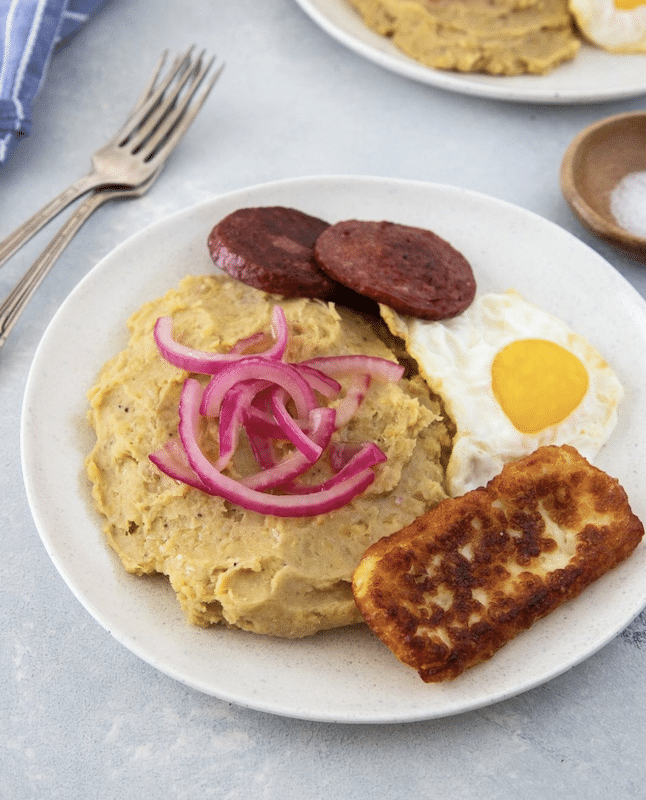 Los Tres Golpes. INSTAGRAM @my.dominican.kitchen
Mofongo
Another dish inherited from Africa is the famous mofongo, which is made from mashed fried plantains, garlic, and pork rind in a mortar which makes a ball-shaped dough served in a bowl. At times, mofongo is topped with shrimp, avocado or meat broth. Depending on various sizes, it can be enjoyed as a main dish or as a side.
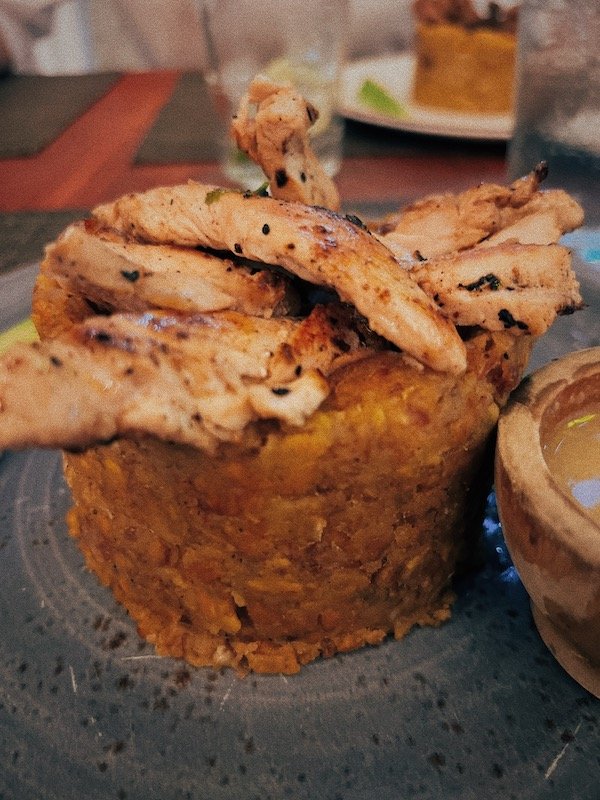 Mofongo. PHOTO WENDY HUNG
Tostones
Tostones are sometimes simply called fritos, they’re pretty much sliced plantains, fried or smashed. The taste is salty and crispy, almost comparable to the Dominican version of french fries, sometimes it can be served as fries, dipped in sauce, or as a snack. Other regions of Latin America also has different versions of tostones, so you might also see a similar dish in Ecuador, Cuba, Colombia…etc.
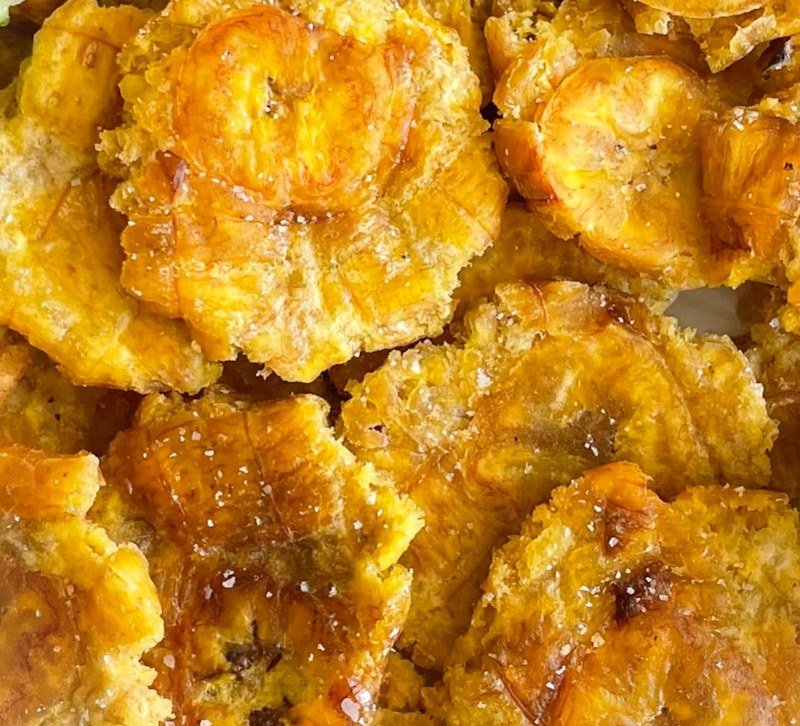 Tostones. FACEBOOK Pedro Martinez
Chivo Guisado
The Dominican braised goat stew is chivo guisado, made with onions, garlic, tomatoes and bitter oranges. Since goats on the island eat wild oregano, the fragrance of the herb transfers to the dish’s aromatic flavor. The meat is tender and eaten with chenchén, or cracked corn pilaf.
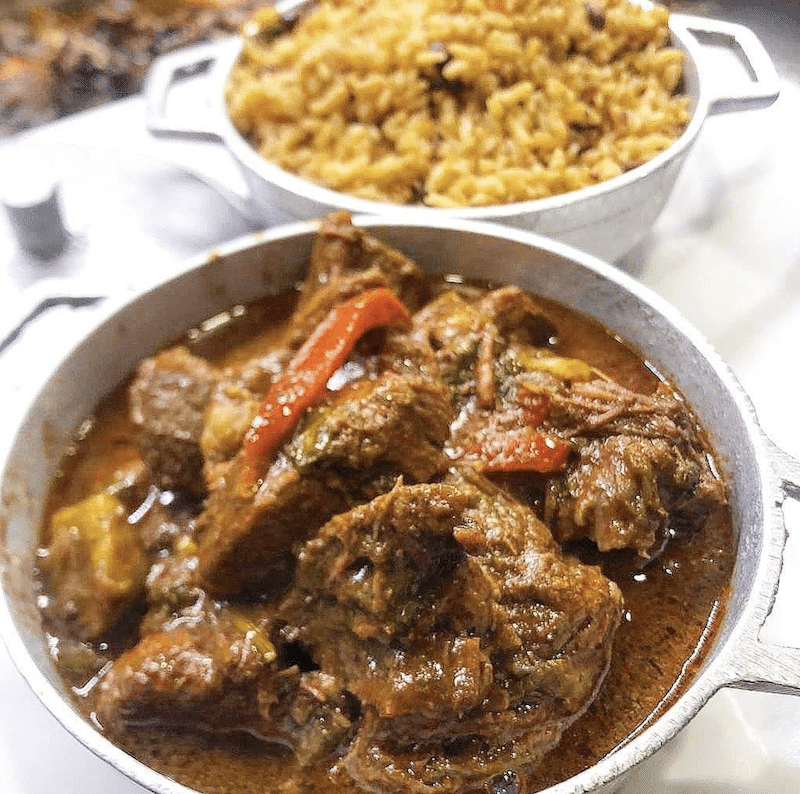 Chivo guisado dominicano. INSTAGRAM @ajoyoregano
Chenchén
Originally from southern regions of the Dominican Republic, chenchén is a corn-based pilaf with a creamy texture. It’s a delicious replacement for rice or mangú. Frequently, it’s made with milk, coconut milk, or both. If you love cream corn or risotto, you’ll definitely inhale chenchén in two hot seconds!
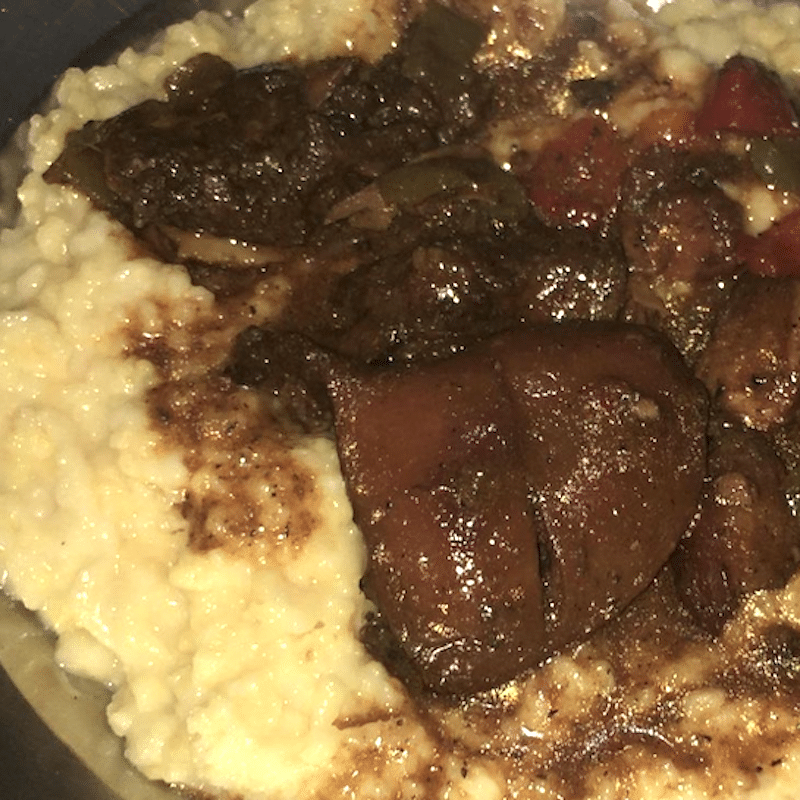 Chenchén. INSTAGRAM @francis_thequeen
Yaniqueque
Yaniqueque is not only fun to pronounce, but it also tastes just like it sounds: crispy fritters. A classic street food, yaniqueque can be eaten at anytime of the day, especially at the beach or at a market. Smaller sizes are eaten with hot chocolate for breakfast, bigger versions can be as large as the size of a plate. The ones with fillings inside come with cheese, egg, ham, chicken or vegetables.
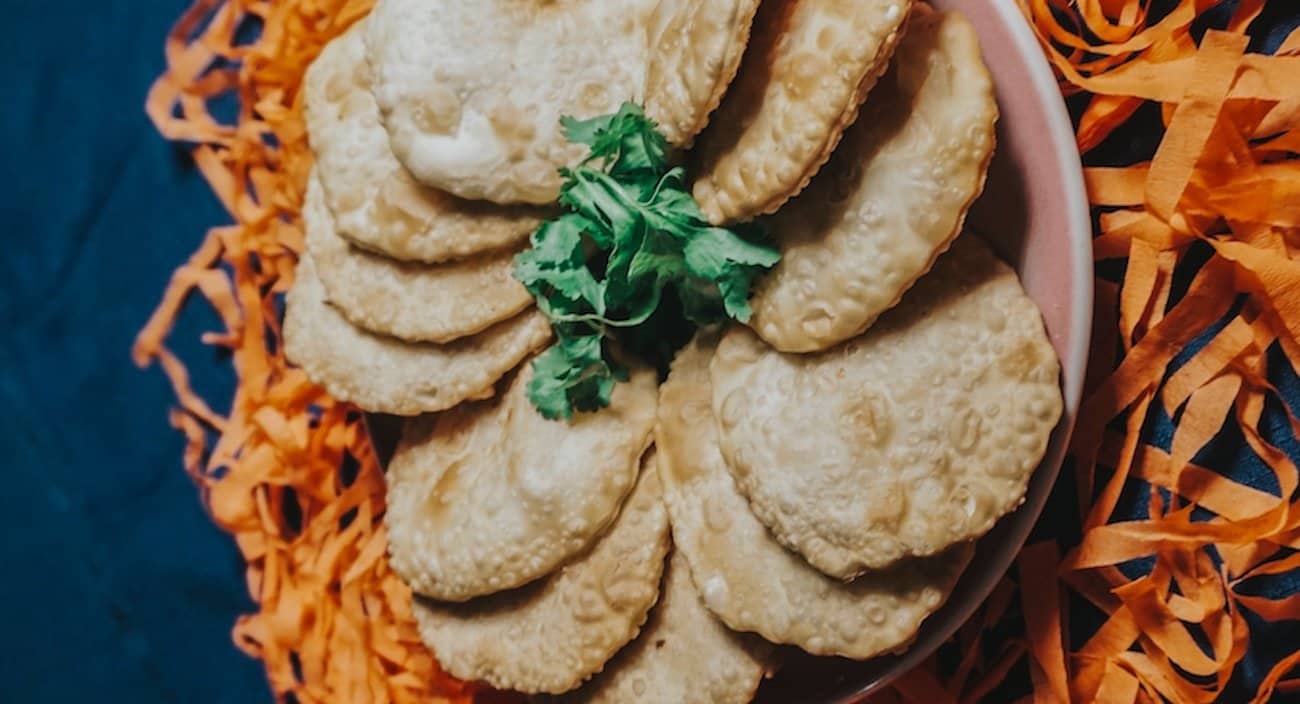 Yaniqueques. Photo by Luther Yonel on Unsplash
Habichuelas con dulce
From savory to sweet, habichuelas con dulce is sweet beans traditionally consumed during Easter or Lent. It’s prepared with boiled red beans mixed with butter, condensed milk, evaporated milk, coconut milk, yams, sugar, vanilla, clove, cinnamon, anise, nutmeg and raisin. Habichuelas con dulce is an example of a wide range of spices brought from Europe when settlers arrived to the Dominican Republic.
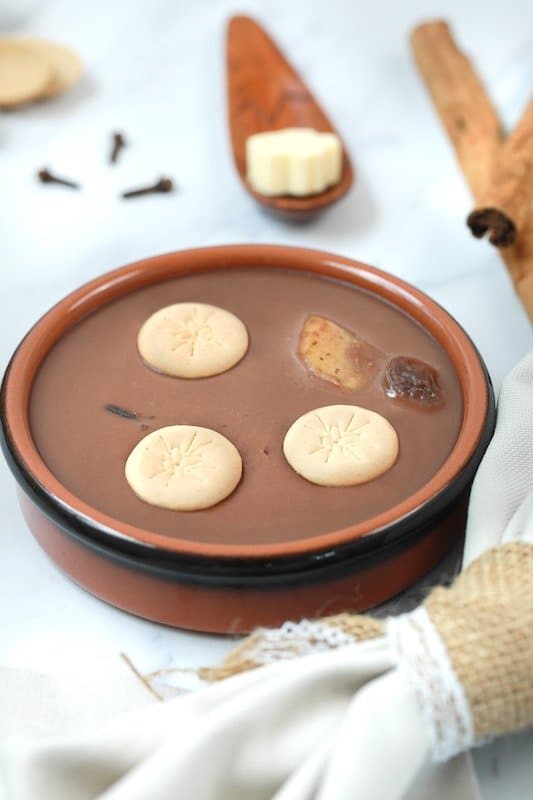 Habichuelas con dulce. Photo by Keesha’s Kitchen on Unsplash
Arroz con leche
Arroz con lech, or rice with milk, is another iconic Dominican dessert that may appear like a rice pudding but mixed with far more spices, including: cinnamon, vanilla, cloves…just to name a few. Lime peel, coconut milk, and raisins are optional. The dish came from Spain, and there are even different versions of it from Middle East to Asia.
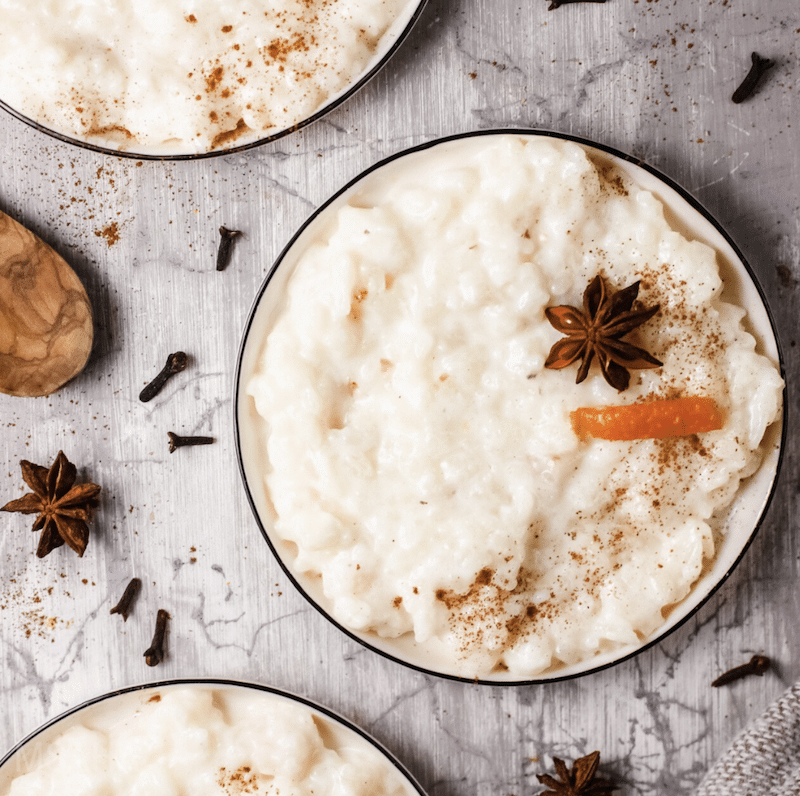 Arroz con leche. INSTAGRAM @athomeadventures
