
Taking a page out of China’s hot pot and long noodle dishes and bringing it back home for the perfect seasonal meal.
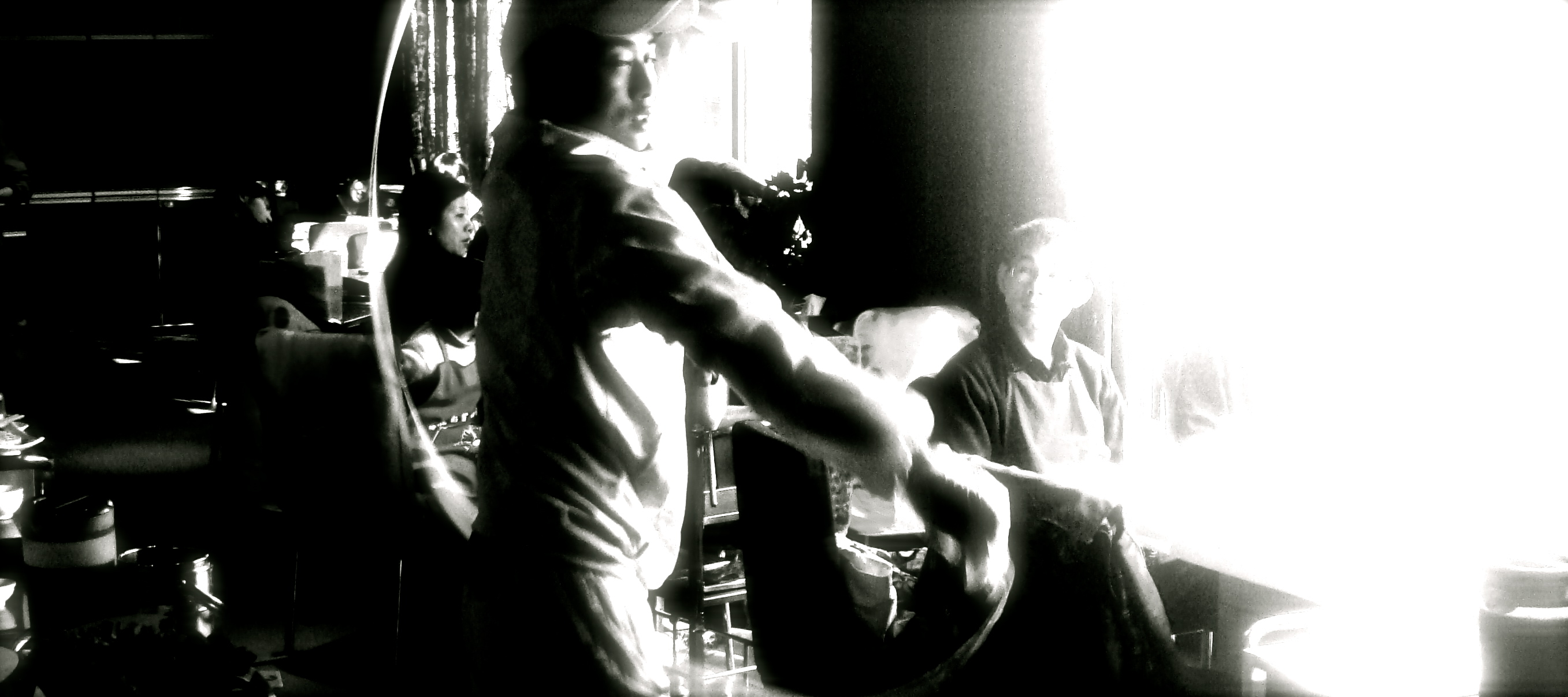 PHOTO WENDY HUNG
When the weather is chilly, not many Chinese cuisines can surpass the hot pot (火鍋) when it comes to warming up the body. One rainy night in Beijing, a few friends and I ate dinner at the famous Hai Di Lao (海底撈) restaurant franchise.
Hot pot consists of various meats, seafood, vegetables, dumplings, and noodles cooked in a boiling pot of stew. In this particular restaurant, the pot was divided in half to give us a choice of two stews. After the food finishes cooking, it is taken out of the pot and eaten with different types of sauces.
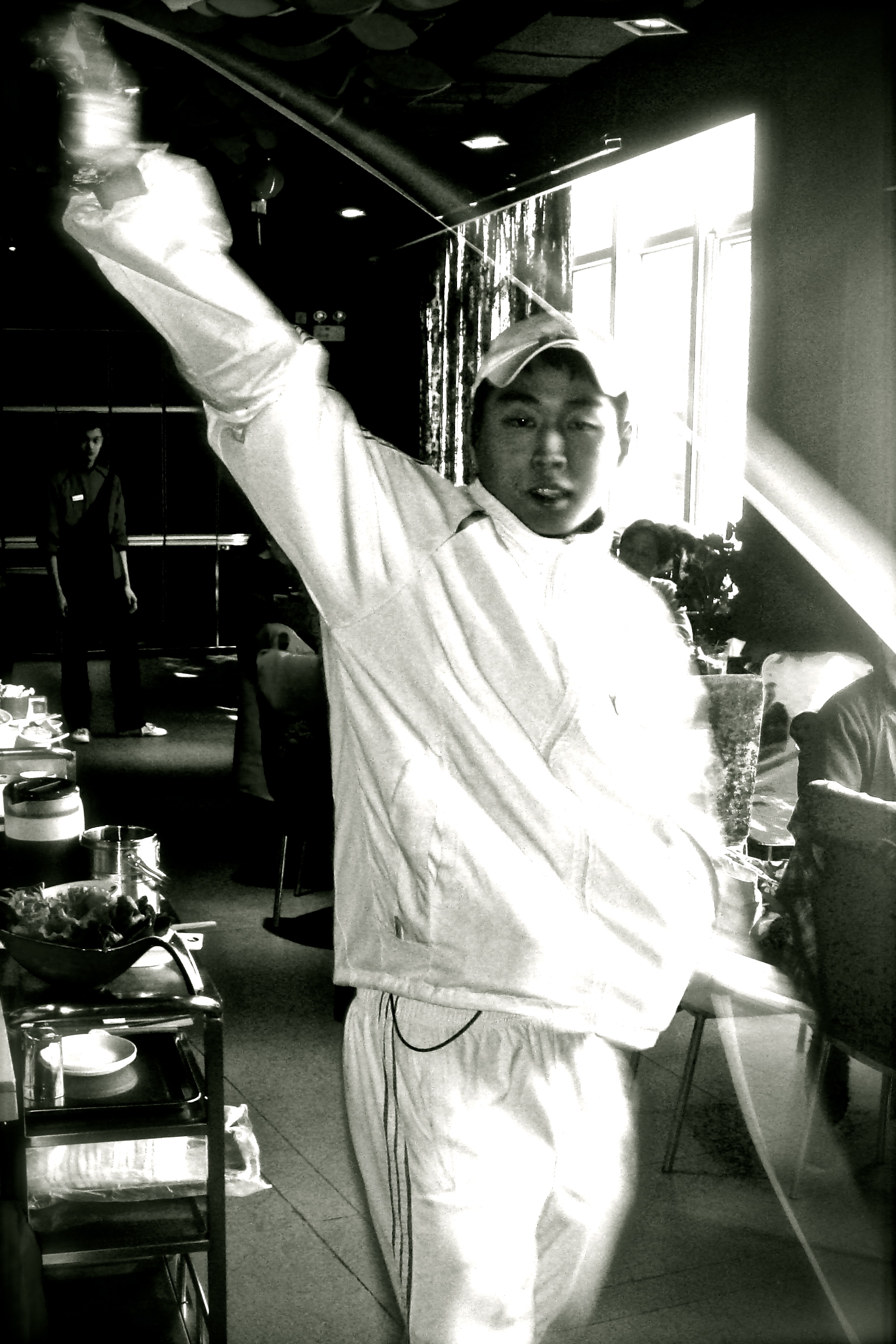 PHOTO WENDY HUNG
As a person of Taiwanese descent, this was the first time I experienced Chinese-style hot pot. It was interesting eating from two types of broth. I continually poured my food portions of sliced beef, pork, chicken, and vegetables into both sides. The adventurist in me also experimented with the local food culture, trying delicacies such as cow stomach and duck tongue. After all, what better time is there to immerse oneself in the food culture than in the capitol of the country?
The restaurant also provided hand-pulled long noodles for customers. A waiter performed a noodle dance at our table, and we cheered as he spun and lengthened the dough in a spectacular fashion. In Chinese culture, long noodles represent longevity – it’s commonly served during birthdays or on New Year’s Day.
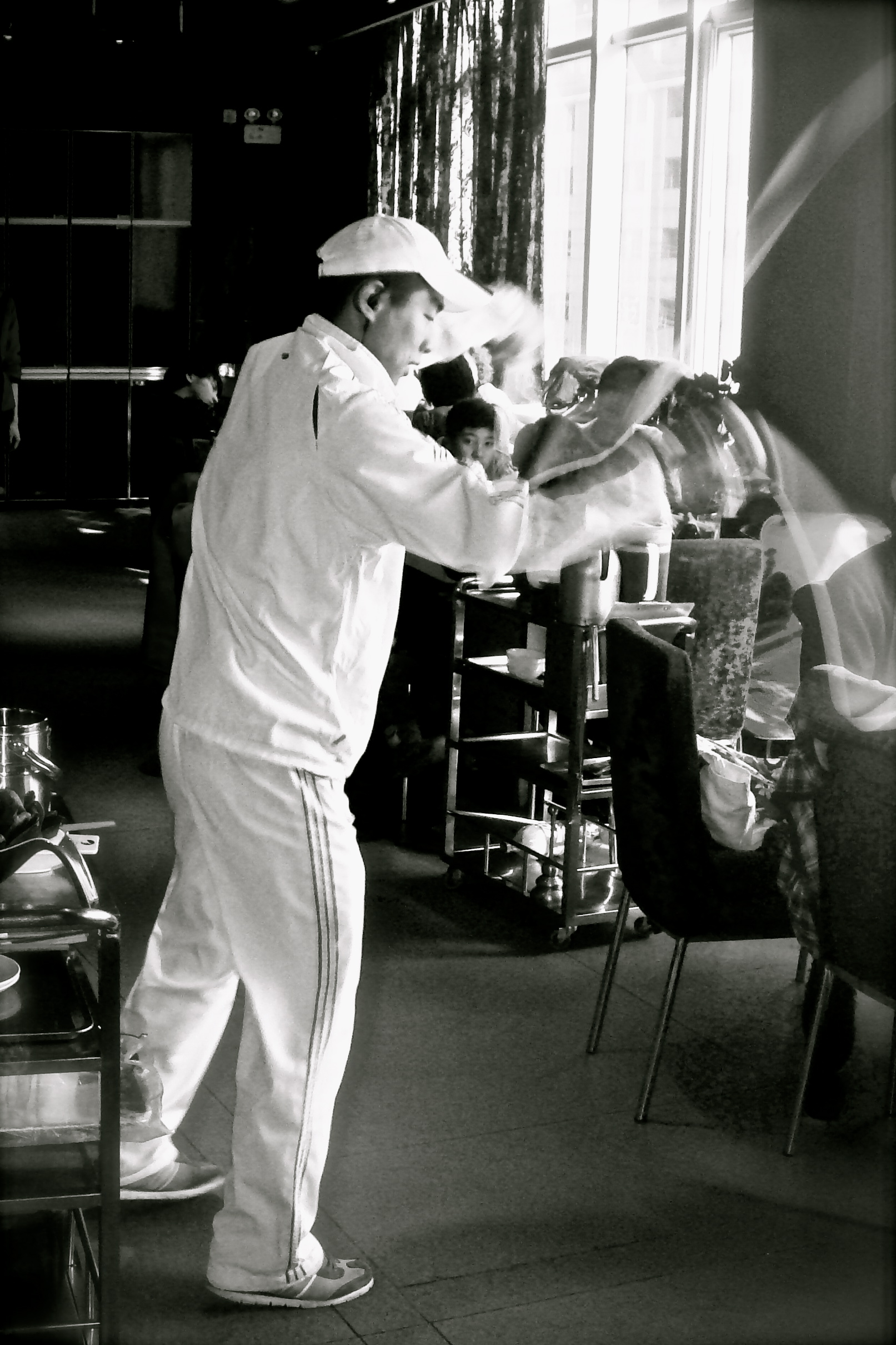 PHOTO WENDY HUNG
Perhaps the best thing about hot pot and long noodles is that preparation of both cuisines is easy. All that is necessary is a pot and stove. When it comes to the types of meat, vegetables, and sauces, it is completely up to you! With winter and the New Year just around the corner, there is no better time to eat hot pot and long noodles. Not only will it warm up your body, the euphoria from eating such a delicious meal and the longevity from the noodles will also prolong your life.
