
The historic city of Bath is one of Britain’s most beautiful destinations, famous for its elegant Georgian architecture, Roman heritage, and vibrant cultural scene.
Designated a UNESCO World Heritage city, Bath offers a remarkable collection of historic landmarks that reflect over two thousand years of history. From ancient Roman temples to sweeping Georgian terraces, these ten must-see sites reveal the unique character and charm of this remarkable city.
Bath’s landmarks reveal layers of history stretching from the Roman era to the Georgian golden age. Whether you’re exploring ancient baths, admiring elegant architecture, or enjoying historic cafés, the city offers an unforgettable journey through British history. With its compact layout and walkable streets, Bath makes it easy to experience many of these iconic sights in just a few days.
View this post on Instagram
Roman Baths
The Roman Baths are Bath’s most famous landmark and one of the best-preserved Roman sites in Europe. Built around natural hot springs nearly 2,000 years ago, the complex once served as a grand bathing and social center. Visitors can explore the steaming Great Bath, ancient temple ruins, and fascinating artifacts that reveal how Romans lived, relaxed, and worshipped in the city.
 The Roman Baths. PHOTO WENDY HUNG

Bath Abbey
Standing beside the Roman Baths, Bath Abbey is a magnificent Gothic church known for its soaring fan-vaulted ceiling and stunning stained-glass windows. The current structure dates mainly from the 16th century, although a church has stood on this site for more than a thousand years. Climbing the tower offers spectacular views over the city’s rooftops.
 Bath Abbey. PHOTO WENDY HUNG
Royal Crescent
The Royal Crescent is one of the finest examples of Georgian architecture in Britain. Designed by John Wood the Younger in the 18th century, the crescent-shaped terrace consists of 30 elegant townhouses overlooking a vast lawn. Its graceful curve and honey-colored Bath stone make it one of the most photographed spots in the city.
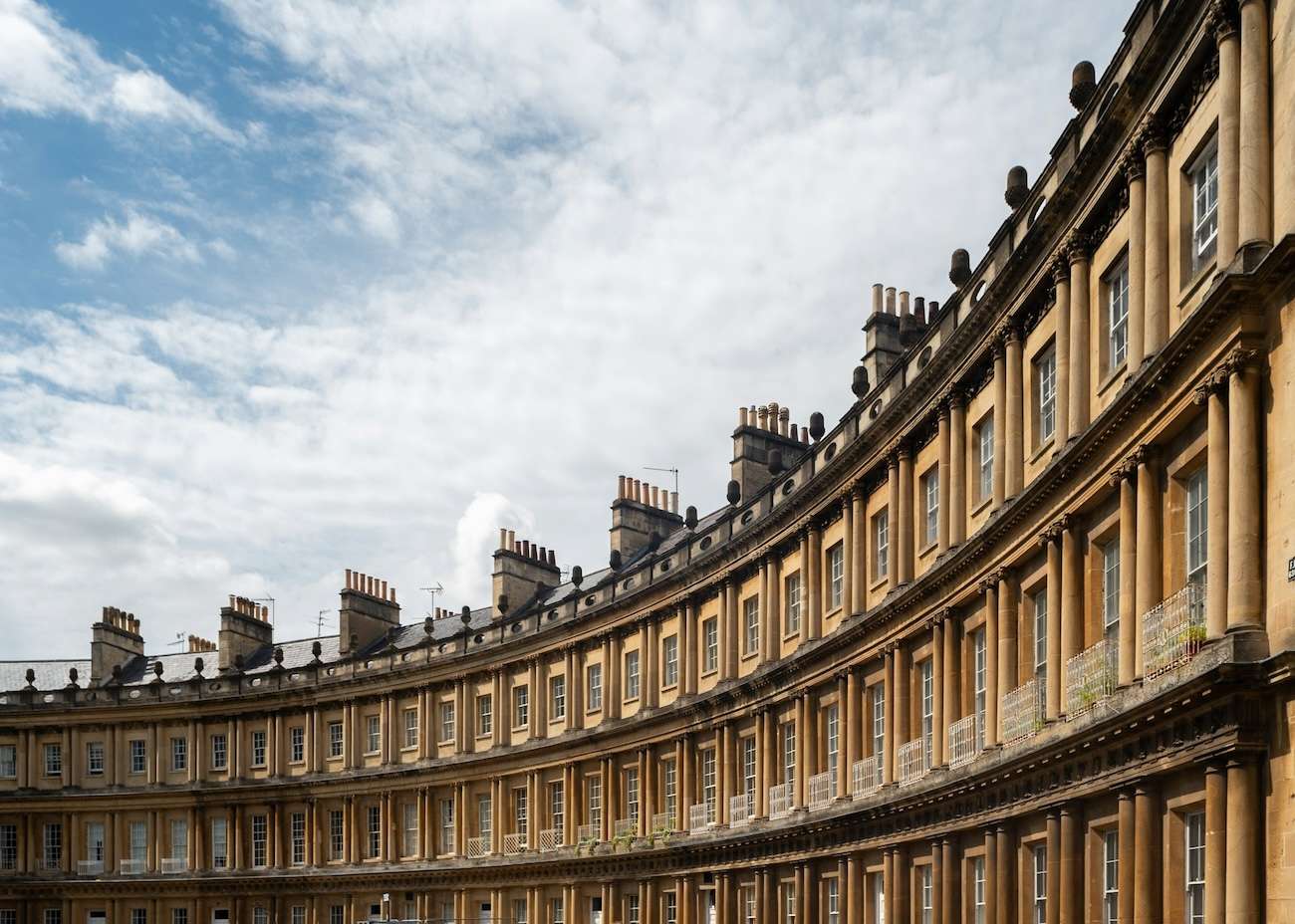 Photo by Lily Amateur on Unsplash
Pulteney Bridge
Crossing the River Avon, Pulteney Bridge is one of the few bridges in the world lined with shops along its full length. Built in 1774, the bridge was inspired by the famous Ponte Vecchio in Florence. The view of the bridge and the cascading weir below is one of Bath’s most iconic scenes.
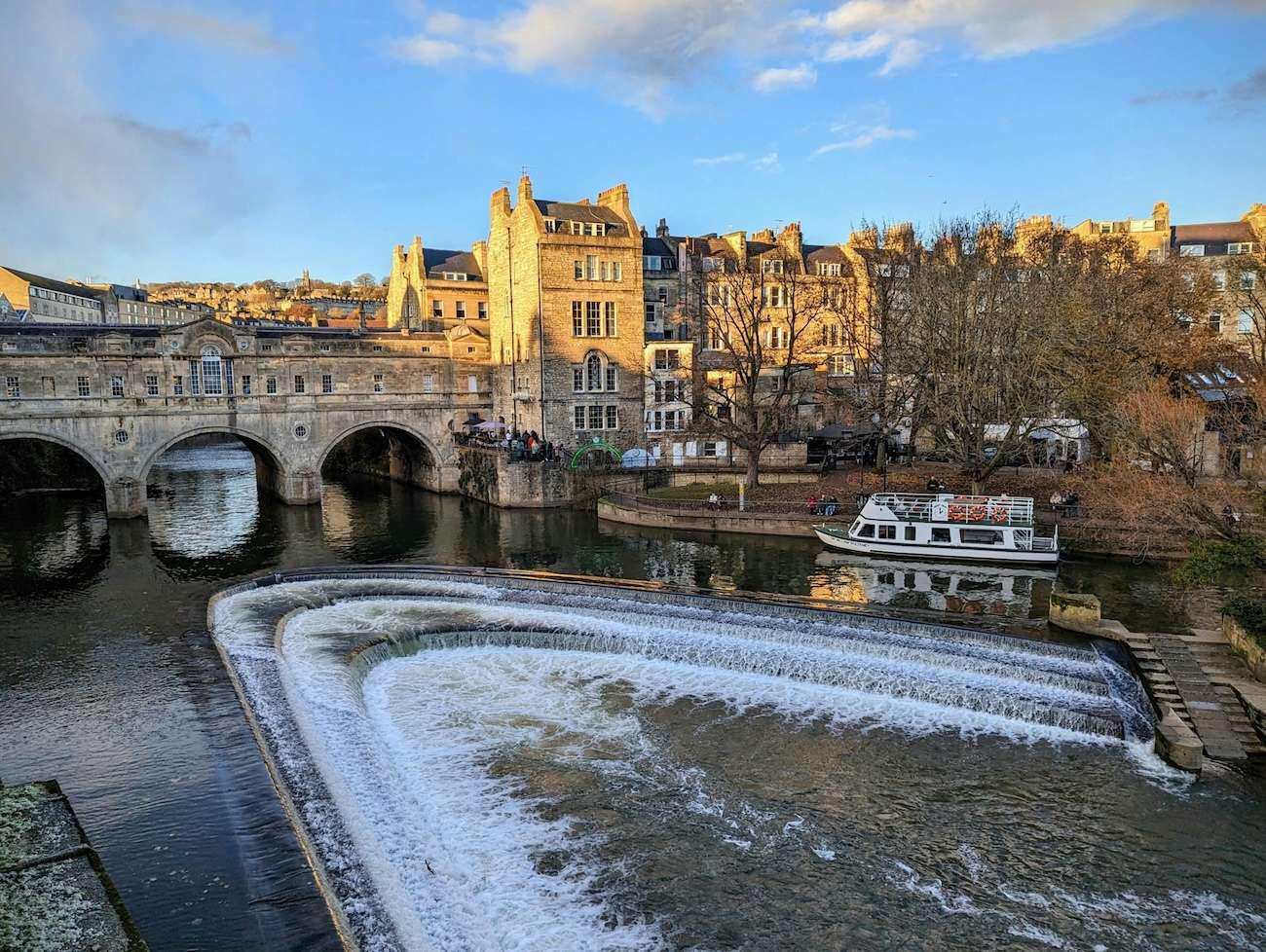 Photo by John-Mark Strange on Unsplash
The Circus
The Circus is a remarkable circular arrangement of Georgian townhouses designed by John Wood the Elder. Completed in 1768, the design was inspired by classical Roman architecture. The three curved terraces surround a peaceful green space and showcase intricate stone carvings and architectural symmetry.
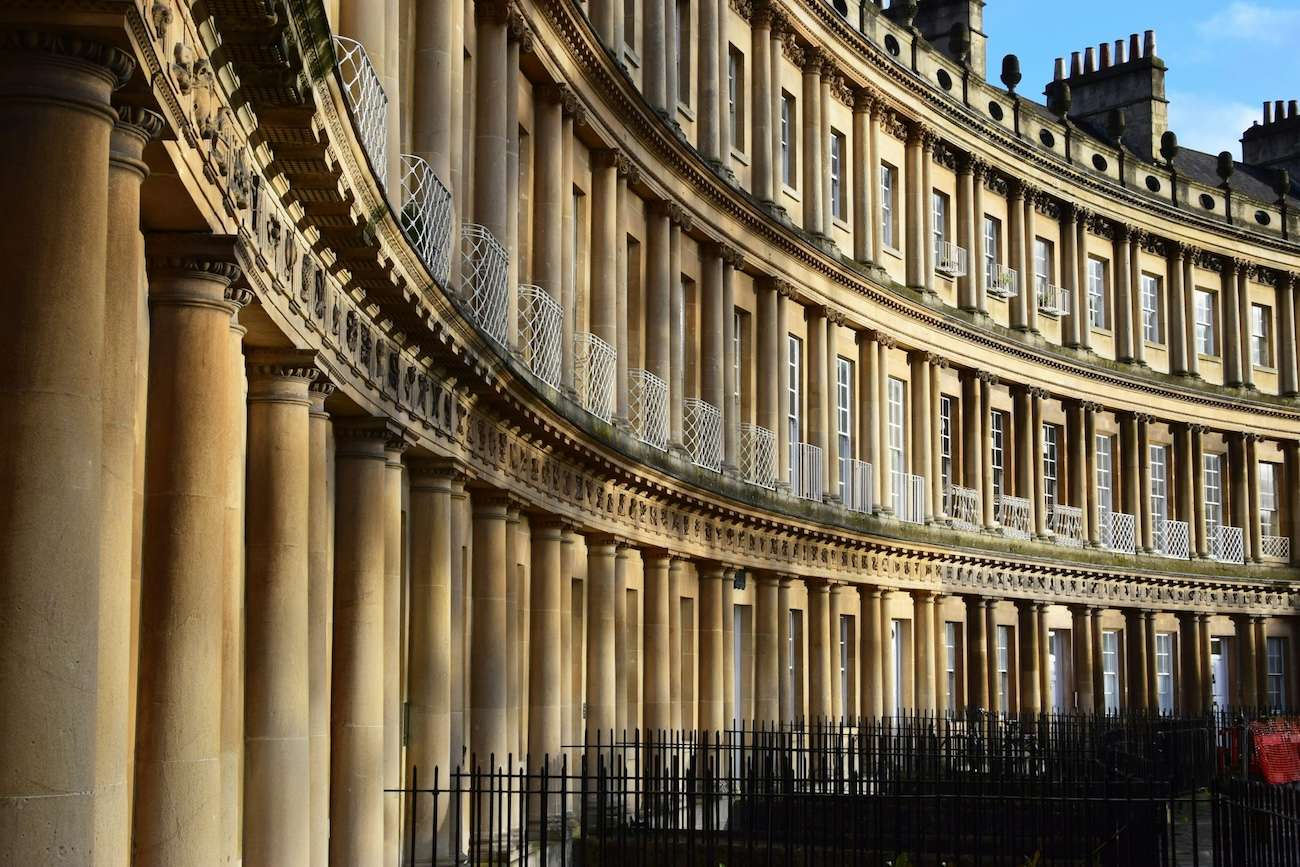 Photo by Matthew Waring on Unsplash
The Holburne Museum
Located at the end of Great Pulteney Street, the Holburne Museum houses an impressive collection of fine and decorative arts. Founded from the collection of Sir William Holburne, the museum features works by artists such as Thomas Gainsborough and J. M. W. Turner.
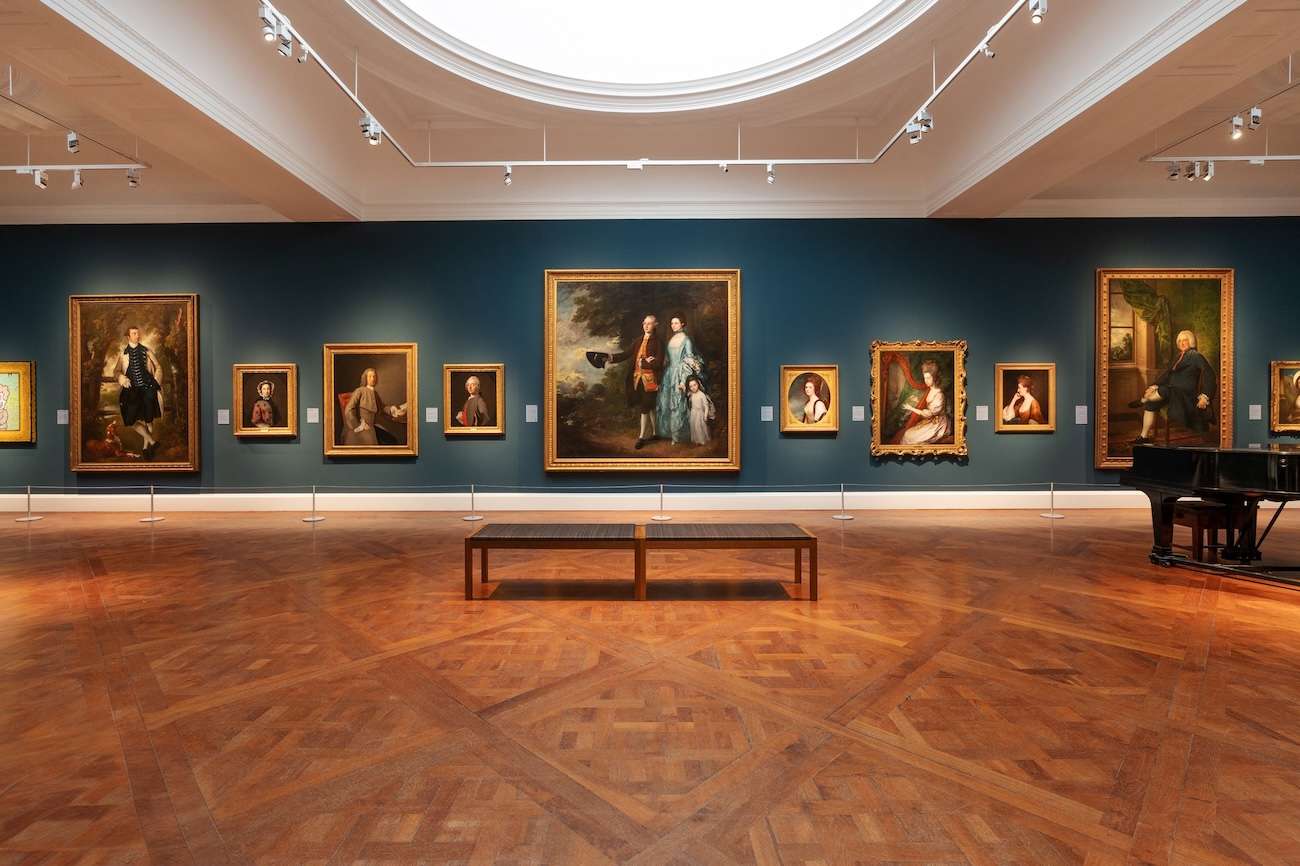 FACEBOOK The Holburne Museum
Royal Victoria Park
Opened in 1830 and named after Queen Victoria, this expansive park provides a green oasis close to the city center. Visitors can enjoy botanical gardens, colorful flower beds, and scenic views of the nearby Royal Crescent.
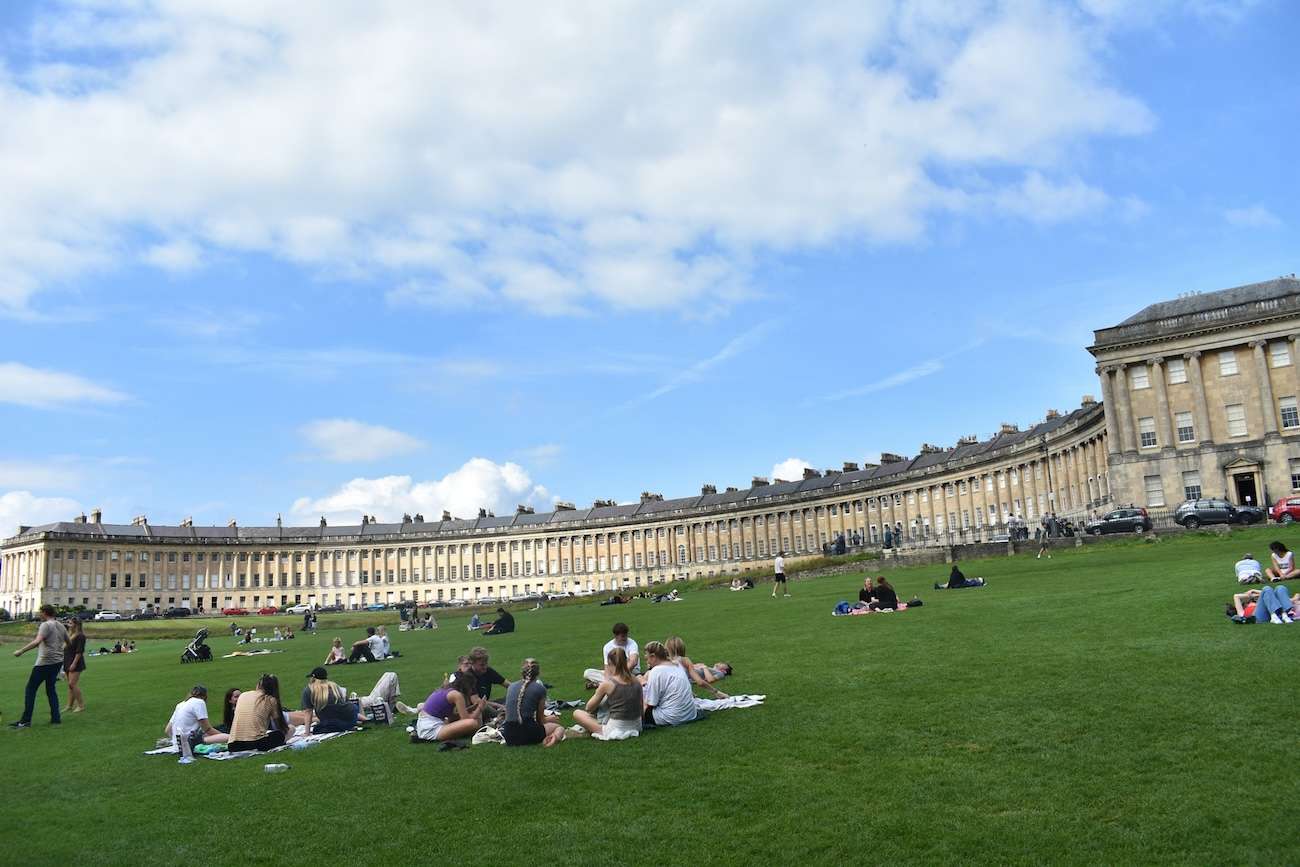 Photo by Martina Jorden on Unsplash
Prior Park Landscape Garden
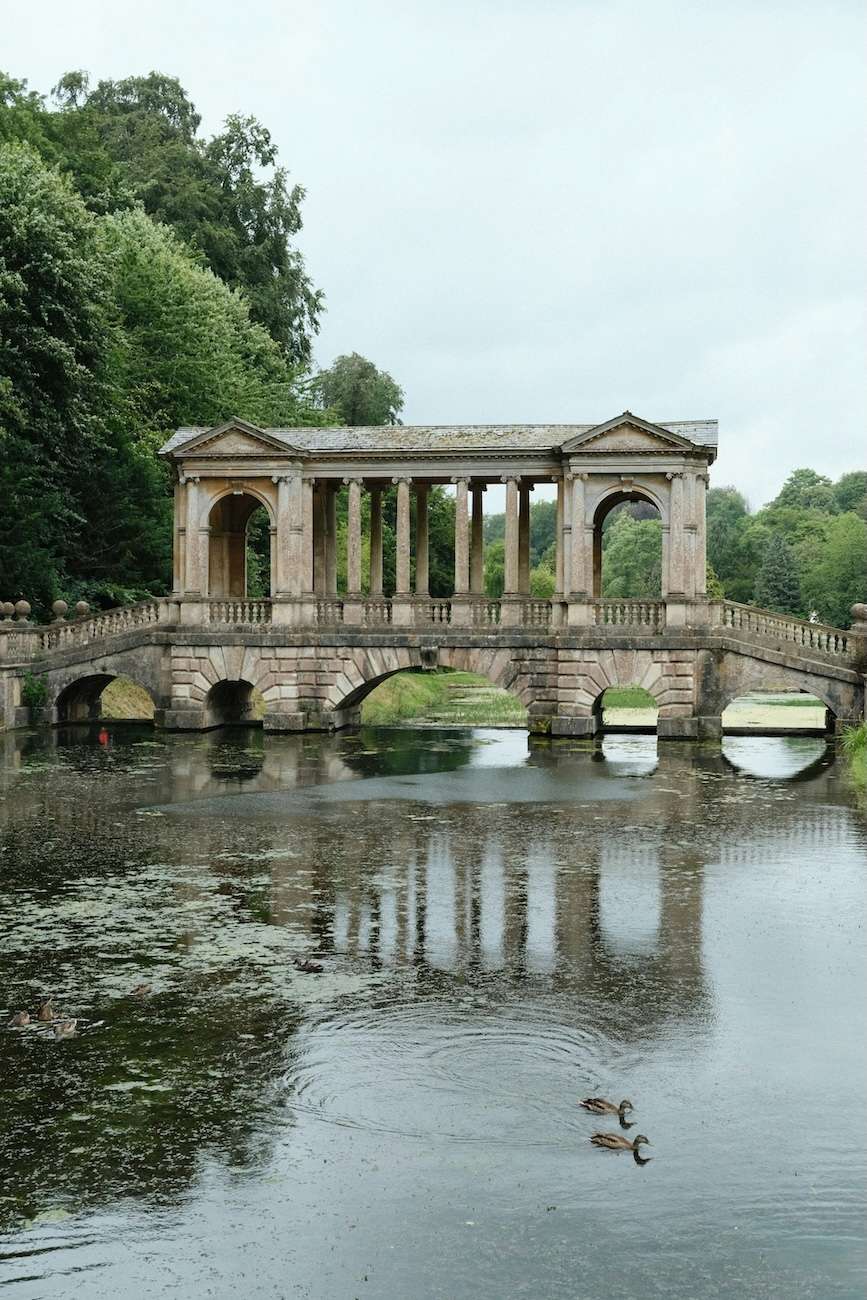 Photo by Cheuk Wai Lee on Unsplash
Managed by the National Trust, Prior Park Landscape Garden is famous for its elegant Palladian bridge and sweeping landscaped views. Created in the 18th century, the garden combines natural beauty with carefully designed vistas overlooking Bath.
Mary Shelley’s House of Frankenstein
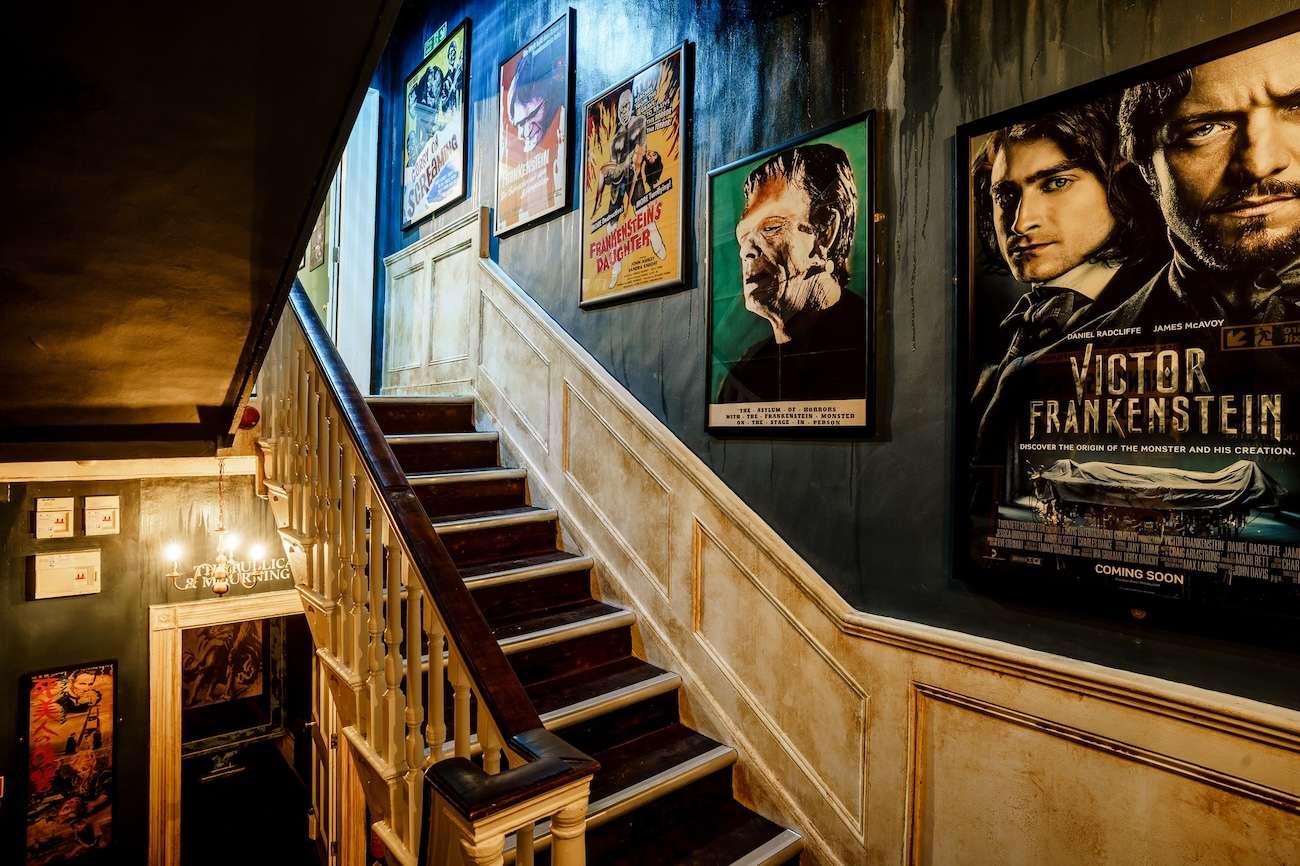
This immersive museum celebrates the life of Mary Shelley and her famous novel Frankenstein; or, The Modern Prometheus. Through interactive exhibits and atmospheric displays, visitors discover how Bath influenced the creation of one of literature’s most famous horror stories.
 FACEBOOK House of Frankenstein – Bath
Sally Lunn’s Historic Eating House & Museum
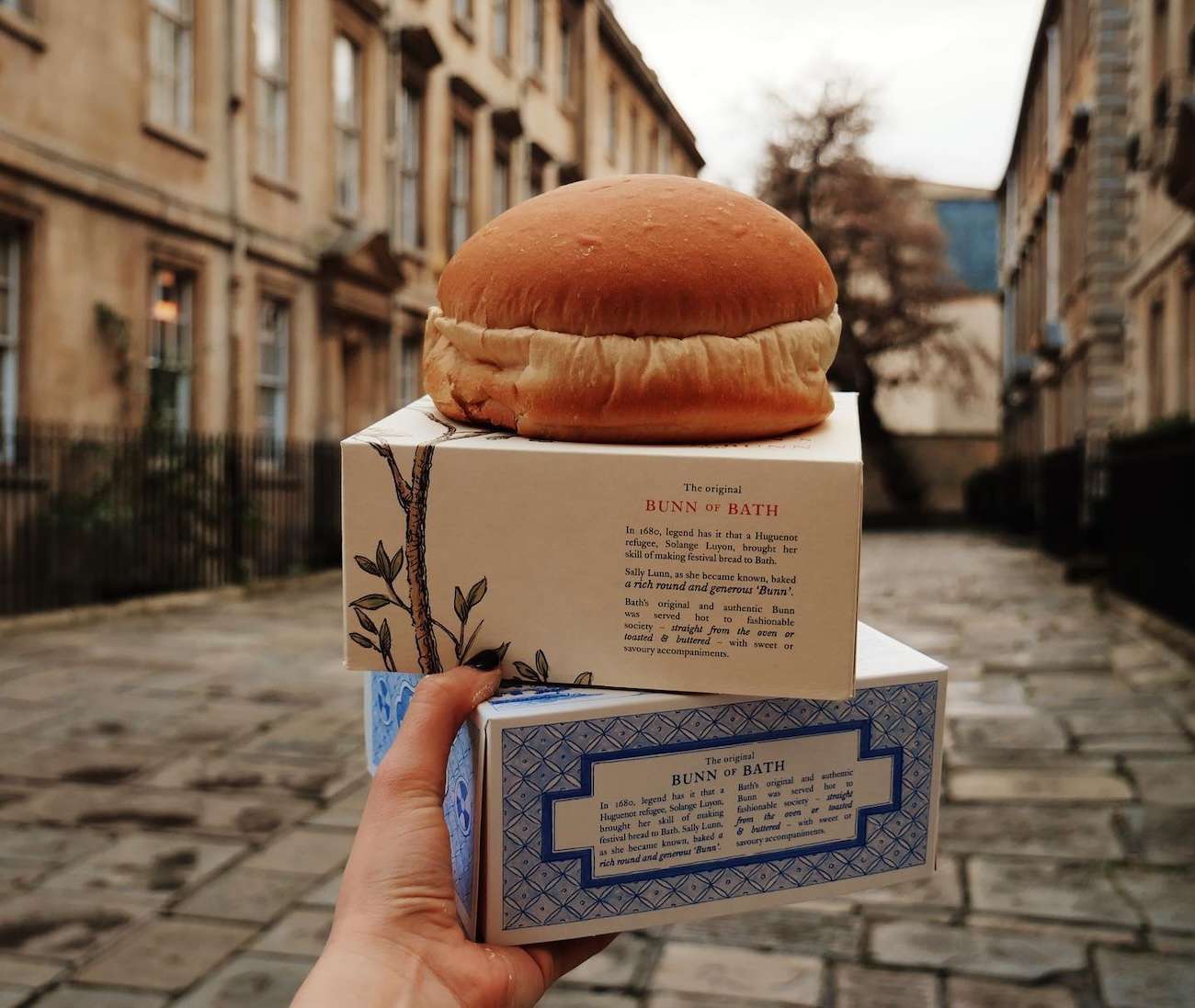
Housed in one of Bath’s oldest buildings, this historic tea house is famous for the legendary Sally Lunn bun—a light, sweet bread that has been enjoyed in the city for centuries. The small museum below the restaurant tells the story of the bun’s origins and the baking traditions that made it famous.
 FACEBOOK Sally Lunn’s Historic Eating House & Museum. BATH. UK
