Dining alfresco in the sun-dappled courtyard or upstairs beneath softly lit beams, every corner of Albergue 1601 whispers a story of tradition, community, and time-honored hospitality.
Long before neon lights and casino skylines, Macau became the first and longest-lasting European settlement in East Asia. At the heart of that story is Portugal, whose influence still hums through streets of the peninsula and kitchens cooking up tasty bacalhau.
In 1557, Portuguese traders were granted the right to settle in Macau, establishing a gateway between China and the wider world. For more than 400 years, Chinese and Portuguese communities lived side by side, shaping a hybrid culture that belongs fully to neither East nor West—and unmistakably to both. In 1999, Macau returned to Chinese sovereignty, becoming a Special Administrative Region of China. Yet Portugal’s presence did not fade into history books.
View this post on Instagram

ALBERGUE 1601 is the prime example. Far more than a restaurant — it’s a culinary journey through time and culture, nestled in the historic St. Lazarus Quarter of Macau, China. Housed in a beautifully restored century-old heritage building, this atmospheric dining destination celebrates Macau’s unique blend of Portuguese tradition and local charm.
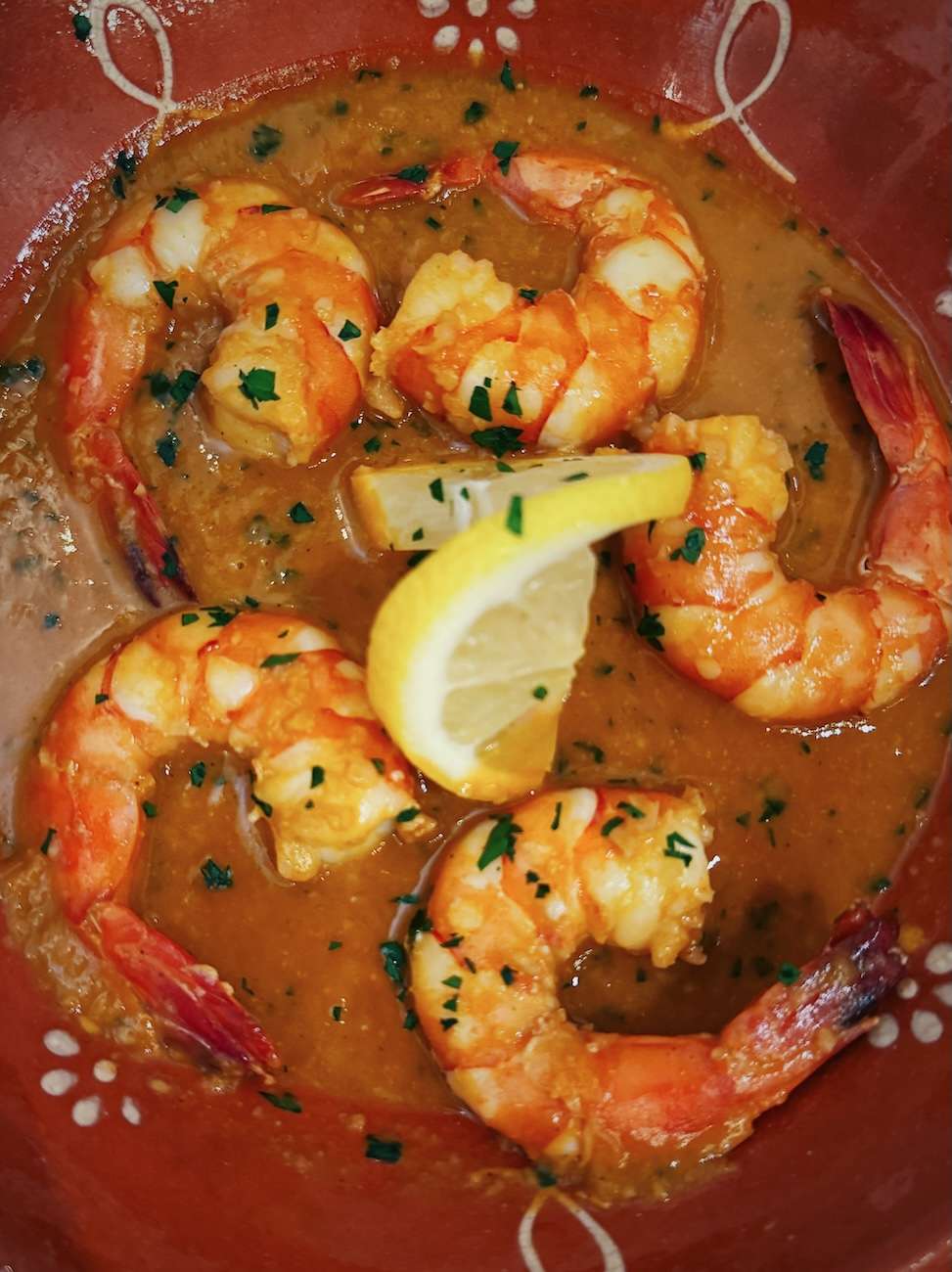 Gambas ao Alhinho. PHOTO WENDY HUNG
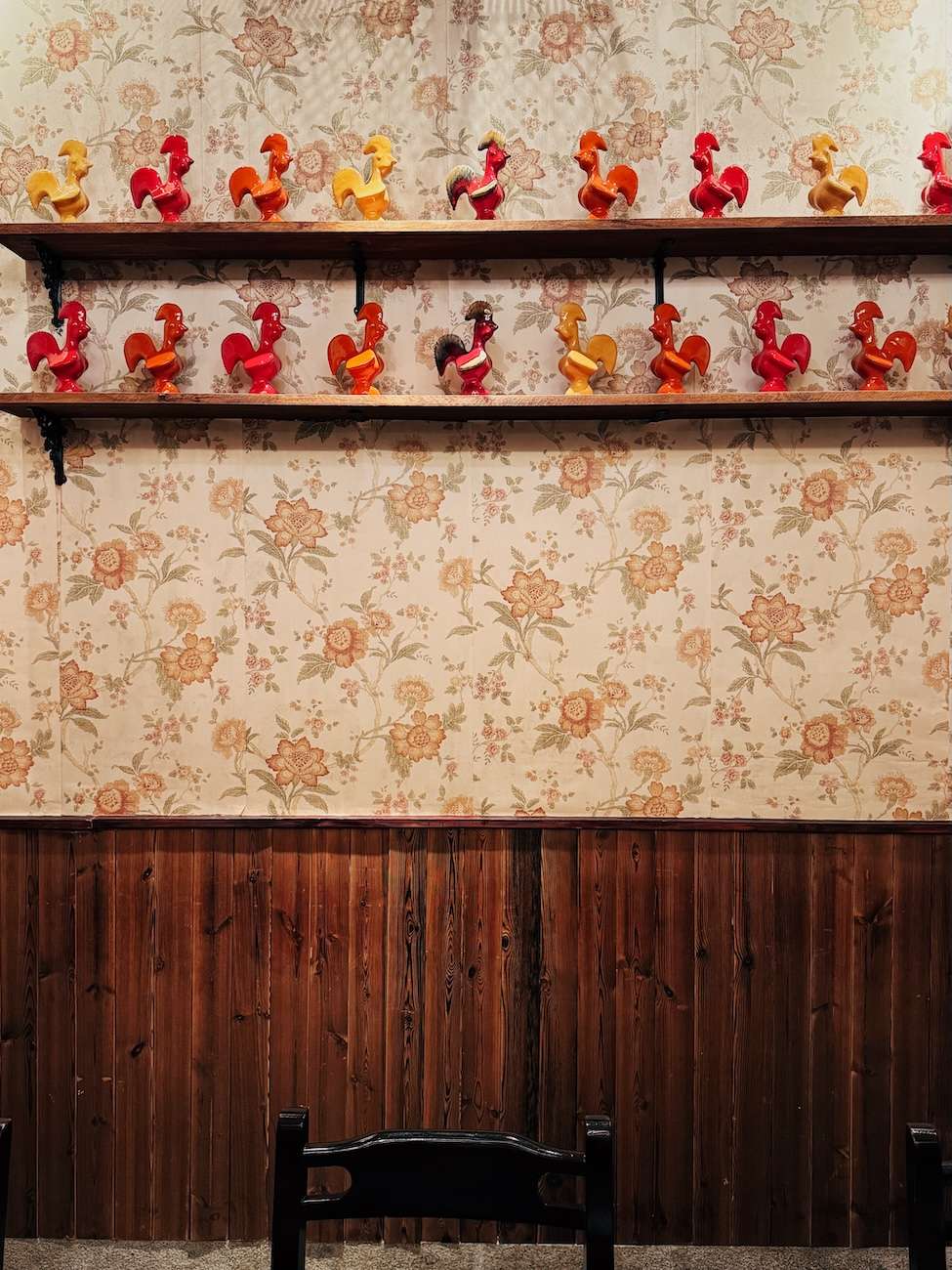 Rooster Room. PHOTO WENDY HUNG
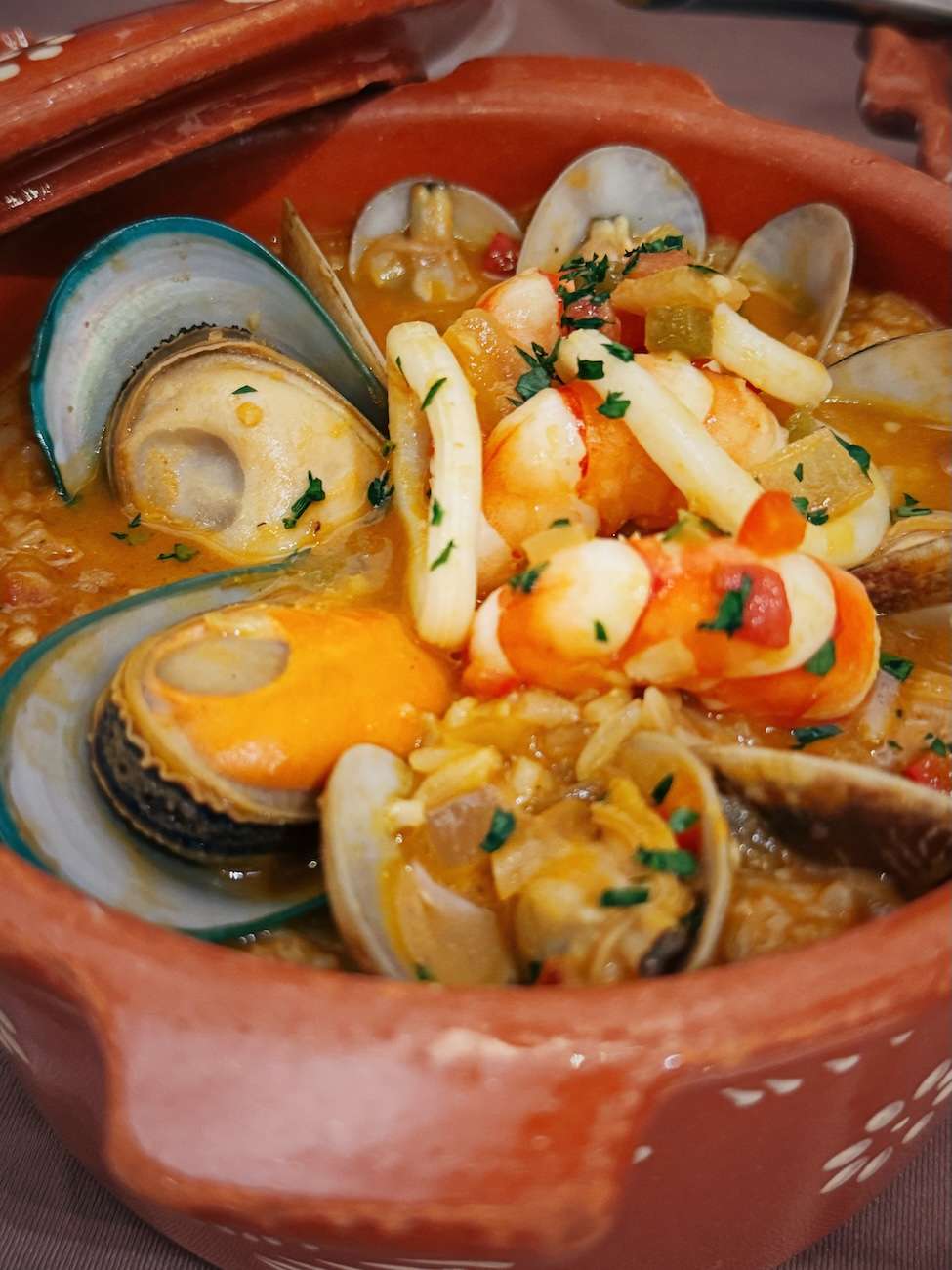 Arroz de Marisco. PHOTO WENDY HUNG
Step through the cobbled courtyard beneath towering camphor trees and hungry diners will be transported into the heart of Macau’s colonial past. The restaurant occupies part of a once-humble shelter known locally as “Old Women’s House” — originally serving as a refuge for the disadvantaged and elderly.
Today, the lovingly maintained yellow façade and classic architectural details echo the city’s Portuguese heritage, while the interior — with its warm wood, vintage décor, and intimate dining rooms — evokes the romance of old Lisbon.
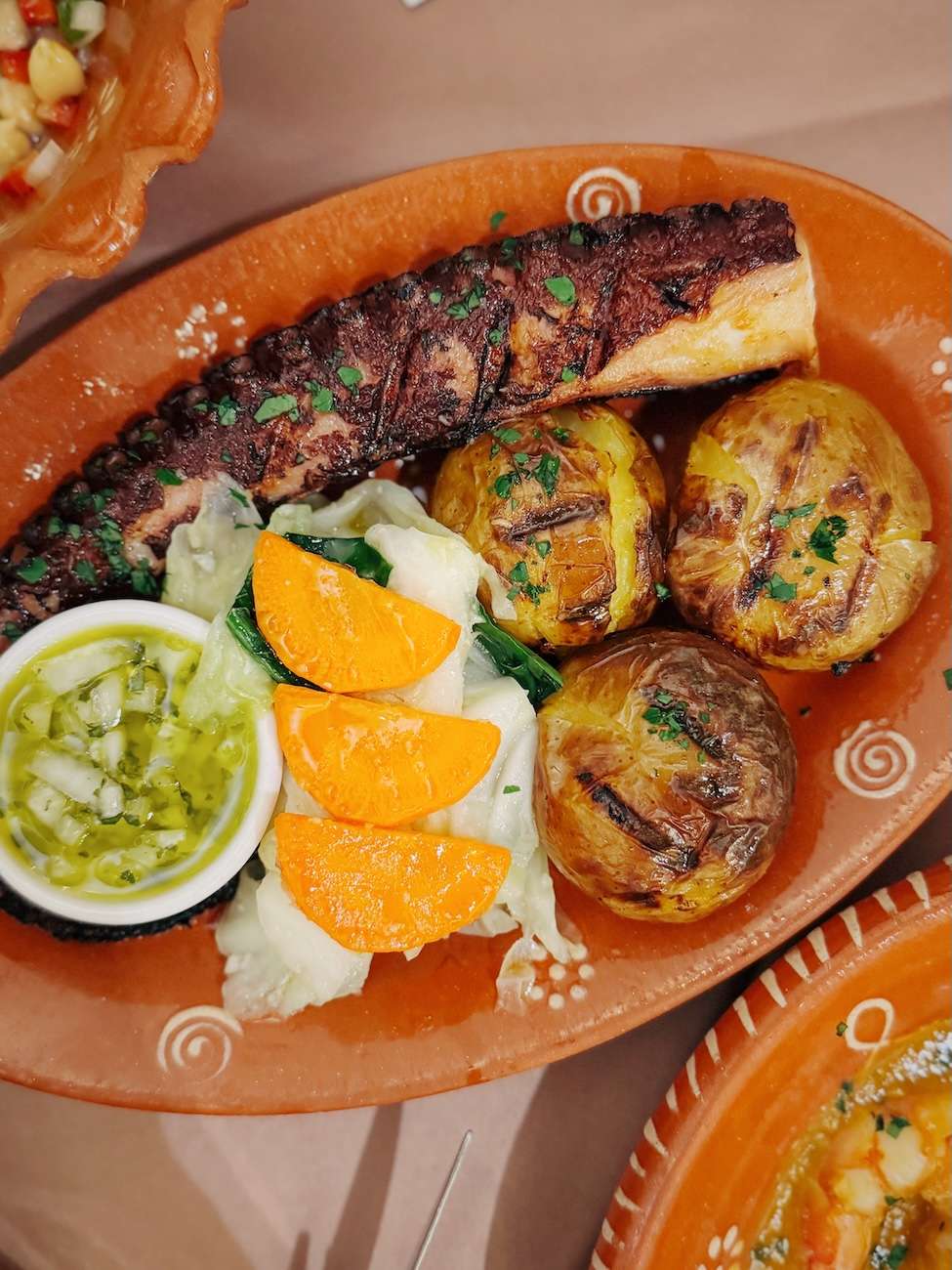 Delicious octopus. PHOTO WENDY HUNG
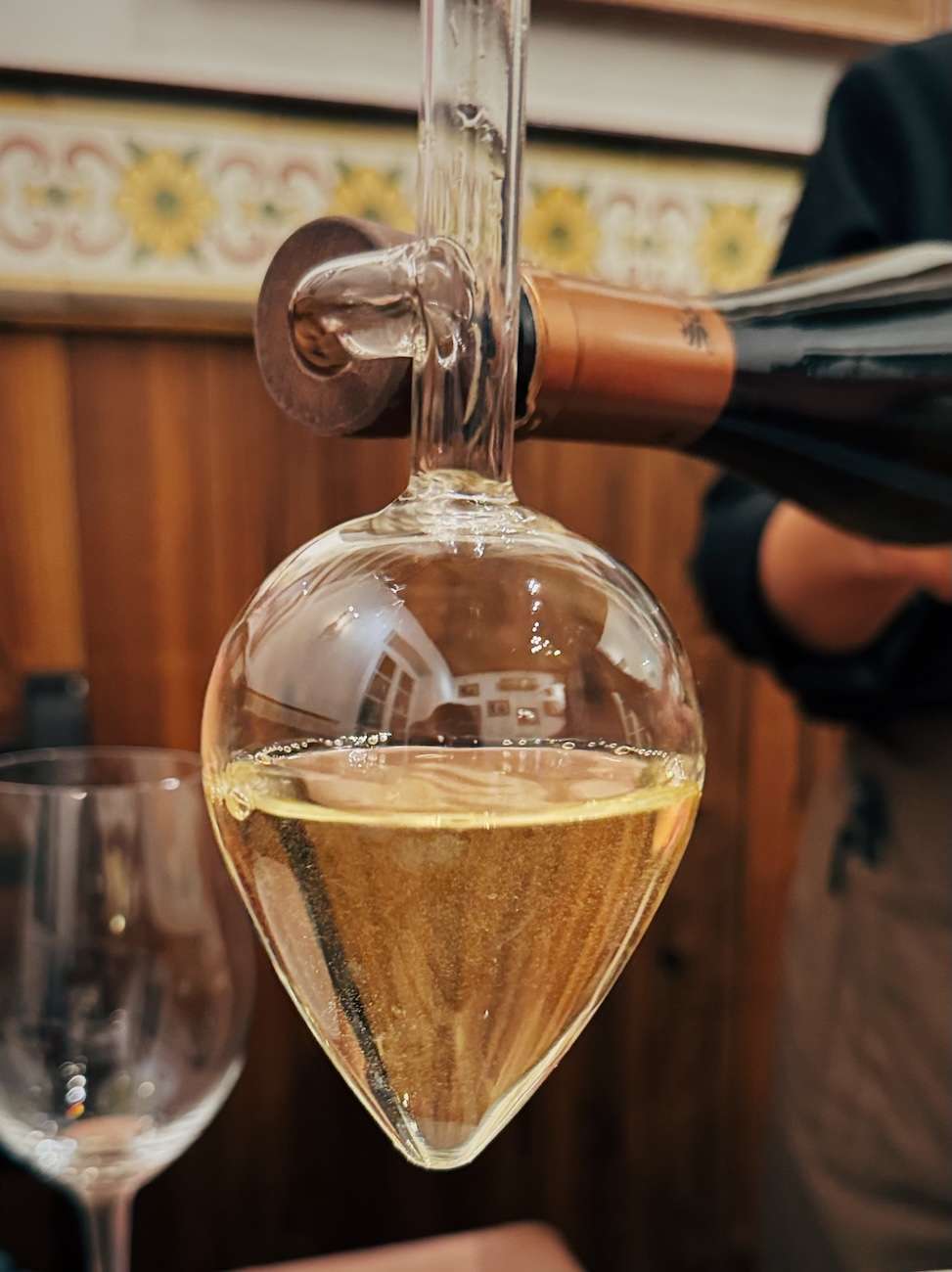 Wine measurer. PHOTO WENDY HUNG
At Albergue 1601, the kitchen pays homage to classic Portuguese cuisine, guided by a passion for simple, high-quality ingredients and refined technique. From comforting staples like Grilled Chicken and Octopus cooked to perfection, to signature indulgences including: Bacalhau Codfish with Chickpea Salad as well as the Garlic Shrimp; the menu invites guests to savor Portugal’s most beloved flavors right in Macau.
Led by Asai, co-founder of Portuguese Restaurants & Retail Concepts (PRRC,) Senior Executive Chef Pedro Almeida, Executive Chef Mauro Almeida and General Manager Ricardo Balocas; dining at Albergue 1601 is an immersion into history and culture. The team sat down with us, to unveil the rich heritage of a beloved culinary gem.
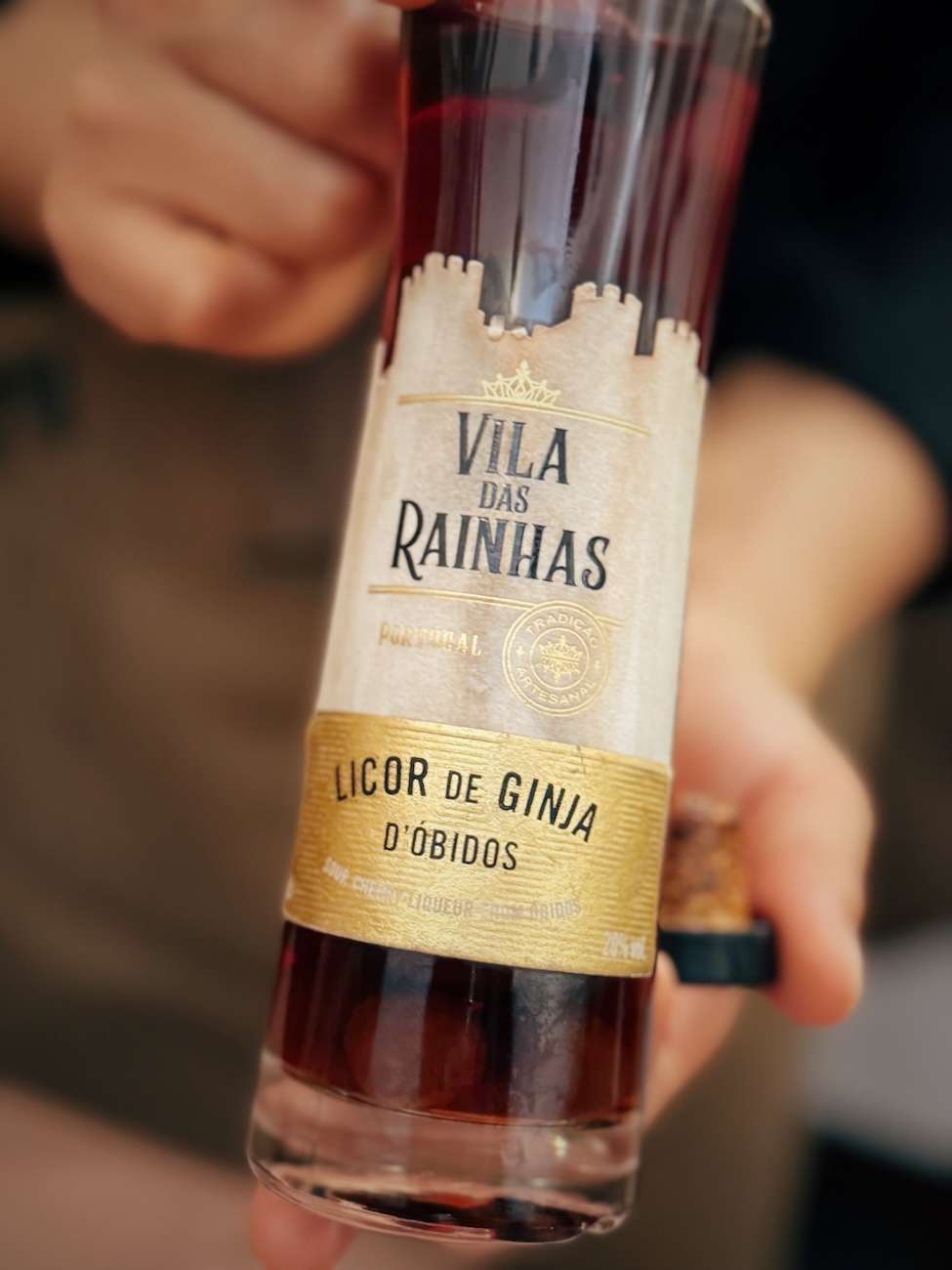 Morello cherry liquor. PHOTO WENDY HUNG
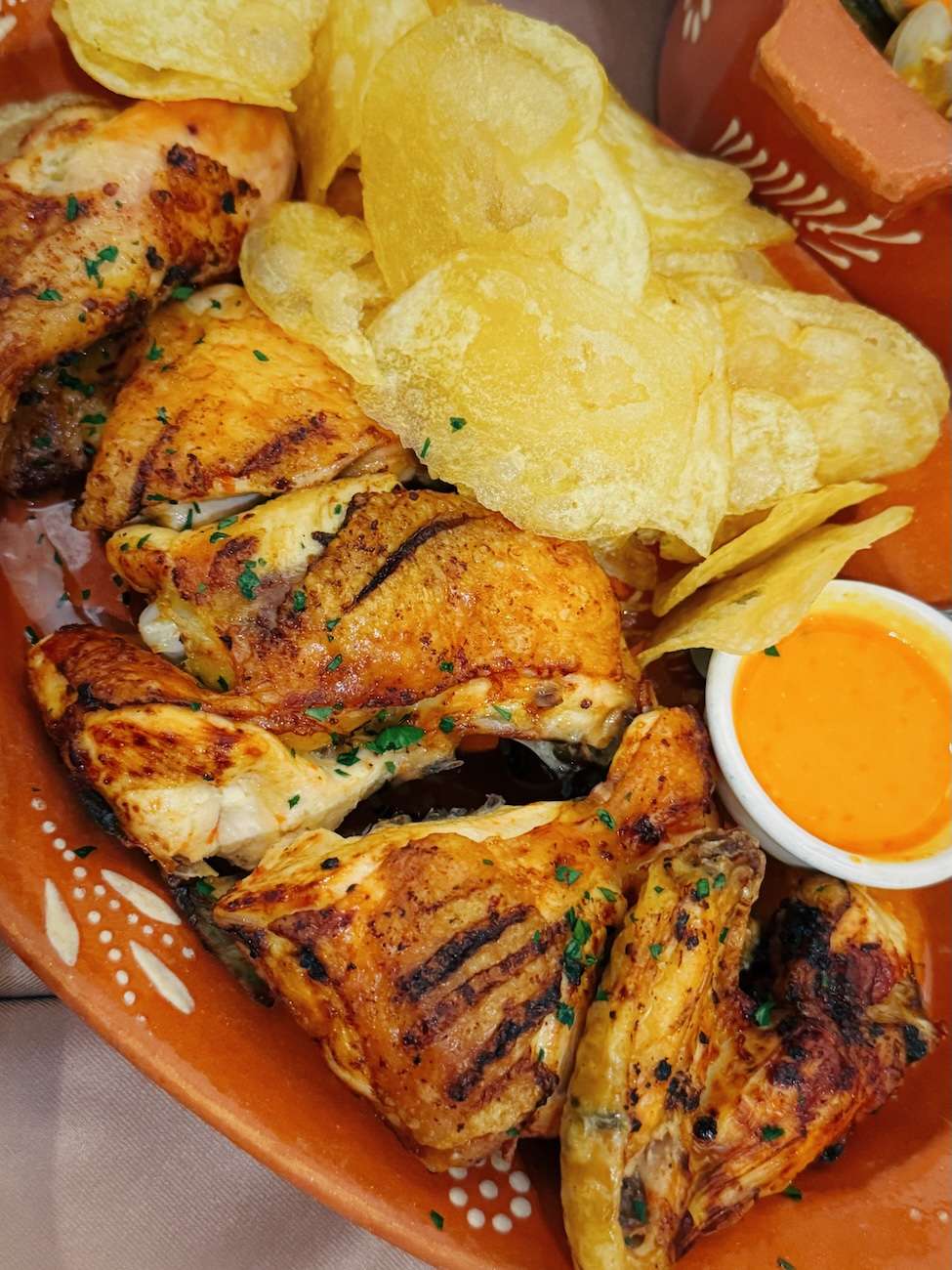 Aromatic chicken. PHOTO WENDY HUNG
Tell us a little bit about the history of Albergue 1601?
RB: We opened 14 years ago, this restaurant before was named albergue. And the word means “small hostel” or “refuge” in Portuguese. This place was intended to help elderly women from Macau, and also to help refugees from World War I. It was like that until the late 90s, after that it was an Italian restaurant which wasn’t ours.
Then, we opened the Portuguese restaurant. And that’s how we started our group, we have four restaurants and a bakery. After we opened Albergue 1601, my boss (Asai) fell in love with Portuguese gastronomy and our culture. He went to Portugal many times, and and always brought some ideas back to Macau to open more businesses.
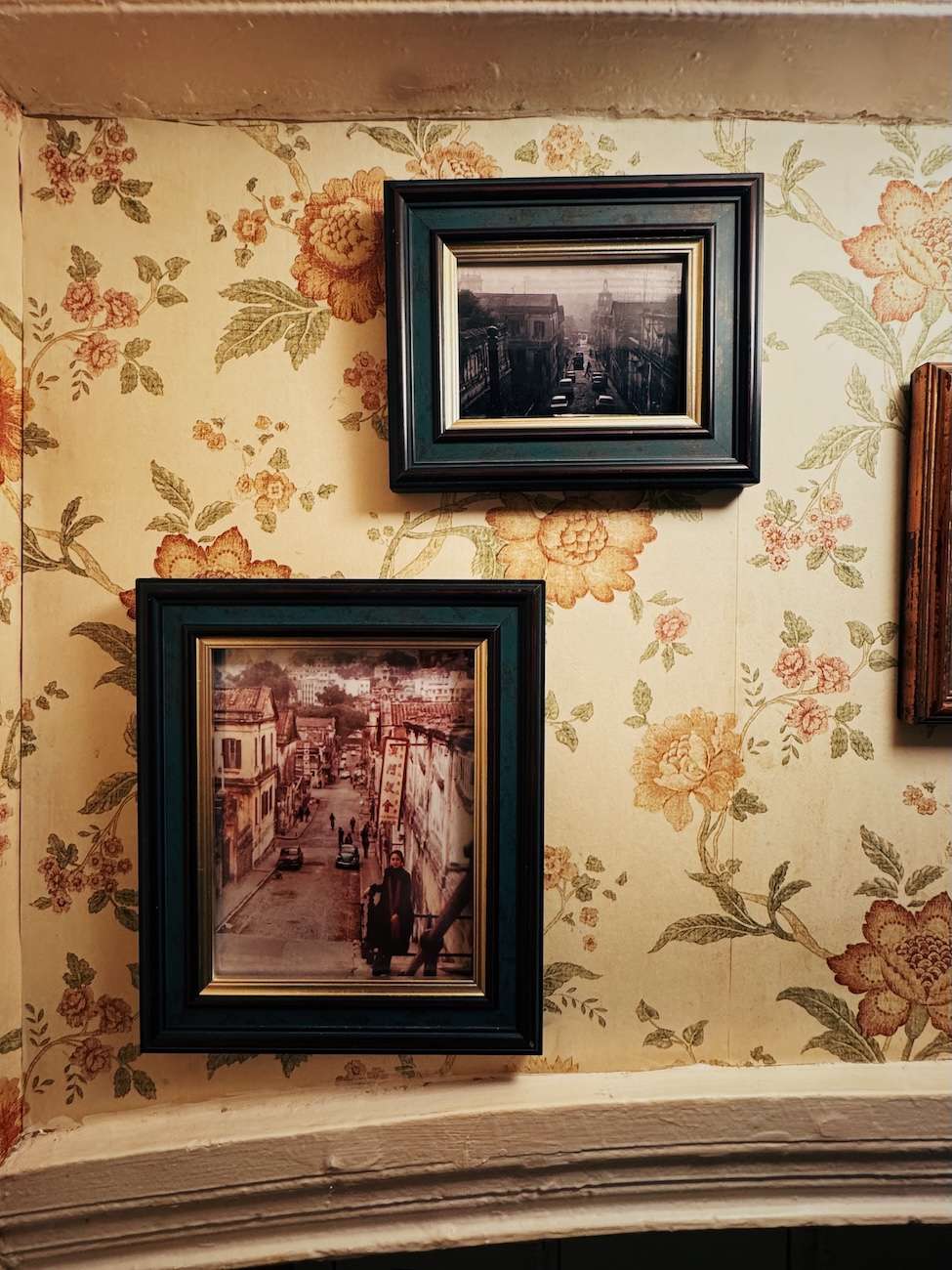 Historic photographs. PHOTO WENDY HUNG
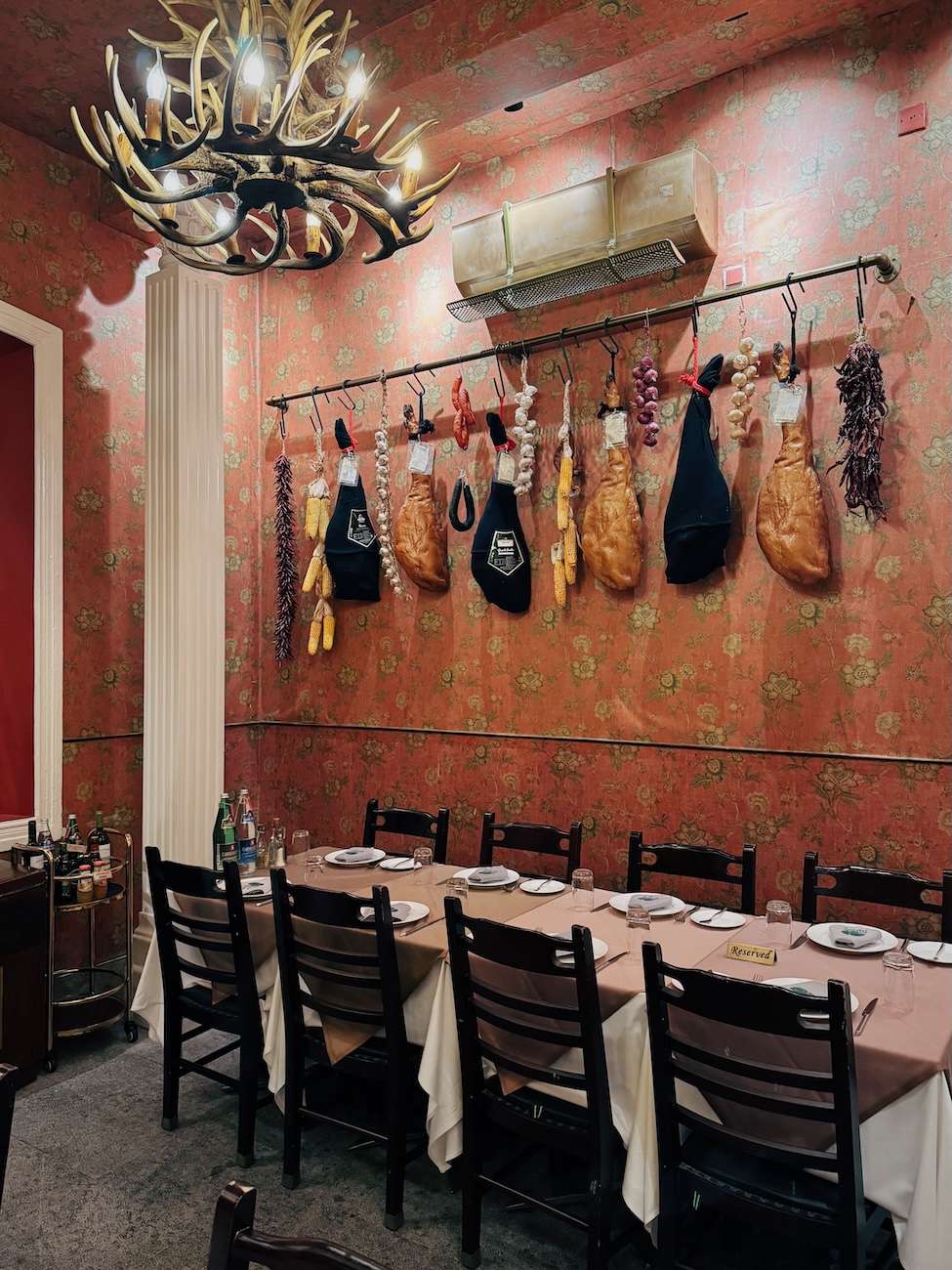 Ham and vine room. PHOTO WENDY HUNG
Can you explain the logo of the restaurant?
RB: The logo of our restaurant is two camphor trees, they’re more than 110 years old – the ones in our courtyard. And that’s what makes our restaurant special, it’s not just the food and the location, but these trees are the logo of our restaurant. They’re very magical trees because they’re very connected. I usually tell a funny story that during a typhoon, the husband saw that the wife was struggling, he grabbed her until today, and that’s our logo now. They’re connected in two branches, which is very magical and rare.
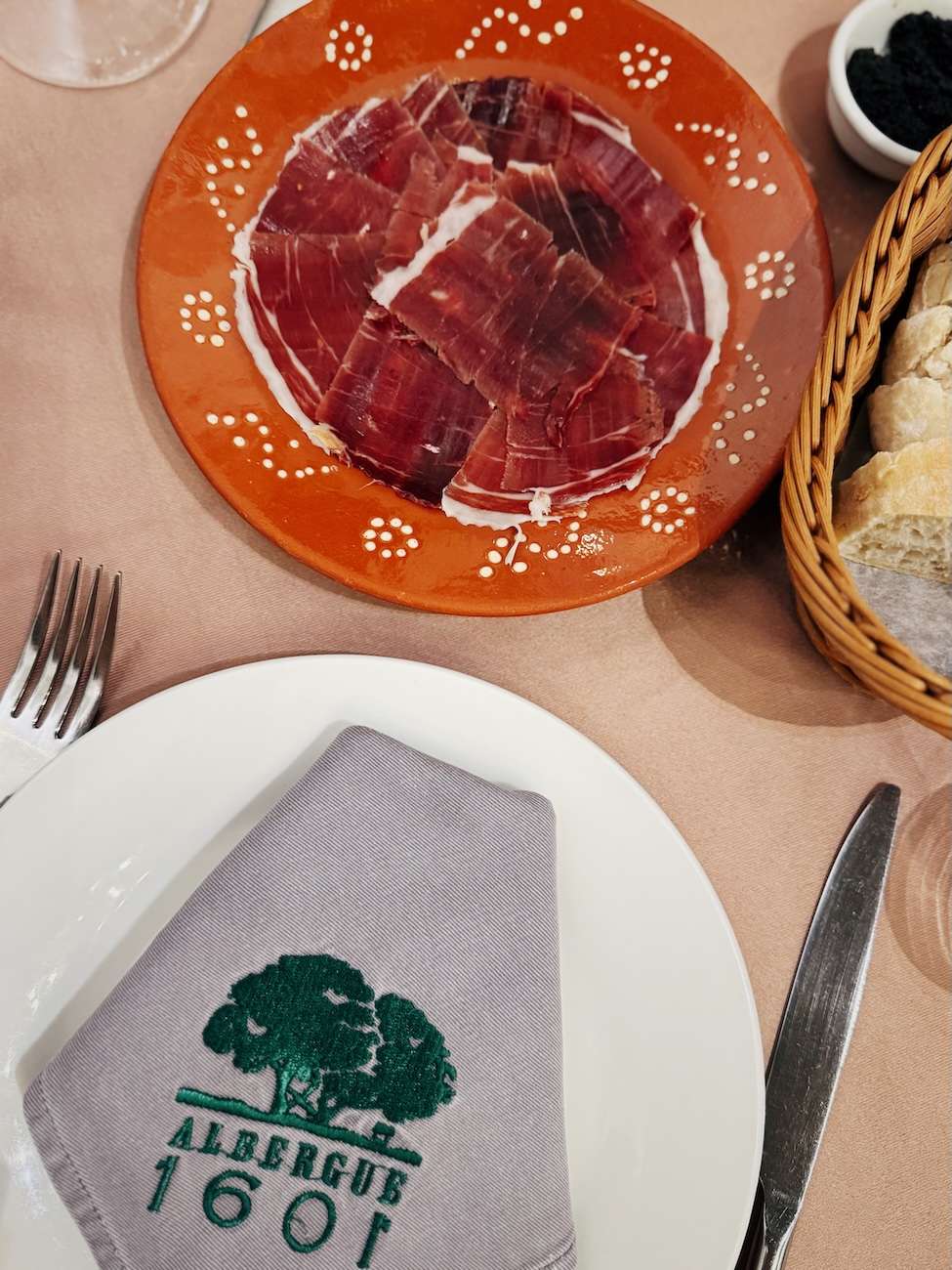 Trees logo. PHOTO WENDY HUNG
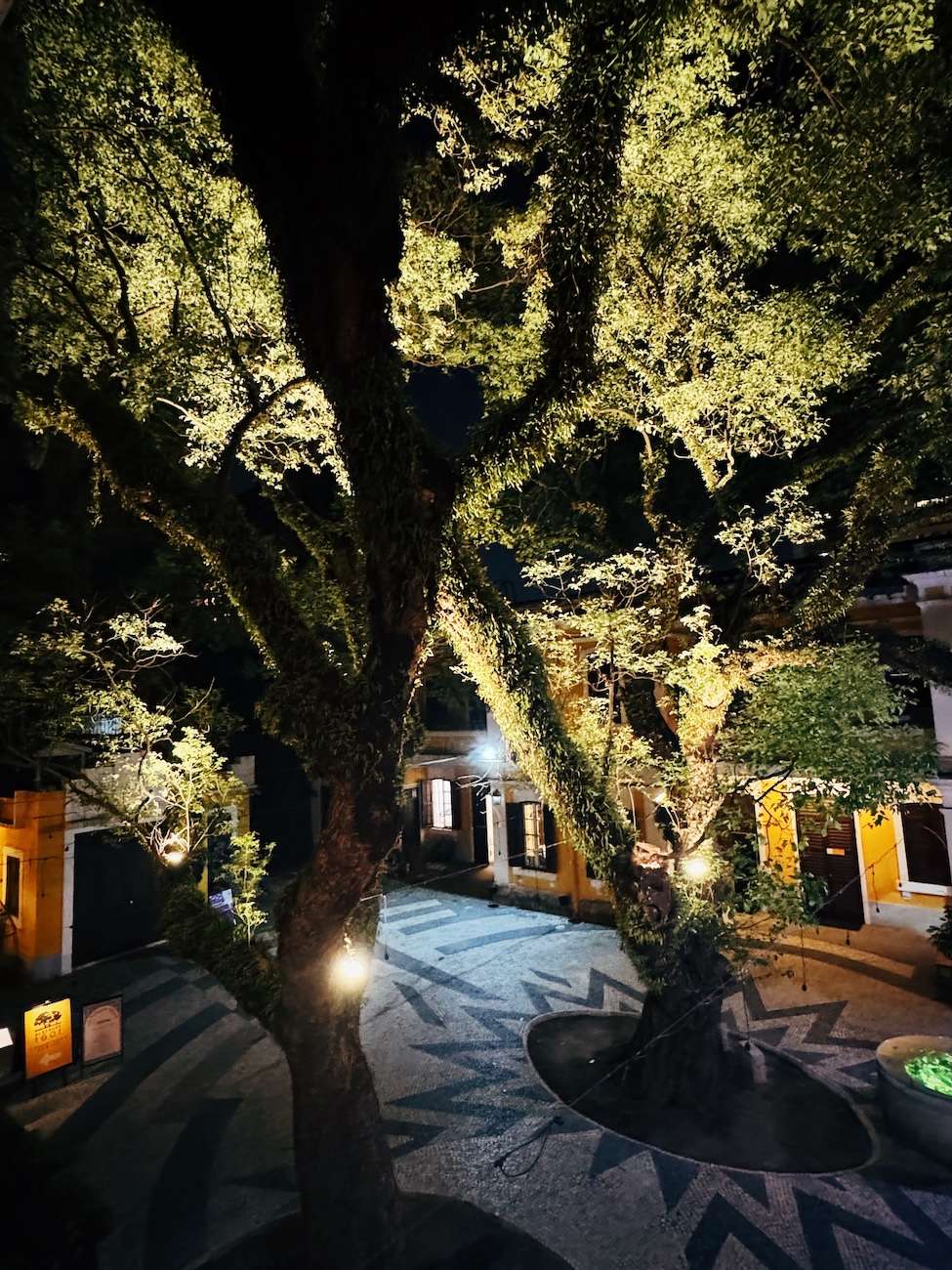 Connected Camphors. PHOTO WENDY HUNG
Mauro, what about your signature dishes?
MA: Clams in White Wine is a very traditional dish in Portugal, maybe it’s one of the best. When you think about Portugal, you’ll think about seafood. Of course, Bacalhau is maybe the main ingredient in Portugal. There are probably thousands of recipes that exist in the country, everyone has their own version of it.
Our Garlic Shrimp with Seafood Sauce has a lot of flavor. When you try it, you’ll feel like you’re in Portugal because of the taste of the sea.
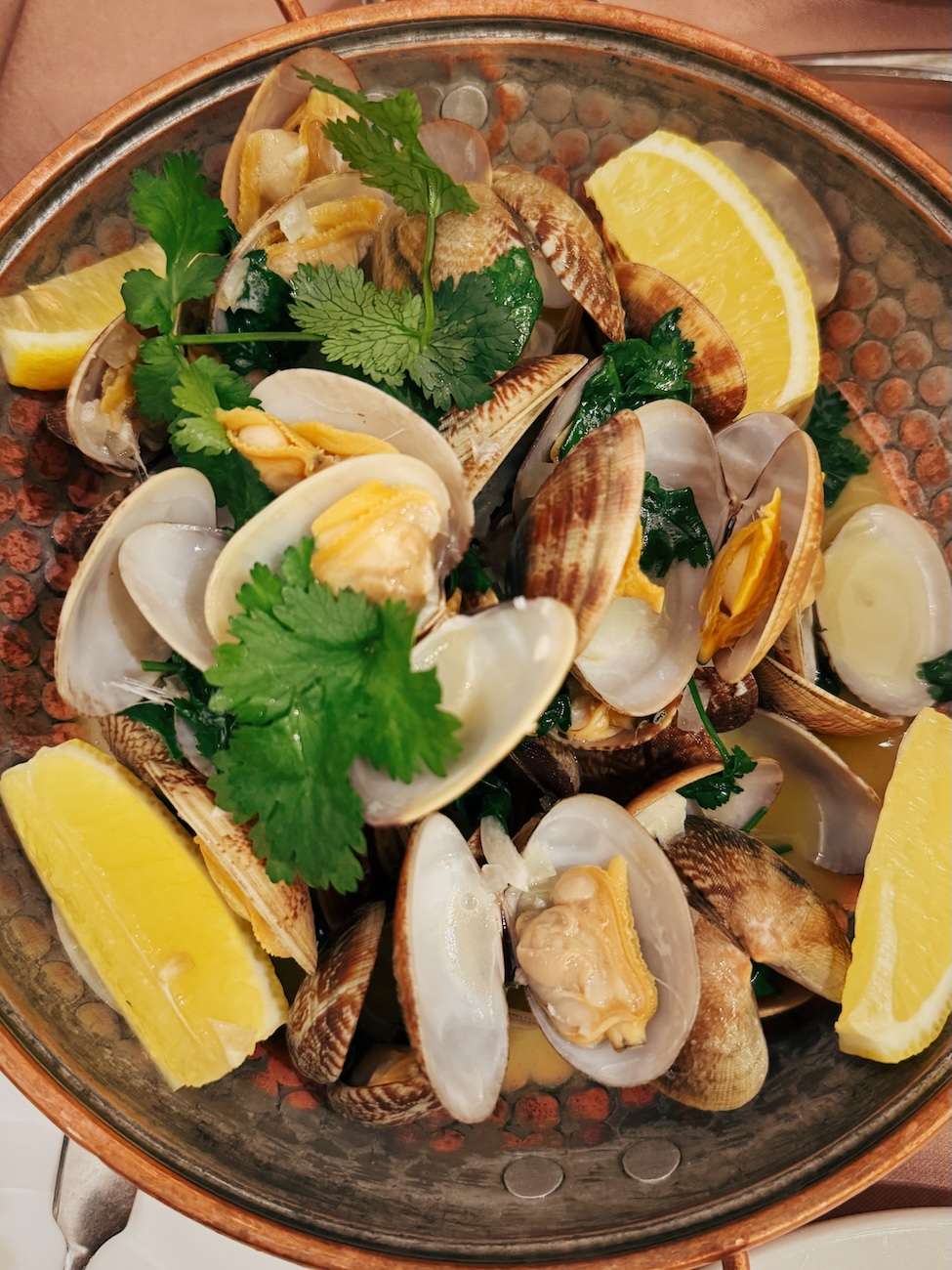 Clams in White Sauce. PHOTO WENDY HUNG
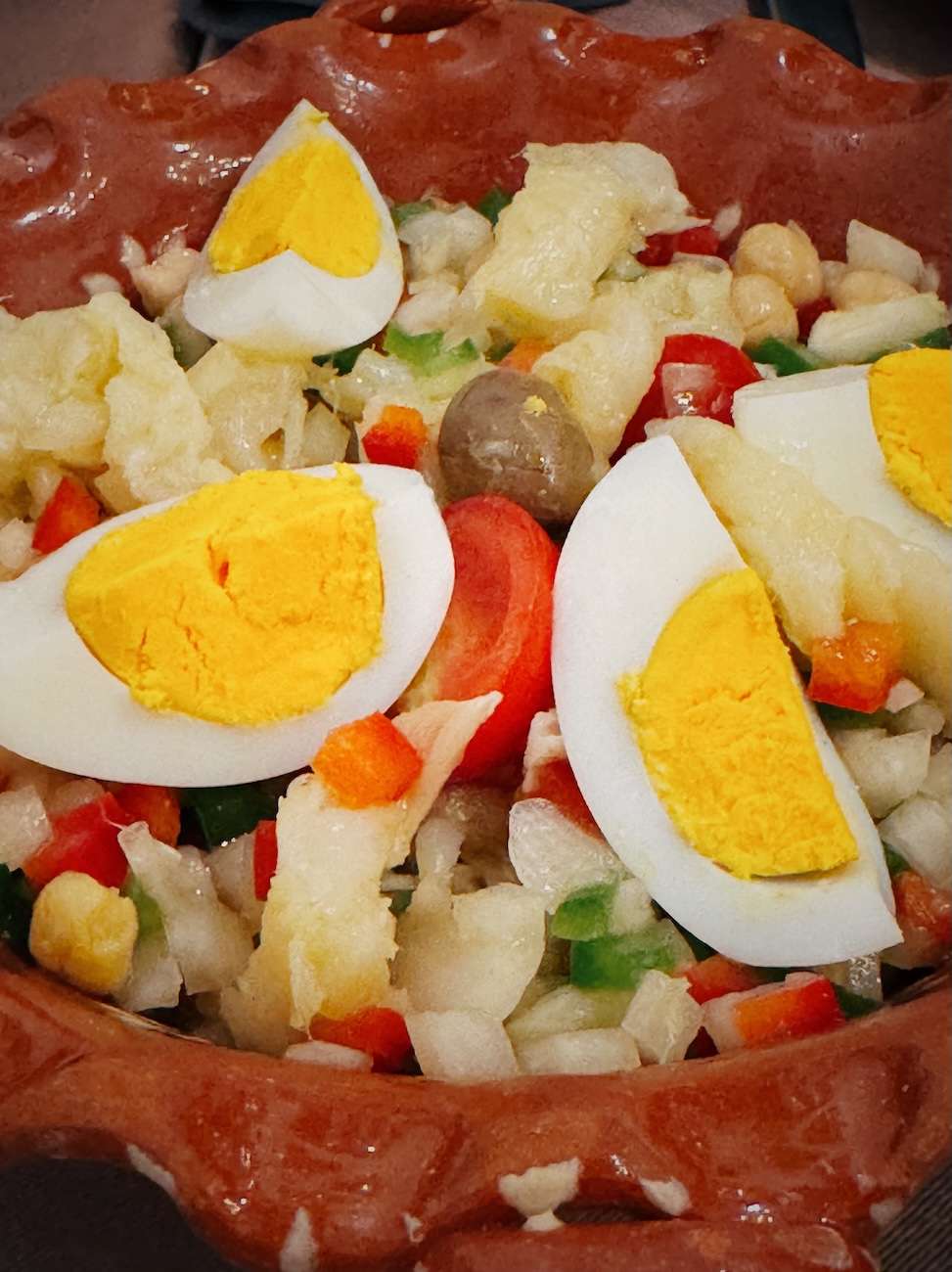 Bacalhau Codfish with Chickpeas Salad. PHOTO WENDY HUNG
Ricardo, what’s the story behind Amália Room?
RB: Amália was the diva of fado, which is the traditional music in Portugal. We have six rooms in this restaurant and instrumental fado music is played throughout each room, except in this room, we have Amália singing. Fado can be sad and a little bit nostalgic, it’s the kind of music that gets deep. But Amália has a lot of happy music, so I selected the most happy music for this room. And we have one of the largest record collections of Amália, she was the artist who performed in the biggest stages in the world.
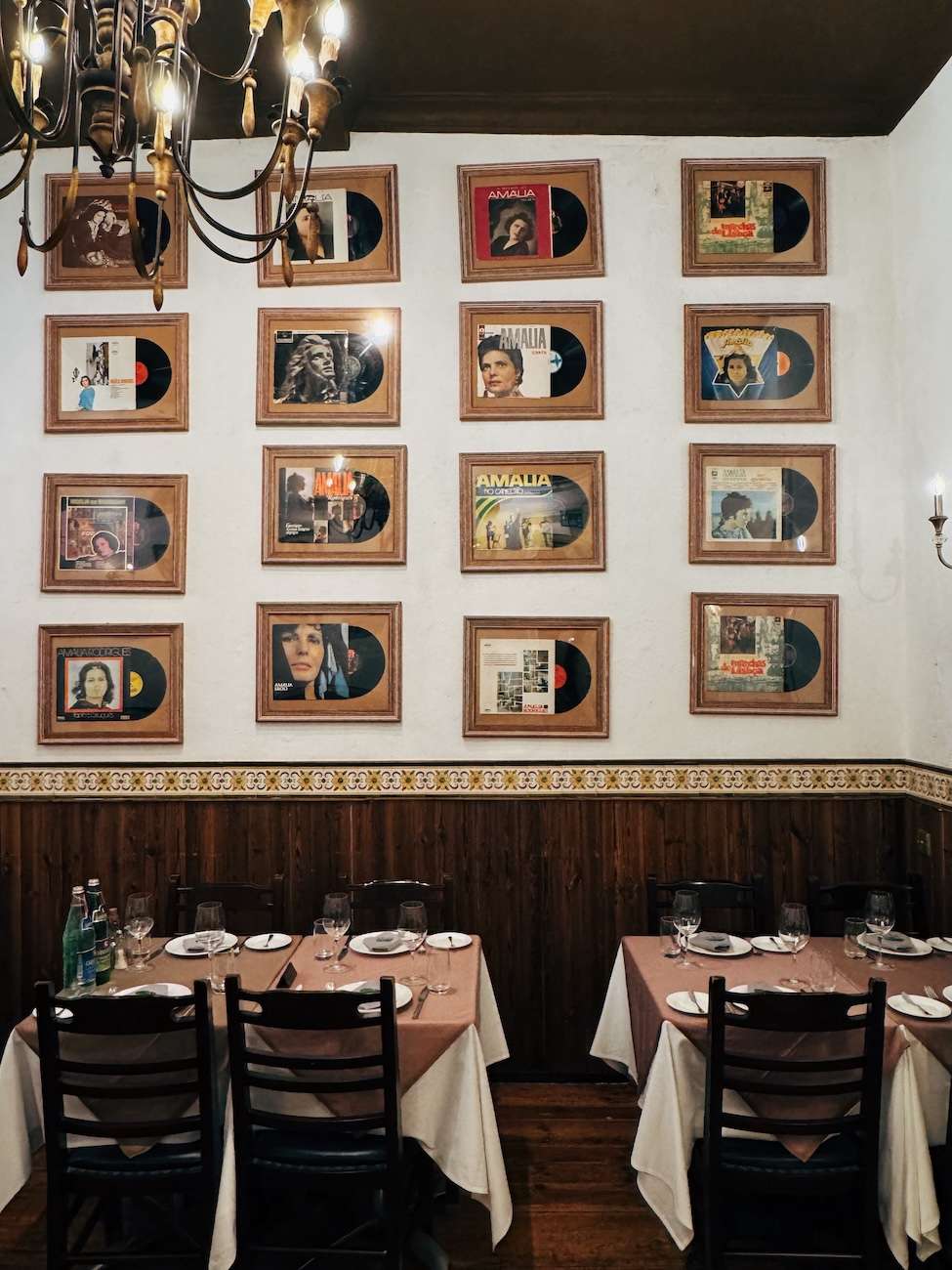 Amália Room. PHOTO WENDY HUNG
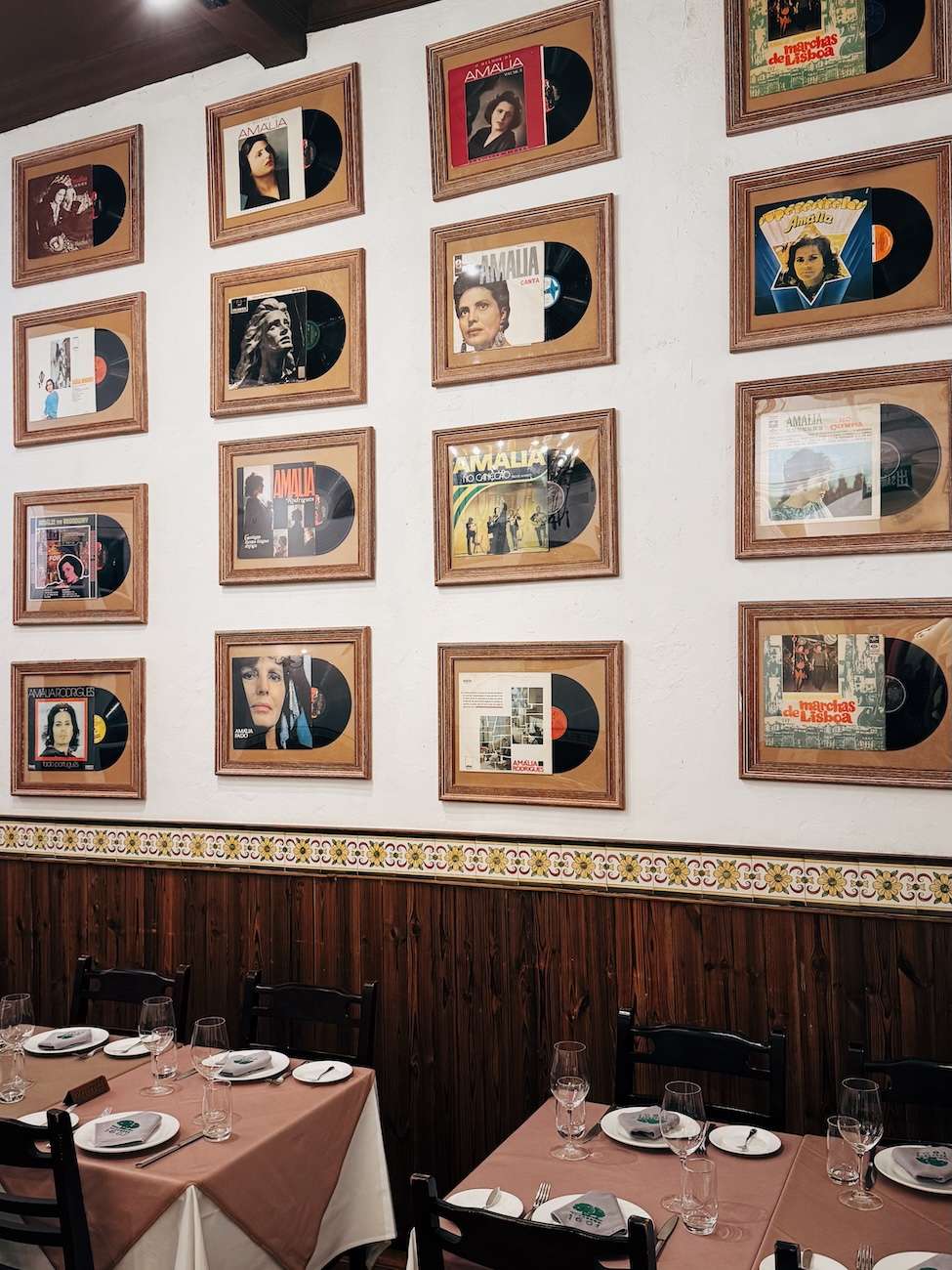 Massive record collection of Amália Rodrigues. PHOTO WENDY HUNG
And the Boat Room?
RB: Portuguese have a very strong and close connection to the ocean, since we discovered the world with caravels, there’s a replica here and fishing boats. So this room is a dedication to the sea, all of our history and connection with the ocean.
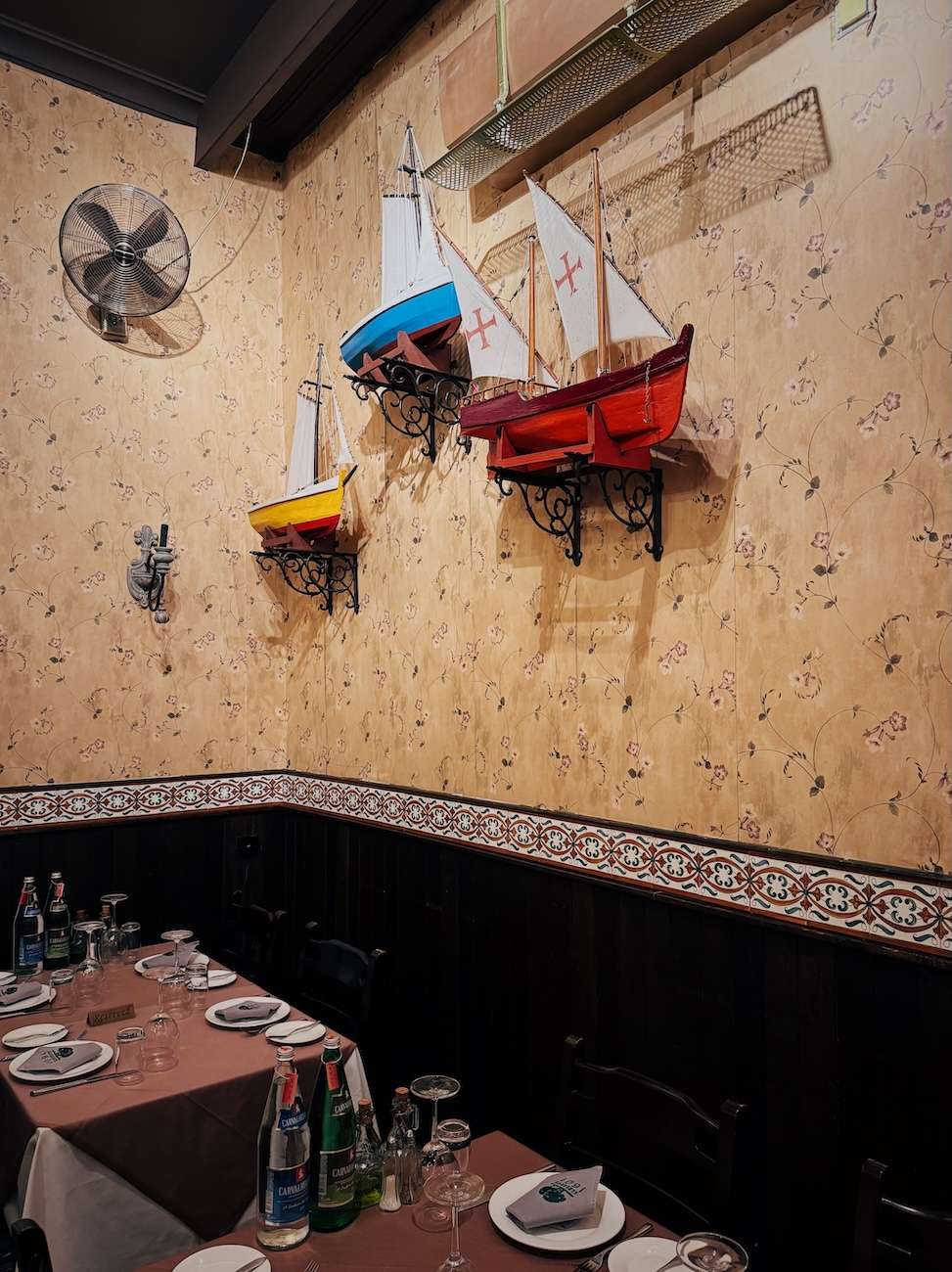 Boat Room. PHOTO WENDY HUNG
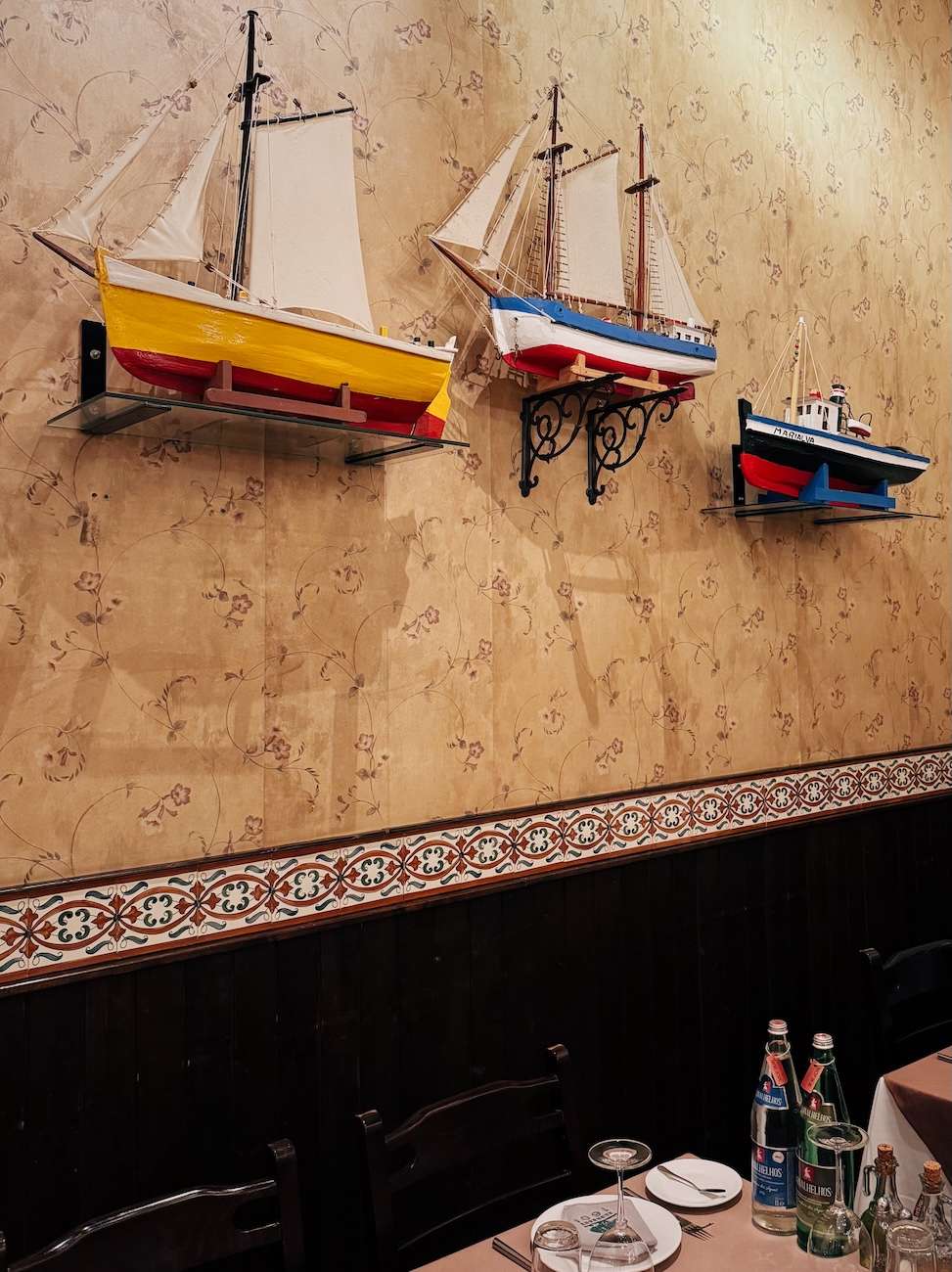 Handcrafted art. PHOTO WENDY HUNG
The boats were handmade by a gentleman who is an artist in Porto. My boss went to that shop, he fell in love with the quality of the boats that are so beautiful to decorate our restaurant with. So he bought all the boats that the artist had in that shop, this was mentioned in an article in the Portuguese newspaper. That a Hong Kong businessman went to that shop and bought all the boats from the artist.
Two years later, I went to Portugal and my boss told me to return to the shop. But the wife of that gentleman said that they didn’t have any boats yet because they had to restart making all of them again.
Walk us through the Camilo Pessanha Room…
RB: Camilo Pessanha was a poet and a judge in Macau, very famous. We have a tribute made by our landlord, the architect Marreiros who created these panels. It’s not just a tribute for the judge but memories of Portuguese discovery, like caravels and some short poems.
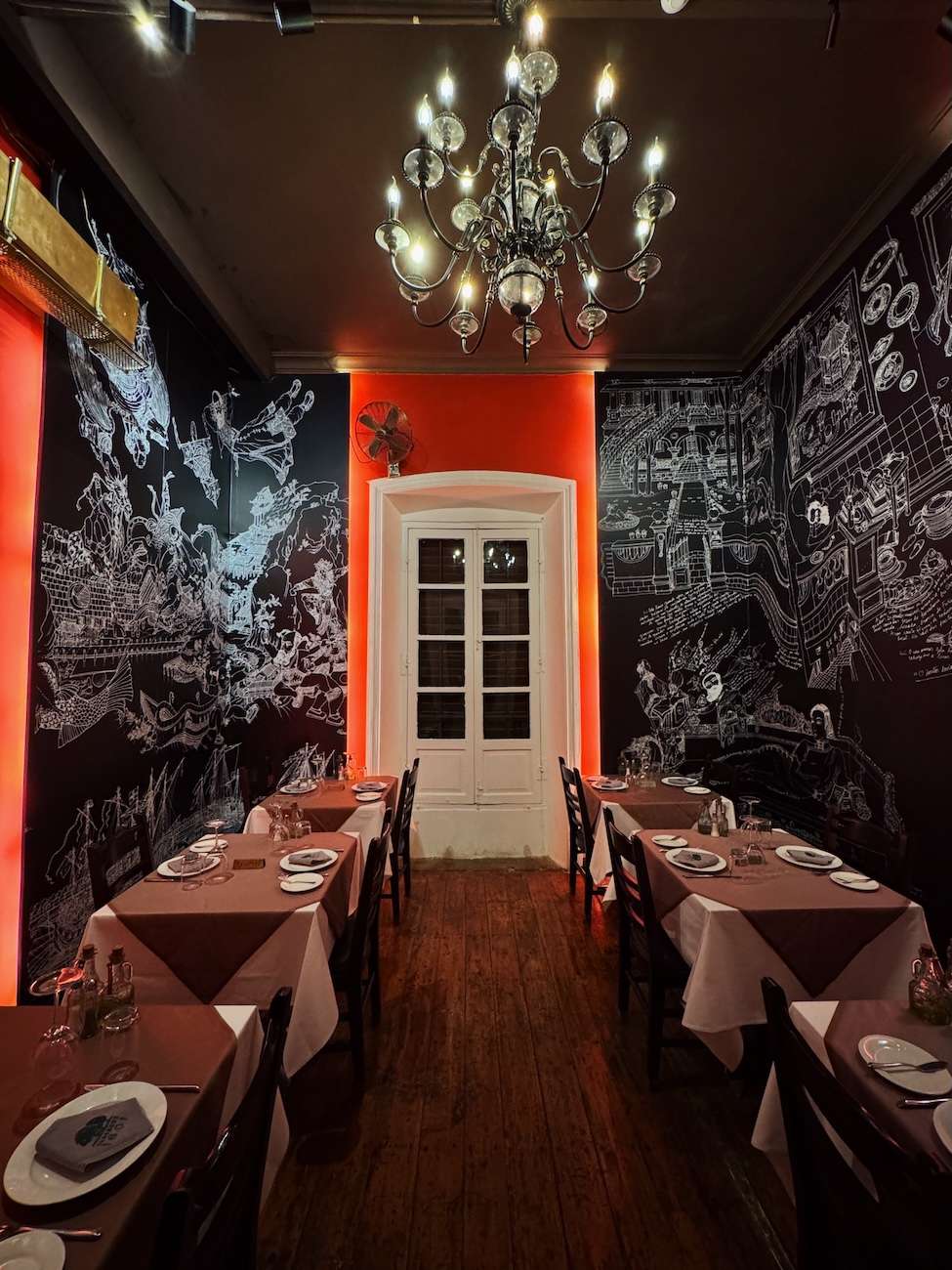 Camilo Pessanha Room. PHOTO WENDY HUNG
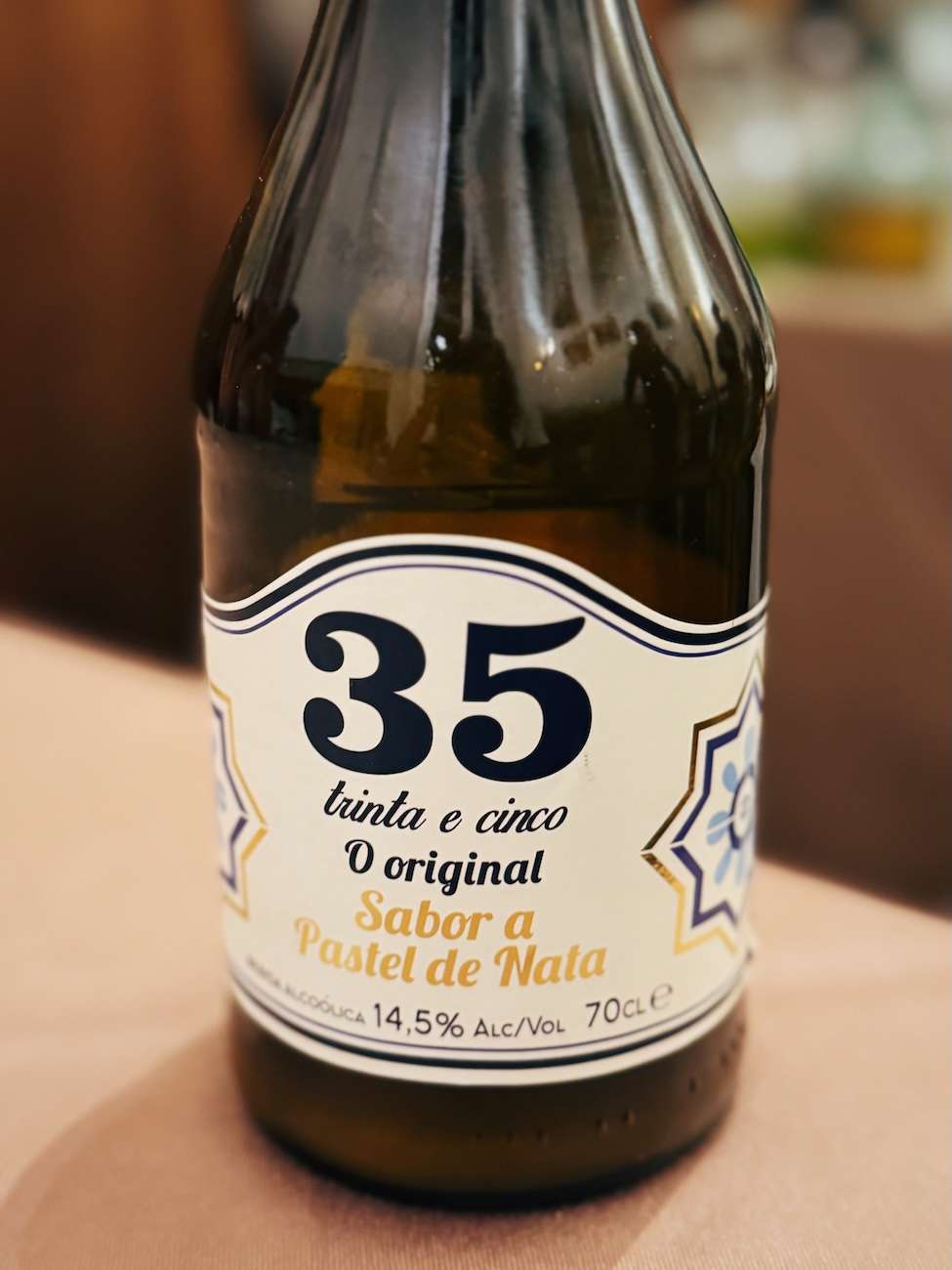 Egg tart pastry alcohol. PHOTO WENDY HUNG
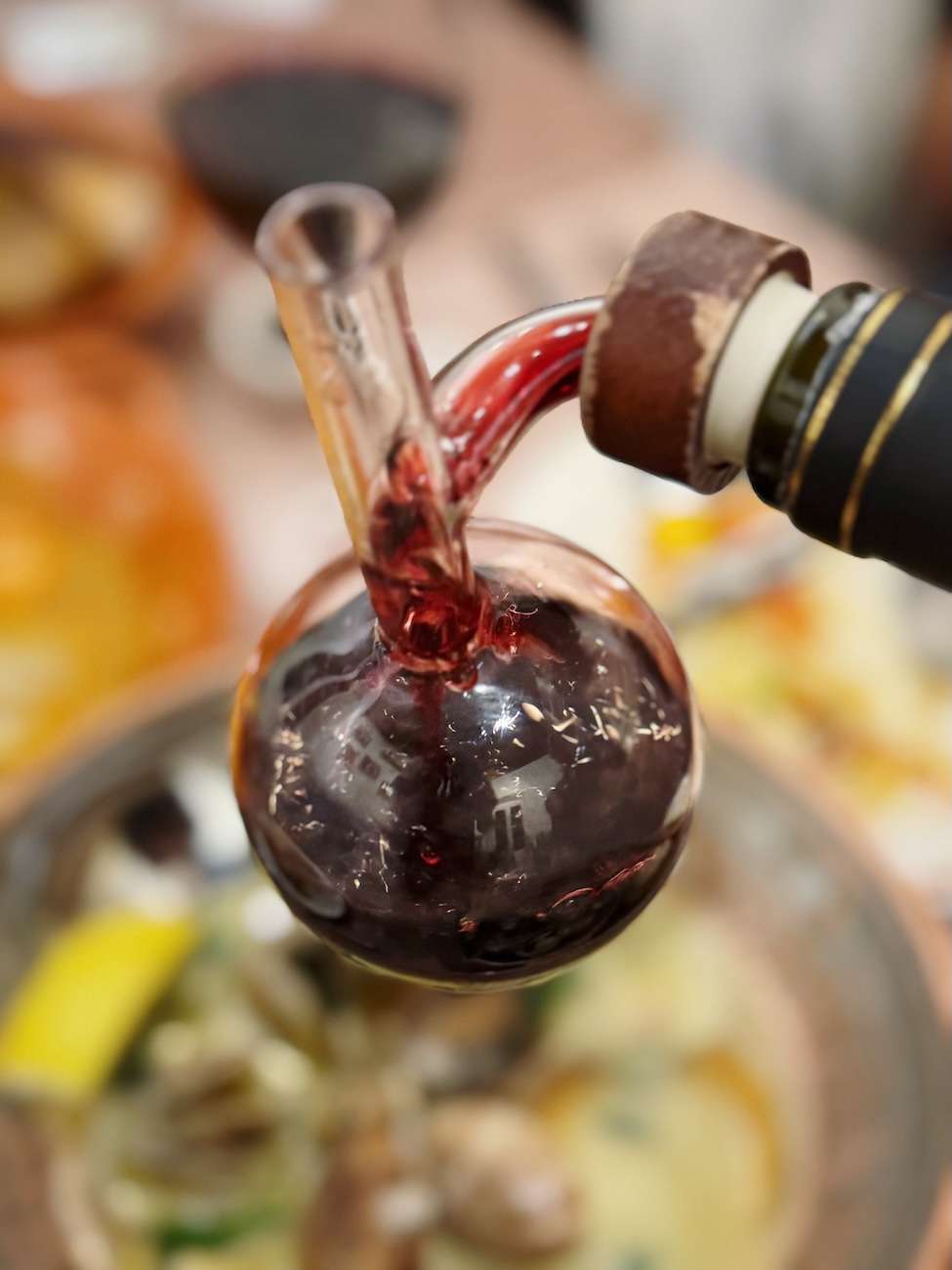 Wine filter. PHOTO WENDY HUNG
What about the Swallow Room?
RB: We also call this room: Rafael Bordalo Pinheiro, who was an artist that created porcelain ceramic. Swallows are immigration birds that draw beautiful paintings in the sky with their dancing, so we replicate that in this room, and we intend to do it in all the rooms.
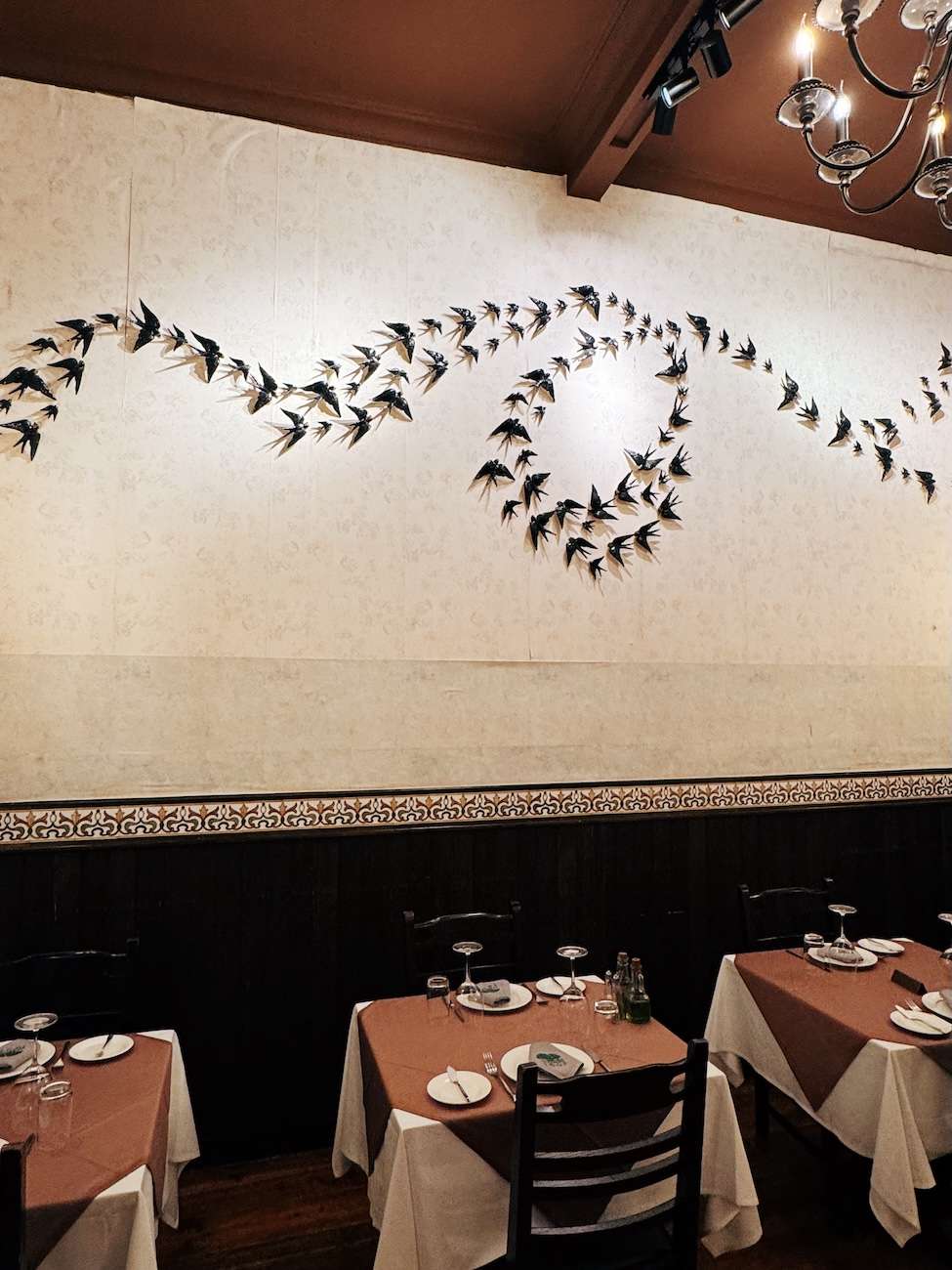 Swallow Room. PHOTO WENDY HUNG
And we end in the Rooster Room.
RB: We have a very famous rooster in Portugal called: the rooster of Barcelos, because there’s a mythological story behind this rooster. And this is the most colorful room in the entire restaurant.
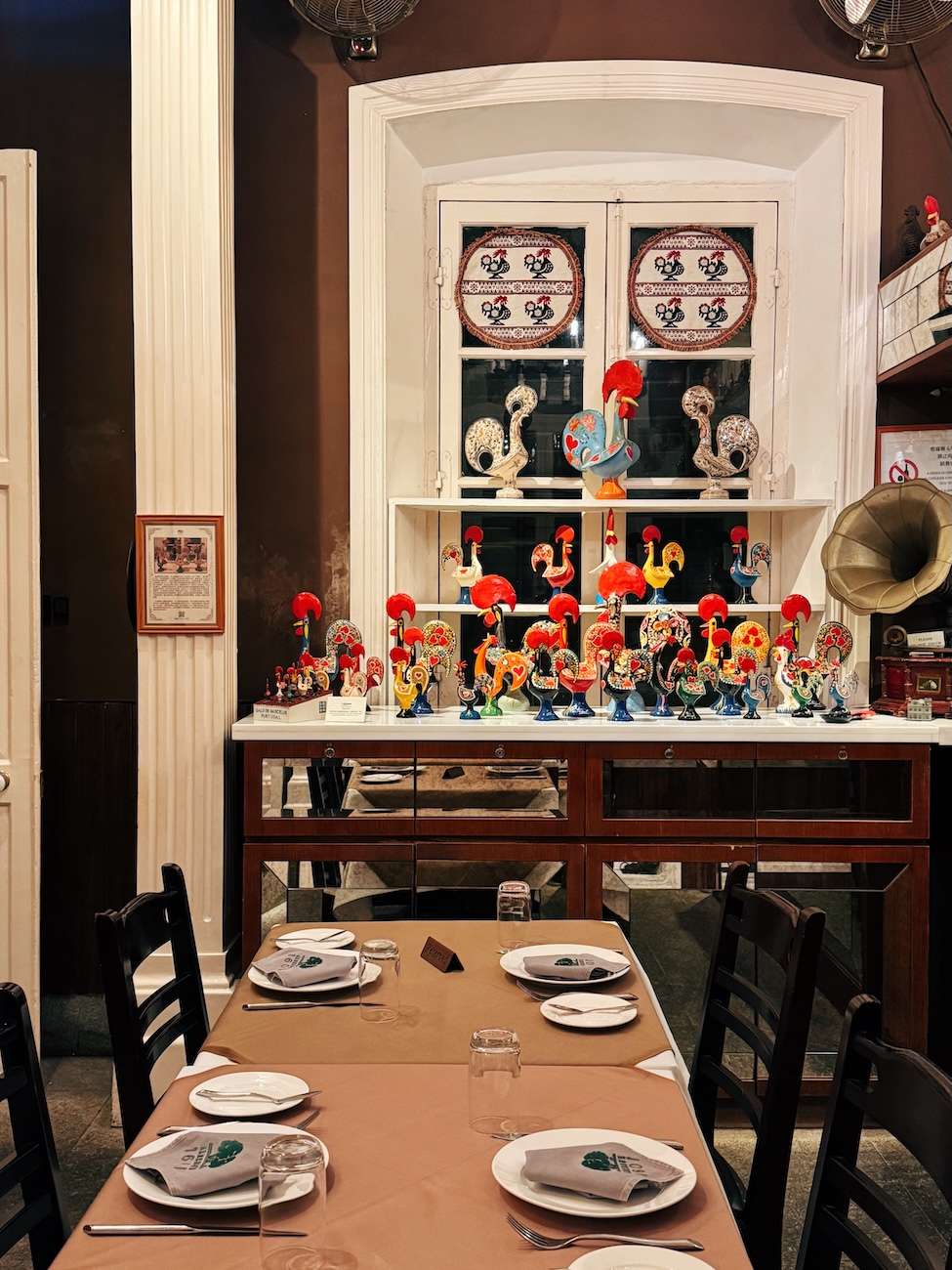 Portuguese roosters. PHOTO WENDY HUNG
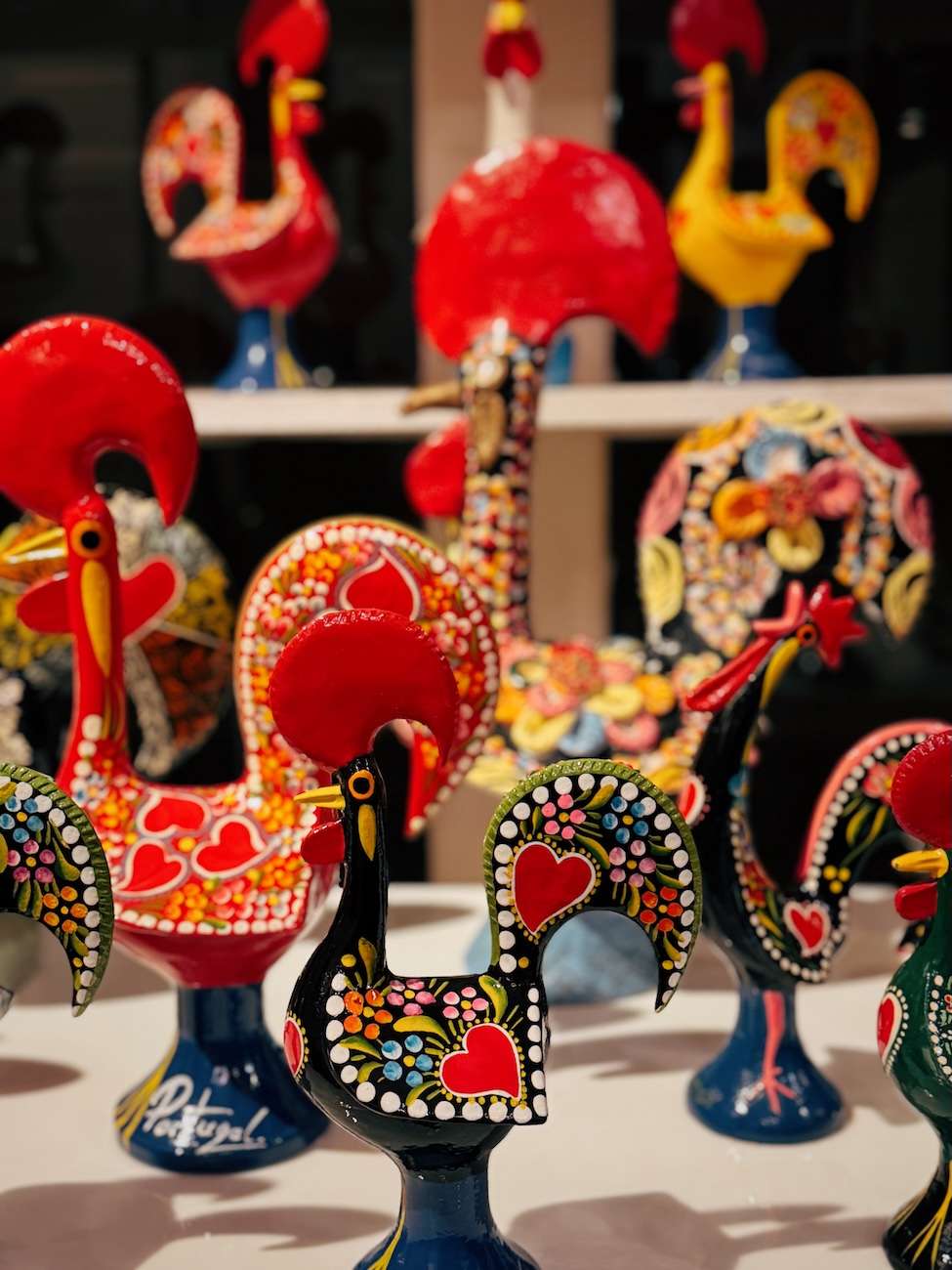 Rooster of Barcelos. PHOTO WENDY HUNG
Address:
8 Calçada da Igreja de São Lázaro, Macao
Hours:
| Monday | 12–3 pm, 5:30–10 pm |
| Tuesday | 12–3 pm, 5:30–10 pm |
| Wednesday | 12–3 pm, 5:30–10 pm |
| Thursday | 12–3 pm, 5:30–10 pm |
| Friday | 12–3 pm, 5:30–10 pm |
| Saturday | 12–10 pm |
| Sunday | 12–10 pm |