
UNESCO World Heritage Site that symbolizes Portugal’s maritime power during the Age of Discoveries.
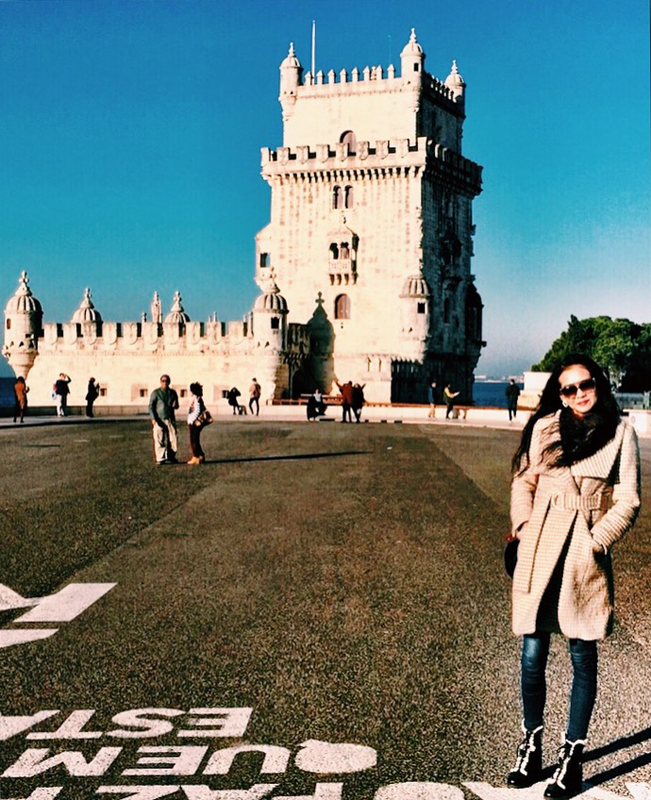 PHOTO WENDY HUNG
Belém Tower, aka: Tower of St. Vincent in Lisbon is a UNESCO World Heritage Site that symbolizes Portugal’s maritime power during the Age of Discoveries.
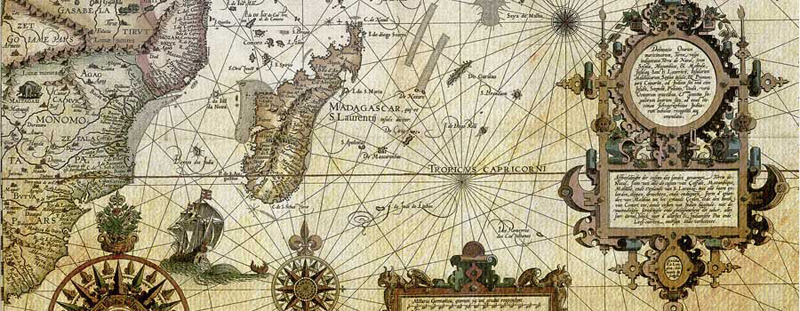
1. The Age of Discovery spanned from 15th century to the end of 18th century.
 bluepennymuseum.com
It was a time period throughout European history when overseas exploration contributed to Europe’s rise in colonialism and mercantilism. It was also the start of globalization. Unknown islands and lands were founded during the Age of Discovery.
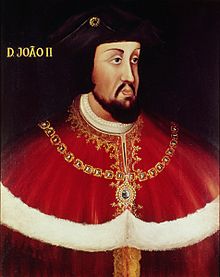
2. Belém Tower was commissioned by King John II.
 Wikipedia
In the late 15th century, the King wanted the tower to be a defense system at the edge of the Tagus river. It’s also the official gateway to Lisbon. But the King died before construction plans were finalized. 20 years later, King Manuel I of Portugal looked at the plans again and construction began.
3. Although many guides say the tower was built in the middle of Tagus, but…
…According to The Portuguese Ministry of Culture and the Institute of Architectural Heritage, the tower was built on a small island near the bank of Tagus. Once the development continued to extend the shoreline, the northern bank eventually edged along the Tagus. Over time, the tower integrated into the riverbank.
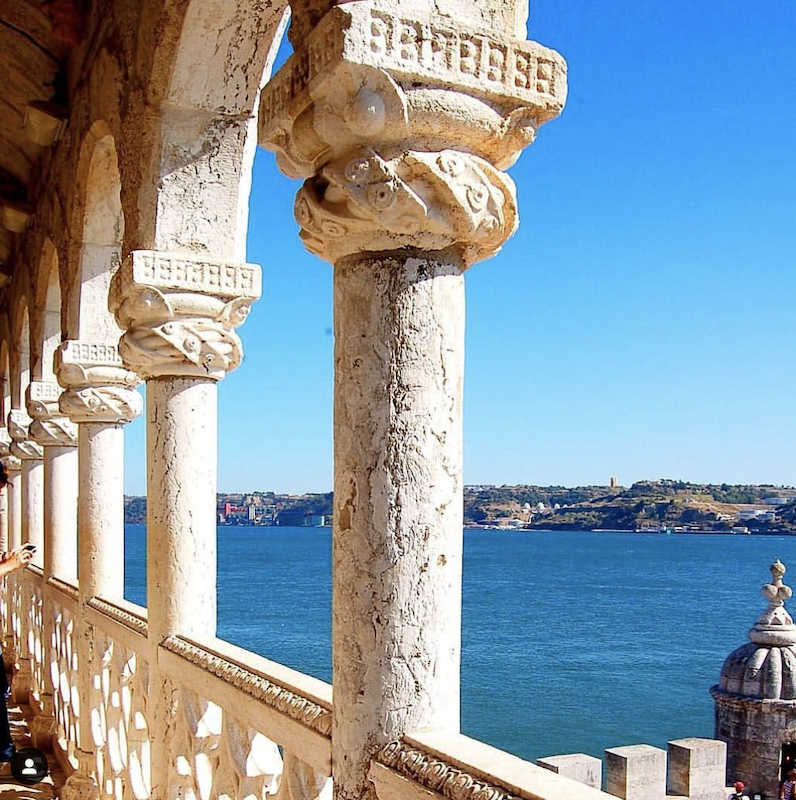
4. The perfect example of Manueline style architecture.
 INSTAGRAM @nic.varon
Aka: Portuguese late Gothic-style. It’s a combination of Late Gothic, Spanish Plateresque, Mudéjar, Italian, and Flemish influences. You’ll recognize Manueline style architecture by spotting symbols of maritime discoveries, including: shapes of anchors, spheres, ropes, cables, anchor chains, shells, pearls, and strings of seaweed.
5. Castle of St. Vincent.
The fortress was named: Castelo de São Vicente de Belém, honoring the patron saint of Lisbon.
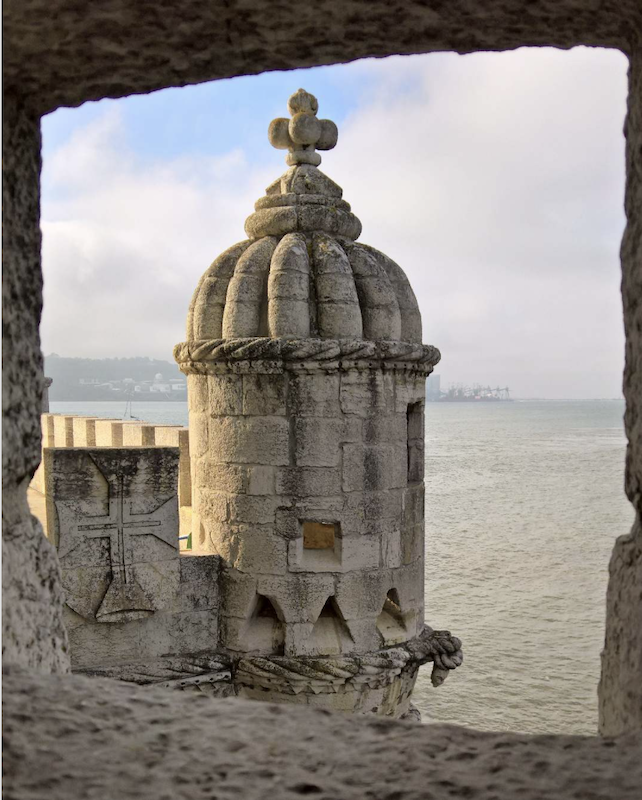
6. You’ll see many symbols of cross of the Order of Christ on the parapets (edge of a balcony.)
 INSTAGRAM @krreps
This is because King Manuel I was a member of the Order of Christ, and the numerous cross you’ll see indicate the King’s military power
7. Beasts and rhinoceros.
At the bases of the turrets, you’ll see sculptures of beasts and rhinoceros. The latter is the first sculpture of this animal in Western European art. It represents the rhinoceros that King Manuel I gave to Pope Leo X in 1515.
8. Dungeons of the tower was used as a prison until 1830.
This happened after hours of battle in 1580 when Portuguese monarch surrendered to Spain’s Duke of Alba. Then again, under King Miguel I, the dungeons were used to imprison his liberal enemies.
9. Find the 1655 plaque on the northern wall of the cloister.
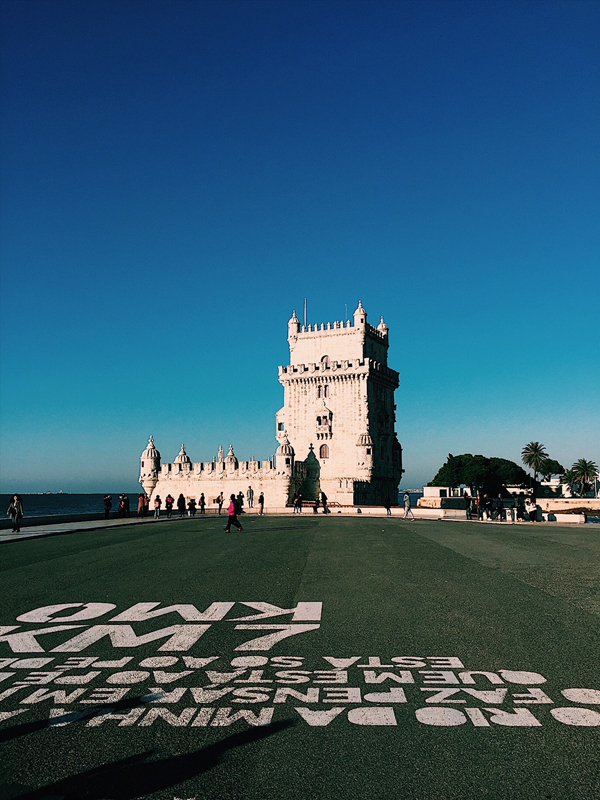 PHOTO WENDY HUNG
It indicates the year Belém Tower began its function as a customs control point for ships along the Tagus River. Each were required to pay a tax when they entered the harbor.
10. I983 was an important year.
Not only was Belém Tower the site of 17th European Exhibition on Art, Science and Culture, it also became a UNESCO’s World Heritage Site during the same year.
