
A symbol of hard work and merit to be learned and earned.
I usually start Monday mornings by asking a head doctor at the hospital about surgeries scheduled for the week. Our schedules were typically packed, so I was shocked to discover that surgeries weren’t scheduled on this particular Thursday and Friday. I asked him why, and he told me, it was a celebrated Chinese holiday.
“Is this the zong-zi holiday?” I inquired.
In the past weeks, street vendors and local bakeries had been selling a tetrahedral-shaped, sticky-rice-filled wrapped with bamboo leaves called: zong zi.
The doctor laughed then informed me of the holiday’s official name: Duan Wu (literally meaning: Double Fifth, on the fifth day of the fifth month of the Chinese lunar calendar.) Although Duan Wu has long been culturally celebrated, the Chinese government only recently recognized Duan Wu as a national holiday in 2008. The most popularized story behind Duan Wu delivers values of self-sacrifice and dedication. The holiday marks the death of a patriotic poet, Qu Yuan, who committed suicide by drowning after learning the capture of his state during Warring States Period of the Zhou Dynasty. Having greatly admired the late poet, locals wrapped rice in bamboo leaves to feed fish in the lake so that they would not eat the poet. Hence, the origin of zong-zi.
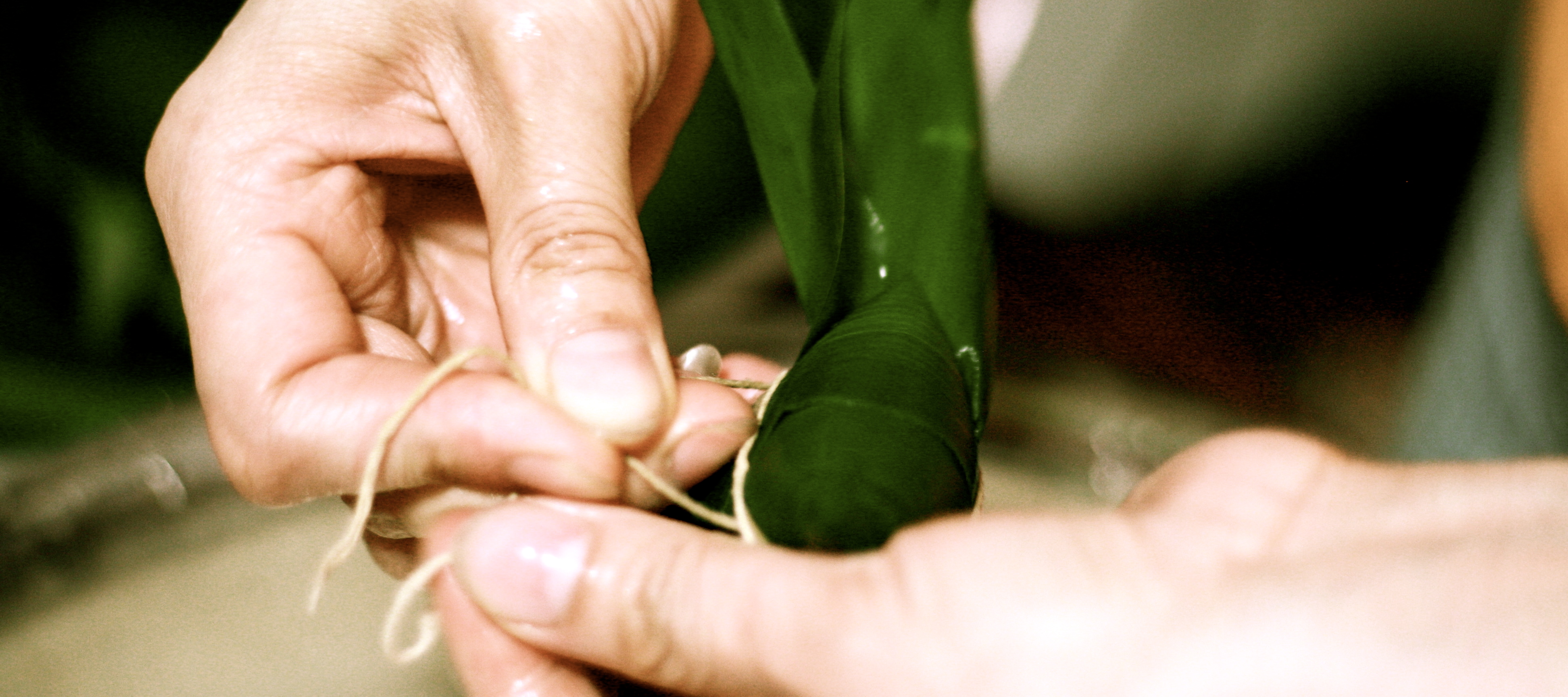
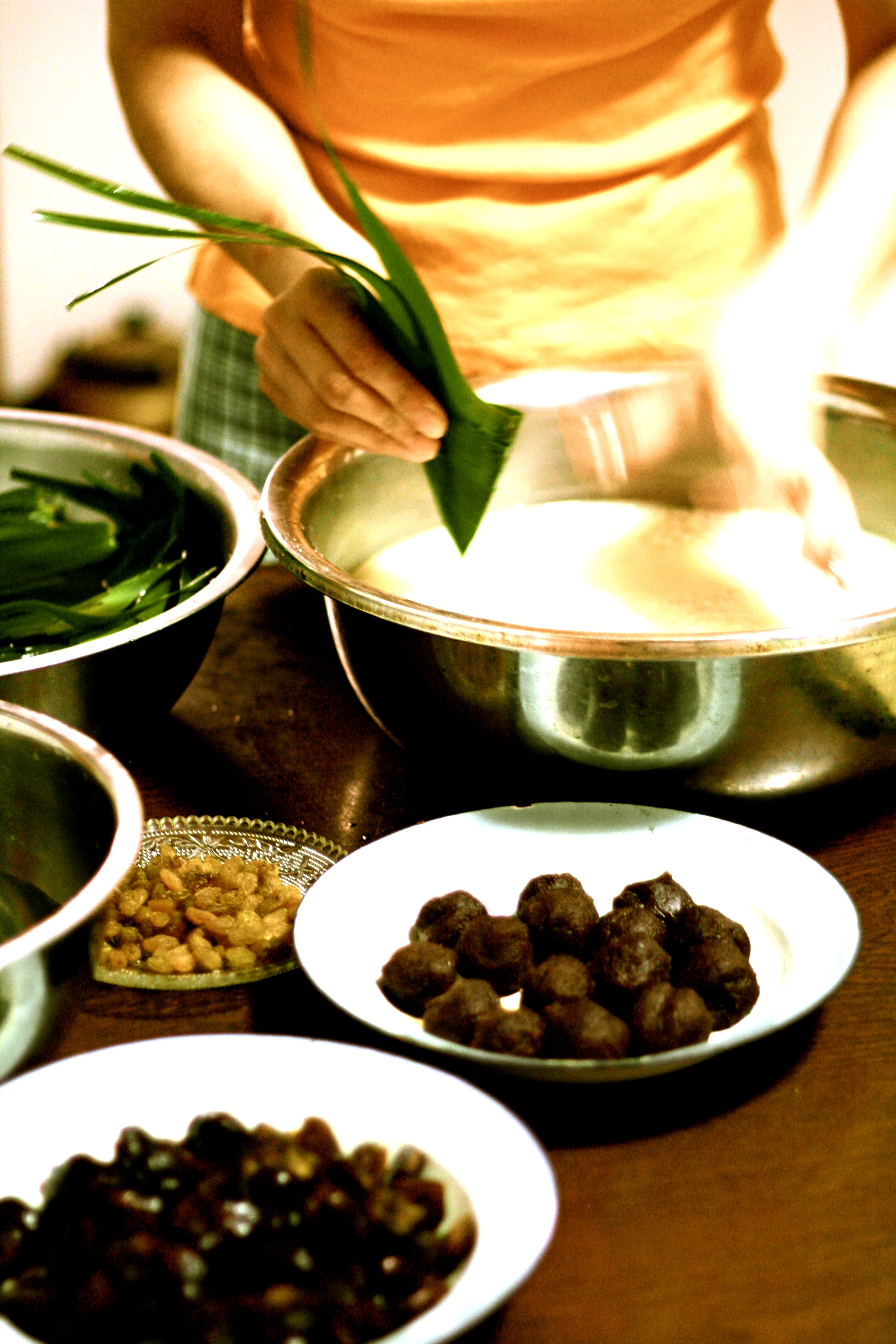
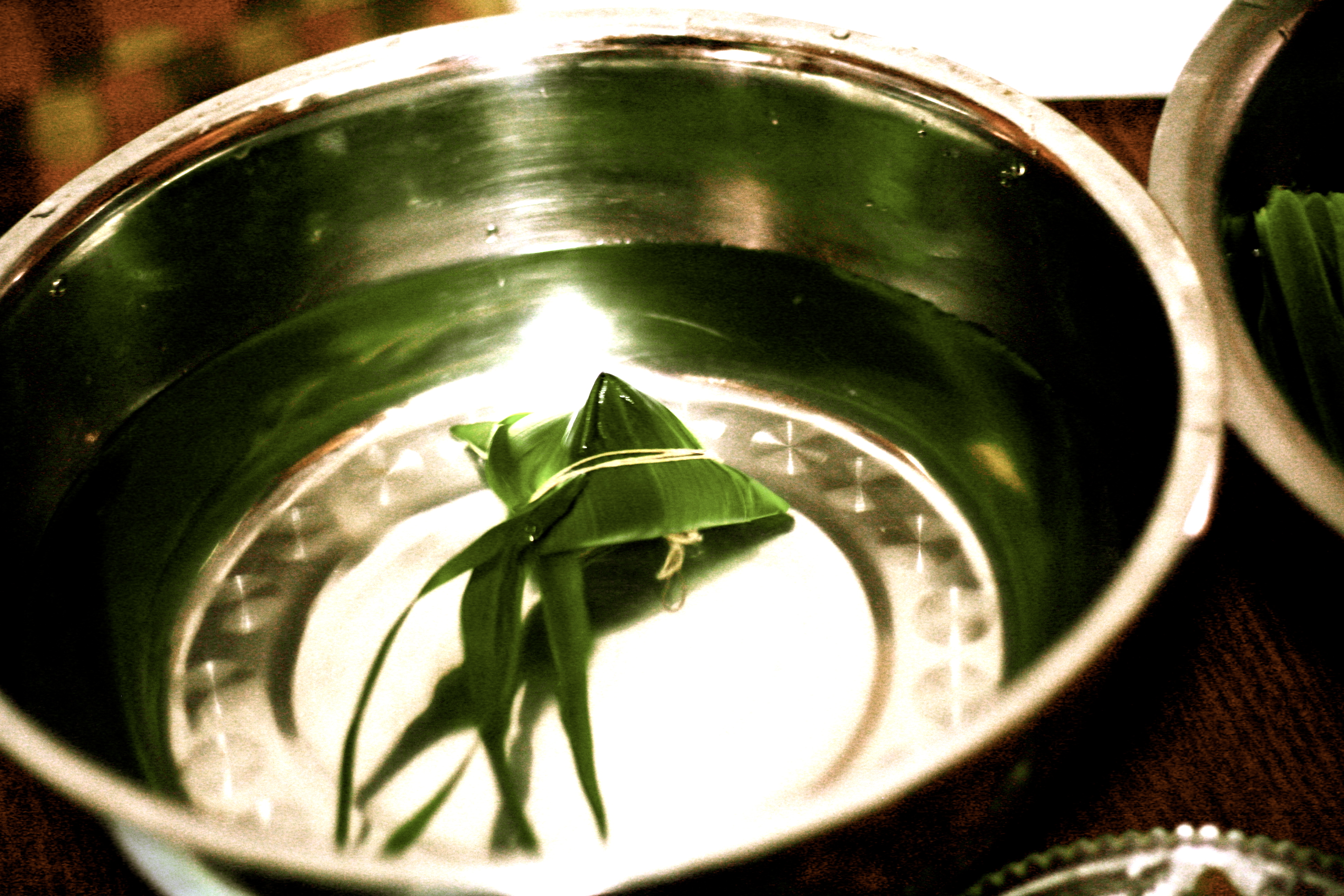
When I visited my grandma’s house the evening before Duan Wu, I found my aunt waiting for me with a tub full of water soaked leaves, another with soaked sticky rice, and smaller plates of dried dates and red bean filling. We sat down on small stools close to the ground, and she showed me the process of making zong-zi. She grabbed three long leaves and placed them next to each other, then folded them back along the inside to make a small, tight “cup” for the filling. My hands clumsily followed. Next, she scooped up some rice, alternated between dates and red bean filling to add variety before folding the top of the leaves over to close the wrapping. Again, my hands clumsily followed. Finally, with one hand grasping zong-zi with its odd shape, her other hand tied zong-zi with a string to firmly keep its shape particularly when boiled in steamed water prior to serving. My zong-zi had much softer and unprofessional corners, and I placed it in the huge pile my aunt had made in the time it took me to make one.
My grandpa came out with the old camera my mom had bought for him 6-years ago. With hands shaking, he took photographs of my aunt and I working away. He let me know: this is a rite of passage, an art to be passed down, a symbol of hard work and merit to be learned and earned.
Article written by Ruoxi Yu.
